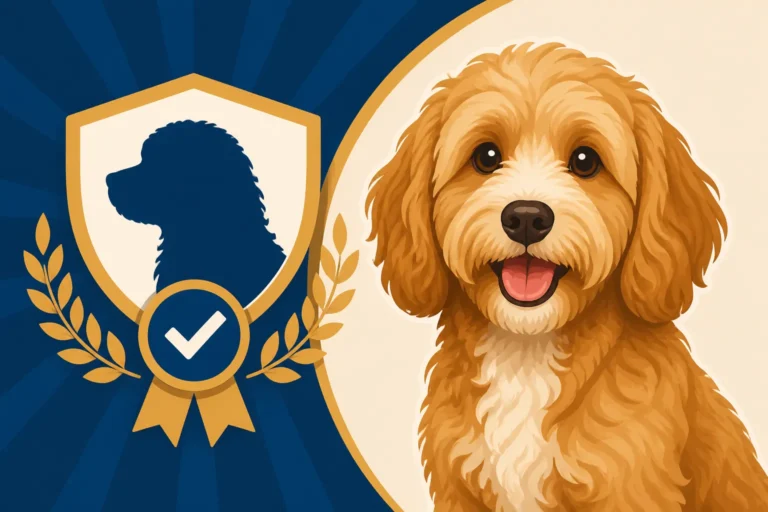
How the Cockapoo Got Its Name
One of the first things that strikes people about a Cockapoo, after their utterly adorable faces, is often their rather whimsical name. It’s not quite a mouthful, but it certainly sparks curiosity. Many new owners, or those just admiring these charming dogs from afar, wonder how exactly this delightful combination of sounds came to represent such a beloved mixed breed. This guide will walk you through the fascinating and rather straightforward journey of how the Cockapoo got its name, exploring the logic behind it and its place in the wider world of canine monikers.
The Simple Truth Behind the Name
It might seem obvious once you say it out loud, but the name "Cockapoo" is a classic example of a portmanteau – a word formed by blending parts of two or more other words. In this case, it’s a direct nod to the two parent breeds that create this wonderful canine companion. No secret ancient texts or obscure mythological references here, just pure, practical naming!
A Tale of Two Breeds: Cocker Spaniel and Poodle
At its heart, the Cockapoo is a cross between a Cocker Spaniel and a Poodle. When you look at these two breeds, the origin of the name becomes crystal clear. You take "Cocker" from the Cocker Spaniel, and "Poo" from the Poodle. Put them together, and voilà: Cockapoo. It’s elegantly simple, isn't it? This method of naming makes it instantly recognizable, even to someone who might not know much about "designer dogs" or crossbreeds. You immediately grasp that this isn't a purebred dog, but a thoughtful blend of two distinct lineages. The Cocker Spaniel brings its cheerful, affectionate nature and those soulful eyes, while the Poodle contributes its intelligence, elegant gait, and often, that famously low-shedding coat.
The Art of the Portmanteau: Blending Names
This blending isn't unique to the Cockapoo, of course. We see it everywhere in the "doodle" world – Labradoodles, Goldendoodles, Cavapoos, and so on. The "Poo" suffix from the Poodle has become almost synonymous with these crosses, signifying that intelligent, often curly-coated side of their ancestry. The beauty of a portmanteau name is its efficiency. It tells you exactly what you're getting without needing a lengthy explanation. Imagine if every time you introduced your dog, you had to say, "This is my Cocker Spaniel-Poodle cross!" It gets a bit cumbersome, doesn't it? "Cockapoo" rolls off the tongue, sounds friendly, and perfectly encapsulates their dual heritage. It’s a name that feels as warm and approachable as the dogs themselves.
When Did "Cockapoo" First Appear?
The very first deliberate pairings of Cocker Spaniels and Poodles reportedly happened in the United States around the 1950s. This predates the huge "designer dog" boom that really took off in the late 20th and early 21st centuries. Back then, these early crosses were often bred for temperament, intelligence, and a more manageable coat for allergy sufferers. The name "Cockapoo" itself likely emerged organically from these early enthusiasts and breeders. It wasn't a formal, committee-approved designation but rather a practical, catchy label that people started using to refer to these specific crosses. It just stuck! It’s a testament to its effectiveness that the name has endured and become so widely recognized, especially given that many of these early The Years the First Cockapoo Litters Appeared were quite experimental. The relative success and growing popularity meant that a concise, memorable name was essential for these dogs to gain traction.
Why Not Other Names? Exploring Early Combinations
With any new creation, there are always other options floating around. Why did "Cockapoo" win out over other potential names for this delightful crossbreed? It’s a question that many owners ponder, especially when they first hear the name and might even find it a little quirky.
What Other Names Were Considered?
While there isn't a formal historical record of every single name considered by early breeders – because, let's face it, they were just experimenting and often informally naming their litters – we can imagine some of the alternatives. Perhaps "Poo-Cocker" was an option? Or a more formal-sounding "Cocker-Poodle Mix?" Some might even have tried to combine the first syllables in a different order, leading to something like "Spoodle," which, ironically, did become the common name for the English Cocker Spaniel-Poodle cross in some parts of the world, especially Australia. What Makes a Dog a Spoodle Rather Than a Cockapoo is an interesting point of distinction that often causes confusion for new owners researching the breed.
The fact is, "Cockapoo" just has a certain rhythm and charm to it. It’s memorable, easy to say, and has a friendly ring. Many new words and names gain traction simply because they sound good and are easily adopted into common parlance. It wasn’t about marketing teams or focus groups back then; it was about what felt right and spread by word of mouth among a growing community of admirers.
The Sound and Feel of "Cockapoo"
Think about how "Cockapoo" sounds. It’s lighthearted, playful, and energetic – much like the dogs themselves! The repeated "oo" sound gives it a softness, almost like a loving coo, while the "k" sounds provide a little bit of playful bounce. Compare that to some hypothetical alternatives. "Cockerpoo" might sound a bit clunky, and "Poodle Cocker" lacks the blended unity. The chosen combination avoids any awkward phonetic clashes and creates a name that is genuinely pleasant to pronounce. It's concise, clear, and carries a warmth that suits the breed's famously affectionate temperament. You can hear how the initial letters of each parent breed contribute significantly, as explored in What a Cockapoo Inherits From Each Parent.
Why Simplicity Won Out
Ultimately, simplicity and memorability are powerful factors in naming. "Cockapoo" is straightforward. It tells you the origin without ambiguity. In a world where many dog breeds have complex, historical names or titles derived from their functions (like "retriever" or "setter"), the directness of "Cockapoo" stands out. It's a name born out of utility and affection rather than formal breed recognition, which didn't happen for the Cockapoo in the early days, and in many places, still hasn't. This informal, organic naming process allowed the name to quickly become synonymous with this particular crossbreed, fostering a sense of community around it long before breed clubs even formed to define things like What the Cockapoo Club of America Set in 1999.
The Rise of the "Doodle" Phenomenon and the Cockapoo's Place
While the term "Doodle" is widespread now, encompassing a huge variety of Poodle crosses, it's fascinating to remember that the Cockapoo actually predates the widespread use of this catch-all term. It truly paved the way for the "designer dog" trend we know today.
Pre-dating the "Doodle" Trend
It’s a point of pride for many Cockapoo enthusiasts that their beloved breed was around long before the term "Labradoodle" even hit the scene and made "doodle" a household word. The Cockapoo wasn't created to be a "designer dog" in the marketing sense; it was bred out of a desire for a companion dog that combined the best traits of both parent breeds. Whether the Cockapoo Predates the Word Doodle is a really interesting historical tidbit. The early breeders were often just trying to produce a healthy, happy, intelligent dog with a good temperament and a low-shedding coat for families, especially those with allergies. They stumbled upon a winning combination that, quite unexpectedly, laid the groundwork for a whole new category of canine companions.
The Popularity Surge and Name Recognition
As word spread about these wonderful, adaptable dogs, their popularity grew steadily. Their charming looks, friendly disposition, and often hypoallergenic qualities made them a hit with families. As more and more people encountered Cockapoos, the name became more ingrained in the public consciousness. It was during this period of growing interest that organizations like the Cockapoo Club of America and the American Cockapoo Club began to form, driven by owners and breeders who wanted to ensure responsible breeding practices and health testing. These clubs, though they have their own definitions and standards, helped solidify the name "Cockapoo" as the definitive term for this particular cross. Even if you're just browsing pet supplies on Chewy, you'll see "Cockapoo" as a recognized breed type for everything from food to toys.
From Niche Name to Household Term
What started as a simple, informal blend of two parent breed names has blossomed into one of the most recognized and beloved names in the mixed-breed dog world. Today, "Cockapoo" is instantly recognizable. It conjures images of happy, bouncy, intelligent dogs with soft, curly coats and wagging tails. Its journey from a functional description to a widely accepted, affectionate moniker reflects the journey of the breed itself – from an experimental cross to a cherished family member. The name has become a brand in its own right, signifying a particular type of companion animal that consistently brings joy to its owners. This widespread recognition is a testament to the enduring appeal and successful breeding efforts that have characterized the Cockapoo for decades. Even without official breed recognition from major kennel clubs, the name "Cockapoo" holds significant cultural weight.
Beyond the Name: What a Cockapoo Embodies
While the name is a neat little linguistic package, it's what the Cockapoo is that truly gives the name its meaning and resonance. The blend of Cocker Spaniel and Poodle isn't just a genetic mixing pot; it’s a recipe for a truly special dog.
The Traits That Defined the Name
When people hear "Cockapoo," they often immediately think of a friendly, intelligent, and relatively low-shedding dog. These are the very traits that the original breeders were aiming for. The Cocker Spaniel lends its famously merry and outgoing personality, its eagerness to please, and its robust build. The Poodle, on the other hand, contributes its sharp intellect, its often non-shedding coat, and its athletic grace. The combination is often a dog that is highly trainable, adaptable, and wonderfully affectionate. For many, the "Poo" part of the name implies that curly, hypoallergenic-friendly coat, while the "Cocker" part suggests a loving, devoted companion.
Let's look at some key characteristics:
| Trait | From Cocker Spaniel | From Poodle | What the Cockapoo Often Gets |
|---|---|---|---|
| Temperament | Affectionate, merry, eager to please | Intelligent, active, loyal | Friendly, smart, joyful |
| Coat Type | Double coat, sheds, needs grooming | Single coat, low-shedding, curly | Wavy to curly, low-shedding* |
| Intelligence | Good, trainable | Highly intelligent, quick learner | Very smart, highly trainable |
| Energy Level | Moderate to high, loves activity | Moderate to high, needs mental stimulation | Active, playful, adaptable |
| Size | Small to medium | Toy, Miniature, Standard | Varies (Teacup to Maxi) |
*Note: Not all Cockapoos are non-shedding, especially if they have an "improper coat" due to genetics. This is why What an Improper Coated Cockapoo Looks Like is an important topic for potential owners.
These inherited traits are what have cemented the Cockapoo’s place in homes across the country, making the name a symbol of a well-rounded and beloved companion. When you're looking for toys or food, many brands, including Chewy, categorize products with "Cockapoo" specifically in mind, acknowledging these common traits and needs.
The Enduring Appeal of the Cockapoo
The enduring appeal of the Cockapoo, and thus the strength of its name, lies in its consistent ability to be a wonderful family pet. They are often described as having the "best of both worlds." They're typically robust enough for active play but small enough to cuddle on the couch. Their intelligence makes them easy to train, and their affectionate nature ensures they become a true member of the family. The name "Cockapoo" has come to represent not just a mix of two breeds, but a specific set of desirable characteristics that many dog owners are looking for. It’s why so many people actively seek out a Cockapoo, understanding that the name itself is a shorthand for a predictable and delightful temperament. Whether someone is looking into The Household a Cockapoo Actually Suits or simply admiring their adorable faces, the name holds a strong, positive association.
The Name as a Legacy of a Loved Crossbreed
The story of how the Cockapoo got its name is really the story of its journey into our hearts. It wasn't a fancy, calculated marketing move, but an organic, descriptive label that perfectly captured the essence of this charming crossbreed. From the earliest litters in the 1950s, through decades of growing popularity, the name "Cockapoo" has remained consistent and recognizable. It’s a legacy name, carried forward by generations of happy owners who cherish their intelligent, loving, and uniquely named companions. It stands as a testament to the simple power of combining two great things to create something truly special, a name that embodies generations of wagging tails and devoted companionship. As long as people continue to adore these wonderful dogs, the name "Cockapoo" will remain a firm fixture in the vocabulary of dog lovers everywhere.
Disclaimer
This article is for general informational purposes only and does not constitute professional advice. Laws, prices and regulations vary by location and change over time. Consult a qualified professional for guidance on your specific situation.