Whether a Cockapoo Enjoys Swimming
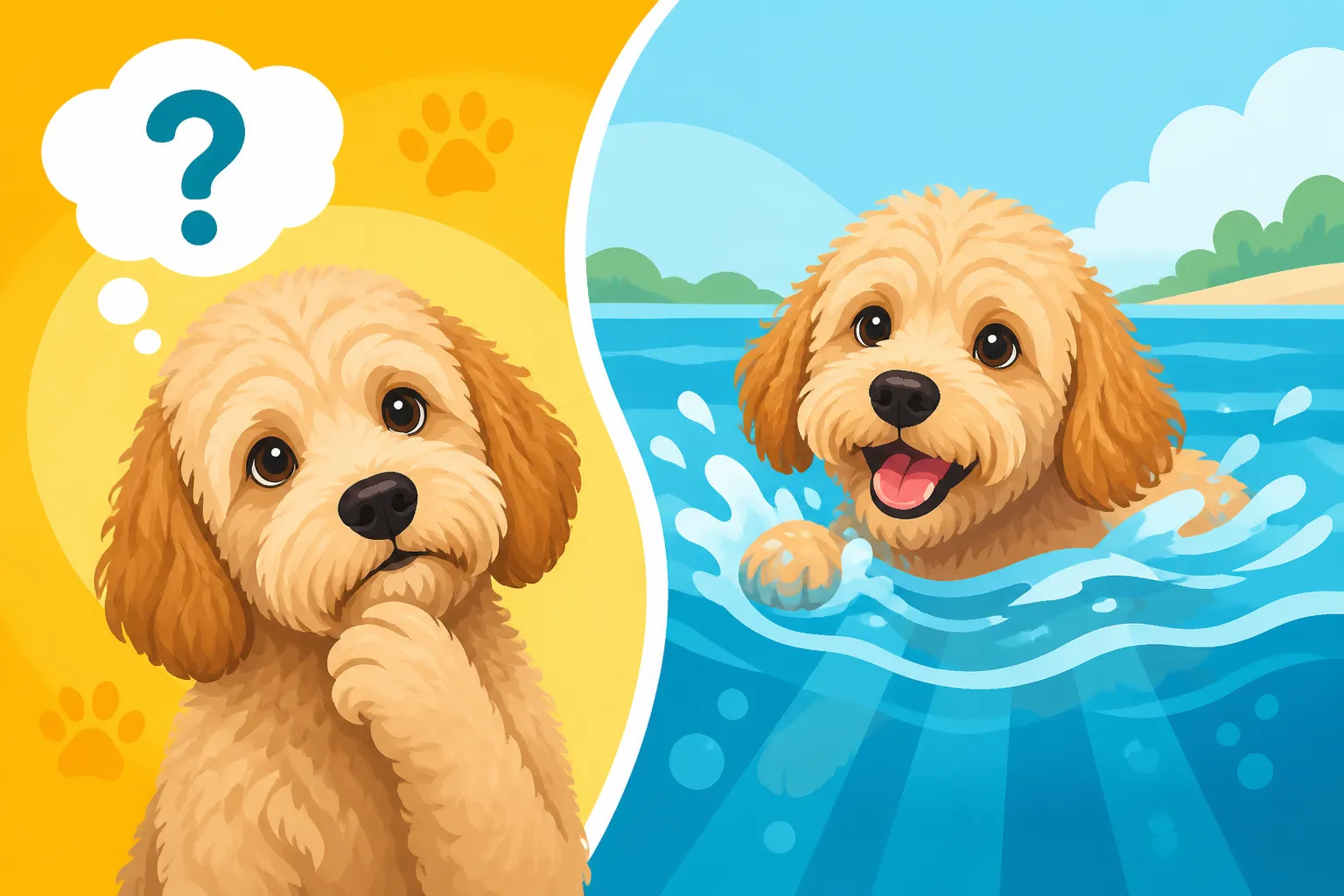
It’s a beautiful sunny day, the kind where you can almost taste the shimmering coolness of a lake or the inviting splash of a backyard pool. As pet parents, we naturally want to include our beloved Cockapoos in all the fun, especially when it comes to cooling off. But then the question arises: does your Cockapoo actually enjoy swimming, or are they just tolerating it for your sake? This guide will dive deep into what makes a Cockapoo a water dog (or not!) and how to ensure any aquatic adventures are safe and genuinely enjoyable for them.
The Water Instinct: Unpacking the Cockapoo's Heritage
When we talk about a Cockapoo's potential love for water, we really need to look at the remarkable breeds that came together to create them: the Cocker Spaniel and the Poodle. Both bring a fascinating history with water, which often, but not always, translates into their adorable mixed-breed offspring.
The Sporting Spaniel's Drive
Let's start with the Cocker Spaniel side of your Cockapoo's family tree. Cocker Spaniels, whether American or English, were originally bred as gun dogs. Their job? To flush out game birds from dense undergrowth and, crucially, to retrieve them after they were shot. This often meant plunging into icy rivers, navigating through muddy marshes, and swimming across ponds to bring back their quarry. They were bred for endurance, a keen nose, and a soft mouth for carrying delicate game.
This rich history means many Cockapoos inherit a natural curiosity and drive when it comes to water. You might notice your Cockapoo enthusiastically sniffing around puddles, or maybe they get incredibly excited by the sight of a hosepipe or sprinkler. They might enjoy splashing their paws in shallow water, almost instinctively trying to "flush out" unseen treasures. This isn't always about full-on swimming, but rather an innate pleasure in engaging with water in a playful, exploratory way, much like their spaniel ancestors did in the field. They might even try to retrieve floating toys with an almost professional air.
The Poodle's Aquatic Prowess
Now, let's talk about the Poodle – a breed whose very name, deriving from the German "Pudel" meaning "to splash in water," tells you everything you need to know. Poodles were, and still are, exceptional water retrievers. They were working dogs, used by hunters to retrieve waterfowl. Their dense, curly coat, far from being just a fashion statement, served a vital purpose: it provided insulation in cold water and was water-resistant, protecting them from the elements. The traditional "Poodle clip" with puffs of hair around joints and chest was originally designed to protect vital organs and joints from cold while still allowing for freedom of movement in the water. Plus, their paws are often slightly webbed, an adaptation that makes them incredibly efficient swimmers.
So, when you combine this strong aquatic heritage from both sides, it's easy to see why so many Cockapoos take to water with an almost unbelievable enthusiasm. The Poodle's powerful swimming strokes and natural buoyancy, coupled with the Spaniel's retrieving instinct, often make for a fantastic little water dog. It's truly a marvel to watch a Cockapoo, especially one with a strong Poodle influence, glide through the water with such ease and joy.
The Mix of Personalities: Not All Cockapoos Are Equal
Despite this incredible genetic predisposition, it's vital to remember that every Cockapoo is an individual. Just like people, they have their own unique personalities, preferences, and quirks. You might have a Cockapoo whose parents were both champion swimmers, yet they'd rather roll in the mud than dip a paw in the lake. Conversely, you could have one whose lineage isn't particularly noted for water work, but they just adore being in the water.
This individuality means we can't make blanket statements. While many Cockapoos are indeed water babies, a significant number are perfectly happy staying on dry land, thank you very much! Some might tolerate a quick paddle, others might hate baths but love a lake, and some might be completely indifferent. It truly comes down to observing your own dog, understanding their comfort levels, and never, ever forcing them into a situation they're clearly not enjoying. Pay attention to their body language: are they wagging their tail, ears perked, eagerly trying to get in? Or are they cowering, trying to back away, or showing signs of stress? Their cues are your best guide. If you're looking for ways to gently introduce your pup to water, you might find some useful tips in Introducing a Cockapoo to Water Safely.
Factors Influencing a Cockapoo's Enthusiasm for Water
Several elements, beyond just genetics, can shape your Cockapoo's feelings about taking a dip. Understanding these can help you foster a positive relationship with water, whether they become a champion swimmer or just a happy wader.
Early Experiences and Socialization
Just like with any new experience, a Cockapoo's early encounters with water can profoundly impact their long-term comfort and enjoyment. A positive first experience, introduced gently and without pressure, can set them up for a lifetime of water fun. Imagine a puppy's first introduction to a small, shallow kiddie pool on a warm day, with lots of praise and tasty treats. That's a memory that builds confidence and enjoyment.
On the flip side, a traumatic or frightening early experience can create a lasting aversion. If a puppy accidentally falls into deep water, is thrown in, or is forced to swim before they're ready, they might develop a genuine fear. This fear can be very difficult to overcome, often requiring patience, positive reinforcement, and sometimes even professional guidance. Thinking about how your Cockapoo first experienced the world is key. For more on their crucial early days, check out The First Week With a Cockapoo Puppy.
It's also about general socialization. A well-socialized Cockapoo who is confident, curious, and comfortable with new environments and sounds is often more likely to approach a new experience like swimming with an open mind. If they've had positive exposures to various textures, noises, and situations, water might just be another exciting adventure to explore.
Physical Build and Coat Type
While all Cockapoos can theoretically swim, their physical characteristics can certainly play a role in their comfort and how easily they adapt to water activities.
Their coat, for instance, is a big one. Cockapoos can have a range of coat types, from quite straight (more like a Cocker) to wavy, to tightly curled (more like a Poodle).
- Curly coats: These are often the most water-resistant, much like a Poodle's. They tend to shed water quite well. However, they are also prone to matting after swimming if not thoroughly rinsed and dried. The dense curl can trap moisture, leading to skin irritation or hot spots if not properly managed.
- Wavy coats: A common Cockapoo coat, this type often offers a good balance. It sheds water fairly well but will still require thorough drying to prevent mats.
- Straighter coats: While less common for the "doodle look," some Cockapoos inherit a straighter coat. This might hold more water and take longer to dry, potentially making the dog feel heavier in the water or colder once out.
Regardless of coat type, keeping their ears clean and dry is paramount after swimming, as their floppy ears can trap moisture and lead to ear infections. This is a common issue for many floppy-eared breeds. For specific advice, you might want to read Whether a Cockapoo's Ears Should Be Tied Back to Swim. Understanding The Curl Gene and Where a Cockapoo's Coat Lands can also give you insight into what kind of coat care your individual Cockapoo will need after a splash.
Beyond coat, consider their size and build. A smaller Toy Cockapoo might tire more quickly than a larger Maxi Cockapoo, or they might struggle more in choppier water. A leaner, more athletic build often lends itself to easier swimming than a very compact or overweight dog.
Personality and Temperament
Beyond physical traits and early experiences, your Cockapoo's inherent personality and temperament are huge factors. Some dogs are simply more adventurous, curious, and outgoing. These "go-getters" are often the first to plunge into a new situation, water included. They see a splash and think, "Fun!"
Others are naturally more cautious, preferring to observe from a distance before tentatively engaging. They might need more encouragement, slower introductions, and constant reassurance. This isn't a flaw; it's just who they are. Their natural disposition will dictate how readily they accept new activities.
Many Cockapoos also inherit a strong retrieving drive, thanks to both parent breeds. This can manifest as an intense desire to fetch a ball or stick thrown into the water, overriding any initial hesitation. For a deeper dive into the specific traits they get from their Cocker side, take a look at What the Cocker Puts Into a Cockapoo. Some might be drawn to the movement of fish or ducks, leading them to chase into the water out of pure instinct. Observing these individual quirks will help you tailor their water experiences to their liking.
Safe and Positive Introduction to Water Activities
If you're eager to introduce your Cockapoo to the joys of swimming, or simply want to enhance their enjoyment, a thoughtful and safety-first approach is key. Remember, the goal is always positive association and fun, never fear or stress.
Starting Small and Making it Fun
Never, ever force your Cockapoo into the water. This is the golden rule. Instead, make it an invitation, an exciting game they can choose to join.
Start with very shallow water – a kiddie pool in the backyard, a gently sloping beach at a lake, or even just a garden sprinkler. Let them explore at their own pace. Throw a favorite floating toy just at the edge of the water, so they can wade in to retrieve it without having to swim. As they gain confidence, you can gradually move the toy a little further out.
Use plenty of positive reinforcement: happy praise, enthusiastic cheers, and high-value treats every time they show interest or engage with the water. If they seem hesitant, don't push it. Simply try again another day. Sometimes, having another dog who loves water can be a great motivator, as long as that dog is gentle and doesn't overwhelm your Cockapoo.
Many people wonder if a Cockapoo will just naturally swim. While many have the instinct, Whether a Cockapoo Swims Without Being Taught is a nuanced question, and it's always best to guide them safely.
Here’s a table outlining a gradual approach to introducing your Cockapoo to water:
| Step | Description | Goal |
|---|---|---|
| 1. Backyard Fun | Introduce a shallow kiddie pool (just paw deep initially) or a gentle sprinkler. Toss treats or favorite toys into the water. | Create positive associations with water in a familiar, safe environment. Encourage playful interaction. |
| 2. Shallow Wading | Visit a calm lake or beach with a gradual entry. Walk in yourself a short distance and encourage your Cockapoo to follow. Keep them on a long leash for control. | Allow them to experience natural water textures and temperatures without pressure to swim. Build confidence in slightly larger bodies of water. |
| 3. Floating Toys & Treats | Once comfortable wading, throw a floating toy a short distance where they can still touch the bottom. Gradually increase the distance as confidence grows. | Motivate them to venture further into the water, making the decision to swim (even if briefly) their own. |
| 4. Life Vest Introduction | If planning deeper water activities, introduce a dog-specific life vest (like those found on Chewy or Amazon) before getting to the water. Let them wear it for short periods around the house to get accustomed to the feeling. | Ensure safety and comfort. A vest helps with buoyancy and provides a handle for assistance, building confidence for deeper water. |
| 5. Supervised Swimming | In a controlled, calm environment (pool, calm lake), with their life vest on, allow them to paddle. Stay close, support them if needed, and offer constant praise. Never leave them unattended. | Facilitate full swimming in a safe manner, allowing them to learn and build strength. Reinforce that water is a positive and safe place. |
Essential Safety Gear and Supervision
Safety is paramount around water. Even if your Cockapoo seems like a natural, unexpected currents, sudden drops, or fatigue can pose risks.
- Life Vest: This is non-negotiable, especially for first-time swimmers, in open water, or if your dog isn't a strong swimmer. A good quality, well-fitting dog life vest provides crucial buoyancy and often has a handle on the back, which is incredibly useful for lifting them out of the water or guiding them. Brands like Ruffwear or Outward Hound make excellent vests that you can often find on platforms like Chewy or Amazon. Make sure it fits snugly but comfortably, allowing for full range of motion without slipping.
- Constant Supervision: Never leave your Cockapoo unattended near water, even for a moment. Accidents can happen quickly. Keep a close eye on their energy levels; swimming is hard work, and even enthusiastic dogs can tire surprisingly fast.
- Water Quality and Temperature: Always assess the water. Is it clean? Are there any visible algae blooms (especially blue-green algae, which can be toxic)? Is the current too strong? Is the water too cold? Very cold water can lead to hypothermia, even on a warm day, especially for smaller Cockapoos.
- Access and Exit Points: Ensure there are easy ways for your Cockapoo to get in and out of the water. This is particularly important for pools, where slippery edges or high sides can make exiting difficult or even impossible without assistance.
Post-Swim Care for Your Cockapoo
After any water activity, a thorough post-swim routine is crucial, especially for a Cockapoo with their distinctive coat and floppy ears.
- Rinse Thoroughly: Whether it's chlorine from a pool, salt from the ocean, or lake grime, a good rinse with fresh water is essential. This helps prevent skin irritation and removes any debris that could get trapped in their coat.
- Dry Ears Diligently: Those adorable floppy ears are a breeding ground for yeast and bacteria when wet. After rinsing, gently but thoroughly dry the inside of their ear flaps and the opening of the ear canal with a soft towel or cotton balls. You might even consider using a veterinarian-recommended ear-drying solution, particularly if your Cockapoo is prone to ear infections. Whether a Cockapoo's Ear Feathering Traps Damp highlights this very common concern.
- Prevent Matting: A wet Cockapoo coat, especially a curly or wavy one, is a matting disaster waiting to happen. After toweling, use a dog-specific blow dryer on a cool setting (human dryers can be too hot) or allow them to air dry in a warm, clean area. Once partially dry, or fully dry, brush them out completely with a slicker brush and a metal comb, paying special attention to areas prone to matting like behind the ears, armpits, and groin. Where a Curly Cockapoo Mats First is an excellent resource for targeting those tricky spots. Many great grooming tools for this can be found on Chewy or Amazon.
- Check for Critters: A quick once-over to check for ticks, burrs, or any other hitchhikers that might have found their way into their coat or between their paw pads.
Enjoying Water Activities Beyond Just Swimming
Not every Cockapoo needs to be an Olympic swimmer to enjoy water. There are many ways to let them engage with water safely and happily, even if they prefer not to take the full plunge.
Wading and Splashing Fun
For many Cockapoos, simply wading in shallow water or splashing at the edge of a pond is pure bliss. They might love to paddle around, chase the ripples, or even just stand with their paws in the cool water on a hot day. This provides mental and physical stimulation without the need for intense swimming.
A small, shallow kiddie pool can be a fantastic way to offer this experience in your own backyard. Fill it with a few inches of water, toss in some floating toys, and let them splash to their heart's content. A sprinkler or a gentle stream from a garden hose can also provide endless entertainment and a great way to cool down. It's not about how deep they go, but how much fun they have.
Fetch in the Shallows
Combine your Cockapoo's love for retrieving with their interest in water. Throw a buoyant toy (you can find a great selection of floating dog toys on Chewy) into shallow water where they can easily wade to retrieve it. This encourages them to engage with the water without the pressure of full-on swimming. As their confidence grows, you can gradually throw the toy a little further out, letting them decide if they want to paddle a bit more. This activity taps into their natural instincts from both the Cocker Spaniel and Poodle side, making it highly rewarding for them.
Paddleboarding or Boating Companions
If your Cockapoo isn't keen on swimming but loves being with you outdoors, they might be a fantastic companion for paddleboarding, kayaking, or boating. Many dogs adore being on the water, feeling the breeze, and enjoying the scenery, even if they prefer to stay dry on the vessel.
Of course, a life vest is absolutely essential for any dog on a boat or paddleboard, regardless of their swimming ability. Unexpected waves, sudden movements, or a simple misstep can send them overboard, and the vest will ensure they stay afloat and are easy to retrieve. Start slowly, letting them get comfortable on the board or boat while it's still on land, before heading out onto the water. This can be a wonderful way to share water adventures together, catering to your Cockapoo's specific preferences. For more ideas on keeping your active Cockapoo engaged, you might enjoy Whether a Cockapoo Needs a Sport to Be Manageable.
Ultimately, whether your Cockapoo enjoys swimming is a unique journey for each dog. Some will dive in headfirst, while others will prefer a polite paw dip. The most important thing is to listen to your individual Cockapoo, prioritize their safety, and create positive, fun experiences around water, whatever form those may take.
Disclaimer
This article is for general informational purposes only and does not constitute professional advice. Laws, prices and regulations vary by location and change over time. Consult a qualified professional for guidance on your specific situation.