What Blade Length Suits a Cockapoo
Figuring out the perfect blade length for your Cockapoo can feel like a genuine puzzle. We all want our furry companions to look their absolute best, but it's a constant balancing act between maintaining that adorable fluffy aesthetic, ensuring their comfort, and preventing those notorious mats. Getting the clipper blade just right is crucial for their well-being and your peace of mind, making grooming a much smoother experience. This guide will demystify the process for you.
The Unique World of the Cockapoo Coat: More Than Just "Fluffy"
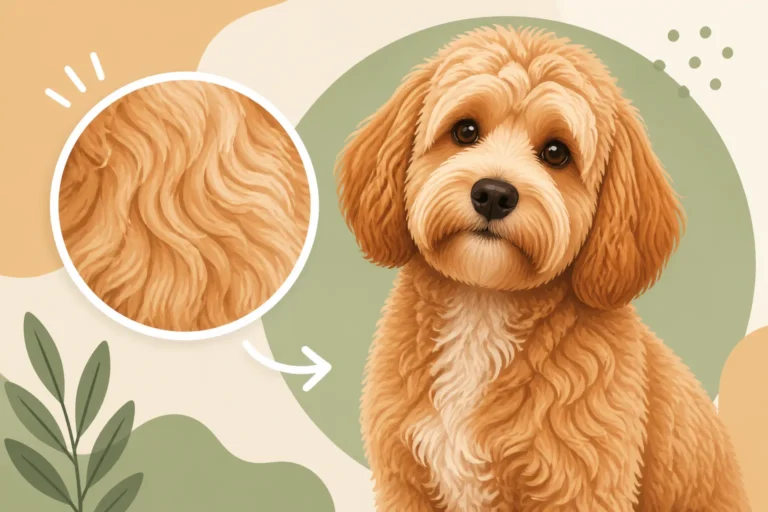
When you welcome a Cockapoo into your life, you quickly discover that their coat is a defining feature, and often, a defining challenge! Unlike many purebreds with predictable fur, the Cockapoo, being a hybrid of a Cocker Spaniel and a Poodle, inherits a delightful and sometimes bewildering mix of coat characteristics. This genetic lottery means that no two Cockapoos are exactly alike, and what works for one might be a disaster for another. Understanding these nuances is the very first step in choosing the right blade length, because you can't just pick a number off a chart without knowing what you're working with.
Decoding the Furnishings and Curl Genes
At the heart of your Cockapoo's coat lies a fascinating interplay of genetics, primarily the furnishings (F/f) and curl (KRT71) genes. The presence or absence of furnishings is what gives a Cockapoo that classic "doodle" look – the beard, mustache, and shaggy eyebrows that prevent them from looking like a smooth-faced spaniel. If your Cockapoo has two copies of the furnishing gene (FF), they'll have those wonderful facial furnishings and typically a non-shedding, Poodle-like coat. If they only have one copy (Ff), they'll still be furnished but might have a slightly straighter or more open coat. And if, by chance, they inherit two non-furnished genes (ff), they'll have an "improper coat" – a flatter, shedding coat more akin to a purebred Cocker Spaniel.
Beyond furnishings, the curl gene dictates just how wavy or curly your Cockapoo's coat will be. Some inherit a tight, dense Poodle curl, while others have a looser, wavier coat, and some even have a straighter, floppier spaniel-like coat. This spectrum means that grooming needs vary wildly. A tightly curled coat, for instance, might not shed much, but it's a magnet for mats, demanding rigorous daily brushing and often a shorter clip to stay manageable. A straighter, furnished coat might be a little easier to brush but could still tangle without regular attention. It's a lot to consider, and it definitely impacts how short or long you can realistically keep their coat without causing discomfort.
Navigating the Dreaded Coat Change
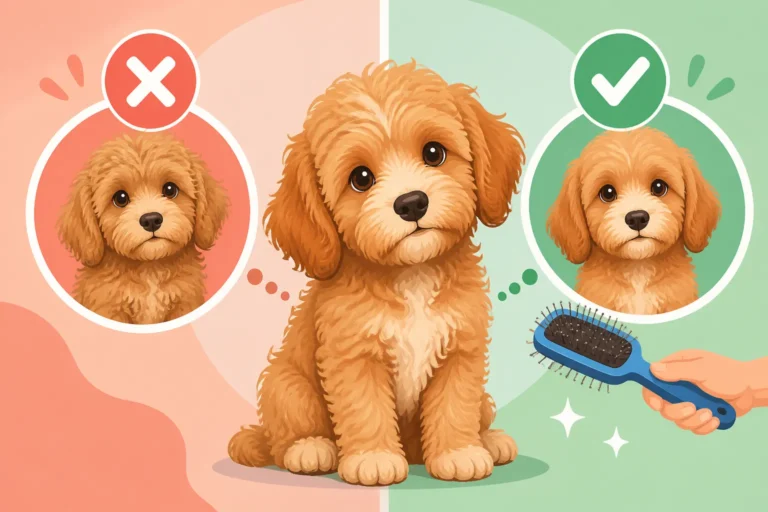
Just when you think you've got your puppy's grooming routine figured out, nature throws a curveball: the dreaded coat change. This phenomenon, often occurring between 6 and 18 months of age, is a right-of-passage for many Cockapoo owners, and it's notoriously challenging. During this period, your Cockapoo's soft, easy-to-manage puppy fluff begins to shed out, making way for their denser, more textured adult coat. The problem is, these two types of hair get hopelessly intertwined, creating mats that seem to appear overnight and bind right down to the skin.
Many first-time Cockapoo owners are caught completely off guard by the intensity of this coat change. What was once a quick brush-through becomes an hour-long battle with tangles, often resulting in frustration for both you and your pup. Groomers often see dogs come in during this phase with pelting (mats that have formed a dense, felt-like layer over the skin), which can be incredibly painful for the dog to remove. To prevent this severe discomfort, many experienced groomers will strongly recommend a shorter, more practical blade length during the coat change period. While you might dream of a long, flowing "teddy bear" look, going shorter temporarily is often the kindest and most sensible option to allow the adult coat to grow in without painful complications. It might not be the look you envisioned, but it saves your dog a lot of stress and discomfort, and it saves you a lot of heartache (and potentially high dematting fees!).
Key Considerations for Choosing Your Cockapoo's Blade Length
Choosing the right blade length isn't just about aesthetics; it's deeply tied to your Cockapoo's comfort, health, and your own lifestyle. There are several practical factors that should influence your decision, extending far beyond simply wanting your dog to look cute. Thinking through these points honestly will help you and your groomer make the best choice for your particular Cockapoo.
Lifestyle and Activity Level
Your Cockapoo's daily routine and activity level are huge determinants in how practical a longer coat will be. Do you have an adventurous Cockapoo who loves to explore the great outdoors, plunging into puddles, rolling in leaves, or romping through tall grasses and bushes at the dog park? If so, you already know the joy and mess that comes with it! For these active pups, a shorter, more manageable coat can be a true blessing. It picks up less debris, dries faster after a swim, and is significantly less prone to matting from friction and environmental elements. Imagine trying to brush burrs out of a long, curly coat every single day – it’s a time sink and often ends in frustration for everyone.
On the other hand, if your Cockapoo is more of a pampered city dweller, perhaps enjoying leash walks in manicured parks and spending most of their time indoors on soft blankets, a slightly longer coat might be a more viable option. Even then, regular brushing is non-negotiable. Consider how often you're able to commit to professional grooming appointments as well. If you can reliably get your dog to the groomer every 4-6 weeks, a longer style might be maintained. But if life gets busy and appointments stretch to 8-10 weeks, even a moderately long coat will likely become a matted mess, regardless of your dog's activity. Be realistic about the time you have; that sweet, fluffy look demands serious dedication.
Climate and Seasonal Changes
The weather where you live plays a significant role in your Cockapoo's comfort and coat health, and it's something many owners overlook when thinking about blade length. In regions with hot, humid summers, a shorter clip isn't just about looking neat – it can be a matter of preventing overheating and certain skin conditions. A dense, long coat can trap heat and moisture against the skin, creating a breeding ground for yeast or bacterial infections, especially in those deep armpits or groin areas. A shorter cut allows for better air circulation, helping your dog stay cooler and reducing the risk of skin irritations. However, it's worth noting that going too short can expose delicate pink skin to sunburn, so a sensible, practical length is always best.
Conversely, during colder winter months, a slightly longer coat can offer a degree of natural insulation. This doesn't mean letting it grow wild and untamed, though! Snow and ice can cling to longer fur, forming painful ice balls between paw pads and around the legs, and winter sweaters or coats can actually cause friction matting under the arms and along the back. Many owners find a good compromise is a slightly longer clip in autumn and winter for warmth, and then a shorter, breezier cut in spring and summer. It’s all about finding that happy medium that keeps your Cockapoo comfortable and healthy year-round, without creating extra work or discomfort.
Skin Health and Matting History
Perhaps the most crucial factor in determining blade length is your Cockapoo's underlying skin health and their history with matting. A healthy coat starts with healthy skin. If your Cockapoo is prone to allergies, hot spots, or other dermatological issues, a shorter blade length is often recommended by veterinarians and groomers alike. It allows you (and your vet) to easily inspect the skin for any redness, irritation, or parasites, and it helps medicated shampoos or topical treatments reach the skin more effectively. Keeping the coat shorter facilitates better air circulation, which can be vital in managing conditions like yeast infections that thrive in damp, covered environments.
Beyond medical concerns, your dog's history of matting is a huge indicator of what blade length will suit them. Let's be honest, mats are painful. They pull on the skin, restrict movement, and can hide infections, parasites, and even open wounds. If your Cockapoo consistently gets matted despite your best efforts at home brushing, forcing a longer style is simply unkind. A good groomer will always prioritize your dog's comfort and well-being over a particular aesthetic. If a dog is severely matted, the only humane option is often a very short shave-down. Preventing this by choosing a practical blade length that you can maintain between grooms is a responsible act of pet ownership. Don't be ashamed to opt for a shorter style if it keeps your Cockapoo happier and healthier; a comfortable dog is always the most beautiful dog.
A Guide to Common Grooming Blade Lengths for Cockapoos
When you talk to a groomer, you'll hear a lot of numbers and terms thrown around: #10, #7F, 1/2 inch, teddy bear cut. It can feel like a foreign language! Understanding what these different blade lengths actually mean and what kind of finish they create is key to confidently communicating your grooming preferences and ensuring your Cockapoo gets the haircut that suits them best.
Understanding Grooming Blade Numbers and Combs
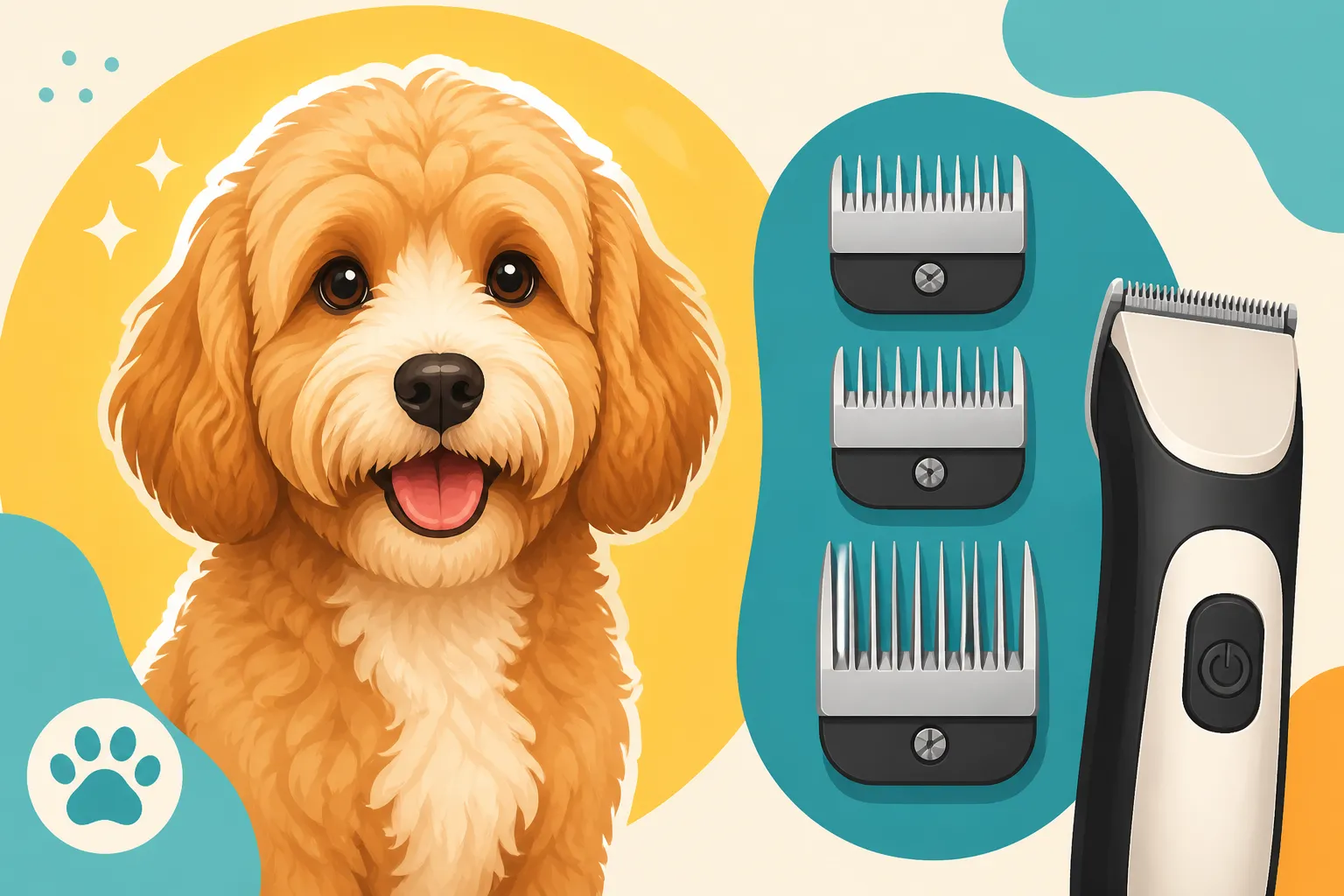
Grooming blades are typically designated by numbers, and generally, the smaller the number, the longer the hair left on the dog. For example, a #10 blade leaves significantly shorter hair than a #4F blade. The "F" often stands for "finish" or "full tooth," meaning these blades are designed to leave a smoother, more uniform cut compared to skip-tooth blades which can be used for dematting but aren't ideal for an all-over finish.
Beyond blades, groomers also use "snap-on combs" or "guard combs." These are plastic or metal attachments that fit over a very short blade (like a #30 or #40) and lift the hair before it's cut, allowing for much longer lengths. These are what create those fluffier, longer "teddy bear" looks. However, snap-on combs require the coat to be completely mat-free and thoroughly brushed out, as they cannot cut through tangles. If the coat isn't perfectly prepped, the comb won't glide through, and you'll end up with an uneven cut or, worse, pulling and discomfort for your dog. This is why many groomers prefer to use actual blades for shorter, more uniform cuts.
Here's a quick reference table for common blade lengths and their characteristics:
| Blade Length | Approx. Hair Left | Common Use/Look | Maintenance Level | Ideal For |
|---|---|---|---|---|
| #10 Blade | 1/16 inch (1.5 mm) | Very short, velvety close shave | Very Low | Sanitary trims, severely matted dogs, surgical preps, very hot climates. |
| #7F Blade | 1/8 inch (3.2 mm) | Short, smooth, velvety finish | Low | Active dogs, prone to matting, low maintenance, neat look. |
| #5F Blade | 1/4 inch (6.3 mm) | Moderately short, soft feel, neat appearance | Moderate | Good balance of fluff and practicality, easy to brush weekly. |
| #4F Blade | 3/8 inch (9.5 mm) | Longer, fluffier, soft texture | High | Fluffy appearance, cooler weather, requires diligent daily brushing. |
| Snap-On Comb | 1/2 inch to 1+ inch | "Teddy bear" look, very fluffy | Very High | Show pets, minimal activity, owners committed to daily, thorough brushing. |
Popular Blade Lengths and Their Outcomes
Let's dive a little deeper into what each popular blade length means for your Cockapoo.
-
The #10 Blade: Practicality for Sensitive Areas
The #10 blade is the shortest blade typically used on a dog's body, leaving the fur at a mere 1/16th of an inch. While not usually an all-over body choice for a fluffy Cockapoo (unless the dog is severely matted or has specific medical needs), it is absolutely essential for sanitary areas, paw pads, and armpits. Keeping these areas super short prevents urine and feces from accumulating, allows air circulation to prevent yeast infections, and reduces matting in high-friction zones. It’s critical for hygiene and health, even if the rest of your dog's coat is longer. -
The #7F Blade: The Workhorse for Active Cockapoos
Leaving about 1/8th of an inch of hair, the #7F blade creates a smooth, velvety finish. This is a fantastic choice for many Cockapoos, particularly those who are active, love to play outdoors, or are prone to matting. It's short enough to be incredibly easy to maintain, significantly reducing the likelihood of mats between grooming appointments, but long enough to still protect their skin. It gives a neat, tidy appearance that many owners appreciate for its practicality and the comfort it provides their dog. -
The #5F Blade: A Step Towards Fluff, Still Manageable
If you're looking for a bit more fluff than the #7F offers but still want a relatively low-maintenance cut, the #5F blade might be your sweet spot, leaving about 1/4 inch of hair. This length provides a soft, plush feel and a lovely, slightly fuller appearance. It's often a good choice for summer cuts where you want some protection from the sun but still want to keep your dog cool. You'll need to commit to more frequent brushing than with a #7F, but it's still quite forgiving if you miss a day or two. -
The #4F Blade: The Fluffy Dream (with a Catch)
At 3/8ths of an inch, the #4F blade gives a noticeably longer, fluffier look that starts to approach that classic "teddy bear" aesthetic many Cockapoo owners adore. This length truly highlights the soft, wavy texture of a well-maintained Cockapoo coat and provides more warmth in cooler weather. However, this is where maintenance really kicks into high gear. To prevent painful mats, a Cockapoo with a #4F cut absolutely requires daily, thorough line brushing with a good slicker brush and a metal comb. If you're not prepared for this daily commitment, this length can quickly turn into a matted nightmare. -
Snap-On Combs (1/2 inch to 1+ inch): The High-Maintenance "Teddy Bear"
For those who truly want the long, shaggy, "teddy bear" look, groomers will use snap-on combs. These can leave hair anywhere from half an inch to over an inch long. There's no denying how adorable this look is, but it comes with a significant caveat: it is extremely high maintenance. These longer lengths demand meticulous, daily brushing, often taking 30 minutes or more, focusing on line brushing right down to the skin to prevent any tangles from setting in. Even then, mats can form quickly, especially in high-friction areas or during the notorious coat change phase. If you opt for this length, be prepared to invest considerable time into brushing, or risk frequent trips to the groomer for dematting or a complete shave-down. Remember, The Weekly Hours Each Cockapoo Coat Type Takes can give you a real sense of the commitment involved.
Communicating with Your Groomer and At-Home Grooming Tips
Whether you rely on a professional groomer or tackle the clippers yourself, getting the desired blade length right requires clear communication and the right tools. It's not just about telling your groomer "a teddy bear cut" – because everyone's definition of that can be vastly different!
Talking to Your Professional Groomer
The key to a successful groom lies in honest and open communication with your groomer. Instead of just using vague terms like "fluffy" or "short," try to be specific. Bring photos of Cockapoos whose haircuts you admire, and point out what you like about them. Discuss your Cockapoo's lifestyle: are they an active adventurer or a pampered indoor companion? This helps your groomer understand the practicality needed. Most importantly, be honest about how much time you genuinely spend brushing your Cockapoo at home. A good groomer prioritizes your dog's comfort and skin health above all else. If you admit that daily brushing isn't feasible, they can recommend a practical blade length that will keep your dog comfortable and mat-free between appointments, even if it means going a little shorter than your initial aesthetic preference. They might even suggest a style that maintains some length on the legs and head, while keeping the body shorter.
Another crucial point is to discuss your grooming schedule. Consistency is vital for maintaining a particular coat length, especially longer styles. If you can commit to regular 4 to 6-week appointments, you'll have more flexibility in length. If appointments are infrequent, your groomer will likely advise a shorter, more forgiving cut to prevent matting and save your dog from discomfort. Remember, a professional groomer is a partner in your dog's well-being, and they have the experience to guide you. If you’re concerned about things like ear health, it’s a great opportunity to ask if Whether a Cockapoo Needs Its Ears Cultured or if Whether a Cockapoo's Ears Are Better Than a Cocker's plays into their recommendations.
Equipping Yourself for At-Home Grooming
For those brave souls who venture into at-home grooming, having the right tools is half the battle. Invest in a good quality set of clippers – it makes a huge difference in comfort for your dog and ease for you. You'll want a variety of blades, like a #10 for sanitary trims and paw pads, and perhaps a #7F or #5F for the body if you're starting out. Snap-on combs are great for longer looks, but remember they only work on perfectly brushed-out, mat-free hair. You can find excellent clippers, blades, and a wide array of grooming supplies from reputable retailers like Chewy or Amazon.
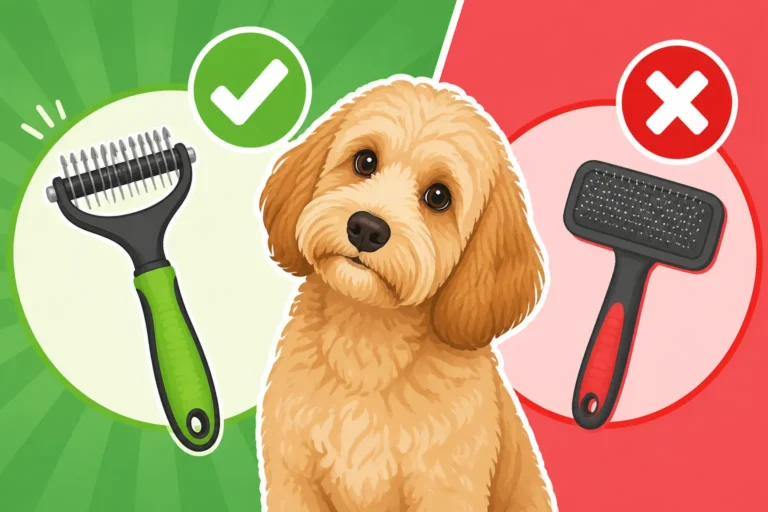
Beyond clippers, a high-quality slicker brush and a sturdy metal comb are non-negotiable. The slicker brush tackles surface tangles, but the metal comb is what truly gets down to the skin to ensure there are no hidden mats. If you're struggling to find those deep tangles, remember that The Comb That Finds Mats a Slicker Misses is often your best friend. Always start grooming with a clean, thoroughly brushed, and completely dry coat. Attempting to clip a dirty or damp coat will dull your blades quickly and can pull at your dog's hair, causing discomfort. Start slowly, in short sessions, and make it a positive experience with plenty of treats and praise. At-home grooming is a skill, and it takes practice, so don't be disheartened if your first few attempts aren't perfect. Focusing on basic hygiene and shorter, manageable lengths is a great starting point. If you want to dive deeper into the demands of each coat, understanding The Three Cockapoo Coat Types and Their Upkeep is a must. Remember that even if you shave your dog very short, Whether a Cockapoo's Coat Grows Back the Same is a common question, and usually, it does, though texture can sometimes change slightly. For those with curly-coated Cockapoos, knowing How Many Minutes a Curly Cockapoo Takes for grooming can help you set realistic expectations for your time investment. Finally, don't forget that nutrition plays a role in coat health, so consider looking into premium dog food brands like Ollie that focus on quality ingredients, which can reflect in a healthier, more manageable coat from the inside out.
Disclaimer
This article is for general informational purposes only and does not constitute professional advice. Laws, prices and regulations vary by location and change over time. Consult a qualified professional for guidance on your specific situation.