Whether a Flat Coated Cockapoo Has Fewer Skin Problems
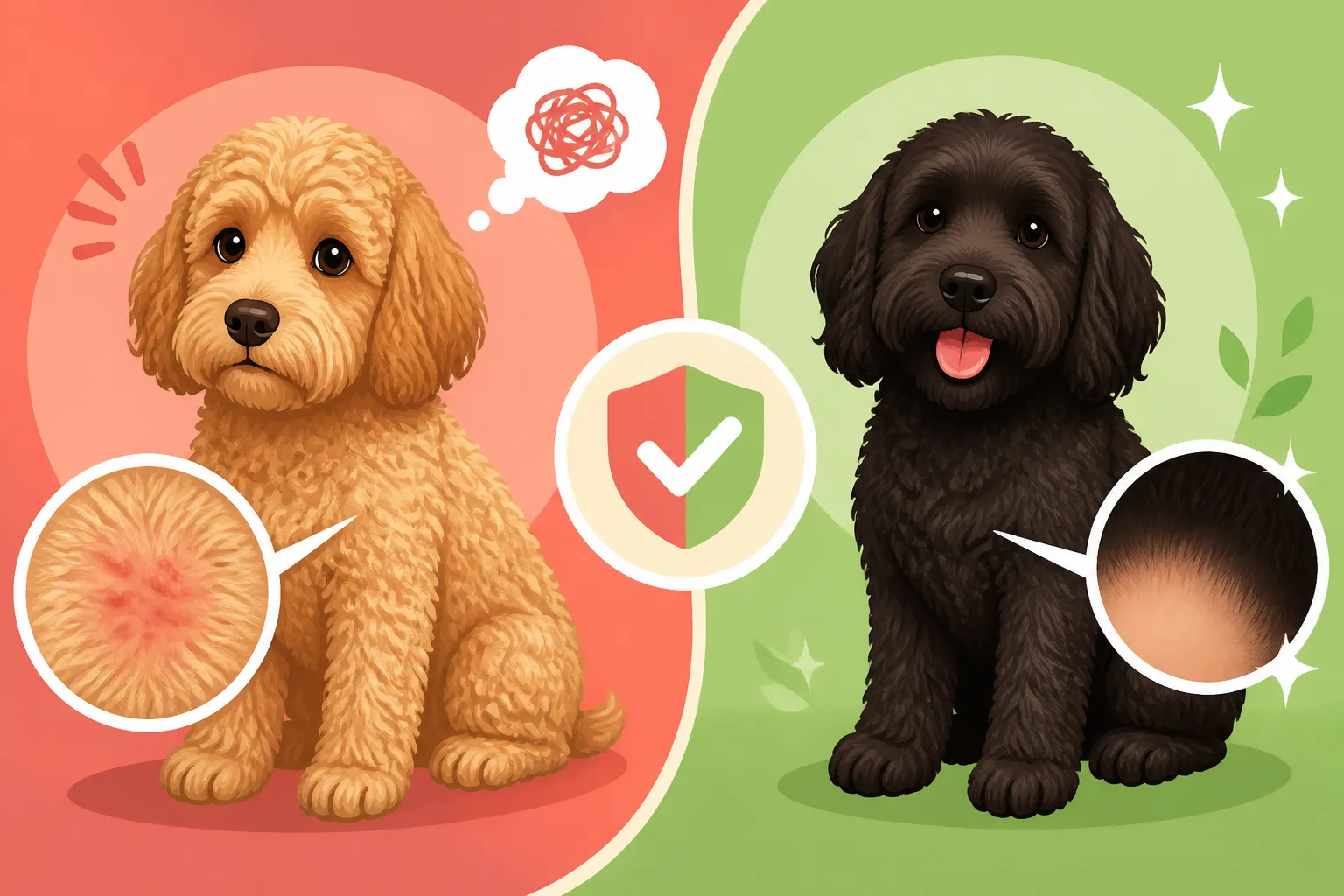
It's a common thought among Cockapoo owners, or those hoping to become one, that a flatter coat might save them from some of the notorious grooming challenges and, by extension, potential skin issues. Many people struggle with the constant matting and care needed for the curlier Cockapoo coats, so the idea of a flat coat feeling like a 'free pass' for skin health is completely understandable. But the truth is, while a flat-coated Cockapoo might avoid some specific problems linked to dense curl, it's not a guarantee of fewer skin woes overall. This guide will delve into why that is, exploring the unique skin and coat genetics of our beloved Cockapoos and what truly influences their dermatological well-being.
Understanding Cockapoo Coats and Skin Health
When we talk about Cockapoos, we're talking about a wonderful mix of two distinct breeds: the Cocker Spaniel and the Poodle. Both bring their own genetic legacies to the table, and that includes specific predispositions for skin and coat types. It's a fascinating, sometimes frustrating, blend that makes each Cockapoo unique.
The Genetic Lottery of the Cockapoo Coat
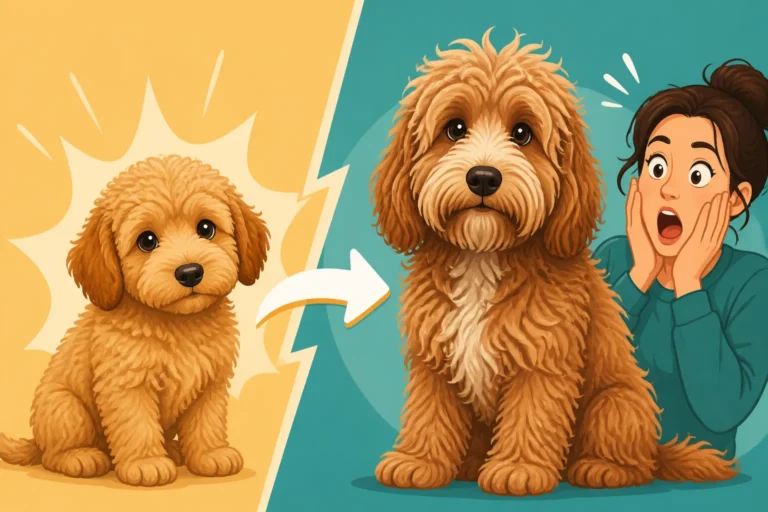
The Cockapoo's coat is a direct result of the genes inherited from its Cocker Spaniel and Poodle parents. The most significant gene here, particularly for shedding and the classic "doodle" look, is the "furnishings" gene (RSPO2). Furnishings are what give a dog facial hair like eyebrows, a mustache, and a beard, preventing the short-haired face you'd see on a purebred Cocker or Poodle. A Cockapoo needs at least one copy of this gene to have the typical low-shedding, furnished look.
However, not all Cockapoos inherit furnishings, and even among those that do, the degree of curl (determined by another gene, KRT71) can vary wildly. This is why you see everything from tight Poodle-like curls to loose waves, and yes, even flatter, straighter coats. A flat-coated Cockapoo often carries fewer copies of the curl gene or might have even missed out on the furnishings gene entirely, resulting in what's sometimes called an "improper coat." What an Improper Coated Cockapoo Looks Like This doesn't make them any less of a Cockapoo, but it certainly changes their grooming needs and, potentially, how their skin behaves. It's truly a genetic lottery, and it means that predicting a puppy's adult coat and its implications for skin health can be quite challenging without proper genetic testing by the breeder. Reading a Cockapoo Coat Report Before You Choose
Why Coat Type Matters for Skin Health
The texture and density of a dog's coat play a crucial role in the health of the skin underneath. Think of it like this: your skin feels different depending on the fabric you wear, right? A thick, wool sweater holds heat and moisture differently than a breathable linen shirt.
For a tightly curled or wavy Cockapoo, the dense coat can easily trap moisture against the skin if not properly dried after a bath or swim. This damp environment, combined with limited air circulation, can become a breeding ground for bacteria and yeast, leading to infections and skin irritation. Mats, a common plight for these coats, pull on the skin, causing pain, inflammation, and creating hidden pockets where infections can fester, sometimes even resulting in painful "hot spots."
A flat-coated Cockapoo, by contrast, generally has a less dense coat with more open air circulation. This can be an advantage in certain situations, as moisture might evaporate more readily, and the risk of severe matting, which pulls and irritates the skin, is significantly reduced. However, this doesn't mean their skin is immune to problems. They might still shed more than their curly counterparts, requiring different grooming attention, and they're still susceptible to the underlying skin issues that either parent breed might contribute. So, while one specific grooming headache might be lessened, others can certainly take its place.
The Flat Coated Cockapoo: A Closer Look at Skin Vulnerabilities
It's tempting to think that a flat-coated Cockapoo is a low-maintenance dream when it comes to grooming and skin, especially after hearing horror stories about matting. But let's be realistic – while they might skip some of the challenges of extreme curl, they introduce a few of their own, and certainly aren't immune to skin issues.
Fewer Mats, But Not Necessarily Fewer Problems
You might find that your flat-coated Cockapoo, particularly one with an "improper coat" that lacks furnishings, sheds more than the typical low-shedding Cockapoo. This might mean you're vacuuming more frequently, but you're likely spending less time battling stubborn mats. This is definitely a win for many owners! Less matting means fewer instances of skin being painfully pulled, less trapping of debris, and generally better air circulation in the densest areas where mats tend to form.
However, less matting doesn't automatically translate to pristine skin. For example, if a flat-coated Cockapoo sheds heavily, the shedding hair itself can sometimes contribute to irritation if not brushed out regularly. Dead hair can still trap dander and dirt close to the skin. And while moisture might evaporate more easily from a less dense coat, prolonged dampness – say, after a swim or a rainy walk – can still create a humid environment that bacteria and yeast absolutely adore. So, while you might avoid the matting drama, you're still on the hook for consistent grooming and vigilance.
Inherited Skin Tendencies from Parent Breeds
The truth is, both Cocker Spaniels and Poodles, the foundation breeds for our Cockapoos, can pass on specific skin predispositions, regardless of whether their offspring has a curly, wavy, or flat coat. It’s not just about the hair; it’s about the skin underneath.
Cocker Spaniels, for instance, are known to sometimes have issues with oily skin and sebaceous adenitis, a condition that can lead to flaky skin, lesions, and hair loss. If your flat-coated Cockapoo inherits this tendency, you might notice a distinct, sometimes slightly yeasty, smell even after a bath, or a coat that feels greasy at the roots. Whether a Cockapoo's Skin Is Greasy Like a Cocker's This often requires special medicated shampoos and careful management.
Poodles, on the other hand, can sometimes be prone to dry, flaky skin. This can manifest as dandruff or generalized itching, especially in drier climates or during certain seasons. So, a flat-coated Cockapoo inheriting this Poodle trait might experience uncomfortable dryness and scratching. Whether a Cockapoo Gets Dandruff
Beyond these specific conditions, both breeds can be prone to allergies, which manifest as itchy skin, redness, and recurring ear infections. Skin and Coat Disease in a Cockapoo So, while the absence of a tightly curled, mat-prone coat might make it easier to spot and treat some skin issues, it certainly doesn't prevent them from occurring in the first place. You might not have to shave out a huge mat, but you could still be dealing with chronic paw licking or ear woes.
Common Skin Issues Across All Cockapoo Coat Types
It's important to remember that many skin problems aren't exclusive to one coat type. Our Cockapoos, regardless of whether their fur is straight, wavy, or tightly curled, can face a range of dermatological challenges. Understanding these common culprits helps us provide the best care.
Allergies and Environmental Factors
Allergies are, sadly, a widespread issue in the canine world, and Cockapoos are certainly no exception. Both the Cocker Spaniel and Poodle lines can carry genetic predispositions to environmental allergies (atopy) or food sensitivities. What does this look like? Persistent itching, often around the face, paws, ears, and belly. You might notice your flat-coated Cockapoo licking its paws incessantly, rubbing its face on the carpet, or scratching behind its ears. Whether a Cockapoo Itches From the Cocker Side
This constant irritation can lead to secondary problems. When your dog scratches or licks excessively, they can break the skin barrier, allowing bacteria or yeast to take hold. This often results in "hot spots"—red, inflamed, painful lesions that appear suddenly and can spread rapidly. Even a flat coat can develop these if the underlying allergic itch is strong enough. Hot Spots on a Cockapoo That Has Been Swimming
Furthermore, chronic allergies often manifest as recurring ear infections. The long, floppy ears of a Cockapoo already create a warm, moist environment ripe for infection, and if allergies cause inflammation and excessive wax production in the ear canal, it's a perfect storm. So, while a flat coat might be easier to clean, it doesn't prevent the internal allergic reaction that leads to these uncomfortable and sometimes painful infections. Whether Ear Infections Mean a Cockapoo Has Allergies Managing allergies often involves a multi-pronged approach, including dietary changes, environmental controls, and sometimes medication prescribed by your vet.
Grooming Practices and Their Impact
Even with a flat coat, proper grooming remains absolutely critical for skin health. Many owners assume that because their Cockapoo's coat isn't prone to matting, they can slack off on brushing or bathing, and that's where problems can start.
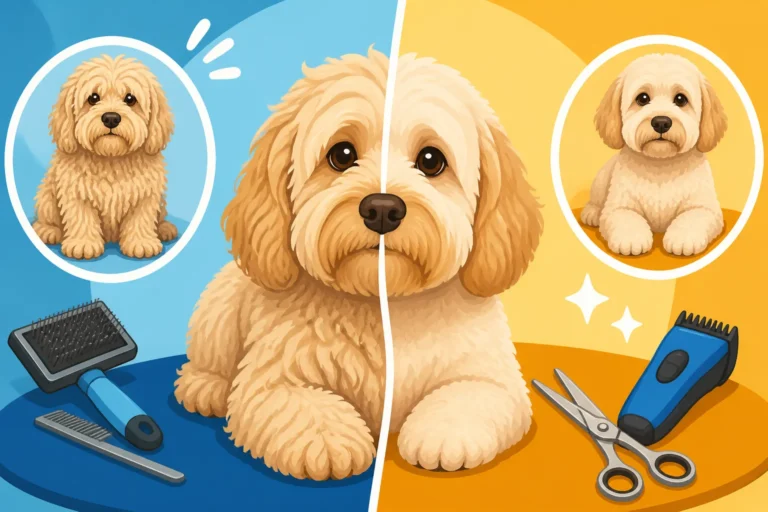
Firstly, regular brushing, even for a flat coat, helps to remove loose hair, dirt, and dander. This debris, if allowed to accumulate, can irritate the skin and block hair follicles, potentially leading to dullness or even minor skin infections. For flat-coated Cockapoos that shed, brushing helps to distribute natural skin oils and keeps the shedding manageable. Investing in a good quality brush, like a slicker brush for detangling and a bristle brush for finishing, is key. Many excellent grooming tools can be found on online retailers like Amazon.
Secondly, bathing routines are vital. While you don't want to over-bathe and strip natural oils, infrequent bathing can allow dirt, allergens, and excess oils to build up, leading to skin irritation and a greasy feel. When you do bathe your flat-coated Cockapoo, it's essential to use a dog-specific shampoo and conditioner that supports skin health. Brands available at places like Chewy often have excellent options for sensitive skin or those prone to dryness or oiliness. More importantly, always ensure your dog is thoroughly dried after a bath or a swim. Even in a flatter coat, dampness can linger close to the skin, creating an ideal environment for yeast and bacterial growth. Pay particular attention to the armpits, groin, and under the ears. Proper drying isn't just about avoiding a wet dog smell; it's a cornerstone of good skin hygiene.
Proactive Care for Your Flat Coated Cockapoo's Skin
Even if your Cockapoo has a lovely, easy-to-manage flat coat, being proactive about their skin health is one of the best things you can do as an owner. It's not just about reacting to problems; it's about setting them up for success from the get-go.
Nutrition and Supplements for Skin Health
What goes into your Cockapoo's body has a direct impact on the health of their skin and coat. A high-quality diet provides the essential nutrients—proteins, fats, vitamins, and minerals—that support a strong skin barrier and healthy hair follicles. Look for dog foods that list a named meat source (like chicken, lamb, or salmon) as the first ingredient and avoid excessive fillers or artificial additives.
Sometimes, even with a great diet, a little extra boost can make a difference. Omega-3 and Omega-6 fatty acids, found in supplements like fish oil, are renowned for their anti-inflammatory properties and their ability to promote healthy skin and a shiny coat. Many owners find these supplements incredibly beneficial for dogs prone to dry or itchy skin. You can find a wide range of reputable brands on Chewy or even through specialized pet food providers like Ollie, which focus on fresh, high-quality ingredients that often contribute positively to skin health. Before adding any supplements, though, it's always a good idea to chat with your veterinarian to ensure they're appropriate for your individual dog.
Regular Inspections and Vet Visits
Being observant is your superpower as a dog owner. Make it a habit to regularly inspect your flat-coated Cockapoo's skin, especially after grooming or bathing. Gently part their fur and look for any redness, rashes, bumps, scabs, excessive flakiness, or changes in color. Pay close attention to areas that might be less visible, like their armpits, groin, belly, and between their paw pads. Don't forget their ears—lift those adorable floppy ears and check inside for any redness, discharge, or unusual odor. Catching potential issues early can save a lot of discomfort and expense down the line.
Of course, regular veterinary check-ups are also crucial. Your vet can spot subtle signs of skin issues that you might miss and can offer professional advice and treatment options. They'll also perform routine screenings that contribute to overall health, which in turn impacts skin vitality. The Kidney and Eye Checks a Cockapoo Needs Yearly If you notice persistent itching, hair loss, a foul odor, or any skin changes that concern you, don't hesitate to book an appointment. Early intervention for issues like allergies or infections is key to preventing them from becoming chronic or more severe.
Grooming Routine for a Flat Coat
While a flat coat might be less demanding than a curly one, it still requires a consistent routine to keep the skin healthy and the coat in good condition.
Here’s a basic routine to consider for your flat-coated Cockapoo:
- Brushing: Aim for at least 2-3 times a week, or even daily if your dog is shedding. Use a good quality slicker brush to remove loose hair and stimulate the skin, followed by a comb to ensure there are no hidden tangles. For a flat-coated Cockapoo, this process might only take How Many Minutes a Straight Coated Cockapoo Takes, making it much quicker than for a curly counterpart.
- Bathing: Bathe your Cockapoo every 2-4 weeks, or as needed, using a gentle, moisturizing dog shampoo. If your dog has specific skin concerns (like oiliness or dryness), your vet might recommend a medicated shampoo. Always follow up with a light conditioner to help moisturize the skin and coat.
- Drying: This is non-negotiable! After bathing or swimming, thoroughly towel-dry your dog, then use a low-heat blow dryer, brushing as you go, to ensure every layer of the coat and the skin underneath is completely dry. This prevents moisture from being trapped against the skin.
- Ear Care: Regularly check and clean your Cockapoo's ears using a vet-approved ear cleaner. Plucking ear hair (if necessary) is a topic to discuss with your vet or groomer, as it's not always beneficial for all dogs.
- Paw Pad and Nail Care: Keep nails trimmed to prevent discomfort and splayed toes. Check paw pads for cracks, foreign objects, or irritation.
By integrating these practices, you'll be actively contributing to the overall health and comfort of your flat-coated Cockapoo, keeping those potential skin problems at bay.
Cockapoo Coat Types and Skin/Grooming Considerations
Here’s a quick overview of how different Cockapoo coat types typically compare regarding grooming effort and common skin considerations:
| Coat Type | Furnishings (Beard/Brows) | Shedding Level | Matting Tendency | Grooming Time (Weekly) | Common Skin Concern |
|---|---|---|---|---|---|
| Flat/Improper | Absent or minimal | Moderate to High | Low | Low (15-30 mins) | Seasonal dryness, irritation from shedding, environmental allergies |
| Wavy | Present | Low to Moderate | Moderate | Medium (30-60 mins) | Moisture trapping, occasional mats, environmental allergies |
| Curly/Poodle-like | Present | Very Low to None | High | High (60-120+ mins) | Mats leading to hot spots, moisture trapping, yeast/bacterial infections, environmental allergies |
Ultimately, while a flat-coated Cockapoo might present a somewhat different set of challenges compared to its curly counterparts, it's clear that skin health is a multifaceted issue influenced by genetics, diet, environment, and consistent care. Don't be fooled into thinking a flatter coat means no worries at all! Every Cockapoo deserves attentive observation and a proactive approach to their well-being. By understanding their unique needs and staying diligent, you can help your beloved companion enjoy a lifetime of comfort and healthy skin.
Disclaimer
This article is for general informational purposes only and does not constitute professional advice. Laws, prices and regulations vary by location and change over time. Consult a qualified professional for guidance on your specific situation.