Hot Spots on a Cockapoo That Has Been Swimming
Cockapoo hot spots caused by swimming, explaining how trapped moisture triggers skin lesions and how to treat them.
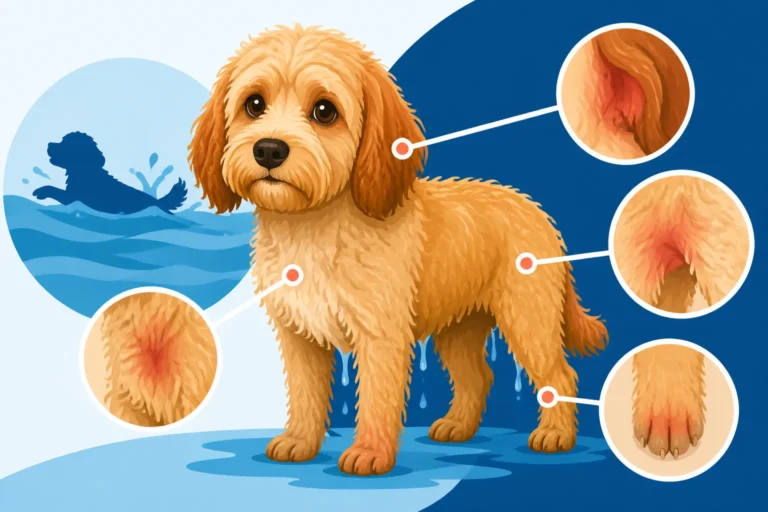
Cockapoo hot spots caused by swimming, explaining how trapped moisture triggers skin lesions and how to treat them.
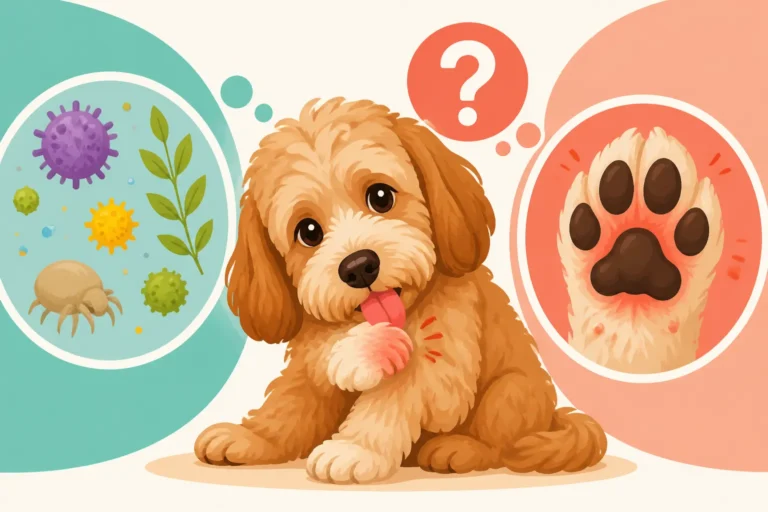
Atopic dermatitis in Cockapoos explains persistent paw licking, red skin, and secondary infections caused by environmental allergies.

Cockapoo allergy testing helps determine if environmental triggers and genetics cause chronic itching, skin problems, and ear infections.

Cockapoo patchy hair loss explanations cover parasites, allergies, bacterial skin infections, and when to seek professional help.
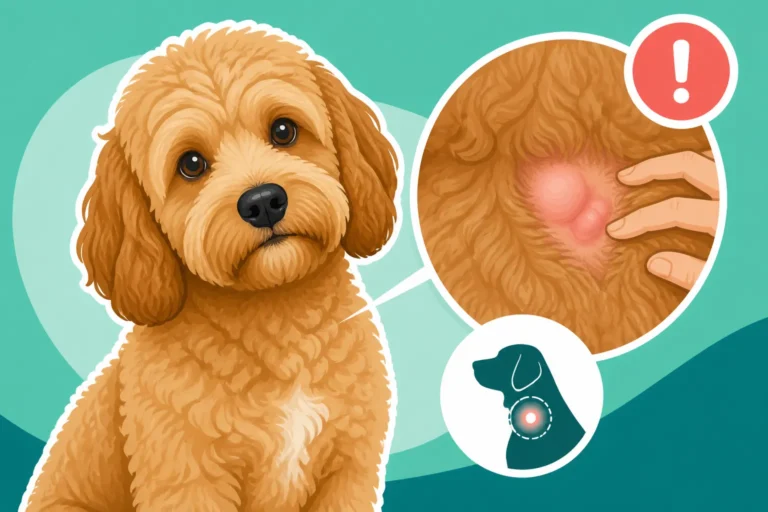
Sebaceous adenitis is an autoimmune skin disease destroying glands and hiding under curly Cockapoo coats, causing dry skin and hair loss.

Thyroid health issues in Cockapoos cause thinning coats and lower metabolism, explaining genetic risks and symptoms of canine hypothyroidism.

Managing hypothyroidism in a Cockapoo involves daily medication to restore normal hormone levels, energy, and coat health.
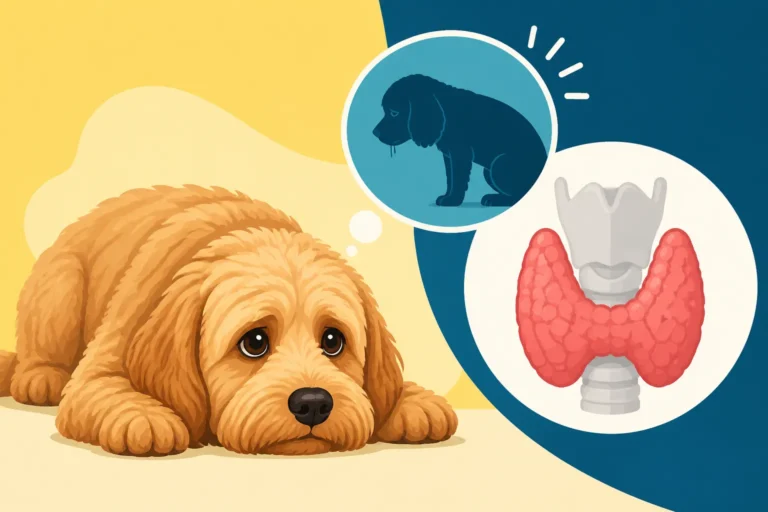
Hypothyroidism signs in Cockapoos include reduced energy, weight gain, and coat changes linked to genetic predispositions.

Daily life for an Addisonian Cockapoo involves lifelong medication, monthly injections, and vigilant monitoring by owners.

ACTH stimulation testing is the definitive veterinary diagnostic method used to confirm hypoadrenocorticism in a Cockapoo.