Whether an Epileptic Cockapoo Can Be Managed
Canine epilepsy in Cockapoos involves recurrent unprovoked seizures, often linked to genetics from Cocker Spaniels and Poodles.

Canine epilepsy in Cockapoos involves recurrent unprovoked seizures, often linked to genetics from Cocker Spaniels and Poodles.
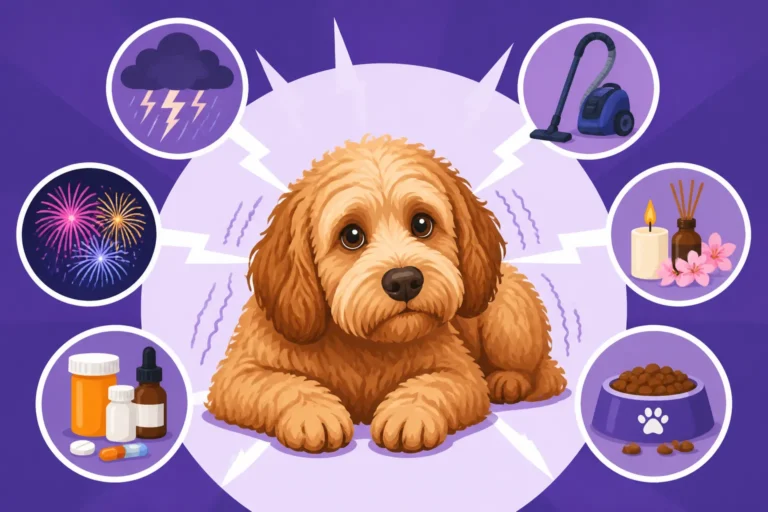
Cockapoo seizures stem from genetic idiopathic epilepsy, metabolic issues, brain tumors, infections, or toxins like low blood sugar.

Cockapoo seizure clustering, canine epilepsy types, and genetic lines are examined to help pet owners understand conditions.

Cockapoo ear cultures identify Staphylococcus, Pseudomonas, or Malassezia yeast infections caused by inherited floppy ears and canal hair.
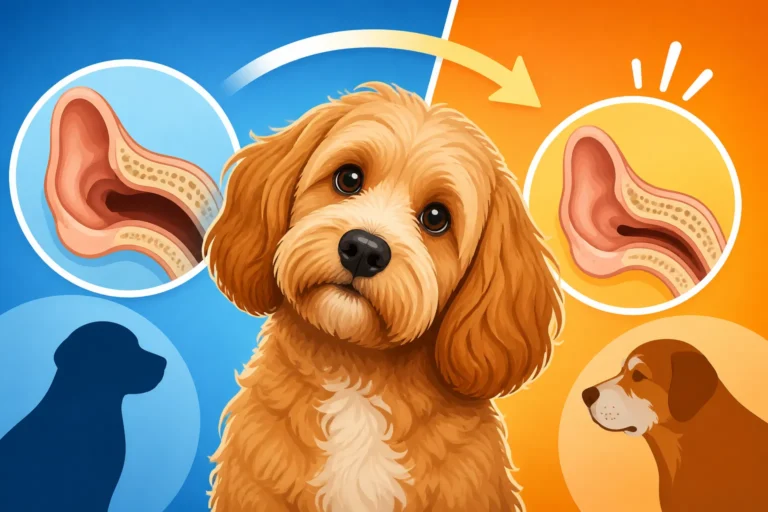
Cockapoo ear canal narrowing results from chronic inflammation and recurrent infections over time rather than aging itself.

Cockapoo ear genetics, Cocker Spaniel anatomy, and otitis externa risks compared by analyzing floppy ear structures and bacterial infections.
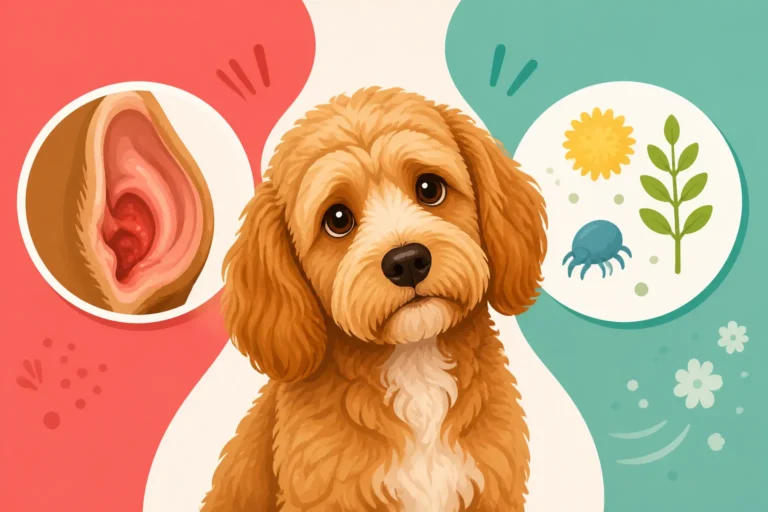
Cockapoo ear infections tied to underlying allergies, inherited physical traits, Malassezia yeast, and trapped moisture from floppy flaps.
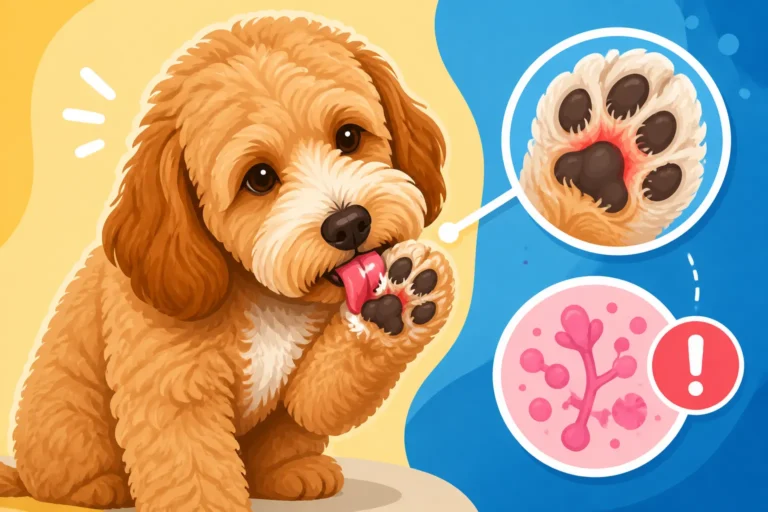
Cockapoo paw licking and yeast infections stem from allergies, genetics, and anxiety, explaining relief methods and causes.

Medicated baths help a Cockapoo suffering from oily skin, yeast, and red patches to soothe inflammation and restore coat health.

Cockapoo hybrid coats, oily skin, and floppy ears trap moisture and bacteria, causing lingering odors after a bath.