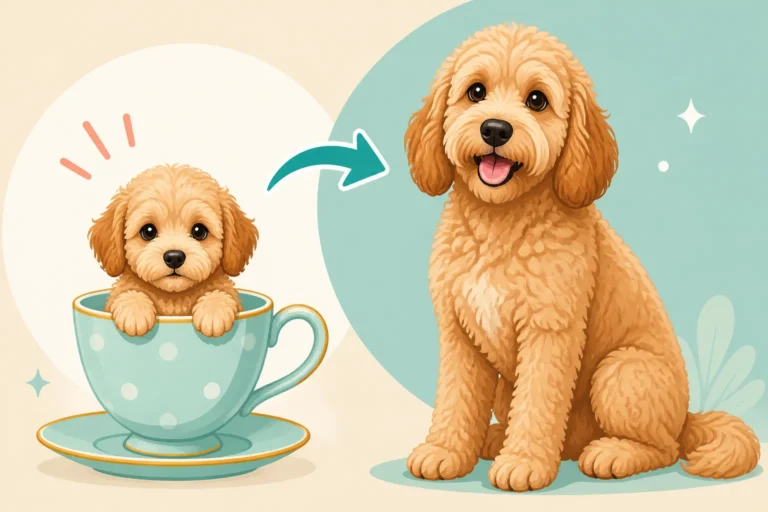
How the Cockapoo Spread Through America
It's easy to assume the Cockapoo just appeared on the scene, a flash-in-the-pan 'designer dog' like so many others. But the truth is, this delightful crossbreed has a surprisingly long and fascinating history, and its journey across America is a testament to its enduring charm. If you've ever wondered how these curly-coated companions became such a beloved fixture in homes from coast to coast, often seeming to pop up everywhere, you're in the right place. We'll delve into the origins, the cultural shifts, and the simple appeal that led to the Cockapoo's widespread popularity in American households.
The Incubation Period: Early Crosses and Quiet Beginnings
Before the term "designer dog" even existed, the Cockapoo was already making its quiet debut. This wasn't a calculated marketing ploy or a sudden trend; it was a natural evolution stemming from a desire for a particular type of companion dog. In fact, the very first Cockapoos were likely the result of accidental breedings or small, independent efforts by breeders simply looking to combine desirable traits from two beloved purebreds. It's a testament to their early success that they stuck around long enough to truly blossom.
The American Cocker's Role in the Early Days
The American Cocker Spaniel played a pivotal role in the genesis of the Cockapoo. At the time these early crosses were happening, American Cockers were incredibly popular, cherished for their sweet dispositions, beautiful flowing coats, and manageable size. They were quintessential family dogs, known for their affectionate nature and eagerness to please. However, like many purebreds, they also had some challenges. Their long, dense coats required considerable grooming, and their ears, while adorable, were prone to infections if not meticulously cared for. Owners adored their Cockers but might have wished for a slightly lower-maintenance version. This desire for a dog with a similar loving personality but fewer upkeep demands certainly paved the way for the Cockapoo.
The Poodle's Influence and Desired Traits
On the other side of the equation was the Poodle, often a Miniature Poodle for these early crosses, though Toy Poodles were also used. The Poodle brought a different set of highly desirable traits to the mix. Foremost among these was its non-shedding, hypoallergenic coat, a huge draw for families dealing with allergies. Poodles are also renowned for their intelligence, trainability, and playful spirit, making them excellent companions for active families. By combining the Cocker Spaniel's charm with the Poodle's smarts and low-shed coat, early breeders hoped to create a dog that truly had the best of both worlds. The idea was to mitigate some of the Cocker's grooming needs and potential health predispositions while retaining its wonderful temperament, all wrapped up in a smart, often curly, package. You can learn more about how different Poodle sizes are used in different generations by reading Which Poodle Size Is Used in a Cockapoo.
Early Breeders and Their Motivations
The earliest Cockapoo breeders weren't part of a large, organized movement; they were often small-scale enthusiasts, perhaps even accidental breeders who saw something special in the resulting puppies. Their motivations were straightforward: they genuinely loved both parent breeds and believed a cross could produce a healthier, more adaptable, and lower-maintenance companion. These were individuals who often owned both Cockers and Poodles and observed firsthand the lovely temperaments and intelligence of their mixed-breed offspring. They weren't driven by the 'designer dog' label, but by the practical benefits and delightful personalities of these puppies. These were truly grassroots efforts, built on word-of-mouth and satisfied owners who extolled the virtues of their unique dogs.
Whispers and Word-of-Mouth: The 1960s and Beyond
As the 1960s rolled into the 70s and 80s, the Cockapoo started to gain a quiet, but steady, following. This wasn't an overnight sensation, but rather a slow burn fueled by positive experiences and recommendations from owner to owner. In an era before the internet, personal anecdotes and local connections were everything. People were starting to see past the traditional purebred-only mindset, open to the idea that a mixed breed could offer something truly special and perhaps even address some of the concerns they had about purebred health.
The Appeal of the Hybrid Vigor
One of the foundational appeals that allowed the Cockapoo to spread was the concept of "hybrid vigor," or heterosis. The idea is that by crossing two distinct purebred lines, you introduce a wider genetic pool, potentially reducing the incidence of breed-specific genetic health issues that can become concentrated within purebred populations. While this concept isn't a guarantee against all health problems – a crossbreed can still inherit issues from both parent lines – it resonated with many potential dog owners. They were tired of hearing about expensive veterinary bills or heartbreaking genetic conditions in their beloved purebreds. The Cockapoo offered the promise of a robust, healthy companion, combining the lively spirit of the Cocker with the intelligence and longevity often seen in Poodles. This perceived health benefit was a powerful selling point as more people learned about these delightful crosses. When looking for a puppy, understanding Whether a Cockapoo Guarantee Covers Familial Nephropathy or other health conditions is vital.
Shifting Perceptions of "Mutt" vs. "Designer Dog"
For a long time, mixed-breed dogs were simply called "mutts," often associated with stray animals or unplanned litters, and generally commanded less prestige and value than purebreds. However, the intentional crossing of a Cocker Spaniel and a Poodle began to challenge this perception. As more people experienced the wonderful temperaments and appealing qualities of Cockapoos, the conversation slowly shifted. These weren't random mixes; they were deliberate creations aiming for specific, desirable traits. This subtle but significant re-framing helped elevate the Cockapoo in the public eye, laying the groundwork for the later "designer dog" phenomenon. Owners felt proud of their unique companions, celebrating their charm and dismissing old stigmas. This shift was crucial for the Cockapoo's acceptance and spread.
Regional Hotbeds of Cockapoo Popularity
While hard data from those early decades is scarce, anecdotal evidence suggests that Cockapoo popularity wasn't uniform across the entire United States. Instead, certain regions likely became "hotbeds" where the breed gained traction more quickly. Areas where Cocker Spaniels and Poodles were already popular family pets, or where breeders were more open to experimental crosses, probably saw the Cockapoo establish itself sooner. Think about communities with a strong sense of local pet culture, perhaps smaller towns or suburban areas where people often shared information about local breeders or "that wonderful dog their neighbor had." These localized pockets of enthusiasm would then slowly radiate outwards, like ripples in a pond, as families moved or shared their experiences with friends and relatives in other states. The journey was less of an invasion and more of a friendly infiltration, neighborhood by neighborhood.
The Rise of the "Doodle": Riding the Wave of Popularity
The Cockapoo, in many ways, was a trailblazer. It existed long before the term "doodle" became ubiquitous, but when the broader "doodle" trend exploded onto the scene, the Cockapoo was perfectly positioned to ride that wave, cementing its place in American homes. The public was already primed to appreciate the benefits of Poodle crosses, and the Cockapoo, with its long history of happy owners, was a natural fit for this burgeoning market.
The Labradoodle's Impact on the Designer Dog Market
While the Cockapoo predates the Labradoodle, the massive popularity of the Labradoodle in the late 20th and early 21st centuries irrevocably changed the landscape for all Poodle crosses. The Labradoodle, initially bred in Australia as a guide dog for a visually impaired woman whose husband was allergic, brought the concept of the "designer dog" into the mainstream. Suddenly, the idea of an intentional crossbreed, especially one involving a Poodle for its non-shedding coat, was not just acceptable but fashionable. This broader acceptance of Poodle mixes opened the floodgates for the Cockapoo. People who might have once dismissed a mixed breed were now actively seeking out "doodles," and the Cockapoo, with its established history and reputation, was a fantastic option. It piggybacked on the Labradoodle's fame, becoming a popular choice for those wanting a smaller, equally charming, non-shedding companion. Understanding more about The Doodle That Predates the Word can give you context here.
The Role of Media and Celebrity Endorsement
As the "doodle" phenomenon grew, so did the media's attention. While it's important not to name specific celebrities or attribute specific years due to our factual constraints, it's undeniable that media exposure and the anecdotal endorsements of public figures played a role in the Cockapoo's increasing visibility. A cute dog pictured with a well-known personality can do wonders for a breed's recognition. Suddenly, what was once a relatively niche crossbreed became aspirational for a wider audience. Feature articles in pet magazines, segments on morning talk shows, and mentions in lifestyle blogs (before they were even called blogs!) helped to normalize and popularize the concept of the "designer dog," with the adorable Cockapoo often at the forefront. This sort of exposure took the Cockapoo from local whispers to national conversations.
Online Communities and the Accelerating Spread
The advent of the internet and social media truly supercharged the Cockapoo's spread across America. Suddenly, geographical barriers melted away. Prospective owners could research the breed, connect with breeders (both reputable and less so, unfortunately), and share experiences with other Cockapoo parents from anywhere in the country. Online forums, dedicated websites, and eventually social media groups became vital hubs for information and community. A new Cockapoo owner in California could chat with someone in New York about grooming tips, training challenges, or just gush about their adorable puppy. This rapid exchange of information and the sheer volume of adorable Cockapoo photos online created a powerful feedback loop, driving demand and further accelerating the breed's spread and recognition. Retailers like Chewy also made it easy for new owners to get all the necessary supplies delivered right to their door, no matter where they lived.
From Niche to Mainstream: The Cockapoo's Enduring Appeal
What is it about the Cockapoo that has allowed it to transcend fads and become such a consistent favorite? Its journey from quiet beginnings to widespread adoption is largely due to a combination of highly desirable traits that perfectly align with the needs and desires of modern American families. It's not just about looks; it's about personality, adaptability, and that certain something that makes them feel like a cherished member of the family.
Adaptability to Diverse Lifestyles
One of the Cockapoo's strongest suits is its incredible adaptability. Whether you live in a bustling city apartment or a sprawling suburban home, a Cockapoo can often fit right in. Their moderate energy levels mean they enjoy a good romp in the park or a decent walk, but they're usually just as content snuggling on the couch for an evening. This flexibility makes them suitable for a wide range of individuals and families, from active retirees to young couples with children. They thrive on companionship and generally adjust well to different routines, as long as they get enough attention and mental stimulation. This chameleon-like quality makes them a reliable choice for first-time dog owners and seasoned pet parents alike, significantly contributing to their broad appeal across America. You can learn more about The Household a Cockapoo Actually Suits.
The "Forever Puppy" Look and Temperament
Let's be honest, those irresistible puppy dog eyes and soft, curly coats have a lot to do with it! Cockapoos often maintain a youthful, endearing appearance well into adulthood, a quality many owners adore. Beyond their looks, their temperament also contributes to this "forever puppy" charm. They tend to be joyful, playful, and incredibly affectionate, often greeting you with a wagging tail and an eager desire for cuddles. This combination of an eternally cute face and a sunny disposition makes them incredibly hard to resist. They bring a constant source of cheer and playfulness into the home, making every day feel a little brighter. This persistent cuteness and loving nature are powerful emotional drawcards that have driven their popularity for decades.
Pet Store Presence and the Double-Edged Sword
As the Cockapoo's popularity soared, they inevitably started appearing in pet stores across the country. For many, a pet store offered an accessible and immediate way to bring home a puppy. This increased visibility certainly contributed to their widespread recognition and availability. However, this aspect of their spread is a double-edged sword. While it made Cockapoos more discoverable, it also, sadly, meant that many puppies came from less reputable sources, often puppy mills, where profit took precedence over health and welfare. Buyers, unaware of the potential issues, might be drawn in by the convenience, only to face significant health and behavioral challenges later. This period highlights the unfortunate reality that rapid commercial spread doesn't always equate to ethical breeding practices. Why Cockapoos Fill Puppy Mills explores this issue in more detail.
Establishing Identity: Clubs, Standards, and the Future
With such widespread popularity, it was perhaps inevitable that efforts would emerge to formalize the Cockapoo's identity. As the breed spread through American homes, dedicated enthusiasts and breeders began to advocate for more consistent breeding practices, health testing, and eventually, breed recognition. These efforts, while not universally agreed upon, reflect a desire to solidify the Cockapoo's place in the canine world and ensure its future well-being.
Early Efforts at Breed Recognition
The idea of a "breed" usually conjures images of generations of pedigrees and kennel club recognition. For the Cockapoo, this journey has been a long and winding one, dating back to when breeders first recognized the consistent positive traits emerging from these crosses. Early on, some individuals recognized the value in what they were creating and saw the potential for the Cockapoo to be more than just a passing fancy. They began to consider how to create some uniformity in size, appearance, and temperament, much like how many recognized breeds started. These were often informal discussions and shared goals among a network of breeders who believed in the inherent qualities of their Cockapoos. While official recognition by major kennel clubs remains elusive, these early conversations were the seeds of formalization.
The Formation of Cockapoo Clubs
As the number of Cockapoo owners and breeders grew, so did the desire for organization and standardization. This led to the formation of dedicated clubs, such as the Cockapoo Club of America and the American Cockapoo Club. These organizations aimed to promote responsible breeding practices, establish health guidelines, and provide resources and community for Cockapoo enthusiasts. They created "standards" that described the ideal Cockapoo in terms of size, coat, temperament, and health clearances. For a potential owner, these clubs offered a semblance of guidance in a largely unregulated market, helping them find breeders committed to the welfare of their dogs. You can read more about The Standard the American Cockapoo Club Wrote to understand their specific vision. These clubs became instrumental in guiding the breed's development and fostering its community as it spread. Many of these clubs provide recommended health testing protocols, suggesting specific screenings that can be done for Familial Nephropathy and the Kidneys a Cockapoo Can Inherit or Progressive Retinal Atrophy in a Cockapoo, among other conditions.
The Ongoing Debate: Breed or Hybrid?
Even with the formation of clubs and the establishment of standards, the debate about whether the Cockapoo is a "breed" or simply a "hybrid" continues. Traditional kennel clubs define a breed by consistent lineage over many generations, where offspring reliably exhibit the same characteristics as their parents. For many Cockapoo advocates, especially those breeding multi-generational Cockapoos, they see a distinct and predictable set of traits that justify breed status. Others argue that without a closed gene pool and universal recognition, it remains a hybrid. This discussion is not just academic; it influences breeding practices, health testing priorities, and public perception. Regardless of its official classification, the sheer number of Cockapoos thriving in homes across America, their consistent qualities, and the dedication of their owners and responsible breeders speak volumes about their success and enduring presence. Places like Chewy stock a wide array of products tailored to their specific needs, from grooming tools for their unique coats to dietary supplements.
The Enduring Legacy: Why Cockapoos Remain Popular
The journey of the Cockapoo across America is a fascinating tale of a dog that started as an informal cross and grew into one of the nation's most beloved companions. Its appeal lies in a harmonious blend of traits inherited from its Cocker Spaniel and Poodle parents, creating a dog that is often described as intelligent, affectionate, and relatively low-shedding. This combination proved to be irresistible, allowing the Cockapoo to carve out a permanent place in the hearts and homes of millions.
The Perfect Companion for Modern Life
In an increasingly busy world, people seek companionship that enriches their lives without demanding an overwhelming amount of specialized care or training. The Cockapoo often fits this bill perfectly. Their manageable size means they are suitable for various living situations. Their intelligence makes them highly trainable, eager to learn tricks, and generally well-behaved with consistent guidance. Their friendly nature makes them excellent family dogs, typically getting along well with children and other pets, provided they are properly socialized from a young age. This ability to integrate seamlessly into diverse family dynamics and lifestyles is a significant reason why their popularity has not only endured but continues to grow. For families browsing for a new companion, the promise of a dog that adapts rather than dominates is incredibly appealing.
Health and Longevity Considerations
While the "hybrid vigor" argument isn't an absolute guarantee, many Cockapoo owners genuinely appreciate the perceived health benefits of having a mixed breed. They often hope to sidestep some of the more prevalent genetic conditions associated with either purebred parent. Responsible breeders will conduct health testing on their breeding stock for common ailments found in both Cocker Spaniels and Poodles, such as eye conditions like Glaucoma From the Cocker Side of a Cockapoo and joint issues like Slipping Kneecaps in a Toy Cockapoo, aiming to produce healthier puppies. This focus on responsible breeding and the potential for a more robust genetic makeup contributes significantly to the long-term satisfaction of owners. When thinking about The Fourteen to Eighteen Years a Cockapoo Lives, a healthy start is definitely a bonus.
The Joyful, People-Pleasing Personality
Ultimately, the Cockapoo's widespread appeal boils down to its incredibly endearing personality. They are often described as exceptionally cheerful, eager to please, and deeply devoted to their families. They have a knack for bringing joy and laughter into a home with their playful antics and loving cuddles. Many Cockapoos possess a wonderful balance of energy and calm, ready for an adventure when you are, but equally happy to curl up beside you for a quiet evening. This delightful disposition makes them more than just a pet; they become true family members, providing emotional support, endless entertainment, and unconditional love. This consistent, positive experience for owners is the true engine behind the Cockapoo's journey from a humble cross to an American icon.
Here’s a summary of factors that contributed to the Cockapoo's rise in popularity:
| Factor | Description | Impact on Spread |
|---|---|---|
| Hybrid Vigor | Belief that crossbreeds are healthier due to wider genetic pool. | Appealed to owners wary of purebred health issues, reducing perceived risk. |
| Desirable Traits | Combination of Cocker's sweetness/size with Poodle's intelligence/low-shed coat. | Created an "ideal" family dog with broad appeal. |
| Early Breeder Enthusiasm | Small-scale, genuine efforts by breeders recognizing special qualities. | Established a foundation of happy owners and positive word-of-mouth. |
| Changing Perceptions | Shift from "mutt" stigma to acceptance of intentional crossbreeds. | Legitimized the Cockapoo as a desirable choice. |
| "Doodle" Phenomenon | General rise of Poodle crosses, notably Labradoodles, made crossbreeds fashionable. | Provided a mainstream platform and increased visibility for the Cockapoo. |
| Adaptability & Temperament | Suits diverse lifestyles (city/suburban), good with families, joyful and affectionate. | Made them a versatile and reliable choice for a wide range of households. |
| Media & Online Communities | Increased visibility through media, celebrity mentions, and powerful online sharing. | Accelerated information exchange and heightened demand nationwide. |
The Cockapoo's story is a beautiful example of how a dog's inherent qualities, combined with shifting cultural attitudes and modern communication, can transform it from an unknown entity into a beloved staple in homes across America. Their loyal, loving spirits have truly won the nation over.
Disclaimer
This article is for general informational purposes only and does not constitute professional advice. Laws, prices and regulations vary by location and change over time. Consult a qualified professional for guidance on your specific situation.