Whether a Cockapoo Growls Over a Toy
It can be incredibly frustrating, and honestly a little scary, when your sweet Cockapoo suddenly turns into a growling, teeth-baring guard dog over something as innocent as a favorite squeaky toy. You probably brought them home picturing endless cuddles and gentle play, not a tense standoff over a chew stick. Many Cockapoo owners find themselves bewildered by this behavior, wondering if it's normal or a sign of something more serious. This guide is here to shed light on why your Cockapoo might growl over toys, how to interpret their warning signs, and practical, empathetic ways to manage and prevent this resource guarding behavior.
Understanding Resource Guarding in Cockapoos
When a Cockapoo growls over a toy, they're not necessarily being "mean" or "disobedient." They're communicating, in their canine way, a deep-seated instinct known as resource guarding. It's a behavior rooted in survival, a way for dogs to protect valuable items from perceived threats.
What is Resource Guarding?
At its core, resource guarding is a dog's natural inclination to protect something they deem valuable – be it food, a favorite sleeping spot, a person, or in this case, a toy – from other individuals, whether human or animal. From your Cockapoo's perspective, that toy isn't just a plaything; it's a prized possession that they feel compelled to keep safe. This isn't unique to any one breed; it's a spectrum of behavior seen in dogs across the board, from the tiniest Chihuahua to the largest Great Dane.
It’s often a subtle dance of communication before it escalates to a full-blown growl. Your dog might stiffen, lower their head, or quickly move their body to cover the item. These are all subtle ways they might be saying, "This is mine, please back off." Ignoring these initial signals can sometimes lead to a more overt display like a growl, which is their way of saying, "I've tried telling you politely, now I'm being clearer." Understanding these nuanced communications is key to not making the situation worse.
It's also important to remember that resource guarding isn't always about aggression in the human sense. For a dog, it's often about avoiding a confrontation. By displaying warning signs, they're hoping to deter you or another dog from approaching the valued item, thus preventing a potential conflict. If their warnings are ignored, they might feel forced to escalate, not because they want to fight, but because they believe their safety, and the safety of their prized possession, is at stake.
Why Do Cockapoos Resource Guard Toys?
Cockapoos, being a hybrid of Cocker Spaniels and Poodles, inherit traits from both parent breeds that can contribute to resource guarding. Cocker Spaniels are known for their strong retrieving drive and sometimes a tendency towards possession, especially with items they've "found" or claimed. Poodles are highly intelligent and can also develop strong attachments to their belongings.
Past experiences can also play a huge role. If your Cockapoo was once in an environment where resources were scarce, or they had to compete with other dogs for toys, food, or attention, they might be more prone to guarding. Even seemingly innocuous interactions, like a child repeatedly snatching a toy away without offering a trade, can inadvertently teach a dog that they need to guard their possessions. It creates a sense of unpredictability and insecurity around their valued items, leading them to be more vigilant.
Sometimes, it's simply a lack of understanding on our part. We might think a dog is being "naughty" for growling, but they are literally speaking their mind in the only way they know how. For example, if you've ever played a game of "keep away" with a toy, unknowingly you might have reinforced the idea that toys are something to be guarded and not shared. The key is to shift their perception from "I must protect this" to "good things happen when a human approaches my toy."
The Difference Between Play Growls and Warning Growls
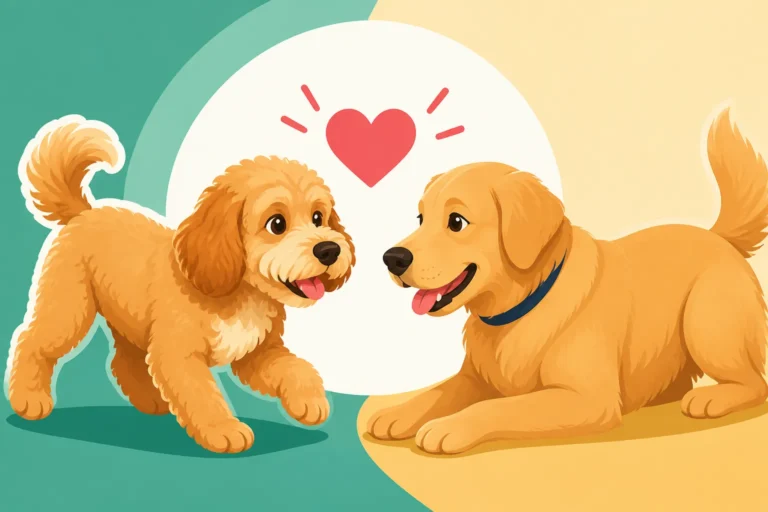
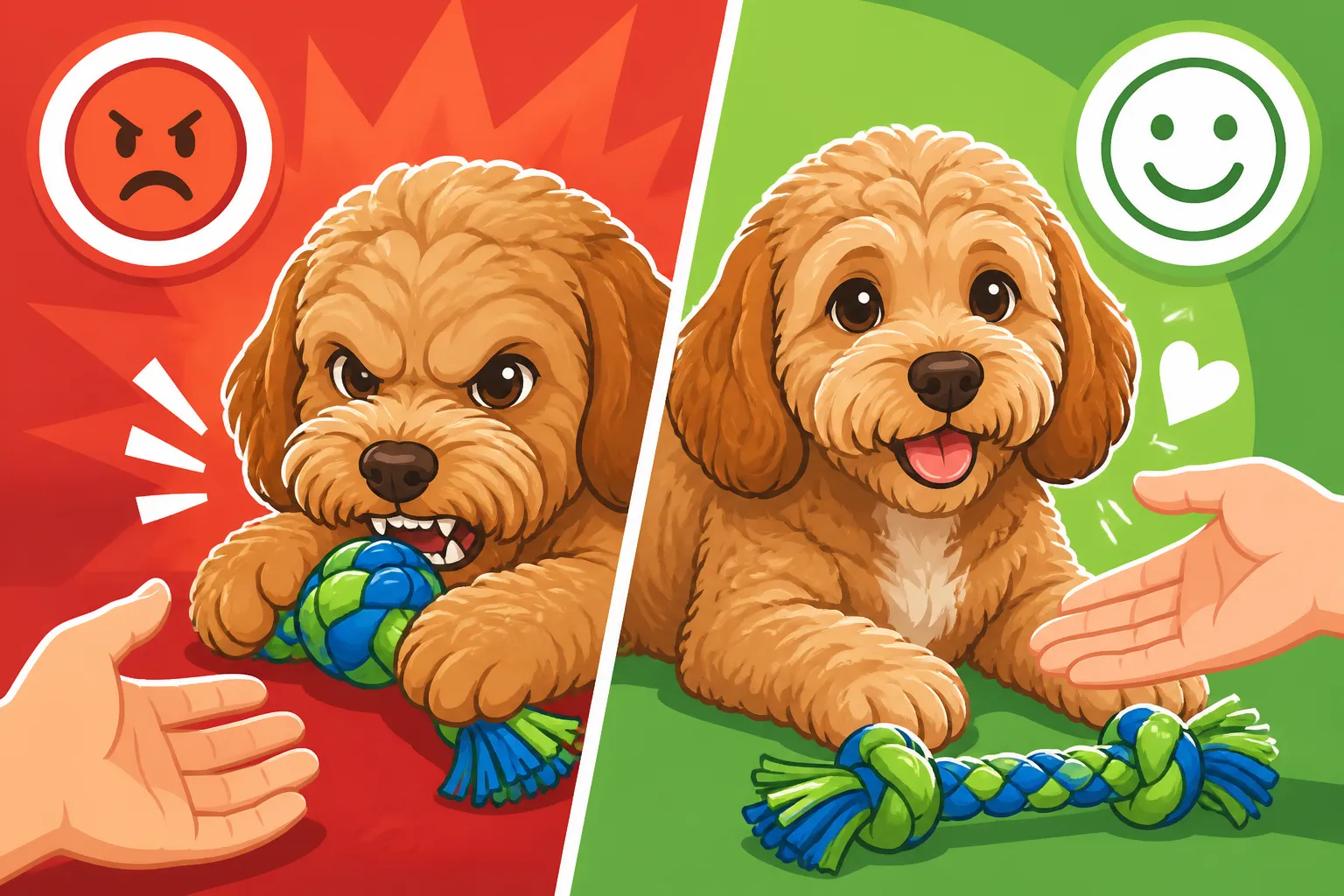
This is a crucial distinction, and honestly, one that can stump even experienced dog owners. A play growl is often part of an overall loose, wiggly, and excited body language. Your Cockapoo might be bowing, wagging their tail, and their movements will be fluid and bouncy. Their eyes will be soft, and their mouth might be open in a relaxed "smile." This kind of growl is usually accompanied by happy panting and might even sound a bit silly or theatrical. It's an invitation to engage, to wrestle, to chase.
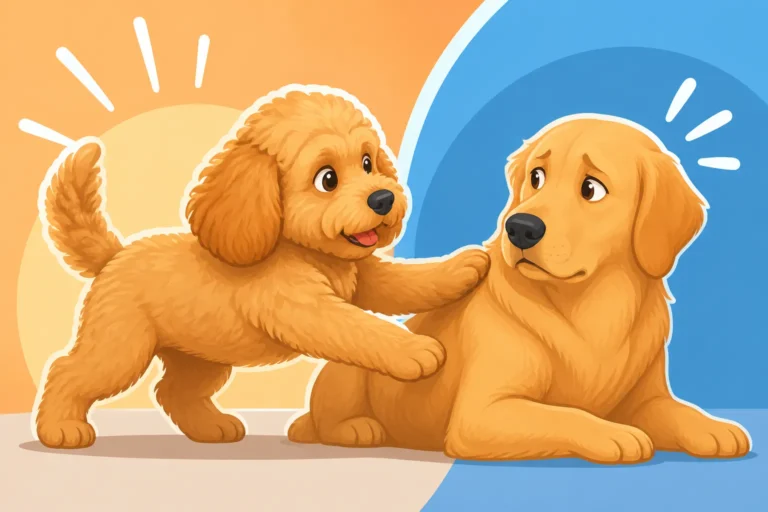
A warning growl, on the other hand, comes with a much more rigid and tense body. The tail might be stiff and held high, or tucked low. The body might be frozen, perhaps leaning over the toy. Their eyes might be hard, narrowed, or showing the whites (whale eye). The growl itself will be lower, more guttural, and sustained, lacking the playful quality. There might also be a stiffening of the lip, showing teeth, or a wrinkled nose. This growl is a clear "stay away" signal, not an invitation.
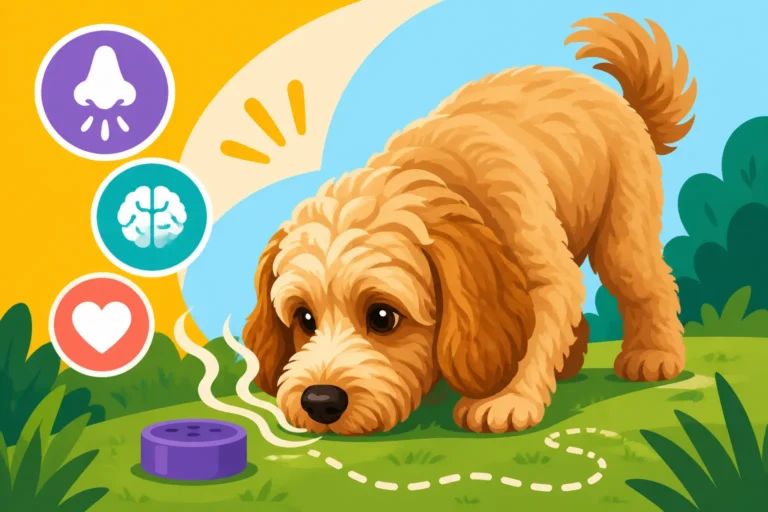
It’s important to watch the entire dog, not just the sound. A Cockapoo engaging in a warning growl will likely have a stiff posture, perhaps a lowered head over the item, and a general air of tension. They might even try to move their body to physically block access to the toy. Pay attention to how quickly they release the growl, too. A play growl often comes and goes with the ebb and flow of the game, whereas a warning growl might persist as long as the perceived threat is present. How Long a Cockapoo Works Before Its Nose Wins can give you more insight into their focus.
Recognizing the Signs of Toy Guarding in Your Cockapoo
Understanding the subtle cues your Cockapoo gives before escalating to a growl is vital. Early recognition allows you to intervene gently and prevent the situation from becoming tense or dangerous.
Early, Subtle Cues
Before any overt growling, your Cockapoo will likely offer a series of quieter signals. These might include a sudden stiffening of their body when you approach their toy, a quick lip lick, or yawning even when they aren't tired. They might also avert their gaze, trying to avoid eye contact, which is a subtle plea for you to back off. Sometimes, they'll simply stop playing and become completely still, focusing intensely on the toy as you get closer.
Another common early sign is a sudden change in their posture. They might hunch over the toy, attempting to cover it with their body, or quickly pick it up and move it to another location. If you reach for the toy, they might quickly move their head to block your hand or even give a quick, soft nudge with their nose, almost like a "no, don't touch." These are all attempts to communicate their discomfort and desire to keep the item without resorting to more aggressive displays.
Ignoring these subtle cues can inadvertently teach your Cockapoo that their quiet communications aren't effective, pushing them to use stronger signals. By recognizing and respecting these early warnings, you can de-escalate the situation before it becomes a problem, building trust and showing your dog that you understand their boundaries. This is especially important if you have young children in the home. Teaching Children to Handle a Cockapoo can provide invaluable guidance on how to teach kids to respect a dog's space.
Escalating Warning Signals
If the subtle cues are missed or ignored, your Cockapoo might escalate their communication. This is where the growling often begins – a low, rumbling sound designed to make you reconsider your approach. Along with the growl, you might see a wrinkled nose, a lifted lip, and a flash of teeth. Their body language will be tense and rigid, indicating they are serious about their warning. This isn't a playful gesture; it's a clear boundary being set.
They might also display a "hard stare," fixing their gaze on you or whoever is approaching. Their ears might be flattened against their head or pulled back. This is their way of saying, "I'm not happy, and I'm prepared to defend this." It's a critical moment for an owner to recognize and respond appropriately, as further pushing could lead to the dog feeling cornered and resorting to more direct actions.
Sometimes, they might do what's called an "air-snap," where they quickly snap their jaws together in the air near your hand or another dog, without making contact. This is often a final warning before a potential bite. It’s a very clear signal that they are at their limit. Remember, a dog that growls is communicating, and it's far better for them to growl than to bite without warning. Punishing a growl can suppress this crucial warning system, leading to a dog that bites "out of the blue."
When Guarding Becomes Aggressive
At the far end of the resource guarding spectrum is overt aggression. This might manifest as lunging towards the perceived threat, making physical contact, or even biting. This is often a result of repeated ignored warnings, or a dog feeling intensely threatened and having no other perceived option. A bite, even if it's not severe, is a serious sign that the dog feels deeply insecure about their possessions and needs immediate intervention.
These aggressive displays are not to be taken lightly. If your Cockapoo has reached this point, it's crucial to seek help from a certified professional dog trainer or a veterinary behaviorist. Attempting to manage severe resource guarding on your own, especially when bites have occurred, can be dangerous and may inadvertently worsen the problem. A professional can assess the specific triggers and develop a safe, effective management and modification plan.
It's important to understand that aggression stemming from resource guarding is often fear-based. The dog is not being "mean," but rather desperately trying to protect something essential to them. Punishing aggressive displays will only increase fear and anxiety, making the dog more likely to bite without warning in the future. The goal is always to change the dog's emotional response to the presence of others around their valued items, making them feel safe rather than threatened.
Preventing and Managing Toy Guarding Behavior
Preventing resource guarding is always easier than managing it once it's established. For puppies, it’s about setting them up for success from day one. For adult dogs, it's about patient and consistent management and training.
Proactive Strategies for Puppies
If you’re bringing home a new Cockapoo puppy, you have a fantastic opportunity to teach them that human hands near their toys and food mean good things. Start with the "Trade Up" game right away. When your puppy has a toy, approach them and offer a higher-value treat – something truly irresistible, like a small piece of cooked chicken or cheese. As they take the treat, gently take the toy. Then, immediately give the toy back, or offer an even better one. This teaches them that giving up a toy results in something even better, not a loss.
Practice hand-feeding your puppy sometimes, especially with their regular meals. This helps them associate your hands with providing, not taking away, valuable resources. Periodically, walk by their bowl while they're eating and drop an extra tasty treat into it. This builds a positive association with your presence during meal times. Raising a Cockapoo Puppy offers more excellent tips for those early days.
Always ensure your puppy has access to plenty of toys, so they don't feel the need to hoard a single one. Offer a variety, and rotate them regularly to keep them interesting. If you have children, teach them from the very beginning that they should never, ever just grab a toy from the puppy. Instead, they should ask an adult for help to initiate a trade, or simply leave the puppy alone with its toys. The online training programs offered by services like BAXTER & Bella often have dedicated modules for teaching these foundational skills to puppies.
Managing an Established Guarder
If your Cockapoo already exhibits resource guarding, safety is your absolute top priority. First, identify the specific triggers. Is it only certain toys? Only when you approach? Only when other dogs are present? Knowing this helps you manage the environment to prevent incidents. For instance, if they guard high-value chew bones, only give these when they are in a safe, secluded space where they won't be bothered.
Avoid directly confronting your dog when they are guarding. Instead of trying to snatch the item away, which can escalate the situation, use management strategies. For example, if your dog is guarding a toy, toss a super high-value treat away from them. As they go for the treat, you can then safely remove the guarded item. This minimizes confrontation and reinforces the idea that your presence can bring good things, even if it means temporarily losing an item.
Consider consulting with a professional. A certified force-free trainer or a veterinary behaviorist can provide tailored strategies and guide you through behavior modification. They can help you implement safe and effective desensitization and counter-conditioning protocols. This kind of professional input is invaluable, especially if the guarding is intense or if there's any history of biting. Trying to fix deeply ingrained guarding on your own can be risky.
Creating a Predictable and Safe Environment
A dog that resource guards often feels a sense of insecurity around their possessions. Creating a predictable environment where they know their things are safe can go a long way. Ensure your Cockapoo has designated "safe zones" where they can enjoy their toys and chews without interruption. This might be a comfy dog bed in a quiet corner, or even their crate. Teach everyone in the household, especially children, to respect this space.
Establish routines around toys. For example, some toys might only be available during supervised play sessions, while others are always accessible. When it’s time to put away a special toy, make it a positive experience by offering a treat or initiating a different fun activity. This helps them understand that losing a toy isn't a permanent loss, but part of a predictable rhythm that often leads to other good things.
Additionally, make sure your Cockapoo has a steady supply of appropriate toys. Regularly rotate toys to keep them interesting, and consider having a variety of textures and types. If your dog has a favorite toy they consistently guard, you might even consider getting multiple identical versions of it (you can find a wide selection of durable dog toys on platforms like Amazon) and introducing them strategically. The idea is to reduce the perceived scarcity of high-value items, making your dog feel less compelled to guard fiercely.
Training Techniques to Reduce Resource Guarding
When dealing with resource guarding, the goal isn't to punish your Cockapoo for growling, but to change their emotional response to you approaching their treasured items. This involves positive reinforcement and building trust.
The "Trade Up" Game
This is arguably the most effective tool for managing and even preventing toy guarding. The principle is simple: teach your dog that giving up a toy means they get something even better in return. Start with a low-value toy and approach your Cockapoo. Show them a high-value treat (like cheese, hot dogs, or cooked chicken). Most dogs will drop the toy to get the treat. As soon as they drop it, say "Drop It" (or whatever cue you choose), give them the treat, and then immediately give their original toy back.
Repeat this many, many times in short, positive sessions. Gradually increase the value of the toy you're asking them to give up, and always use a treat that's even more valuable. The key is to make this exchange feel like a rewarding game, not a demand. Over time, your Cockapoo will associate your approach to their toy with the expectation of a delicious treat, making them happy to "trade." Services like BAXTER & Bella offer detailed video guides on how to implement this game effectively, helping you refine your technique.
Once your Cockapoo reliably drops the toy for a treat, you can start varying the process. Sometimes, give the toy back after the treat, sometimes offer a different toy, and sometimes just give the treat. This keeps them guessing and reinforces the idea that any interaction with you around their toys is a positive experience. Remember, consistency is crucial, and never force the exchange, as this can undermine trust and worsen guarding.
Desensitization and Counter-Conditioning
These are fancy terms for helping your Cockapoo feel less anxious (desensitization) and more positive (counter-conditioning) about you being near their guarded items. The process is gradual and requires patience. Start by simply walking past your Cockapoo while they have a guarded toy, at a distance where they don't show any signs of guarding. As you walk by, toss a super tasty treat in their direction.
Slowly, over days or even weeks, begin to decrease the distance you approach, always tossing a treat before your dog shows any signs of tension. The moment you see any stiffening or a hard stare, you’ve gone too far, too fast. Back up to a distance where they are comfortable and happy to receive the treat. The goal is to create a new association: human approaching toy = yummy food appears. This works to change their emotional response from anxiety to anticipation.
This technique is most effective when done consistently and without pressure. Never try to touch the toy or your dog during these initial stages. The entire process should be about positive reinforcement from a safe distance. If you feel unsure about implementing this, particularly with an already aggressive dog, a professional trainer can guide you safely through the steps. Think of it as slowly chipping away at their ingrained fear, one delicious treat at a time.
Teaching "Drop It" and "Leave It"
These two commands are invaluable for any dog, but especially for a resource guarder. "Drop It" teaches your Cockapoo to release an item they already have, while "Leave It" teaches them to ignore an item they want but don't yet possess.
To teach "Drop It" more formally than with the trade game, have two identical, desirable toys. Play with your dog with one toy. While they have it in their mouth, show them the second toy. Most dogs will drop the first toy to get the second. As they drop the first, say "Drop It" and praise them, then engage with the second toy. Practice this repeatedly. Over time, you can phase out the second toy and just ask for "Drop It" followed by a treat.
"Leave It" can be taught by placing a low-value treat on the floor and covering it with your hand. When your dog tries to get it, keep your hand covered. The moment they look away from the treat (even for a second), mark the behavior (with a "yes!" or a clicker) and immediately give them a different, higher-value treat from your other hand. Gradually expose the treat under your hand for longer periods, always rewarding them for not taking the original treat. What a Cockapoo Puppy Should Learn First would highlight these as crucial early lessons.
| Warning Sign Category | Specific Behavior | Owner Response | What NOT to do |
|---|---|---|---|
| Subtle Cues | Stiff body, lip lick, averting gaze, freezing | Increase distance, toss a treat away, disengage | Reach for the toy, stare, physically correct |
| Escalating Warnings | Low growl, wrinkled nose, lifted lip, air snap | Immediately back off, toss high-value treat away, create space | Yell, punish, try to take the toy, physically restrain |
| Aggression | Lunging, biting, sustained intense growling | Secure dog, remove yourself to safety, consult professional | Confront, punish, attempt to physically dominate |
The journey to reduce resource guarding takes time, patience, and consistency. It's about building a stronger, more trusting relationship with your Cockapoo, one where they feel secure in knowing their valued items won't be taken away, and that your presence often means something wonderful is about to happen. By understanding their communication and responding with empathy and appropriate training, you can help your Cockapoo feel safe and confident, even when surrounded by their favorite treasures.
Disclaimer
This article is for general informational purposes only and does not constitute professional advice. Laws, prices and regulations vary by location and change over time. Consult a qualified professional for guidance on your specific situation.