Whether a Cockapoo Rolls in Things
Oh, the quintessential Cockapoo conundrum! You've just finished a lovely walk, your furry friend is sparkling clean from their last bath, and then bam – they spot something utterly disgusting and proceed to roll in it with unbridled joy. It’s a scene that plays out in homes across the country, leaving us Cockapoo parents torn between a groan of exasperation and a chuckle at their sheer delight. This guide is all about diving into why our beloved Cockapoos seem to have a penchant for the pungent, what those irresistible odors usually are, and most importantly, how we can try to manage this rather unglamorous habit.
Understanding the Instinct: Why Cockapoos Roll in Things
It's a perplexing behavior for us humans, isn't it? We invest time and money into keeping our dogs clean and smelling fresh, only for them to embrace the filthiest patches of grass or the most questionable substances with gusto. But for your Cockapoo, this isn't about being defiant or gross; it's often a deeply ingrained, natural behavior passed down through generations. Their ancestors didn't have shampoo or grooming appointments, after all!
The Ancient Whys: What Drives the Roll
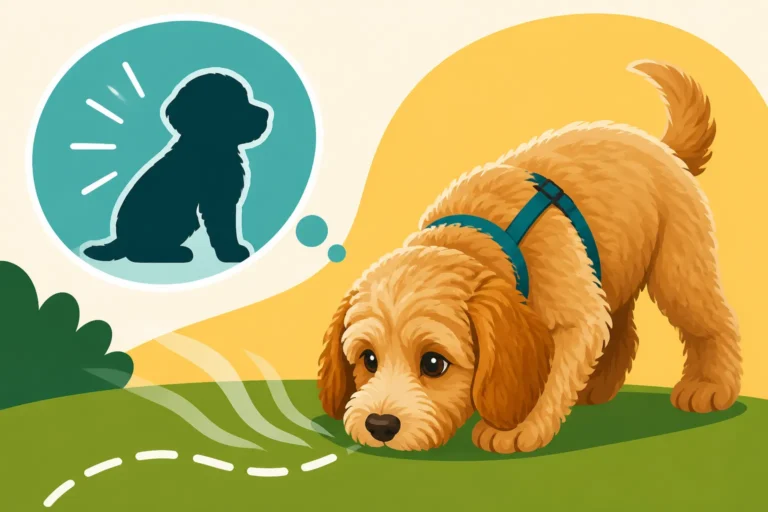
To truly understand why your Cockapoo loves to roll in something smelly, we have to look back at their wild canine cousins and the innate drives that still hum beneath their fluffy, domesticated exteriors. Long before they were snuggling on our couches, dogs were hunters and scavengers. Their survival depended on a keen sense of smell, but also on the ability to sometimes mask their own scent.
Think about it from a predator's perspective. If you're trying to sneak up on prey, having your natural doggy smell broadcasting your presence isn't ideal. Rolling in the strong scent of another animal, whether it's an herbivore's droppings or the remnants of a carcass, could effectively camouflage their own odor. It's like putting on a "scent disguise" to blend in better with their environment, making it harder for prey to detect them or for rival predators to track them. While your Cockapoo isn't actively hunting for their dinner in your local park, that ancient programming is still there, driving them to perform behaviors that once served a vital purpose. It’s a powerful, almost involuntary urge for many dogs.
Scent Marking and Camouflage: A Primitive Trait
Beyond just camouflage, rolling can also serve as a form of scent marking. Imagine finding something truly amazing – perhaps a scent so rich and interesting that you simply must carry it with you. For a dog, rolling in it isn't just about covering up their own smell; it can also be about taking that incredible scent onto themselves, to then carry it back to their pack (which, in modern times, is you and your family!). It's a way of communicating, saying, "Hey, everyone! Look what I found! This is important!"
This behavior often comes from both sides of your Cockapoo's lineage. Cocker Spaniels, known for their strong prey drive and exceptional noses, historically used their scenting abilities to flush game. Having a varied scent profile could be an advantage in confusing prey or blending into different environments. Poodles, while often seen as refined, were originally water retrievers – strong, intelligent working dogs. Their thick, curly coats would pick up scents easily, and rolling could have been part of their natural instinct to spread their own scent or take on new ones from their surroundings. So, when your Cockapoo dives headfirst into that questionable patch, they're likely expressing a blend of these deep-seated instincts. They're not just being naughty; they're being a dog!
The "Joy Roll": More Than Just Stink
Sometimes, though, the rolling isn't about deep-seated primal instincts at all. Sometimes, it's just pure, unadulterated joy. Have you ever seen your Cockapoo flop down and wriggle on their back in a patch of fresh grass on a sunny day? Or perhaps they do a happy dance and rub their shoulders into the carpet after a particularly exciting game? This is often what we affectionately call the "joy roll."
It's a way for them to express contentment, relieve an itch (especially if it's a particularly satisfying scratch against a rough patch of earth!), or simply engage in sensory exploration. Dogs experience the world so much through their noses and the sensations on their skin. A roll in a new patch of grass or dirt provides a wealth of new smells and textures. It can be a way of stretching, feeling good, and simply enjoying the moment. For some Cockapoos, especially those with thicker, wavier coats, a good roll can feel wonderfully invigorating, a mini-massage against their skin. It’s a visible sign that they are happy and comfortable in their surroundings.
Common Scents a Cockapoo Finds Irresistible (and Gross!)
So, what exactly are these magnificent, odoriferous treasures that capture our Cockapoo's attention? While every dog has their unique preferences, there are some common culprits that seem to be universally appealing in the most stomach-churning ways.
The Allure of the Foul: Dead Animals and Feces
Let's be blunt: dogs are often drawn to things that we humans find utterly disgusting. At the top of that list are the remnants of deceased wildlife and the droppings of other animals. For a Cockapoo, encountering a deceased bird, squirrel, or even a smaller insect can trigger that ancient instinct to roll. The scent is often rich, complex, and highly concentrated – a perfect "perfume" for their primal needs. They're not thinking, "Oh, this is rotting and gross"; they're thinking, "This is a fantastic, potent scent that I need to investigate and perhaps wear!"
Similarly, animal feces, especially from wild animals like deer, fox, or even other dogs, can be incredibly appealing. These provide strong territorial markers and a wealth of information about the animal that left them. By rolling in them, your Cockapoo is essentially joining the communication network, leaving their mark while simultaneously taking on the scent of the original depositor. It's a prime example of their deeply rooted desire to engage with the natural world in ways that often clash with our modern sensibilities. It’s a hard habit to break because it’s so deeply embedded.
Aromatic Plants and Strong Smells: Perfume or Pungent?
It's not always the truly repulsive stuff that grabs their attention. Sometimes, it's something that to us might just smell like "earth" or a particularly fragrant plant. Have you ever noticed your Cockapoo rubbing their face or shoulder into a patch of clover or a particularly damp, mossy spot? Certain strong-smelling herbs or decomposing organic matter can be just as enticing as something more overtly foul.
The ground itself holds a symphony of smells for a dog, and a patch of grass that has been walked over by many animals, or a spot where something strong-smelling recently rested, can be a magnet. They're processing a huge amount of olfactory information that we can't even begin to comprehend. What seems like an innocuous patch of dirt to us could be a billboard of fascinating scents to your Cockapoo. They might be trying to carry the scent of something they perceive as interesting, or simply enjoying the sensory experience of a good rub on a textured surface.
That Freshly Bathed Feeling: Undoing Your Hard Work
Perhaps one of the most frustrating scenarios for Cockapoo owners is when they roll in something immediately after a bath. You've just spent time, effort, and possibly a good amount of backache, getting them squeaky clean and smelling like lavender or oatmeal, only for them to seek out the nearest pile of leaves, dirt, or worse, and try to undo all your hard work. This isn't usually about deliberately being "bad." Instead, it often comes down to two main reasons.
Firstly, dogs don't always appreciate the artificial scents we impose upon them with shampoos. To them, smelling like "ocean breeze" might feel unnatural and overwhelming. Rolling in something natural and dog-appropriate is their way of removing that alien scent and reapplying something more familiar and comforting – even if that comfort comes in the form of decomposed organic matter. Secondly, the act of bathing can be quite stimulating, and a post-bath roll can be a way to release that pent-up energy or simply revel in the feeling of being clean but wanting to "re-dog-ify" themselves. It’s their way of getting back to baseline, a canine reset button. Why a Cockapoo Can Smell Days After a Bath explores this a bit further.
Strategies for Preventing (or Managing) the Roll
While you might never completely eradicate the instinct to roll, there are definitely strategies you can employ to minimize its occurrence and manage the situations when it does happen. It’s all about a combination of proactive measures, consistent training, and understanding your Cockapoo's natural drives.
Supervision and Leash Management: Your First Line of Defense
The simplest and often most effective strategy is vigilant supervision. When you're out and about, especially in areas where you know there might be "treasures" your Cockapoo loves to roll in, keep them on a leash. A good quality long line can give them a sense of freedom while still allowing you to quickly intervene. If you see them sniffing intensely at something suspicious, a gentle tug and a clear "leave it" command can often redirect their attention before they have a chance to commit to the roll.
It’s about being present and anticipating their moves. If you're letting them off-leash in a secure area, make it your mission to scan the environment constantly for potential rolling hazards. If you spot something, guide them away from it immediately. Remember, prevention is always easier than trying to scrub the aftermath out of a fluffy Cockapoo coat! Investing in a sturdy, comfortable harness and a good long line from a reputable brand you can find on Amazon can make these outings much more manageable.
Training "Leave It" and "Come": Essential Commands
These two commands are absolute lifesavers for any dog owner, but especially for those with Cockapoos who love a good roll.
-
"Leave It": This command teaches your dog to disengage from something they are interested in. Start practicing this in a low-distraction environment with a treat. Show your Cockapoo a treat in your hand, say "leave it," and then cover it. When they look away from the treat, mark the behavior (e.g., with a verbal "yes!") and reward them with a different treat from your other hand. Gradually increase the difficulty, moving to treats on the floor, then toys, and eventually to real-world objects and scents outdoors. The goal is for them to understand that ignoring the tempting item leads to an even better reward from you.
-
"Come": A reliable recall is paramount. If your Cockapoo is off-leash and spots something interesting, a strong "come" command can pull them away before they even get close enough to roll. Practice recall frequently, making it a super positive experience every single time they return to you. Use high-value treats and enthusiastic praise. Never punish your dog for a slow recall, as this will teach them that coming to you leads to bad things. The online training platform BAXTER & Bella offers comprehensive puppy and dog training programs that really focus on building a bulletproof recall, which can be invaluable when dealing with a Cockapoo's outdoor adventures. Recall on a Cockapoo That Has Found a Scent offers more in-depth tips for mastering this.
Consistency is key with both commands. Everyone in the household needs to use the same words and rewards to avoid confusing your Cockapoo.
Enrichment and Scent Work: Redirecting Instincts
Since rolling is often driven by a strong natural instinct to engage with scents, you can try to redirect this energy into more appropriate and desirable activities. Scent work is an excellent way to do this. Your Cockapoo has an incredible nose – let them use it for good!
- Nose Games: Hide treats around the house or yard and encourage your Cockapoo to "find it!" You can start simply, with treats in plain sight, and gradually increase the difficulty by hiding them under cups, behind furniture, or in different rooms.
- Snuffle Mats and Puzzle Toys: These are fantastic for engaging their olfactory senses and providing mental stimulation. They have to use their nose and problem-solving skills to get to their food or treats, satisfying that innate desire to forage and explore scents in a controlled environment. You can find a wide variety of these items on Amazon.
- Formal Scent Work Classes: If your Cockapoo really takes to nose games, consider looking into local scent work or K9 Nose Work classes. These teach dogs to identify specific odors and can be incredibly rewarding for breeds like Cockapoos who have a strong drive to use their noses. It provides a structured outlet for those powerful instincts. Scent Work That Satisfies a Cockapoo delves into more detail about how beneficial this can be.
By providing regular, constructive outlets for their scenting instincts, you might find that your Cockapoo has less of a desperate need to seek out questionable outdoor "perfumes." It’s about fulfilling their natural urges in a way that’s safe and fun for everyone.
Bathtime Battles: Quick Clean-Up Tips
Even with the best prevention, some rolls are inevitable. When your Cockapoo does manage to roll in something truly awful, you'll need a quick and effective clean-up strategy.
- Act Fast: The quicker you address the mess, the less time the odor has to set into their coat.
- Spot Treatment: For smaller, localized messes, you might not need a full bath. A warm washcloth with a pet-safe shampoo specifically designed for odors can often do the trick. Many pet stores and online retailers offer "skunk odor remover" shampoos that work wonders on other strong, unpleasant smells as well.
- Double Shampooing: If it's a full-body assault, a double shampoo might be necessary. Use a good quality deodorizing shampoo. Lather thoroughly, let it sit for a few minutes if the instructions allow, then rinse completely. Repeat.
- Rinse, Rinse, Rinse: Residual shampoo can irritate the skin and actually attract more dirt. Ensure you rinse every last bubble from their coat, especially if your Cockapoo has a thick, curly, or wavy coat. This is crucial for their skin health too. Skin and Coat Disease in a Cockapoo is a good read on related topics.
Remember, getting frustrated with your Cockapoo after they've rolled won't help. They won't connect your anger to their past behavior. Simply clean them up and move forward with your training and prevention strategies.
When Rolling Indicates Something More
While most rolling behavior is simply a normal, if sometimes inconvenient, canine instinct, occasionally, excessive rolling or rubbing could be a sign of an underlying issue that warrants a closer look. It's always good to observe your Cockapoo's overall behavior for any clues.
Itching and Skin Issues: Is it More Than Just a Roll?
If your Cockapoo seems to be rolling or rubbing themselves intensely, frequently, and not just in specific smelly spots, it might be more than just a behavioral quirk. Persistent rolling, especially combined with scratching, licking, or biting at their skin, could indicate an itch. This could be due to:
- Allergies: Cockapoos can inherit sensitivities from both their Cocker Spaniel and Poodle parents, making them prone to environmental or food allergies. Allergies can manifest as itchy skin, red patches, or ear infections. Whether a Cockapoo Itches From the Cocker Side is relevant here.
- Parasites: Fleas, mites, or other external parasites can cause intense itching, leading to excessive rubbing and rolling to relieve the discomfort. Even if you don't see them, regular parasite prevention is crucial.
- Dry Skin: Especially in drier climates or during winter, a Cockapoo's skin can become dry and flaky, leading to itchiness. Their Poodle heritage can sometimes predispose them to drier skin.
- Yeast or Bacterial Infections: These can develop on the skin, often as a secondary issue to allergies or dampness (especially if they've been rolling in wet areas), causing itching and a distinctive odor.
If you suspect your Cockapoo is itching excessively, it's always best to consult your veterinarian. They can help diagnose the underlying cause and recommend appropriate treatment, whether it's a change in diet, medicated shampoo, or specific medications.
Anxiety or Overstimulation: A Different Kind of Behavior
In some rare cases, compulsive rolling or rubbing could be a displacement behavior, a way for your Cockapoo to cope with anxiety, stress, or overstimulation. If the rolling seems out of character, happens in inappropriate contexts (e.g., indoors without any obvious scent motivator), or is accompanied by other signs of stress like excessive licking, yawning, lip-licking, or tail tucking, it might be worth investigating.
For example, a Cockapoo who is overwhelmed in a busy park might suddenly drop and roll as a way to self-soothe or diffuse tension. Or, if they're particularly anxious about something, the act of rolling could be a ritualistic behavior to help them feel more in control. If you notice this pattern, observing when and where the rolling occurs can provide clues. Is it only after highly stimulating events? Does it happen when left alone? For persistent anxiety, working with a professional dog behaviorist can be incredibly helpful. They can assess the situation and guide you on strategies to reduce your Cockapoo's stress and teach them healthier coping mechanisms. Sometimes, simple changes to their routine or environment can make a world of difference.
It’s important to remember that most rolling is perfectly normal, if a bit gross. By understanding the motivations behind it, staying vigilant, and using consistent training, you can enjoy your Cockapoo's adventurous spirit without constantly battling their wild side.
Disclaimer
This article is for general informational purposes only and does not constitute professional advice. Laws, prices and regulations vary by location and change over time. Consult a qualified professional for guidance on your specific situation.