Whether a Cockapoo Needs a GPS Collar
The worry of your beloved Cockapoo getting lost is a fear every dog parent knows, a tightening in your chest at the thought of them disappearing over the horizon or slipping their leash in a busy park. With their curious nature and undeniable zest for exploration, it's a completely valid concern. This guide is all about whether a GPS collar might be a valuable tool in your arsenal, offering peace of mind and a crucial safety net for your adventurous companion.
Understanding Your Cockapoo's Natural Drives
It's easy to look at our fluffy, affectionate Cockapoos and assume they're just cuddly lap dogs, but beneath that charming exterior lies a blend of distinct ancestral traits that can make them prone to wandering. Understanding these inherent tendencies is the first step in assessing whether a GPS collar fits into your life with them.
The Persistent Spaniel Scent Drive
Let's talk about the Cocker Spaniel side of your Cockapoo. These dogs were bred for centuries to be flushing and retrieving gun dogs. What does that mean for you? It means they have an incredible nose and an instinct to follow interesting scents. A rabbit trail, the lingering smell of a squirrel, or even just a particularly intriguing patch of grass can transform your attentive companion into a dog with a mission. They can become laser-focused, nose to the ground, and their world narrows to that scent. In these moments, your voice might fade into the background, and their recall, no matter how well-practiced, can sometimes be momentarily overridden by this ancient drive. You might be calling their name, but they're already three fields away, convinced they're hot on the trail of something fascinating.
The Poodle's Intelligence and Independent Streak
Then there's the Poodle influence. Poodles are incredibly intelligent, resourceful, and, let's be honest, sometimes a little bit cheeky. While their smarts make them highly trainable, they also mean a Poodle-cross can be a problem-solver. If there's an escape route, they might just figure it out. If they decide an adventure outside the yard sounds more exciting than hanging out indoors, they have the brainpower to execute a plan. This isn't defiance; it's intelligence at work. They might not be intentionally running away from you, but rather running to something that has captured their clever mind and boundless energy. They can be quite independent thinkers, which can be both a blessing and a challenge in equal measure, especially when you're counting on them to stick close by.
The "Cockapoo Zoomies" and Sudden Bursts of Energy
Cockapoos are generally energetic and playful dogs, and sometimes that energy manifests in sudden, exhilarating bursts known as "zoomies." These can happen anywhere – in your yard, at the dog park, or even on a walk. A sudden squirrel darting up a tree, a passing dog that ignites their playful spirit, or just an overflow of happy energy can send them dashing off at top speed. What starts as a fun romp can quickly turn into a terrifying chase if they're not contained or if they get disoriented. They might not even realize how far they've gone until they stop to catch their breath and suddenly, familiar landmarks are gone. This impulsive, high-speed dash is a common trait, making secure containment and a strong Building a Recall a Cockapoo Answers crucial, but also highlighting why an extra layer of tracking could be incredibly useful.
When a GPS Collar Becomes a Lifeline (or a Smart Precaution)
Considering your Cockapoo's blend of curiosity, scent drive, and intelligence, a GPS collar isn't just a gadget; for many, it's a genuine peace of mind investment. It bridges the gap between training aspirations and real-world unpredictability.
The "What If" Scenarios
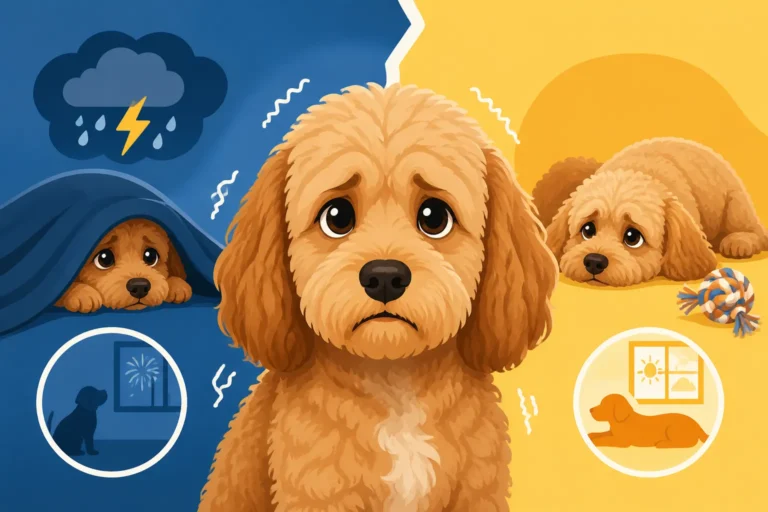
Life happens, and sometimes, despite our best efforts, our dogs find themselves in unforeseen situations. Imagine this: you're walking your Cockapoo, and suddenly, a loud, unexpected noise – a backfiring car, a sudden firework, a screaming child – spooks them. In a split second, they lunge, and their collar slips, or the leash is yanked from your hand. Your heart pounds as you watch them disappear around a corner. Or perhaps a gate was accidentally left ajar by a visitor, and your curious Cockapoo decides to explore the neighborhood. These "what if" scenarios are terrifying, and in these moments, a GPS collar can be the difference between frantic, hours-long searching and quickly locating your scared companion. It's not about planning for failure, but preparing for the unexpected, giving you an immediate tool to recover them when time is of the essence.
Peace of Mind for Off-Leash Adventures
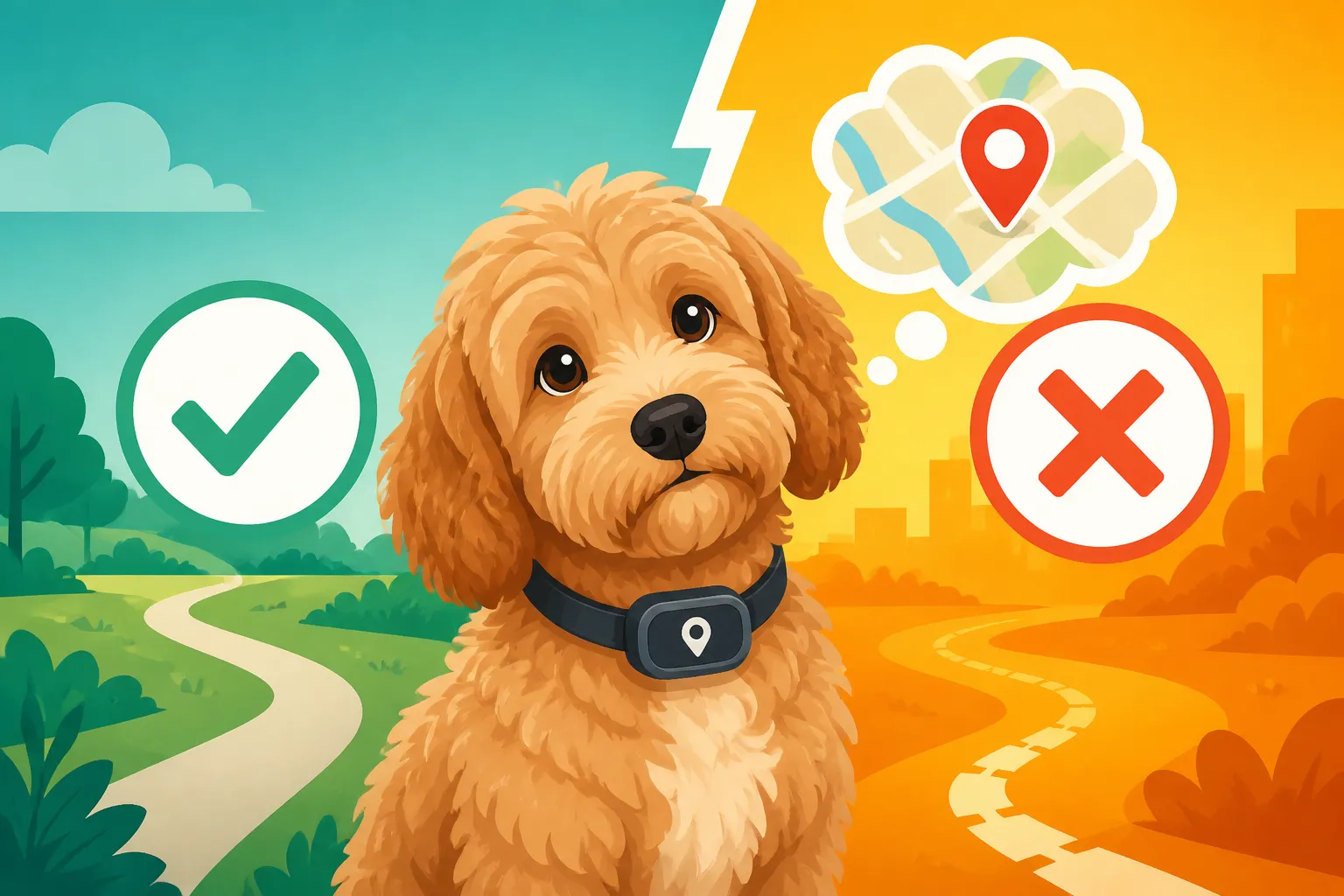
Many Cockapoo owners dream of giving their dogs the freedom to run and explore off-leash, whether it's on vast hiking trails, at a quiet beach, or in a large, unfenced park. However, that deeply ingrained spaniel hunting instinct or the poodle's independent streak can make this a risky proposition. You might have a great recall in your backyard, but add the distractions of new smells, wildlife, or other dogs, and suddenly, your Cockapoo might be out of range. A GPS collar allows you to grant that freedom with a significant safety net. You can monitor their location in real-time, setting virtual fences that alert you if they stray too far. This means you can enjoy watching them romp and play, knowing that if they get a little too carried away with a scent, you'll know exactly where they are. It enables a richer, more active life for both of you, without the constant underlying anxiety. If you're working on that off-leash reliability, a GPS collar can also be a fantastic training aid, helping you understand their patterns and where they tend to wander.
Specific Use Cases for a Cockapoo
Beyond general peace of mind, there are several specific situations where a GPS collar truly shines for a Cockapoo owner. For those who frequently take their dogs hiking or camping in unfamiliar natural environments, the collar provides invaluable tracking in areas where terrain might obscure your view or your voice. Think of a thick forest or a rambling trail – A Cockapoo That Goes Deaf on a Trail is a real possibility when their nose takes over. If you have a known "escape artist" Cockapoo who has a knack for finding weaknesses in fences or slipping through open doors, a GPS collar offers constant monitoring. For Cockapoos who are particularly shy or easily spooked, and therefore more likely to bolt and hide if scared, this technology can drastically reduce recovery time. Even for urban dwellers, where a quick dash into traffic or getting lost in a crowd is a major concern, the precise location tracking can be a game-changer. It’s an especially smart consideration if your Cockapoo doesn't always perform reliably when you're trying to work on A Cockapoo That Goes Deaf on a Trail.
Exploring GPS Collar Features and Considerations
Once you've decided a GPS collar might be right for your Cockapoo, the next step is navigating the myriad of options available. They aren't all created equal, and what works for one dog or owner might not be the best fit for another.
Key Features to Look For
When you're shopping for a GPS collar or tracker, it's easy to get overwhelmed by the technical jargon. First and foremost, consider battery life. A tracker that only lasts a few hours isn't much help if your dog disappears for a day or more. Look for devices that offer several days of battery life on a single charge. Next, think about tracking frequency. How often does the device update your dog's location? In an emergency, you want as close to real-time tracking as possible. Some devices offer a "live tracking" mode that updates every few seconds. Water resistance is non-negotiable for a Cockapoo; whether they love splashing in puddles or get caught in a sudden downpour, you need a device that can withstand the elements.
The range is another crucial aspect – some trackers use cellular networks, meaning they work anywhere there's coverage, while others are more limited. Many popular brands, easily found on platforms like Amazon, offer broad network coverage. Additionally, some advanced collars offer activity monitoring, which can be a nice bonus. This feature tracks steps, sleep patterns, and calories, giving you insights into your Cockapoo's overall health and activity levels, similar to a fitness tracker for humans. You can see if they're getting enough exercise or if there's an unusual change in their routine that might signal a problem.
Subscription Models and Costs
It's important to understand that most GPS pet trackers operate on a subscription model. Much like your cell phone, the device needs to connect to a cellular network to transmit its location data, and that service comes with a recurring fee. This isn't usually a huge surprise for modern tech, but it's a cost to factor into your budget. Subscription plans can vary widely, from monthly payments to annual commitments, and some companies offer discounts for longer terms. Make sure you read the fine print and understand the full cost of ownership beyond the initial purchase price of the device. Some premium services might offer additional features like family sharing (so multiple people can track your dog), advanced health insights, or even vet-on-demand services. Always compare what's included in different tiers.
Comfort and Fit for a Cockapoo
A GPS tracker is only useful if your Cockapoo is wearing it comfortably and securely. Their unique coat, often a mix of the Cocker's fur and the Poodle's curl, can sometimes be an issue. You want a lightweight device that doesn't pull or tangle their hair. Some trackers are integrated directly into a collar, while others are small attachments that clip onto an existing collar. Ensure the tracker isn't too bulky for their size, especially if you have a smaller Toy or Teacup Cockapoo. Regular checks for rubbing or irritation are essential, especially as they get used to wearing it. You might even consider a soft, padded collar specifically designed to accommodate the tracker. For puppies, introducing a tracker early, perhaps even during initial Raising a Cockapoo Puppy stages, can help them acclimate to wearing it without fuss.
GPS Collars as Part of a Larger Safety Strategy
While a GPS collar is an incredible tool, it’s crucial to remember it’s not a magic bullet. It’s most effective when integrated into a comprehensive safety strategy that includes training, secure physical boundaries, and other identification methods.
Recall Training: The Absolute Foundation
Nothing, and I mean nothing, replaces a solid recall. A GPS collar is there for when things go wrong, but your first line of defense should always be your Cockapoo reliably returning to you when called. This means consistent, positive reinforcement training, starting early and practicing in various environments. Work on your recall daily, making it the most rewarding thing your dog can do. Whether you use treats, praise, or a favorite toy, make coming back to you the best choice. Some online programs, like those offered by BAXTER & Bella, can provide structured guidance for developing a strong recall from puppyhood. Remember, a GPS collar helps you find them, but a good recall helps prevent them from getting lost in the first place. You can read more about building that strong foundation in Building a Recall a Cockapoo Answers or even exploring options like Whether a Whistle Works on a Cockapoo.
Secure Fencing and Leash Practices
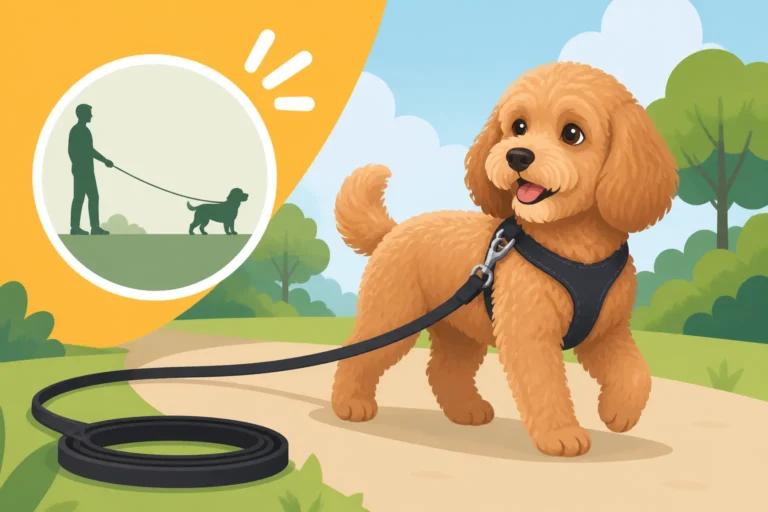
Physical barriers are your next crucial line of defense. Double-check your yard for any potential escape routes – loose fence boards, gaps under gates, or even areas where a determined Cockapoo might dig under. Consider a secure double-gate system for extra peace of mind if you have a busy household. When out and about, a well-fitting harness can be more secure than a collar, reducing the chance of them slipping out if startled. Always use a strong, reliable leash, and practice good leash manners to prevent sudden pulls or lunges. Never underestimate the power of a bored or curious Cockapoo to find a way out!
Microchipping and ID Tags: Essential Backups
These are non-negotiables for any pet owner, and they work in tandem with a GPS collar. A microchip provides permanent identification that can be scanned by a vet or shelter, linking your dog back to you even if their collar comes off. Make sure your microchip registration details are always up-to-date. An ID tag, clearly visible on their collar, offers immediate contact information – your name and phone number – to anyone who finds your dog. This means they can be returned quickly without needing a scanner. Think of the GPS collar as active tracking, and the microchip and ID tag as passive, but equally vital, forms of identification. Both play a role in ensuring a lost Cockapoo can make it home.
Emergency Preparedness: What to do if they still go missing
Even with all the preventative measures and a GPS collar, it’s smart to have an emergency plan in place. Know your local animal shelters and humane societies, and have their contact information readily available. Take clear, recent photos of your Cockapoo from various angles. If they do go missing, immediately activate your GPS collar's tracking. Then, simultaneously begin notifying neighbors, posting on local social media groups, and alerting shelters and vet clinics in your area. The faster you act, the higher the chances of a safe return. A GPS collar significantly reduces the initial frantic search, allowing you to direct your efforts more effectively and alleviate some of the crushing anxiety of a lost pet.
When a GPS Collar is a Smart Investment for Your Cockapoo
| Scenario | Need for GPS Collar | Rationale |
|---|---|---|
| Off-leash hiking/outings | High | Immediate location tracking if they follow a scent or get disoriented in unfamiliar territory. |
| "Escape artist" Cockapoo | High | Real-time alerts and location if they breach fences or slip out of the house/yard. |
| Cockapoo with high prey drive | Medium to High | Helps locate them quickly if they bolt after wildlife, even with good recall training. |
| Frequent travel to new places | Medium | Adds a layer of security in unfamiliar surroundings where they might get lost more easily. |
| Urban environments with traffic | Medium | Crucial for quick retrieval if they bolt into a dangerous area; reduces search time. |
| Dogs prone to anxiety/bolting | Medium | Helps locate them if they panic and run, especially if they hide. |
| Backyard only, never off-leash | Low | Still useful for accidental escapes (e.g., gate left open), but less critical than for active dogs. |
| Strong, proofed recall & secure home | Low | While preventative measures are strong, a GPS collar is still an excellent "just in case" backup. |
Ultimately, whether a GPS collar is a necessity for your Cockapoo depends on your lifestyle, your dog's temperament, and your personal comfort level with risk. For many, it's a small price to pay for the invaluable peace of mind and the enhanced safety it offers. It allows you to feel more confident in giving your adventurous Cockapoo the freedom they crave, knowing you have a powerful tool to bring them home should the unexpected happen.
Disclaimer
This article is for general informational purposes only and does not constitute professional advice. Laws, prices and regulations vary by location and change over time. Consult a qualified professional for guidance on your specific situation.