Introducing a Cockapoo to the Sound of a Gun
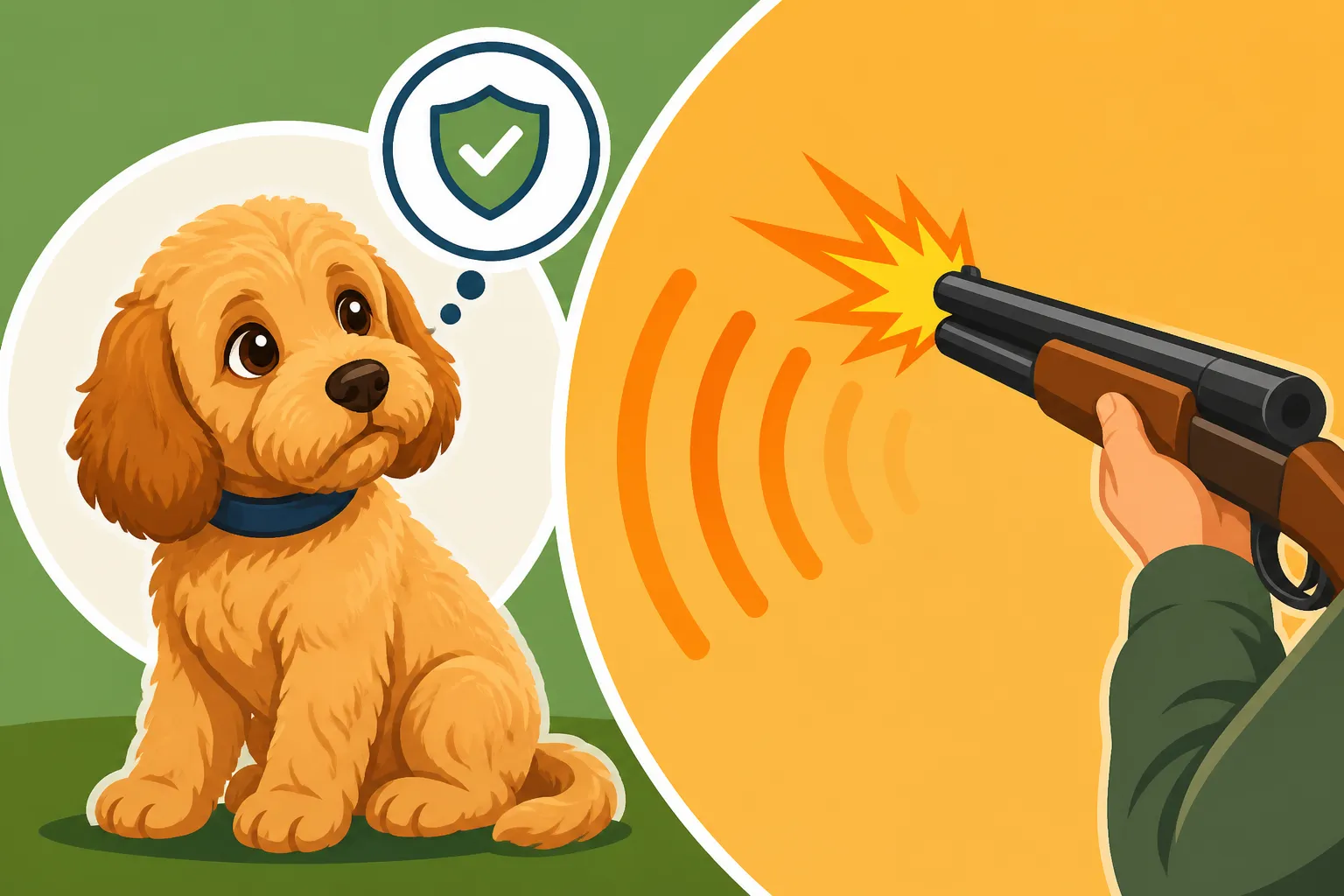
One of the most profound concerns for any dog owner, especially those with breeds known for their keen senses like our beloved Cockapoos, is the potential for debilitating fear of loud noises. While you might not be planning hunting trips, the sound of fireworks, thunderstorms, or even distant construction can trigger severe anxiety. This guide will walk you through a compassionate, step-by-step process for introducing your Cockapoo to gun-like sounds in a controlled, positive way, helping to prevent or alleviate noise phobias.
Understanding Your Cockapoo's Sensitivity to Noise
It’s completely understandable to feel overwhelmed when your dog reacts fearfully to loud sounds. Many Cockapoo owners find themselves dealing with pups who jump at the slightest unusual noise, let alone something as jarring as a gunshot simulation. This sensitivity isn't a flaw; it's often a combination of genetics from their Spaniel and Poodle lineage, both of which can be quite alert, combined with individual temperament and early experiences. Poodles, for example, are highly intelligent and often sensitive dogs, and Cocker Spaniels, while bred for flushing, can still be prone to anxiety if not properly socialized.
Why Some Cockapoos Are More Prone to Noise Anxiety
Think about your Cockapoo's ancestors. The Poodle side brings a sharp intellect and often a refined sensitivity. They're quick to notice changes in their environment. The Cocker Spaniel side, while historically robust working dogs, can also carry a propensity for nervousness or "softness" if not bred carefully. When these two lines combine, you get a wonderfully intelligent and often affectionate dog, but one that can also be exquisitely attuned to sounds. Some Cockapoos might inherit a predisposition to be more startled by sudden, sharp noises than others, making early, positive exposure crucial. It’s not about them being 'weak' or 'badly behaved'; it's about their inherent wiring.
Consider a puppy raised in a quiet, isolated home. When that puppy suddenly encounters the cacophony of a busy street, or the booming of a fireworks display, it's a shock to their system. They haven't had the chance to categorize these sounds as harmless background noise. This lack of early, gentle exposure can easily lead to a negative association. This is why breeders who raise puppies in enriched environments, exposing them to various household sounds from a young age, are doing a great service. But even with good early socialization, some dogs just need a bit more help.
The Impact of Gun Shyness on Daily Life
Gun shyness, or any severe noise phobia, isn't just an inconvenience; it can significantly diminish your Cockapoo's quality of life and, by extension, yours. Imagine wanting to enjoy a walk in a park only to have your dog cower and try to bolt every time a car backfires or a distant hunter fires a round. It makes holidays like the Fourth of July or New Year's Eve a nightmare, turning your home into a fortress of blankets and panicked pacing.
A fearful dog can display a range of behaviors: trembling, panting, excessive drooling, hiding, destructive chewing, inappropriate urination or defecation, or even trying to escape. These aren't just signs of stress; they're your dog's desperate pleas for safety. It can also make training harder, as a dog under stress cannot learn effectively. Ensuring your Cockapoo is comfortable with sounds isn't just about avoiding a problem; it's about building their confidence and allowing them to live a fuller, happier life, both at home and when you're out exploring the world together. If you're looking to explore more about their innate drives, you might find The Flushing Drive Still Alive in a Cockapoo interesting.
The Core Principles of Sound Desensitization
When it comes to helping your Cockapoo overcome a fear of sounds, or even just preventing it, the key is understanding two powerful training concepts: desensitization and counter-conditioning. These aren't fancy, complicated terms; they're just systematic, kind ways of helping your dog adjust. It's about changing their emotional response from fear to indifference, or even better, to a positive anticipation.
Desensitization: Gradually Increasing Exposure
Desensitization means exposing your Cockapoo to the scary sound at such a low volume or intensity that they barely notice it, or at least don't react negatively. Then, and only then, do you slowly, gradually increase the volume over many sessions, days, or even weeks. It’s like dipping your toe into cold water and slowly getting used to it, rather than being thrown headfirst into an icy lake. The goal is to keep your dog under their "threshold" – the point at which they start to show signs of fear or anxiety. If you push too fast, you risk setting back all your progress.
For gun sounds, this usually means starting with a recording played so quietly you can barely hear it yourself, perhaps in a distant room. As your Cockapoo remains calm and relaxed, you might slightly increase the volume, or move the sound source a little closer. This process requires immense patience and keen observation of your dog’s body language. Are their ears perked? Are they scanning the room? Are they starting to pant or yawn excessively? These are all signs you might be going too fast.
Counter-Conditioning: Changing Emotional Associations
Counter-conditioning works hand-in-hand with desensitization. While desensitization reduces the intensity of the fear, counter-conditioning changes the emotion associated with the sound. Instead of just tolerating the sound, we want your Cockapoo to associate it with something wonderful – like their favorite high-value treats, a fun game of tug, or a special belly rub.
So, when the very quiet gun sound plays, immediately, happy things happen. You offer a delicious piece of chicken, or engage in a quick, enthusiastic play session. The sound becomes a predictor of good things. Over time, your Cockapoo starts to think, "Oh, that sound! That means chicken is coming!" rather than "Oh no, that scary sound! I need to hide!" This positive association is incredibly powerful and helps to rewire their brain's response to the trigger. You can find more tips on positive reinforcement in articles like What a Cockapoo Puppy Should Learn First.
A Step-by-Step Guide to Introducing Gun Sounds
Preparing your Cockapoo for potentially startling noises, especially gun sounds, is a marathon, not a sprint. It takes dedication, consistency, and a whole lot of delicious treats. Let's break down how you can approach this with kindness and effectiveness.
Step 1: Gather Your Resources and Set the Scene
Before you even think about playing a sound, you need to set yourself up for success.
- Sound Source: You'll need high-quality recordings of gunshots. You can often find these on streaming services, sound effect websites, or even specialized desensitization CDs. A good quality recording device (like a Bluetooth speaker) is better than your phone's tiny speaker. You can find many options on Amazon.
- High-Value Treats: This is non-negotiable. Forget the dry kibble. We're talking cooked chicken, cheese, hot dogs, peanut butter (xylitol-free!), or anything your Cockapoo absolutely adores. These treats are powerful motivators.
- A Calm Environment: Choose a time when your home is quiet and you can dedicate your full attention to your dog. Minimize other distractions. Start in a familiar, comfortable room where your Cockapoo already feels safe.
- Observe Your Dog: Pay close attention to your Cockapoo’s body language. Subtle signs of stress include lip licking, yawning (when not tired), averted eyes, tense body posture, ears flattened, or a tucked tail. If you see these, you're going too fast.
Step 2: The Initial, Ultra-Low Volume Introduction
This is where desensitization truly begins. Your goal here is to play the sound so quietly that your Cockapoo barely registers it, or at most, gives a slight ear flick without showing any fear.
- Start Distant and Quiet: Place your sound source in another room, far away from your Cockapoo. Play the gun sound at the absolute lowest volume setting. You might need to experiment to find this level.
- Observe for Calm: If your Cockapoo doesn't react at all, or just looks briefly in the direction of the sound with a relaxed demeanor, you're at the right starting point.
- Positive Association: Immediately after the sound (or even just before, if your dog is completely relaxed), offer a high-value treat. Repeat this a few times. Sound happens, treat appears. Sound happens, treat appears. The trick is to pair the sound with the treat, establishing a positive link.
- Keep Sessions Short: A few minutes at this super low level is enough for a starting session. End on a positive note.
Step 3: Gradually Increasing Volume and Closeness
This is the most crucial part and requires immense patience. Do not rush this.
- Slight Increments: In subsequent sessions, once your Cockapoo is consistently relaxed and happy at the current volume/distance, ever-so-slightly increase the volume or move the speaker a small step closer. We're talking tiny adjustments.
- Continuous Counter-Conditioning: Every time the sound plays, continue to pair it with those irresistible high-value treats or a quick burst of play. Make the sound a cue for something good.
- Watch for Threshold: The moment you see any sign of anxiety – a slight stiffening, ears dropping, a quick glance at the door – you've gone too far. Immediately reduce the volume or move the speaker further away, and restart at a level where your dog is comfortable again. This is not failure; it's information.
- Vary the Sounds: Once comfortable with one type of gun sound, introduce others – different calibers, single shots, multiple shots, even sounds of game birds flushing if you’re moving towards Whether a Pet Cockapoo Can Do Bird Dog Training.
- Simulate Real-World Scenarios: Eventually, once your Cockapoo is calm with louder sounds in your home, you can try playing them in different rooms, or even in the yard, always maintaining that positive association. Consider exploring Scent Work That Satisfies a Cockapoo as a way to engage their natural instincts in a positive, confidence-building way that distracts from sounds.
Step 4: Incorporating Distraction and Play
As your Cockapoo becomes more comfortable, you can start to incorporate other elements to build their resilience.
- Play During Sounds: Instead of just treats, try tossing a favorite toy or engaging in a game of fetch when the sounds play. This helps them stay engaged and happy despite the noise.
- Meal Times: Play the low-volume sounds during your Cockapoo's mealtime. They'll be focused on eating, further associating the sound with a positive, routine experience.
- Mental Stimulation: Puzzle toys or chew items can also be great distractions during sound exposure. Anything that keeps their mind happily occupied can help. For ideas on engaging their intellect, think about Scent Games a Cockapoo Never Tires Of.
- Consistency is Key: This isn't a one-and-done process. Regular, short, positive sessions are far more effective than infrequent, long, stressful ones.
Progression Chart for Sound Desensitization
| Stage | Sound Source Distance | Volume Level | Dog's Reaction Goal | Action by Owner |
|---|---|---|---|---|
| Phase 1: Awareness | Farthest Room / Outside | Barely Audible | No Reaction / Ear Flick | Treat Immediately, Repeat Short Sessions |
| Phase 2: Neutrality | Other Room | Low, Recognizable | Calm Curiosity | Treat & Praise, Short Play Sessions |
| Phase 3: Comfort | Same Room, Distant | Moderate, Background | Relaxed, Engaged | Incorporate into Play/Training, High-Value Treats |
| Phase 4: Resilience | Same Room, Closer | Louder, Still Controlled | Happy, Unconcerned | Use as Cue for Fun, Vary Environments, High-Value Treats |
Remember, if your Cockapoo shows any signs of distress, immediately revert to an earlier stage where they were comfortable. It's better to go too slow than too fast.
Beyond Training: Addressing Severe Noise Phobia
Sometimes, despite your best efforts with desensitization and counter-conditioning, a Cockapoo might have a deep-seated noise phobia that requires more than just home training. This is absolutely nothing to be ashamed of; some dogs just have a more severe reaction, and it's our responsibility to seek additional help for them.
When to Consult a Professional
If your Cockapoo exhibits extreme panic, uncontrollable shaking, destructive behavior, or tries to harm themselves while attempting to escape during even low-level sound exposure, it's time to bring in the big guns – a professional.
- Certified Professional Dog Trainer (CPDT): Look for trainers specializing in fear and anxiety. They can observe your dog's subtle cues that you might miss and guide you through more advanced techniques. Many offer virtual consultations, which can be great if your dog is too stressed to leave home.
- Veterinary Behaviorist (Dip. ACVB): These are veterinarians who have specialized in animal behavior. They can diagnose underlying anxiety disorders and, if appropriate, prescribe medication to help reduce your Cockapoo's overall anxiety levels. This isn't a "cure-all" but can lower your dog's stress threshold enough for behavioral modification techniques to finally work. Medication can take the edge off, allowing your dog to learn and respond to training.
- Your Regular Vet: Always start with your regular veterinarian. They can rule out any physical issues that might be contributing to your dog's anxiety and can refer you to a veterinary behaviorist if needed.
Don't feel like you've failed if you need to seek professional help. It shows you are a responsible and caring owner dedicated to your Cockapoo's well-being. Organizations like the American College of Veterinary Behaviorists or the Certification Council for Professional Dog Trainers can help you find qualified professionals in your area.
Supportive Measures for Anxious Cockapoos
While you're working on training or waiting for professional advice, there are several things you can do to make your Cockapoo's life more comfortable, especially during known loud events.
- Create a Safe Haven: Designate a "safe room" or crate where your Cockapoo feels secure. This could be a basement, an interior bathroom, or a quiet bedroom. Fill it with their favorite bed, blankets, and comforting toys. Play calm music or use a white noise machine to help muffle external sounds. Products found on Amazon, like calming diffusers or thunder shirts, can offer some relief for mild anxiety, though they are rarely a solution on their own.
- Anxiety Wraps: Products like the Thundershirt apply gentle, constant pressure, similar to swaddling a baby, which can have a calming effect on some dogs.
- Calming Aids: There are various over-the-counter calming supplements, chews, and diffusers available. While their effectiveness varies greatly between individual dogs, some owners find them helpful for mild cases. Always consult your vet before introducing any new supplement.
- Mental and Physical Exercise: A well-exercised and mentally stimulated Cockapoo is generally a calmer Cockapoo. Ensure your dog gets plenty of appropriate physical activity and engaging mental games daily. This also helps to build their confidence, which can indirectly aid in managing anxiety. A good resource for comprehensive training that includes socialization and confidence-building is the online program from BAXTER & Bella. They often have modules on handling real-world scenarios, which can be a huge help. You might also want to look into Whether a Cockapoo Needs a Sport to Be Manageable for ideas to channel their energy.
- Avoid Reinforcing Fear: While it's natural to want to comfort your frightened Cockapoo, excessively coddling or petting them during a fearful episode can sometimes inadvertently reinforce the fearful behavior. Instead, try to be calm and reassuring. Gently guide them to their safe space, offer a distracting chew toy, and speak in a calm, matter-of-fact tone. Your steady presence is more comforting than frantic petting.
Building a resilient, confident Cockapoo takes time and effort, but the reward of seeing your furry companion comfortable and happy, even around surprising noises, is immeasurable. Stay patient, stay positive, and celebrate every small victory along the way! If you want to know more about different training methods, checking out Whether a Marker Word Beats a Clicker on a Cockapoo could be insightful.
Disclaimer
This article is for general informational purposes only and does not constitute professional advice. Laws, prices and regulations vary by location and change over time. Consult a qualified professional for guidance on your specific situation.