Getting a Cockapoo Used to the Clipper Noise
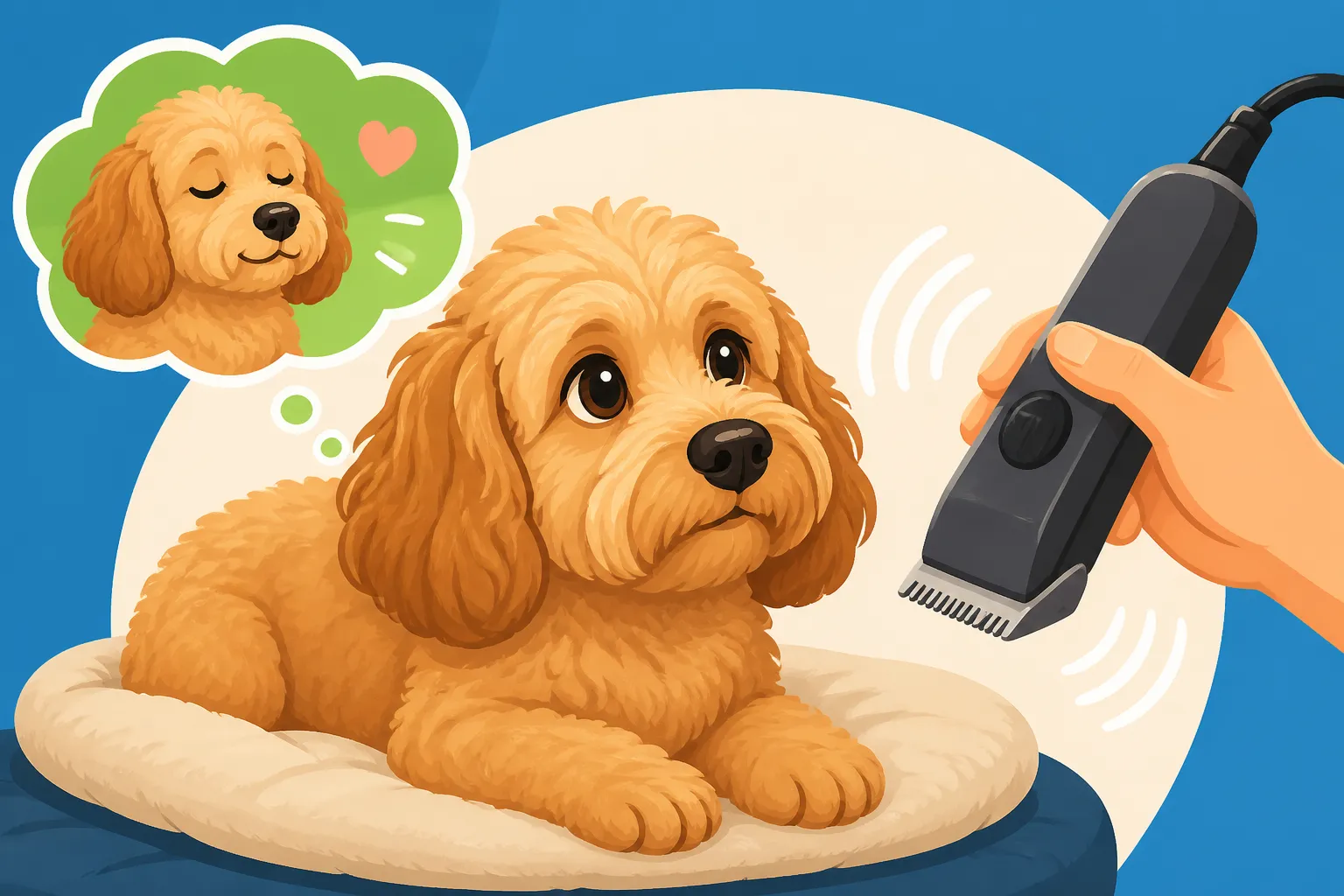
Getting your Cockapoo used to the whirring, buzzing, and vibrating of electric clippers can feel like trying to convince a squirrel to wear a tiny suit – utterly daunting, frustrating, and often met with immediate panic. Many Cockapoo owners find themselves battling a fearful, squirming pup every time grooming day rolls around, making a necessary part of their dog's care into a stressful ordeal for everyone. This comprehensive guide will walk you through empathetic, step-by-step methods to help your Cockapoo not just tolerate, but genuinely accept and even relax during clipper grooming.
Understanding Why Clipper Noise Can Be So Frightening for Cockapoos
It's easy to feel like your Cockapoo is just being stubborn or dramatic when they react intensely to clippers. But for many dogs, especially those with sensitive temperaments like our beloved Cockapoos, the fear is very real and deeply rooted. Understanding the "why" behind their apprehension is the first step toward effective desensitization.
The Auditory and Vibrational Sensitivity of Cockapoos
Cockapoos often inherit a keen sense of hearing from both their Cocker Spaniel and Poodle parents. This heightened auditory perception means that sounds we perceive as merely loud – like the buzzing of clippers – can be intensely overwhelming and even painful for them. Imagine a sound that seems a bit noisy to you, but to your Cockapoo, it's amplified tenfold, vibrating through their entire body. This isn't just a sound they hear with their ears; they feel the vibrations through their skin, especially when the clippers get close.
Moreover, the Poodle side of their lineage can contribute to a naturally more anxious or wary disposition in some individuals. Poodles, while highly intelligent, can sometimes be prone to nervousness, and this trait can certainly pass down to a Cockapoo. If a Cockapoo puppy hasn't been properly exposed to a variety of sounds and sensations during their critical socialization period, even benign noises can become triggers for fear and anxiety later on. It’s not just about the volume, but the suddenness, the unfamiliarity, and the tactile sensation that can trigger a primal "fight or flight" response.
Past Negative Experiences or Lack of Early Exposure
Sometimes, the fear isn't solely genetic or inherent; it's learned. A single negative experience, no matter how minor it seemed to us, can cement a deep-seated fear in a Cockapoo. Perhaps they had a rough first groom where the clippers pulled their hair, nicked their skin, or were used too aggressively by an inexperienced groomer. Even if no physical harm occurred, the stress of being held down, feeling trapped, and hearing a terrifying noise can create a lasting aversion.
Equally impactful is a lack of early, positive exposure. Puppies go through critical socialization periods where they learn about the world around them. If a Cockapoo puppy isn't introduced to various sounds, textures, and grooming tools in a gentle, positive way during these formative weeks, they are much more likely to develop fears. Without positive associations, clippers become just another scary, unknown object. This often happens if puppies are kept in quiet environments without the normal household noises or if breeders don't proactively introduce grooming tools. It truly highlights why How Early a Cockapoo Should Meet a Groomer is such an important topic for new puppy owners to consider.
Starting Early and Building Positive Associations
The earlier you can begin getting your Cockapoo comfortable with grooming tools, the better. Puppyhood offers a golden opportunity to create positive associations that will last a lifetime. Even if you have an older Cockapoo, these principles still apply, though the process might require a bit more patience.
Gentle Handling and Touch from Day One
Before you even think about bringing out the clippers, your Cockapoo needs to be completely comfortable with being handled all over their body. This means touching their paws, wiggling their toes, looking in their ears, lifting their tail, and running your hands along their legs and belly. Make these sessions short, positive, and frequent, always pairing touch with praise and tasty treats. The goal is for your Cockapoo to see your hands as sources of comfort and good things, not as precursors to something scary.
Use a soft brush – perhaps a slicker brush designed for their coat type – and gently brush them daily. Don't focus on getting every tangle; focus on making it a pleasant experience. A few minutes of gentle brushing followed by a favorite toy or a delicious treat helps build a positive routine. The more accustomed they are to being manipulated and touched, the less alarming the introduction of tools will be. Think of it as laying the groundwork for all future grooming. What a Cockapoo Puppy Should Learn First often includes these fundamental handling exercises.
Introducing Grooming Sounds Gradually
The key to desensitization is gradual exposure. Don't just turn the clippers on full blast next to your Cockapoo. Start with the clippers off. Let them sniff the clippers, reward them. Place the clippers on the floor a few feet away while you give them treats. Your Cockapoo needs to learn that the presence of the clippers doesn't automatically mean something unpleasant is about to happen.
Next, turn the clippers on in another room, far enough away that the sound is barely audible. While the clippers are buzzing quietly in the distance, engage your Cockapoo in a fun game or give them a high-value chew toy. This teaches them that the sound of the clippers means good things are happening, or at least, that their world is safe and positive even when the sound is present. Gradually, over days or even weeks, you can bring the clippers closer, always maintaining a calm, positive environment. The moment you see any sign of stress – ears back, yawning, lip licking, tail tucked – move the clippers further away or stop for the day. This step-by-step approach is crucial.
Step-by-Step Desensitization Techniques for Clippers
Once your Cockapoo is comfortable with general handling and the distant sound of the clippers, it's time to slowly and carefully introduce the actual tool. This phase requires immense patience and an abundance of high-value rewards.
Sound and Vibration Introduction Without Touch
Start by simply turning the clippers on in the same room, but keep them at a distance. If your Cockapoo remains relaxed, offer a treat. Slowly, inch by inch, move closer. Watch their body language like a hawk. The moment they show any tension, stop and let them relax, perhaps moving a step back. The goal here is to keep the clippers on, but not touching your dog, and simply let them get used to the buzzing sound and feel the vibrations in the air.
Once they're calm with the clippers on near them, you can try gently placing the back of the clippers (the non-cutting end) against your own hand or arm so they can see and hear the vibration without it directly affecting them. Praise and reward heavily for any calm behavior. You might even place a vibrating electric toothbrush on your arm as an intermediary step, as it's less powerful and often less intimidating. You can find quiet, lightweight clippers online, perhaps from Amazon, which might make this initial step less overwhelming.
Gradual Introduction to Body Contact
This is the most sensitive part. Once they're okay with the sound and vibration nearby, turn the clippers on and gently touch the back of the clippers, again, the non-cutting part, to a less sensitive area of your Cockapoo's body, like their hip or shoulder. These areas are generally less sensitive than paws or faces. Touch for just a second, then immediately remove the clippers and give a treat and praise. Repeat this many times over several short sessions.
The key is very brief contact, always followed by a reward. Gradually increase the duration of contact. Once they are comfortable with the back of the clippers, you can carefully introduce the side of the clippers (still not the blade) to these areas. Eventually, when they are entirely comfortable, you can move to the actual blade (always cool and clean) on these less sensitive spots. Never force it. If they pull away, go back a step. It’s a marathon, not a sprint. Consider exploring online resources like those offered by BAXTER & Bella, which often have step-by-step video guides for these precise desensitization techniques.
Simulating Grooming with Positive Reinforcement
Once your Cockapoo is tolerating the clippers on their body, you can start simulating the actual grooming process, but without turning the clippers on yet. Use the clippers (turned off) to mimic the motions you would use during a real groom. Gently run them over their fur, lift paws, and lightly touch their face. Pair this with continuous treats and praise. This helps them get used to the physical sensation and the handling involved without the added stress of noise and vibration.
When they are comfortable with the "off" clippers, slowly reintroduce the "on" clippers to specific, less sensitive areas you've already worked on. For instance, start with a quick pass on their hip. Treat. Then another. When they accept that, move to a slightly more sensitive spot like their side, always going slowly and rewarding generously. Keep sessions very short – just a few minutes – and end on a positive note, even if you've only managed a tiny patch of fur. The goal is success, however small.
Troubleshooting Common Challenges
Even with the best intentions and methods, you might encounter bumps in the road. It's perfectly normal for Cockapoos to have setbacks or particular sticking points during this process. Don't get discouraged!
Dealing with Extreme Fear or Aggression
If your Cockapoo exhibits extreme fear, such as trembling uncontrollably, urinating, or trying to bolt, or if they show signs of aggression like growling, snapping, or biting, stop immediately. Pushing a fearful or aggressive dog can make the problem much worse and even dangerous. This is a clear signal that you need professional help. Consult with a certified professional dog trainer or a veterinary behaviorist who specializes in fear-based behaviors. They can assess your Cockapoo's specific situation and develop a tailored behavior modification plan, which might include counter-conditioning, medication, or specific management techniques.
It's also essential to distinguish between a dog who is simply being a bit fussy and one who is genuinely terrified. A professional can help you read your dog's body language accurately. Remember, your Cockapoo isn't being "bad"; they're genuinely scared, and fear is a powerful motivator.
Addressing Specific Sensitive Areas: Paws and Face
Many Cockapoos are particularly sensitive about their paws and faces. The vibrations around their eyes, ears, and mouth can feel incredibly strange and invasive, and their paws are often tightly held and used for balance, making them highly vulnerable. To tackle these areas, you'll need even more patience and a slower approach.
For paws, start by gently touching the off clippers to their leg, then slowly move down to their paw pad. Once they are calm, turn the clippers on away from them, then gently bring the back of the clippers to their leg. Work your way down slowly. For the pads, you might use small, quiet clippers specifically designed for paw pads, often available on Amazon. Similarly, for the face, start by just touching the off clippers around their muzzle and forehead. When they are relaxed, turn the clippers on at a distance, and gradually bring them closer to their face, always keeping the non-cutting edge towards them first. Focus on trimming just a few hairs at a time around their eyes or mouth, rewarding after each tiny snippet. Whether Hair in a Cockapoo's Eyes Scratches the Cornea is a common concern that necessitates careful face grooming.
Maintaining Progress and Regularity
Consistency is absolutely vital. If you only bring out the clippers once every few months when your Cockapoo is matted, they're likely to regress. Regular, short, positive grooming sessions – even just a quick touch with the clippers and a treat – will reinforce the positive associations. Daily handling, brushing, and occasional exposure to the clippers (even if it's just turning them on in another room while they get a treat) will keep the progress alive.
Think of it as a muscle; if you don't use it, it atrophies. If you skip too many sessions, your Cockapoo might revert to their old fears. This is also why having a professional groomer who understands positive reinforcement techniques is so important. When you take your Cockapoo for professional grooming, discuss their fears and ask if they use similar desensitization methods. A good groomer will work with you, not against you, to make the experience as stress-free as possible for your beloved companion.
When Professional Help is Needed
While many Cockapoo owners can make significant progress with consistent desensitization at home, there are times when seeking professional guidance is not just helpful but essential. Knowing when to call in the experts can prevent escalating fear and ensure your Cockapoo receives the best possible care.
Consulting a Certified Professional Dog Trainer or Behaviorist
If your Cockapoo's fear is so profound that they shut down, become aggressive, or if you feel overwhelmed and unsure how to proceed, don't hesitate to reach out to a certified professional dog trainer or a veterinary behaviorist. These experts have specialized knowledge in canine behavior and can offer personalized strategies that might be difficult to implement on your own. They can observe your Cockapoo's specific reactions, identify underlying anxieties, and guide you through advanced counter-conditioning and desensitization protocols.
A professional might use different tools, techniques, or even prescribe anti-anxiety medication if the fear is severely impacting your dog's welfare. Remember, seeking help is a sign of a responsible owner who wants the best for their dog, not a failure. They can also help address other related issues, such as A Cockapoo That Cannot Be Left or general anxiety that might be contributing to their grooming phobia.
Finding a Positive Reinforcement Groomer
Not all groomers are created equal, especially when it comes to handling fearful or anxious dogs. Look for a groomer who explicitly states they use positive reinforcement methods, patience, and a fear-free approach. Interview potential groomers and ask about their experience with fearful dogs and how they introduce clippers. A good groomer will be willing to do "happy visits" where your Cockapoo comes in just for treats and positive interactions, without any actual grooming taking place.
These groomers understand that sometimes it's better to do a little bit of grooming at a time, or even schedule shorter, more frequent appointments, rather than trying to push through a full groom when the dog is stressed. They might also use quieter, cordless clippers or specific techniques to minimize noise and vibration. Teaching a Cockapoo to Accept the Groomer is a collaborative effort between you and your chosen professional.
Table: Desensitization Stages and Tips
Here's a quick overview of the stages of desensitization and key tips for success:
| Stage | Goal | Key Actions | Rewards Used | Duration |
|---|---|---|---|---|
| 1. Foundational Comfort | Cockapoo comfortable with handling, touch, and general proximity to grooming tools (off). | Daily gentle handling (paws, ears, tail), short brushing sessions, let Cockapoo sniff clippers (off), place clippers nearby (off). | High-value treats, praise, gentle petting, favorite toys. | Varies; typically several days to a week or more. |
| 2. Sound & Air Vibration | Cockapoo tolerates clipper noise and distant vibration without contact. | Clippers turned on in another room (barely audible) while engaging Cockapoo. Gradually move clippers closer over time, always with positive distraction/rewards. Turn on clippers in same room, no contact, reward calm. | Continuous high-value treats, puzzle feeders, favorite chews. | Days to weeks, depending on sensitivity. |
| 3. Body Contact (No Blade) | Cockapoo accepts non-cutting part of clippers on less sensitive body areas. | Turn clippers on. Briefly touch the back of the clippers to hip/shoulder, immediately remove, reward. Gradually increase duration of contact. Repeat with the side of the clippers. | Rapid succession of small, high-value treats (e.g., cheese, cooked chicken). | Weeks, with very short, frequent sessions. |
| 4. Blade Introduction & Simulation | Cockapoo tolerates actual blade (briefly) on less sensitive areas and grooming motions. | Gently run off clippers over body to simulate grooming. Turn on clippers, make very short passes with blade on hip/shoulder. Reward after each pass. Slowly progress to other body parts, gradually increasing duration. | Continuous treats during contact, big reward after session. | Several weeks to months; ongoing maintenance. |
| 5. Maintenance & Professional Prep | Cockapoo maintains comfort for regular grooming and professional visits. | Continue short, positive sessions at home. Schedule happy visits with a professional groomer. Gradually introduce more sensitive areas like face and paws with extreme patience and high rewards. | Favorite treats, praise, positive experiences (walks, play) following sessions. | Ongoing for life. |
Remember, consistency and endless patience are your best tools when it comes to helping your Cockapoo overcome their fear of clipper noise. Every small step forward is a victory, and with time and positive reinforcement, your grooming struggles can become a thing of the past.
Disclaimer
This article is for general informational purposes only and does not constitute professional advice. Laws, prices and regulations vary by location and change over time. Consult a qualified professional for guidance on your specific situation.