What Patella Surgery Costs on a Cockapoo
There's nothing quite like the heartbreaking moment you realize your beloved Cockapoo is limping, skipping a step, or even yelping in pain when they try to put weight on a back leg. For many of us, the immediate thought turns to their precious joints, and often, patellar luxation comes to mind. It’s a common orthopedic issue in our adorable Poodle and Cocker Spaniel mixes, and when surgery becomes necessary, the financial implications can feel incredibly overwhelming. This guide is here to walk you through the various costs associated with patella surgery for a Cockapoo, from the initial diagnosis right through to long-term recovery, helping you understand what to expect and how to prepare.
Understanding Patellar Luxation in Cockapoos
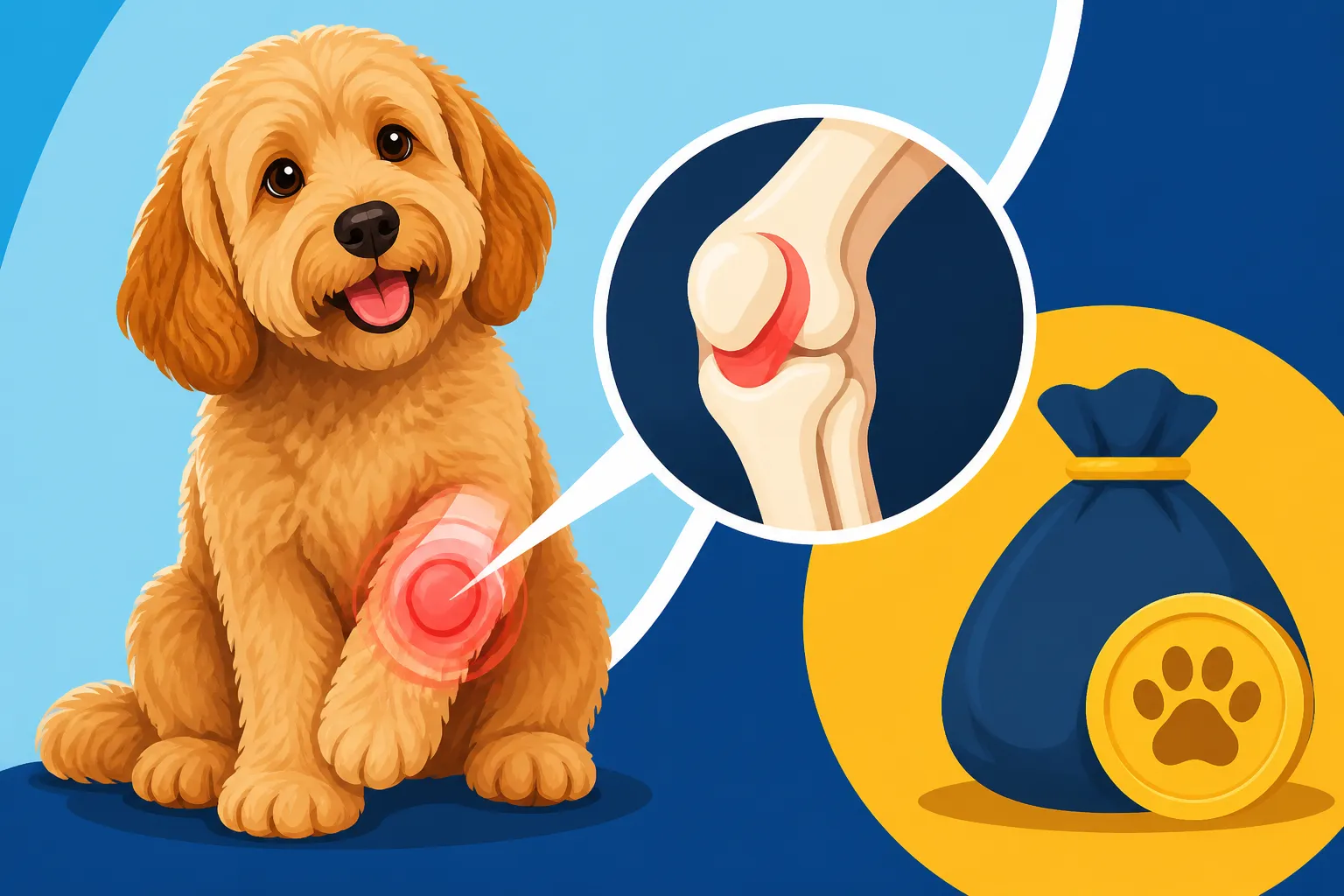
Patellar luxation, simply put, means your dog's kneecap (patella) slips out of its normal groove in the thigh bone (femur). It's incredibly common in smaller breeds, and since Cockapoos often come from Miniature or Toy Poodles and Cocker Spaniels, they are definitely on the radar for this condition. It's not something you can usually prevent with diet or exercise alone, as it's largely genetic.
What is Patellar Luxation and Why Are Cockapoos Susceptible?
Imagine your kneecap as a small bone that should sit snugly in a shallow groove at the end of the femur. When a dog has patellar luxation, this kneecap pops out of that groove, either to the inside (medial luxation, which is most common in smaller dogs like Cockapoos) or to the outside (lateral luxation). This can happen occasionally, causing a skip or a momentary limp, or it can be a constant issue, leading to significant pain and mobility problems.
The reason Cockapoos are so susceptible really boils down to their genetics. Both parent breeds, especially the smaller Poodles and certain lines of Cocker Spaniels, have a predisposition to this condition. Breeders are supposed to screen for it, but unfortunately, not all do, and sometimes it can develop or worsen over time even with the best intentions. The shape of the femur, the depth of the patellar groove, and the alignment of the leg muscles all play a role, and these are traits passed down through generations. When you see your Cockapoo do The Skip That Means a Cockapoo's Knee Has Slipped, it's a clear sign something is amiss and needs veterinary attention.
Veterinarians grade patellar luxation from Grade 1 to Grade 4, with Grade 1 being the mildest (the kneecap can be manually luxated but pops back in easily) and Grade 4 being the most severe (the kneecap is permanently luxated and cannot be put back in). The grade significantly impacts whether surgery is recommended and how complex that surgery might be. For a Grade 1 luxation, your vet might suggest conservative management, focusing on strengthening exercises and joint supplements. However, for higher grades, especially if your dog is experiencing pain, lameness, or developing arthritis, surgery becomes a more serious consideration. It's a tough decision, but knowing The Patella Grade at Which a Cockapoo Is Operated can help guide your conversation with the vet.
Diagnosing Patellar Luxation: Initial Vet Visits and Tests
The journey to patella surgery begins with a thorough veterinary examination. If you notice your Cockapoo suddenly holding up a back leg, hopping, or refusing to jump, your first stop should be your regular vet. During this initial visit, your vet will perform a physical exam, which includes palpating your dog's knee joint to feel for instability. They'll gently manipulate the kneecap to see if it moves out of place, and if so, how easily it returns. This hands-on assessment is crucial for grading the luxation.
Beyond the physical exam, your vet will almost certainly recommend X-rays. While X-rays don't directly show the kneecap moving, they are invaluable for assessing the overall bone structure of the leg, including the depth of the patellar groove, any rotation in the tibia or femur, and the presence of arthritis, which can develop over time due to the abnormal movement of the joint. These images help confirm the diagnosis and rule out other potential causes of lameness, like hip dysplasia, a torn cruciate ligament, or Legg-Calve-Perthes disease. Initial vet visits, including the exam and X-rays, will incur costs, usually ranging from a few hundred dollars. This initial diagnostic phase is essential because it provides the roadmap for any treatment, surgical or otherwise.
It's important to remember that diagnosing patellar luxation early can sometimes lead to better long-term outcomes, even if it's just to monitor the condition. Regular check-ups are vital, especially for breeds prone to such issues. For instance, sometimes it can feel like Whether a Toy Cockapoo's Knees Go First, leading to early intervention conversations.
Factors Influencing Patella Surgery Costs
The cost of patella surgery isn't a fixed number; it's a spectrum influenced by many variables. It's not like buying a specific item off a shelf, but rather a complex service with different components. Understanding these factors can help you anticipate the financial commitment involved and ask informed questions of your veterinary team.
Geographic Location and Veterinary Practice Differences
Where you live can have a significant impact on the price you'll pay for your Cockapoo's patella surgery. Veterinary costs, much like human healthcare costs, tend to be higher in large metropolitan areas compared to rural or suburban regions. This difference is often due to higher overheads for practices in cities, including rent, staff salaries, and specialized equipment. A veterinary surgical specialist in a busy urban center might have a higher fee structure than a general practitioner in a smaller town, even for the same procedure.
Furthermore, whether you opt for a general veterinary practice or a specialized orthopedic surgeon will also affect the bill. While many general vets are capable of performing patella surgery, complex cases or higher-grade luxations might be referred to a board-certified veterinary surgeon. These specialists have advanced training and equipment, which often translates to higher fees. It’s always worth getting a referral if your vet suggests it, as a specialist’s expertise can lead to a more successful outcome, even if it initially seems more costly. They also tend to have more advanced pain management protocols and post-operative care options.
Severity of Luxation and Surgical Techniques
The grade of your Cockapoo's patellar luxation plays a direct role in determining the complexity and, therefore, the cost of the surgery. A Grade 1 luxation rarely requires surgery, but a Grade 3 or 4 will almost certainly need intervention. The surgical techniques employed can vary based on the specific anatomical abnormalities causing the luxation.
Common surgical techniques include:
- Trochlear Sulcoplasty: Deepening the groove in the femur where the kneecap sits. This might involve wedge recession or block recession techniques.
- Tibial Tuberosity Transposition: Repositioning the attachment point of the patellar ligament on the tibia to better align the kneecap.
- Capsular Overlap: Tightening the joint capsule to provide more stability.
- Fascial Release: Releasing tension on one side of the joint to help realign the kneecap.
Often, a combination of these techniques is required, especially for more severe luxations. A straightforward case might only need one or two procedures, while a more complex one could involve multiple adjustments, increasing surgical time, resources, and the surgeon's fee. Each additional procedure adds to the overall cost because it requires more skill, time, and specialized equipment. Discussing the exact surgical plan with your vet and understanding which techniques will be used can give you a better idea of the potential cost.
Pre-surgical Bloodwork and Anesthesia
Before any surgery, especially one requiring general anesthesia, your Cockapoo will need a battery of pre-surgical tests. These tests are vital to ensure your dog is healthy enough to undergo the procedure and to minimize anesthetic risks. Standard pre-surgical work typically includes:
- Blood Panel: A complete blood count (CBC) to check for anemia, infection, and platelet levels, and a chemistry panel to assess organ function (kidneys, liver) and blood sugar.
- Urinalysis: To check kidney function and rule out urinary tract infections.
- ECG (Electrocardiogram): Sometimes recommended, especially for older dogs or those with suspected heart issues, to evaluate heart rhythm.
These tests add to the overall cost but are non-negotiable for your dog's safety. The cost of anesthesia itself is another significant component. This includes the anesthetic drugs, the time spent under anesthesia, and the continuous monitoring by a veterinary technician. Monitoring equipment typically includes devices to track heart rate, respiratory rate, blood pressure, oxygen saturation, and body temperature. Younger, healthier dogs might have lower anesthetic risks and potentially shorter anesthetic times, while older Cockapoos or those with underlying health conditions might require more intensive monitoring and specialized anesthetic protocols, increasing the cost. This thorough approach helps catch any potential issues before, during, or after the procedure, ensuring the safest possible experience for your furry friend.
Breaking Down the Surgical Bill
When you receive the estimate for your Cockapoo's patella surgery, it can feel like a dizzying list of charges. Breaking it down into its main components can help demystify the process and allow you to ask targeted questions about each line item. It's not just one lump sum; it's a culmination of professional services, specialized equipment, and dedicated care.
Surgeon's Fees and Operating Room Expenses
The largest portion of your bill will undoubtedly be the surgeon's fee. This covers the highly specialized skill, experience, and time of the veterinary surgeon performing the intricate procedure. Surgical fees can vary widely based on the complexity of the case, the surgeon's qualifications (a board-certified orthopedic surgeon will typically charge more than a general practitioner), and the geographic location of the practice, as we discussed earlier. This fee compensates them for years of education, specialized training, and the precision required to correctly realign your Cockapoo's kneecap.
In addition to the surgeon's direct fee, there are also operating room expenses. This encompasses everything required to create a sterile, safe environment for surgery. It includes the use of the operating suite, sterilization of instruments, surgical gowns, drapes, gloves, and other consumables used during the operation. Think of it as the cost of setting the stage for a critical medical procedure. These expenses ensure that the surgery is performed in the safest possible conditions, minimizing the risk of infection and maximizing the chances of a successful outcome for your Cockapoo.
Anesthesia Monitoring and Post-Operative Care
Anesthesia is a critical component of any surgery, and proper monitoring is paramount to your Cockapoo's safety. The cost of anesthesia monitoring includes the drugs used to sedate and maintain unconsciousness, as well as the dedicated presence of a veterinary technician or anesthetist whose sole job is to monitor your dog's vital signs throughout the entire procedure. They'll be watching heart rate, breathing, blood pressure, oxygen levels, and temperature, making adjustments as needed. This constant oversight ensures your Cockapoo remains stable and safe under anesthesia, significantly reducing risks.
Once the surgery is complete, your Cockapoo won't just be sent home immediately. They will require a period of immediate post-operative care, often involving an overnight stay or at least several hours of close observation. This care includes pain management, fluid therapy (if needed), monitoring for any complications like excessive bleeding or swelling, and ensuring they wake up comfortably from anesthesia. The cost for this recovery period covers the nursing staff's time, the use of recovery kennels, warming blankets, and any initial medications administered immediately after surgery. This phase is crucial for a smooth transition from the operating table to the beginning of their healing journey.
Medications and Follow-Up Appointments
The surgical procedure itself is only one part of the cost puzzle; the care doesn't stop once your Cockapoo leaves the operating room. Post-operative medications are essential for managing pain, preventing infection, and reducing inflammation. You'll typically go home with a regimen of pain relievers, anti-inflammatories, and possibly antibiotics. These medications are crucial for your Cockapoo's comfort and to support the healing process, and their cost will be an additional item on your bill. Sometimes your vet might recommend specific joint supplements as well, to aid in recovery and long-term joint health.
Beyond medication, follow-up appointments are a non-negotiable part of the recovery process. Your vet will need to check the incision site, ensure proper healing, and assess your Cockapoo's mobility. These appointments typically involve bandage changes, suture removal, and re-evaluations of the knee. Often, X-rays will be recommended weeks or months after surgery to ensure the bones are healing correctly and the kneecap remains stable. Each of these follow-up visits, including any additional imaging, will incur separate consultation and procedure fees. It’s important to factor these recurring costs into your budget, as skipping them can jeopardize the success of the surgery.
Hidden and Ancillary Costs of Recovery
When you're facing patella surgery for your Cockapoo, it's easy to focus solely on the immediate surgical bill. However, the true financial picture extends far beyond the operating room. There are often significant "hidden" or ancillary costs during the recovery period that can quickly add up and catch owners by surprise if they haven't planned for them. These aspects of care are just as vital to your dog's full recovery and long-term well-being.
Rehabilitation and Physical Therapy
Surgery is often just the first step; proper rehabilitation and physical therapy are absolutely critical for a successful outcome after patella surgery. Without it, your Cockapoo might not regain full strength, range of motion, or proper gait, and could even be at higher risk for issues in the other knee. Veterinary rehabilitation specialists use a variety of techniques to aid recovery, which can include:
- Therapeutic Exercises: Gentle range-of-motion exercises, core strengthening, and balance work.
- Hydrotherapy: Underwater treadmill sessions can be incredibly beneficial, providing buoyancy to reduce weight-bearing stress while allowing for muscle strengthening.
- Massage and Manual Therapy: To alleviate muscle soreness and improve circulation.
- Laser Therapy: To promote healing and reduce inflammation.
These specialized sessions aren't cheap and often require multiple visits per week initially, gradually decreasing in frequency. A full course of rehabilitation can last for several weeks to months, adding hundreds, if not thousands, of dollars to your total cost. While it's an investment, it dramatically improves the chances of your Cockapoo making a complete and comfortable recovery, allowing them to get back to their playful self. When considering options like Whether Glucosamine Helps a Cockapoo post-surgery, it's often discussed in conjunction with a rehab plan.
Pain Management at Home and Convalescence Supplies
Bringing your Cockapoo home after surgery means transitioning to a period of strict rest and careful management, which comes with its own set of expenses. You'll likely continue a regimen of pain medications and anti-inflammatories for several weeks, and the cost of these prescription refills needs to be factored in. Additionally, ensuring your dog is comfortable and safe during their recovery might require some specific supplies.
These can include:
- E-collar (Cone of Shame): Essential to prevent licking or chewing at the incision, often provided by the vet, but replacements might be needed.
- Soft bedding or orthopedic dog bed: To provide comfortable support during prolonged rest.
- Ramps or steps: To prevent jumping on and off furniture, which could reinjure the knee.
- Non-slip mats or rugs: If you have slick floors, these are crucial to prevent slips and falls.
- Harnesses or slings: To help support your Cockapoo when going outside for potty breaks, especially in the initial weeks.
- Enrichment toys: To keep a bored, recovering Cockapoo mentally stimulated without physical exertion. Brands like Chewy often have a wide selection of these recovery aids and enrichment toys that can make a big difference during this confined period.
The combined cost of these ongoing medications and necessary supplies, though individually small, can add up to a substantial amount over the recovery period, which can last for two to three months or even longer depending on the individual dog and severity of the surgery.
Potential Complications and Re-operation
While patella surgery generally has a good success rate, it's crucial to be aware that complications can arise, adding unexpected costs to your journey. No surgery is without risk, and sometimes, despite everyone's best efforts, things don't go perfectly. These complications might include:
- Infection: Surgical site infections can occur, requiring additional vet visits, antibiotics, and in severe cases, further surgical intervention to clean the site.
- Implant failure: If surgical pins or wires were used, they could loosen, migrate, or break, necessitating another surgery to remove or replace them.
- Re-luxation: In some cases, the patella can re-luxate, especially if the underlying anatomical issues were very severe or if the dog experiences trauma during recovery. This can lead to the need for a revision surgery.
- Anesthetic complications: Though rare with proper pre-screening and monitoring, adverse reactions to anesthesia can occur.
- Arthritis progression: Even with successful surgery, arthritis can still develop or progress in the affected joint over time, potentially requiring ongoing management with medication or supplements later in life, contributing to costs like those seen in Arthritis in a Cockapoo at Eleven.
Each of these complications would require further veterinary consultations, diagnostics, treatments, and potentially another surgery, which means another round of expenses. It's an unfortunate reality, but being mentally and financially prepared for the possibility of a setback is a wise part of ownership, especially given The Full Cost of Sixteen Years With a Cockapoo for even a perfectly healthy dog.
Managing the Financial Burden
The thought of patella surgery costs can be daunting for any Cockapoo owner. However, there are several strategies and resources available that can help alleviate the financial strain and make sure your beloved companion gets the care they need without breaking the bank. Planning ahead and knowing your options can make a world of difference.
Pet Insurance and Patellar Luxation Coverage
One of the most effective ways to manage unexpected veterinary costs like patella surgery is to invest in pet insurance. If you have a policy in place before your Cockapoo shows any signs of patellar luxation, it can cover a significant portion of the surgical expenses, including diagnosis, surgery, and post-operative care. However, this is where the timing is critical. Pet insurance policies typically consider conditions like patellar luxation to be "pre-existing conditions" if your dog has shown symptoms or been diagnosed before the policy starts or during the waiting period. If it's deemed pre-existing, it usually won't be covered.
When looking at pet insurance providers, ask detailed questions about orthopedic coverage. Companies like Healthy Paws are known for their comprehensive coverage, but it's vital to read the fine print regarding waiting periods, hereditary conditions, and bilateral exclusions (where if one knee is affected before coverage, the other knee won't be covered if it later develops the same condition). Understanding What Insuring a Cockapoo Runs Monthly is the first step, then delve into what exactly is covered. If you already have insurance, review your policy immediately to understand your benefits and any limitations before your Cockapoo needs surgery.
Payment Plans and Veterinary Financing Options
Even with insurance, or if you don't have it, there are still ways to make patella surgery affordable. Many veterinary hospitals understand the financial burden of these procedures and offer various payment solutions. Don't be afraid to have an open conversation with your vet's office about your financial concerns.
Common options include:
- In-house Payment Plans: Some veterinary practices offer their own payment plans, allowing you to pay the bill in installments over a set period. These are usually interest-free but may require a down payment.
- Third-Party Veterinary Financing: Services like CareCredit are widely accepted by veterinary clinics. These are essentially credit cards specifically for healthcare expenses, often offering promotional periods with deferred interest if the balance is paid within a certain timeframe. Be sure to understand the terms and interest rates if you don't pay off the balance during the promotional period.
- Negotiating with Your Vet: In some cases, especially if you have a long-standing relationship with your vet, they might be willing to discuss options or provide a slight adjustment to the bill, though this is not always guaranteed.
Always ask for a detailed estimate upfront, compare it with other clinics if possible, and discuss all available payment options before committing to the surgery. Being proactive can save you a lot of stress down the line.
Budgeting for Unexpected Vet Bills
Responsible pet ownership includes preparing for the unexpected. While we hope our Cockapoos remain healthy and never need major surgery, the reality is that accidents and illnesses happen. Beyond specific financing for patella surgery, developing a long-term strategy for vet bills is incredibly smart.
Consider setting up a dedicated savings account specifically for your pet's healthcare needs. Even putting away a small amount each month can build up over time and provide a safety net for emergencies. This proactive approach helps when faced with large, unexpected costs. For instance, creating a fund for Setting Money Aside for a Cockapoo's Vet Bills can mitigate the shock of a sudden surgical expense.
Additionally, remember that routine preventative care, such as annual check-ups, vaccinations, and parasite prevention, can sometimes help catch issues early before they become critical and more expensive. While not directly related to preventing a genetic condition like patellar luxation, good overall health can certainly improve a Cockapoo's resilience and recovery if surgery is needed. Being prepared allows you to focus on your Cockapoo's recovery rather than being consumed by financial worry.
Cost Comparison Table for Patella Surgery Components
To give you a clearer picture of how the costs can break down for Cockapoo patella surgery, here’s a table outlining potential ranges for different components. Please remember these are general estimates and can fluctuate significantly based on location, vet practice, and individual case complexity. Always get a detailed estimate from your veterinarian.
| Cost Component | Estimated Price Range (USD) | Notes |
|---|---|---|
| Initial Vet Exam & X-rays | $150 – $500 | Diagnosis and preliminary assessment. |
| Pre-surgical Bloodwork | $150 – $350 | To ensure your Cockapoo is healthy enough for anesthesia and surgery. |
| Surgeon's Fee | $1,000 – $3,500 | Covers the surgeon's time, expertise, and the core surgical procedure. Varies by specialist vs. GP. |
| Anesthesia & Monitoring | $400 – $1,000 | Includes anesthetic drugs, gases, and dedicated technician monitoring during surgery. |
| Operating Room & Supplies | $200 – $600 | Sterile environment, instruments, consumables used during surgery. |
| Hospitalization/Recovery | $100 – $400 | Post-op observation, pain management, IV fluids immediately after surgery (per day/night). |
| Post-Op Medications | $50 – $200+ | Pain relievers, anti-inflammatories, antibiotics for home use. |
| Follow-up Exams/Suture Removal | $50 – $150 per visit | Multiple visits needed over several weeks. |
| Post-Op X-rays | $100 – $300 | To check healing and alignment weeks or months later. |
| Rehabilitation/Physical Therapy | $50 – $150 per session | Can be crucial for full recovery; multiple sessions needed (often weekly for several months). |
| Recovery Supplies (Cone, Slings, Bedding) | $50 – $200 | One-time or ongoing costs for items like special harnesses, ramps, or replacement cones. |
| Total Estimated Cost | $2,260 – $8,300+ | This range is broad and depends heavily on all factors discussed above. Complications would add more. |
Caring for a Cockapoo with a condition like patellar luxation can be a significant emotional and financial journey. Understanding all aspects of the cost involved, from the initial vet visit to long-term rehabilitation, is essential for making informed decisions and ensuring your furry family member receives the best possible care. While the numbers can seem high, remember that many options exist to help manage these expenses, and your Cockapoo's comfort and mobility are priceless.
Disclaimer
This article is for general informational purposes only and does not constitute professional advice. Laws, prices and regulations vary by location and change over time. Consult a qualified professional for guidance on your specific situation.