What Glaucoma Costs a Cockapoo Owner
Finding out your beloved Cockapoo has glaucoma can be utterly heartbreaking, bringing with it a wave of panic and a slew of urgent questions about their vision, their comfort, and frankly, the potential financial burden. This guide is here to walk you through what glaucoma truly means for your Cockapoo, the immediate and ongoing costs involved in managing this serious eye condition, and how to prepare for the road ahead.
Understanding Glaucoma in Cockapoos: The Initial Shock
When your veterinarian delivers the news that your Cockapoo has glaucoma, it feels like the world stops spinning. This isn't just a simple eye irritation; it's a severe and often painful condition that, if left untreated, can lead to irreversible blindness. As a Cockapoo owner, you might already be aware that certain health concerns, like eye issues, can sometimes originate from their Cocker Spaniel heritage. For instance, knowing about Glaucoma From the Cocker Side of a Cockapoo can help you understand the genetic predispositions.
What Glaucoma Means for Your Cockapoo
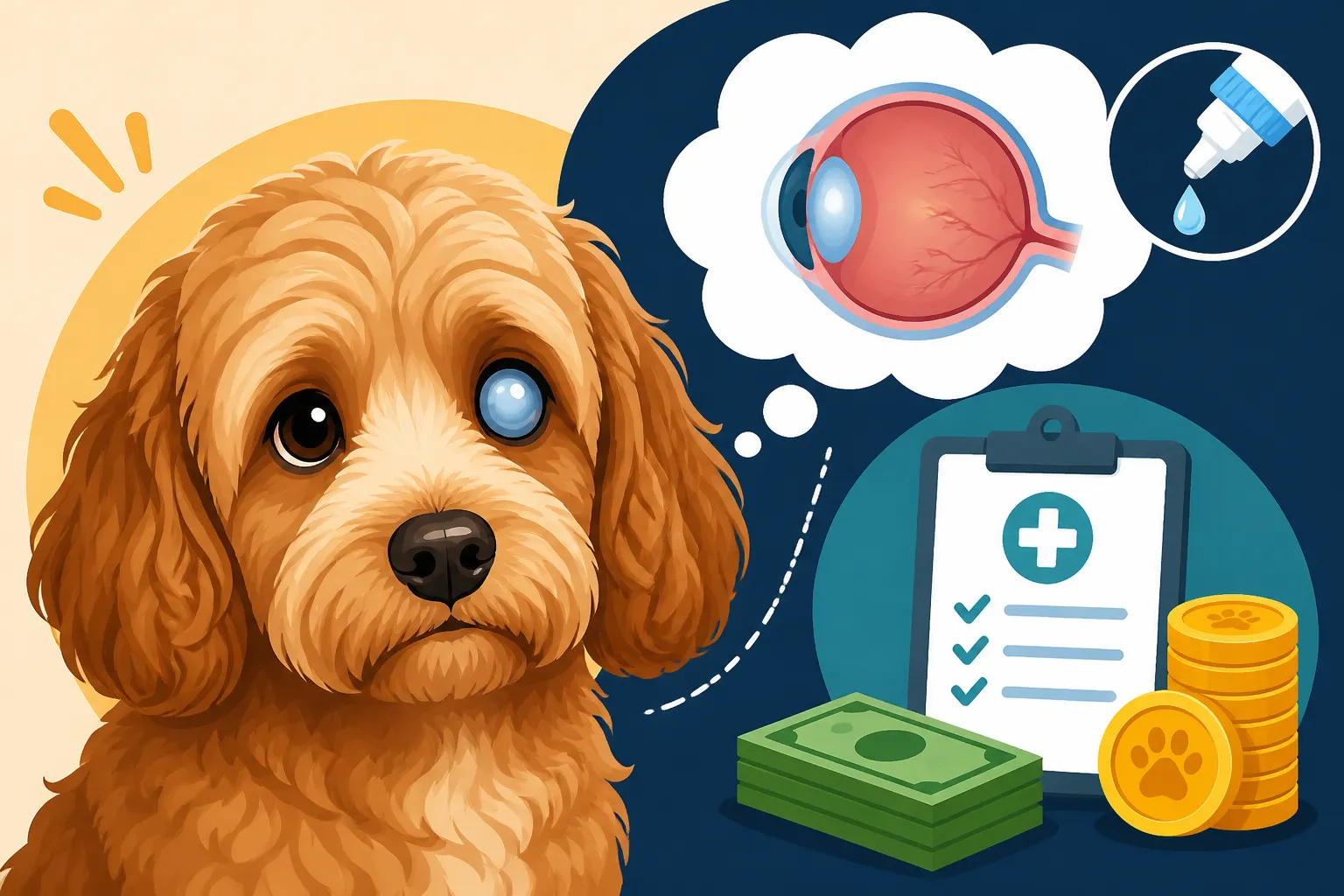
Glaucoma is characterized by increased pressure within the eye, which damages the optic nerve and retina. Imagine a balloon being constantly overfilled with air; eventually, the walls will stretch and damage, much like the delicate structures inside your dog's eye. This pressure causes significant pain, leading to discomfort that your dog might not always overtly show, but it's there. Without intervention, this damage progresses rapidly, making it a true emergency.
The underlying cause can be primary glaucoma, often inherited, or secondary glaucoma, resulting from another eye condition like inflammation, trauma, or a tumor. For Cockapoo owners, primary glaucoma is a particular concern given the breed's lineage. Understanding the distinction is crucial because it influences both treatment strategy and long-term prognosis. This is why a comprehensive diagnosis is the first, often expensive, step.
The Urgency of a Glaucoma Diagnosis
Time is truly of the essence when it comes to glaucoma. Every hour that the intraocular pressure (IOP) remains elevated, more damage occurs to the optic nerve. This means that if you notice signs like a red eye, squinting, or a cloudy appearance, it's not something to "wait and see" about. That reddened eye or sudden change in appearance can signify that The Red Eye That Means a Cockapoo Needs a Vet Tonight and warrants immediate attention. Delay can mean the difference between saving some vision and complete blindness.
The urgency translates directly into the diagnostic process. Your vet won't waste time. They'll likely perform a tonometry test to measure the eye pressure, a crucial step that gives them immediate insight into the severity of the situation. This initial visit is an emergency, and emergency care always comes with a higher price tag due to specialized staff, equipment, and immediate availability.
Initial Diagnostic Procedures and Their Costs
The diagnostic phase is critical for confirming glaucoma and determining its type and severity. Beyond the basic eye exam, several tests are essential. The most immediate is tonometry, using a special instrument to measure the pressure inside the eye. This test is relatively quick but requires specialized equipment.
Further diagnostics might include gonioscopy to examine the drainage angle of the eye, which helps differentiate between primary and secondary glaucoma. An ocular ultrasound might also be necessary to check for other issues within the eye or behind it, like retinal detachment or tumors, especially if secondary glaucoma is suspected. These specialized tests, often performed by a veterinary ophthalmologist, contribute significantly to the initial bill. You might be looking at costs for multiple consultations, diagnostic imaging, and potentially overnight observation if the pressure is dangerously high.
Navigating Immediate Treatment Options and Expenses
Once glaucoma is diagnosed, the focus immediately shifts to reducing intraocular pressure and preserving vision. This often involves a multi-pronged approach, which means a combination of medications and, in many cases, surgical intervention.
Emergency Veterinary Care: Saving Your Cockapoo's Sight
As we've touched on, glaucoma is often an emergency. If your Cockapoo presents with acute glaucoma, they will need immediate, intensive veterinary care to reduce the eye pressure quickly. This might involve an emergency visit to a specialized veterinary clinic or an animal emergency hospital. This urgent care usually means higher fees than a regular daytime appointment, often including after-hours charges.
The emergency treatment typically involves a combination of strong eye drops administered frequently and sometimes oral medications to rapidly decrease the pressure. Your Cockapoo might need to stay at the clinic for several hours, or even overnight, for continuous monitoring of eye pressure and medication administration. This intensive care, while crucial for their sight, will significantly contribute to the initial costs, underscoring why Whether Glaucoma in a Cockapoo Is an Emergency is a question with significant financial implications.
Medication Protocols: The Daily Regimen
For most Cockapoos diagnosed with glaucoma, medication becomes a lifelong commitment. The primary goal of these medications, usually in the form of eye drops, is to reduce the production of fluid in the eye or increase its drainage. Your veterinarian will likely prescribe a combination of drops, and these need to be administered diligently, often multiple times a day, every single day.
These specialized eye drops are not inexpensive, and depending on the severity of the condition and the number of medications required, they can represent a substantial recurring monthly expense. Some common medications include prostaglandin analogs, beta-blockers, carbonic anhydrase inhibitors, and osmotic diuretics. While you might be able to get some common pet medications from online pharmacies like Chewy, always ensure your vet approves the source and dosage. Over time, the cost of these daily medications can add up considerably, becoming one of the most significant long-term expenses for a Cockapoo owner dealing with glaucoma.
Surgical Interventions: When Drops Aren't Enough
Sometimes, eye drops alone aren't enough to control the pressure, or the glaucoma is too advanced by the time it's diagnosed. In these cases, surgical intervention might be recommended by a veterinary ophthalmologist. There are several surgical options, each with its own complexity and cost.
Table: Glaucoma Surgical Options for Cockapoos
| Surgical Procedure | Description | Purpose | Complexity & Recovery |
|---|---|---|---|
| Laser Cyclophotocoagulation | Uses a laser to destroy cells that produce fluid in the eye. | Reduces fluid production to lower intraocular pressure. | Moderate, often needs follow-up. |
| Gonioimplantation (Shunt Surgery) | Implants a small tube (shunt) to drain fluid from the eye. | Creates an alternative pathway for fluid drainage. | High, potential for complications. |
| Cyclocryotherapy | Uses extreme cold to destroy fluid-producing cells. | Similar to laser, aims to decrease fluid production. | Moderate, can be less precise than laser. |
| Enucleation | Surgical removal of the eye. | Eliminates pain and disease when other treatments fail or vision is lost. | High, permanent, significant recovery. |
Laser surgery or shunt implantation can be options to save vision in the affected eye, though success isn't always guaranteed, and these procedures are quite costly due to the specialized equipment and expertise required. If the glaucoma has already led to irreversible blindness and is causing severe, unmanageable pain, then enucleation (removal of the eye) may be the most humane option. While emotionally difficult, removing the eye can greatly improve your Cockapoo's quality of life by eliminating chronic pain. The cost of enucleation, while a one-time expense, is also significant. The decision of Whether a Glaucomatous Cockapoo Loses the Eye is a painful one, often driven by both medical necessity and financial considerations.
Long-Term Management and Ongoing Financial Commitments
Successfully managing glaucoma in a Cockapoo isn't a sprint; it's a marathon. Even after initial treatment, whether it's medication or surgery, your dog will require consistent long-term care, which carries its own set of ongoing financial commitments.
Regular Follow-Up Appointments and Eye Checks
After a glaucoma diagnosis, routine follow-up appointments are absolutely essential. Your veterinary ophthalmologist will need to monitor your Cockapoo's eye pressure regularly, often weekly or bi-weekly initially, then monthly or quarterly depending on stability. These frequent check-ups are crucial to ensure the medications are working effectively and to catch any spikes in pressure before they cause further irreversible damage. Each of these specialized appointments comes with a consultation fee, on top of any rechecks of eye pressure.
These visits are more than just quick glances; they often involve repeat tonometry tests and thorough examinations of the optic nerve and retina. The goal is to fine-tune the treatment plan as needed, adjusting medication dosages or even switching medications if efficacy wanes. Investing in these regular checks, much like the general The Kidney and Eye Checks a Cockapoo Needs Yearly, is paramount to maintaining your Cockapoo's eye health and comfort for as long as possible.
Lifelong Medication and Monitoring
As mentioned, glaucoma medications are typically a lifelong necessity. This means a continuous monthly expense for eye drops and sometimes oral medications. The specific cost will vary depending on the type and quantity of medication prescribed, but it's a budget item you'll need to factor in for the rest of your Cockapoo's life.
Beyond the cost of the medications themselves, there's the ongoing commitment to administering them correctly and on schedule. Missing doses can lead to dangerous pressure spikes. Some dogs might also require additional supportive treatments, such as lubricants for dry eye, which can sometimes be a side effect of glaucoma medications, adding another layer to the ongoing expense and care routine. You might consider services like Chewy's auto-ship for consistent delivery of these vital medications.
Adapting Your Home for a Visually Impaired Cockapoo
If, despite all efforts, your Cockapoo does experience significant vision loss or even blindness due to glaucoma, you'll need to make adaptations around your home. This process of helping a Whether a Blind Cockapoo Manages at Home involves both emotional support and practical changes, some of which may incur additional costs.
These adaptations can include things like keeping furniture in consistent locations to prevent bumps, using scent markers or tactile rugs to help them navigate, and providing sensory toys. You might also invest in halo harnesses or bumper vests designed to protect their head as they learn to navigate. While many changes are behavioral and require patience, items like puzzle feeders to engage other senses or special harnesses are tangible costs to consider as you create a safe and comfortable environment for your visually impaired companion.
The Role of Pet Insurance and Financial Planning
The sudden and ongoing costs associated with glaucoma treatment can be overwhelming. This is where proactive financial planning, especially through pet insurance, can make a significant difference in your ability to provide the best care for your Cockapoo.
Evaluating Pet Insurance for Eye Conditions
Pet insurance can be a lifesaver when faced with expensive conditions like glaucoma. However, it's crucial to understand what your policy covers and, more importantly, what it doesn't. Many policies have waiting periods before certain conditions are covered, and most will not cover "pre-existing conditions." This means if your Cockapoo is diagnosed with glaucoma before you have a policy or before the waiting period for eye conditions is over, it likely won't be covered.
When looking at pet insurance providers, inquire specifically about hereditary conditions and chronic illnesses. Some providers, like Healthy Paws, are known for comprehensive coverage that can help with unexpected illnesses and accidents. Always read the fine print regarding specialized care, like ophthalmologist visits, and ongoing medication. Understanding What Insuring a Cockapoo Runs Monthly is just one piece of the puzzle; knowing the specifics of what that premium actually buys you is critical.
Understanding Deductibles and Coverage Limits
Even with pet insurance, you won't escape all costs. Pet insurance policies typically have deductibles, which is the amount you pay out-of-pocket before your insurance starts to reimburse you. They also have reimbursement percentages, meaning they'll pay a certain percentage (e.g., 70%, 80%, or 90%) of the eligible vet bill after the deductible is met.
Additionally, many policies have annual or lifetime coverage limits. For a chronic, expensive condition like glaucoma that requires lifelong medication and potentially multiple surgeries, reaching these limits is a real possibility. This means that while insurance can significantly mitigate the financial impact, you will still be responsible for a portion of the costs. Understanding these parameters upfront helps you budget more realistically for your Cockapoo's care. It's also worth noting that some policies may have exclusions for certain hereditary conditions, so always clarify whether conditions like glaucoma (especially if deemed hereditary) are included, much like you might inquire Whether Hereditary Kidney Disease Is Excluded on a Cockapoo with a different health concern.
Budgeting for Unexpected Veterinary Bills
Beyond insurance, having an emergency fund specifically for your pet's health can provide immense peace of mind. Glaucoma often strikes suddenly, and the initial emergency treatment can easily run into substantial amounts. Setting aside a dedicated savings account for your Cockapoo's potential vet bills ensures you're not caught off guard by a diagnosis that requires immediate, expensive intervention.
This financial planning also extends to ongoing costs. Create a realistic budget that includes the monthly cost of medications, regular check-ups, and potential adaptations for a visually impaired pet. Exploring options like flexible spending accounts (FSAs) if available through your employer, or even veterinary payment plans, can also help manage the financial strain when big bills arise. Many clinics offer options, and some third-party services provide financing for veterinary care.
Preventative Measures and Early Detection Strategies
While glaucoma can be inherited and sometimes unavoidable, proactive measures and keen observation can play a vital role in early detection, potentially improving outcomes and managing costs.
Regular Eye Exams: A Crucial Investment
Regular veterinary check-ups, including thorough eye examinations, are your first line of defense. During these routine visits, your veterinarian can perform basic eye pressure checks, especially if your Cockapoo is older or has known risk factors. Early detection of slightly elevated pressure, even before overt symptoms appear, can allow for earlier intervention, which is often less intensive and less costly than treating acute, advanced glaucoma.
For Cockapoos, given their predisposition to certain eye conditions, specific routine checks are even more important. It's a bit like making sure your pup gets The Kidney and Eye Checks a Cockapoo Needs Yearly to catch problems before they become crises. If your vet notes any concerns, they might recommend a referral to a veterinary ophthalmologist for more specialized screening, such as a yearly CAER exam, which helps monitor for various eye diseases. Knowing Whether a Cockapoo Needs a Yearly CAER Exam can be a game-changer for early detection.
Recognizing Early Warning Signs at Home
As a Cockapoo owner, you are your dog's best advocate. Being vigilant and familiar with the subtle signs of eye trouble can help you catch glaucoma early. Look for changes in your dog's eyes or behavior. These can include:
- Redness in the white of the eye
- Cloudiness or haziness of the cornea (the clear front part of the eye)
- Squinting, blinking excessively, or holding an eye partially closed
- Rubbing or pawing at the eye
- Sensitivity to light
- A dilated pupil that doesn't react to light
- Changes in vision, such as bumping into furniture or reluctance to go down stairs
- Lethargy or changes in appetite due to pain
If you observe any of these signs, don't hesitate to contact your vet immediately. Even if it turns out not to be glaucoma, prompt attention to eye issues is always recommended. This kind of attentive observation can literally save your dog's sight.
Breeder Responsibility and Genetic Testing
For prospective Cockapoo owners, choosing a responsible breeder is paramount in mitigating the risk of inherited conditions like primary glaucoma. Reputable breeders will perform genetic health screenings on their breeding dogs and be transparent about their dogs' health histories. When you are looking for a puppy, do not be afraid to ask for specific health clearances.
You should always be Asking for a Cockapoo's Eye Certificates and specifically inquire about the parents' eye health, including any history of glaucoma in their lineage. While there isn't a direct genetic test for glaucoma in all breeds, breeders of parent breeds known for glaucoma should be actively screening their breeding stock. A good breeder will prioritize health and do everything in their power to reduce the likelihood of passing on hereditary conditions, offering you a healthier start with your beloved Cockapoo.
Disclaimer
This article is for general informational purposes only and does not constitute professional advice. Laws, prices and regulations vary by location and change over time. Consult a qualified professional for guidance on your specific situation.