Dental Disease in a Small Cockapoo’s Mouth
It’s a tale as old as time for many small dog owners: you lean in for a sweet snuggle with your adorable Cockapoo, and instead of a pleasant puppy breath, you’re hit with a pungent, unmistakable odor that screams "dentist visit." This isn't just an unpleasant aroma; it's often the first, most obvious red flag that something serious is brewing beneath the surface, potentially impacting your beloved companion's overall health and comfort. This guide is here to walk you through everything you need to know about dental disease in small Cockapoos, from understanding why they’re so prone to these issues to practical steps for prevention and treatment.
Why Small Cockapoos Face Unique Dental Challenges
You might wonder why your tiny Cockapoo seems to develop dental problems faster or more severely than a larger breed. It's a valid question, and the answer lies in a combination of their charming genetics and physical characteristics. Small dogs, including our beloved Cockapoos, often come with a built-in predisposition to oral health struggles that require diligent attention from their human companions.
The Anatomy of a Crowded Mouth
One of the primary culprits behind dental disease in smaller Cockapoos is simply the architecture of their mouths. Imagine trying to fit the same number of teeth meant for a larger jaw into a much more compact space. What happens? You get overcrowding.
This crowded arrangement creates a perfect storm for dental issues. The teeth sit closer together, sometimes even overlapping, which makes them incredibly difficult to clean effectively, even with regular brushing. Food particles, plaque, and tartar have more nooks and crannies to hide in and cling to, quickly building up and initiating the cycle of gum inflammation and decay. It’s not your Cockapoo’s fault, and it’s certainly not yours; it’s just how their sweet little mouths are structured, and it demands extra vigilance. Understanding this anatomical reality is the first step toward proactive care. This is a common issue, and you can learn more about how it manifests in this breed by looking into Dental Crowding in a Small Cockapoo.
Genetic Predispositions from Parent Breeds
Cockapoos are a delightful mix of Cocker Spaniel and Poodle, and unfortunately, both parent breeds bring their own potential genetic predispositions to the dental health table. While Poodles are known for their intelligence and distinctive coats, they can also be prone to dental issues, including premature tooth loss. Cocker Spaniels, with their lovely floppy ears and sweet expressions, can contribute to overcrowded mouths and a propensity for plaque and tartar buildup.
When you combine these genetic traits, your Cockapoo essentially gets a double whammy when it comes to dental vulnerability. It's not a guarantee that your Cockapoo will get severe dental disease, but it does mean they carry a higher inherent risk. This makes understanding their lineage and the potential for inherited conditions crucial for long-term health planning. Knowing these tendencies helps you be more proactive, recognizing that your pet isn't just a cute face, but a unique blend of genetics that require specific care. For example, understanding issues like What Changes in a Cockapoo After Ten can give insight into age-related health shifts, including dental decline.
Diet and Lifestyle Factors Impacting Oral Health
Beyond genetics and anatomy, your Cockapoo's daily diet and overall lifestyle play a significant role in their dental health. Just like humans, what they eat can either contribute to plaque formation or help naturally clean their teeth. Highly processed kibble, especially those with small, easily swallowed pieces, often doesn't provide enough abrasive action to scrape away plaque.
Conversely, some specially formulated dental diets or certain larger, textured kibbles can offer a mild scrubbing effect as your dog chews. However, it's not just about the food itself; it's about how your Cockapoo eats. Fast eaters who gulp down their food might miss out on any potential cleaning benefits. Moreover, a lack of appropriate dental chews or toys that encourage active chewing can further exacerbate the problem. It’s a holistic picture where diet, chew habits, and even general activity levels intertwine with their inherent predispositions to create their unique dental health profile. It's important to consider all aspects of Feeding a Teacup Cockapoo to ensure optimal dental health.
Recognizing the Silent Signs of Dental Disease
One of the toughest parts about dental disease in dogs is that our furry friends are incredibly good at hiding pain. They can suffer in silence for a long time before we even notice something is wrong. As their primary caregiver, you become their detective, looking for subtle clues that indicate discomfort or infection in their mouth. Catching these signs early is absolutely critical to preventing more severe, painful, and costly problems down the line.
Beyond Bad Breath What to Look For
While bad breath, or halitosis, is the most common and often the first indicator owners notice, it's really just the tip of the iceberg. True "doggy breath" isn't normal; it's a sign of bacterial overgrowth in the mouth. Beyond the smell, you need to become familiar with the visual and tactile signs of dental disease. Start by gently lifting your Cockapoo’s lips regularly to inspect their gums and teeth.
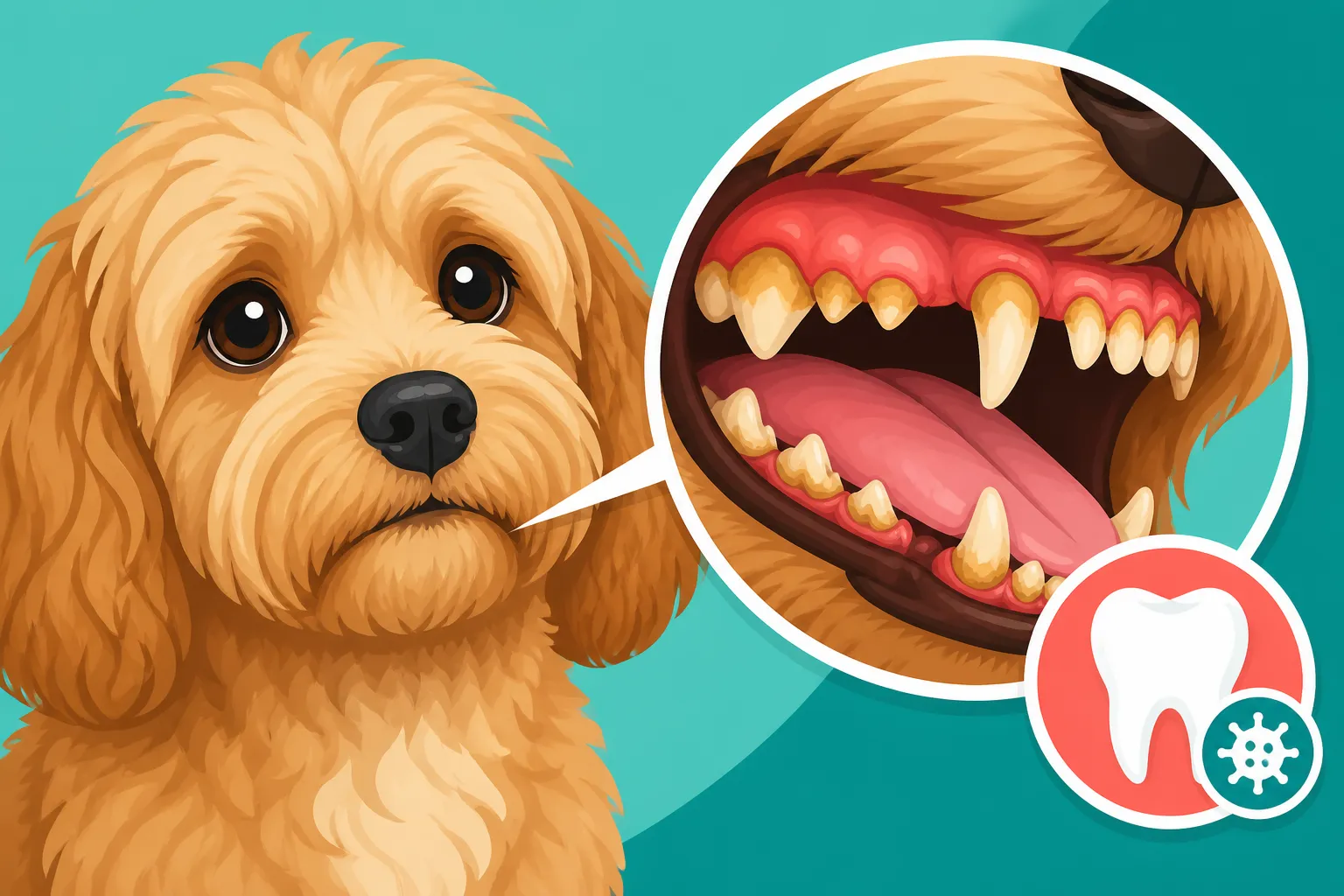
Healthy gums should be a salmon pink color, firm, and should not bleed when lightly touched. Red, swollen, or bleeding gums are classic signs of gingivitis, the earliest stage of periodontal disease. Look for a sticky, yellowish-brown coating on the teeth, especially near the gum line – that’s plaque and tartar buildup. Some teeth might even look discolored or have visible chips or fractures. In advanced stages, you might notice pus around the gum line or even loose teeth. Don't be afraid to gently touch their gums; any sign of discomfort needs immediate attention.
Behavioral Changes as Indicators of Oral Pain
Because dogs are masters of stoicism, sometimes the most telling signs of dental pain come out in subtle shifts in their behavior rather than overt whining or yelping. If your usually enthusiastic eater suddenly becomes pickier, drops food, or chews only on one side of their mouth, it’s a huge red flag. They might seem hesitant to crunch on hard kibble or prefer softer foods, even if they usually love a good chew toy.
Beyond eating habits, watch for other changes. Is your Cockapoo pawing at their mouth more frequently? Rubbing their face against furniture or the floor? Are they drooling excessively, especially if the drool is tinged with blood? Some dogs might become withdrawn, less playful, or even slightly irritable because of chronic pain. Remember, pain can make any creature grumpy. If you notice any of these changes, even if they seem minor, it’s worth a call to your vet. Early intervention can make all the difference, preventing a small problem from turning into a major ordeal requiring extensive procedures like What Extractions Add to a Cockapoo Dental.
Comprehensive Home Dental Care for Your Small Cockapoo
Taking a proactive approach to your Cockapoo's dental health at home is perhaps the single most impactful thing you can do to prevent serious issues. It might seem daunting at first, especially with a wiggly Cockapoo, but consistency and patience are your best friends. Establishing a routine early on can save you a lot of heartache and your pet a lot of discomfort (and potential pain).
The Art of Brushing Your Cockapoo's Teeth
Brushing your Cockapoo’s teeth is the gold standard for home dental care, bar none. It's the most effective way to mechanically remove plaque before it hardens into tartar. Aim for daily brushing, or at least every other day, to make a real difference. You'll need a soft-bristled toothbrush specifically designed for dogs, or even a finger brush if your Cockapoo is small, along with enzymatic dog toothpaste – never use human toothpaste, as it contains ingredients toxic to dogs.
Start slowly and make it a positive experience. Let your Cockapoo lick the toothpaste off the brush first, then gently introduce the brush to their teeth for just a few seconds. Focus on the outside surfaces of the upper teeth, as these are often where plaque accumulates most rapidly. Lift their lip and use small, circular motions, paying extra attention to the gum line. Keep sessions short and always follow with praise and a small reward. Over time, your Cockapoo will likely tolerate it, seeing it as part of their routine. Patience truly pays off here, turning a potential struggle into a bonding opportunity.
Choosing Effective Dental Chews and Toys
While brushing is king, dental chews and toys can be a valuable addition to your home care arsenal, provided you choose them wisely. Not all dental products are created equal, and some can even cause more harm than good. Look for chews that are specifically designed to reduce plaque and tartar, often with a Veterinary Oral Health Council (VOHC) seal of approval. These chews typically have a texture that scrapes the tooth surface and ingredients that help inhibit plaque.
However, moderation is key, and no chew is a substitute for brushing. Over-chewing hard items like antlers, bones, or very hard nylon toys can actually fracture your Cockapoo’s teeth, leading to painful emergencies and expensive veterinary interventions. Always supervise your dog with chews to prevent choking and ensure they’re not being overly aggressive. When selecting toys, opt for rubber or softer chew toys that massage the gums and are flexible enough not to damage teeth. Finding the right balance of safe, effective chews can complement your brushing routine beautifully.
The Role of Oral Rinses and Water Additives
Oral rinses and water additives are often marketed as easy solutions for dental health, and while they can play a supportive role, it's important to understand their limitations. Think of them as supplements to brushing, not replacements. These products typically contain ingredients that help reduce bacteria in the mouth or slow down plaque formation.
Water additives are simply mixed into your dog's drinking water, making them incredibly convenient. However, their effectiveness can vary depending on the active ingredients and your dog's individual plaque susceptibility. Oral rinses can be applied directly to the gums or teeth, similar to a mouthwash, but getting a small Cockapoo to tolerate this can be a challenge. If you’re considering these options, always choose products specifically formulated for dogs and consult your vet. They can help you pick the most appropriate one for your Cockapoo’s specific needs and dental health status, ensuring you're not wasting money on ineffective products.
Professional Veterinary Dental Care: When and What to Expect
Despite your best efforts at home, professional veterinary dental care is an essential part of maintaining your Cockapoo’s oral health throughout their life. It's not just about aesthetics; it's about preventing pain, infection, and systemic health problems that can arise from untreated dental disease. Think of it like your own regular dental cleanings – vital for comprehensive health.
The Importance of Regular Vet Check-ups for Dental Health
Your Cockapoo should have their teeth and mouth examined by a veterinarian at least once a year during their annual wellness visit. For small breeds like Cockapoos, or those with existing dental issues, your vet might recommend more frequent checks. These routine exams are crucial for early detection. Your vet can spot the early signs of gingivitis, plaque buildup, or other abnormalities that might be missed at home.
During these check-ups, your vet will perform a basic oral assessment, looking at the gums, teeth, tongue, and overall oral cavity. They’ll also check for any swelling, masses, or signs of pain. These annual visits are the perfect opportunity to discuss your home care routine, get advice on dental products, and determine if your Cockapoo is ready for a professional cleaning. Early detection means less invasive procedures, less discomfort for your dog, and potentially lower costs for you in the long run. Many pet insurance providers, like Healthy Paws, emphasize preventative care as a way to maintain long-term wellness. Knowing about options for The Kidney and Eye Checks a Cockapoo Needs Yearly also highlights the importance of regular overall health monitoring.
Understanding Professional Cleaning and Anesthesia
When your vet determines that a professional dental cleaning is necessary, it will involve general anesthesia. This is often a point of concern for many owners, and it’s completely understandable to feel anxious about your beloved pet undergoing anesthesia. However, anesthesia is absolutely critical for a thorough and safe dental procedure. It allows the veterinary team to perform a detailed oral exam, take dental X-rays (which reveal problems beneath the gum line), scale plaque and tartar from every tooth surface (including under the gums), and polish the teeth.
Modern veterinary anesthesia protocols are incredibly safe, especially with careful pre-anesthetic bloodwork to assess organ function and continuous monitoring during the procedure. Your vet will explain the process, including any pre-operative tests, the type of anesthesia used, and the monitoring protocols. They'll address your concerns and ensure your Cockapoo is a good candidate. It's a procedure aimed at not just cleaning, but also identifying and addressing painful conditions that would be impossible to treat in a conscious dog. If you're wondering about the cost, you might find valuable information in What Scaling a Cockapoo's Crowded Teeth Costs.
Post-Procedure Care and Long-Term Dental Management
After a professional dental cleaning, your Cockapoo might be a little groggy from the anesthesia, but they should recover quickly. Your vet will provide specific instructions for post-procedure care, which might include offering soft food for a few days and administering any prescribed pain medication or antibiotics. This period is crucial for allowing their gums to heal, especially if extractions were necessary.
The professional cleaning acts as a reset button for your Cockapoo's oral health, but it’s up to you to maintain that clean slate with consistent home care. This is where daily brushing, appropriate dental chews, and continued vigilance really come into play. Your vet will work with you to develop a long-term dental management plan tailored to your Cockapoo’s needs, recommending how often future cleanings might be required and reinforcing the importance of daily home maintenance. It's an ongoing commitment, but one that ensures your Cockapoo enjoys a healthy, pain-free life with a bright, fresh smile. Investing in pet insurance, such as a plan from Healthy Paws, can be a practical way to manage the costs associated with both routine dental care and unexpected dental emergencies.
| Home Dental Care Method | Pros | Cons | Frequency |
|---|---|---|---|
| Tooth Brushing | Most effective at removing plaque; promotes gum health; good bonding experience. | Requires consistent effort and patience; some dogs resist; can be difficult to reach all teeth. | Daily to every other day. |
| Dental Chews | Can help reduce plaque/tartar; satisfies chewing instinct; often enjoyable for dogs. | Not a substitute for brushing; some can cause tooth fractures; supervise to prevent choking; caloric intake needs monitoring. | As directed by product/vet (often daily). |
| Water Additives | Very easy to administer; helps reduce bacteria in drinking water. | Less effective than brushing; results can vary; may not be palatable for all dogs. | Daily with fresh water. |
| Oral Rinses | Targets bacteria; can be applied to specific areas. | Some dogs dislike the application; can be challenging to ensure even coverage. | As directed by product/vet. |
| Dental Diets | Kibble designed to mechanically scrub teeth; provides full nutrition. | May not suit all dietary needs or preferences; can be more expensive. | Daily, as primary food. |
Disclaimer
The information provided in this article is for general informational purposes only and is not intended as a substitute for professional veterinary advice, diagnosis, or treatment. Always seek the advice of your veterinarian or other qualified health provider with any questions you may have regarding a medical condition or treatment for your pet.