Whether Atopy Explains a Cockapoo’s Paw Licking
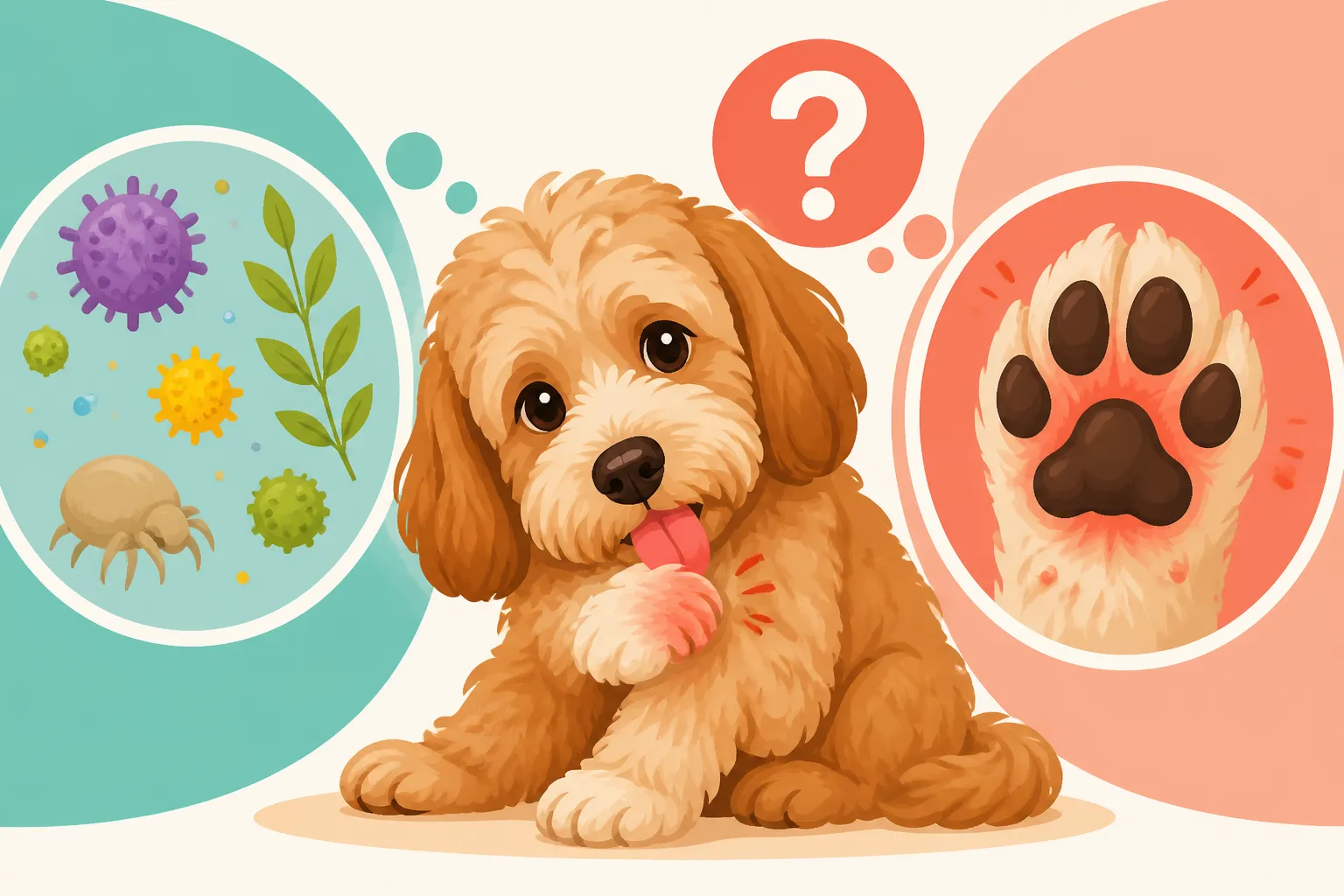
It’s utterly heartbreaking, isn’t it? Watching your beloved Cockapoo constantly lick, chew, and gnaw at their paws, day in and day out. You try everything – distraction, telling them "no," checking for burrs – but nothing seems to stop it. This persistent paw licking isn't just a quirky habit; it’s a distress signal, and often, the underlying culprit is something called atopy, or environmental allergies, which can turn your sweet pup's paws into an endless source of irritation.
The Frustration of Persistent Paw Licking in Cockapoos
When your Cockapoo starts incessantly licking their paws, it's easy to jump to conclusions. You might think they're bored, anxious, or just picked up a bad habit. Perhaps they’re just enjoying the taste of their own feet, right? But if this behavior persists, especially to the point of redness or irritation, it’s a clear sign that something more significant is going on beneath the surface. It’s a common scenario for many Cockapoo owners, and it can leave you feeling helpless and worried.
Why Your Cockapoo Can't Seem to Stop
Many owners initially assume paw licking is purely behavioral. They might try to distract their Cockapoo with toys, extra walks, or even gentle reprimands. While boredom or anxiety can certainly contribute to obsessive licking, especially if a dog is feeling under-stimulated, it’s rarely the sole or primary cause when the licking becomes chronic and intense. The truth is, if your Cockapoo can't seem to stop, it's highly likely they are experiencing significant discomfort or itchiness. Imagine having an itch you just can't scratch adequately, and that's often what your furry friend is going through. They are responding to a physical sensation, not just choosing a pastime. It's often difficult to pinpoint the exact issue yourself, which is why a vet visit is crucial.
The Physical Signs Beyond Just Licking
If you've moved past thinking it's just a habit, you've probably already noticed some concerning physical changes. Persistent paw licking isn't subtle; it leaves its mark. The first thing you might notice is the skin between their paw pads becoming red and inflamed. This irritation can quickly lead to swelling, making their paws look puffy and tender. Over time, the constant moisture from saliva can cause the hair on their paws to thin or even fall out entirely, leaving patches of bare skin.
Another tell-tale sign, especially in lighter-colored Cockapoos, is reddish-brown staining on the fur. This isn't dirt; it's caused by porphyrins in their saliva, which oxidize when exposed to air. This staining is a clear indicator of chronic licking. And let’s not forget the smell. That yeasty, Frito-like odor emanating from their paws often signals a secondary infection taking hold. This is a common consequence because the moist, warm environment created by constant licking is the perfect breeding ground for bacteria and yeast, transforming a simple itch into a full-blown dermatological nightmare. You might find yourself giving your Cockapoo medicated baths to try and tackle the smell and skin issues, but if the underlying cause isn't addressed, it’s a never-ending battle.
Understanding Atopy in Cockapoos
So, what exactly is atopy, and why is it such a common explanation for a Cockapoo’s itchy paws? This condition is one of the most frequent allergic skin diseases in dogs, and unfortunately, Cockapoos, due to their lineage from Cocker Spaniels and Poodles, are quite susceptible. It’s a chronic and often frustrating condition for both pet and owner, but understanding it is the first step toward effective management.
What Exactly is Atopy?
Atopy, or atopic dermatitis, is essentially an environmental allergy. Unlike a contact allergy, where a dog reacts to something touching their skin directly, atopy is a reaction to inhaled or absorbed environmental allergens. Think of it like hay fever in humans, but instead of sneezing and watery eyes, dogs primarily manifest their allergies through intensely itchy skin. Common culprits include pollen from trees, grasses, and weeds, dust mites (those microscopic critters in our homes), mold spores, and even certain dander.
The frustrating part is that atopy is an inherited predisposition. This means it runs in families, passed down from parent breeds. Both Cocker Spaniels and Poodles are known to have a higher incidence of allergies, so it’s no surprise that their delightful mix, the Cockapoo, often inherits this sensitivity. Your Cockapoo’s immune system mistakenly identifies these common, harmless environmental substances as threats, launching an exaggerated immune response that leads to inflammation and, most notably, profound itchiness. It's not a sudden onset condition; symptoms typically develop between one and three years of age, though they can appear earlier or later. Many of the issues we see in Cockapoos, like specific types of Skin and Coat Disease in a Cockapoo, often have an allergic component.
How Atopy Manifests on the Paws
For many atopic dogs, the paws are a primary target for itchiness, along with the ears, armpits, and groin. The intense itch leads to licking, chewing, and biting, which provides temporary relief but ultimately exacerbates the problem. It becomes a vicious cycle: allergens trigger itch, the dog licks, the licking damages the skin barrier, allowing more allergens and bacteria to penetrate, leading to more itch and more licking. This constant moisture between the paw pads creates an ideal, warm, and dark environment for opportunistic secondary infections, typically caused by yeast (Malassezia) or bacteria (Staphylococcus).
You might notice your Cockapoo focusing intensely on one paw, or all four. The pads themselves might feel rougher or thickened from chronic inflammation. The redness and swelling we discussed earlier become more pronounced. This isn't just surface-level irritation; the skin barrier is compromised, making it less effective at protecting against environmental invaders. This is why addressing the itch is so critical – it's not just about stopping a "bad habit," but about healing the skin and breaking the cycle of inflammation and secondary infection. It's a key reason why many Cockapoos develop Whether a Cockapoo Licks Yeast Into Its Feet.
Differentiating Atopy from Other Causes of Paw Licking
While atopy is a leading suspect when a Cockapoo is persistently licking their paws, it's not the only reason. Before landing on an atopy diagnosis, your veterinarian will need to rule out several other common conditions. This process of elimination can be lengthy and, frankly, a bit taxing, but it's essential to ensure your Cockapoo gets the right treatment.
Other Common Causes of Itchy Paws
Let’s explore some other possibilities your vet will consider:
- Food Allergies: Similar to environmental allergies, food allergies involve an adverse immune reaction, but to specific proteins in their diet (e.g., chicken, beef, dairy, wheat). While some dogs with food allergies might only show skin symptoms, many also exhibit gastrointestinal issues like vomiting, diarrhea, or frequent bowel movements. The paw licking can be indistinguishable from atopy, which makes diagnosis tricky. Often, an elimination diet trial is required, which involves feeding a novel protein or hydrolyzed protein diet for 8-12 weeks.
- Contact Dermatitis: This occurs when your Cockapoo's skin directly contacts an irritating substance, leading to localized itchiness and inflammation. Think of it like a rash you might get from poison ivy. Common irritants for dogs include certain lawn chemicals, pesticides, cleaning products, road salts, or even specific types of bedding materials. The key differentiator here is usually the location of the irritation, which will be where contact occurred, often on the undersides of the paws and abdomen.
- Parasites: While less common for solely paw licking, external parasites can certainly cause intense itchiness all over, including the paws. Fleas are the most common culprit, but mites (like Sarcoptes or Demodex) can also lead to severe skin irritation. Your vet will usually perform skin scrapings or simply treat for fleas as a first step, as parasitic infestations are relatively straightforward to diagnose and treat.
- Anxiety or Boredom: As mentioned earlier, behavioral factors can play a role, especially if the dog is under-stimulated or experiencing separation anxiety. However, purely behavioral licking often lacks the severe physical signs of inflammation, redness, or secondary infection. The licking might be less intense or sporadic, and usually, there won’t be the persistent skin changes associated with allergic reactions. If your Cockapoo is showing signs of distress when left alone, like barking or destructive chewing, then anxiety might be a contributing factor.
- Pain or Injury: Sometimes, a Cockapoo might lick a paw obsessively due to a localized injury or pain. This could be something as simple as a splinter, a cut, a sting, a torn nail, or a foreign body embedded between their paw pads. More seriously, orthopedic issues like Arthritis in a Cockapoo at Eleven or Slipping Kneecaps in a Toy Cockapoo could cause discomfort that leads to licking, particularly in older dogs or those with a genetic predisposition to joint issues. A thorough physical examination by a vet can usually identify these issues.
Working with Your Vet for a Diagnosis
Navigating the world of canine allergies can feel overwhelming, but your veterinarian is your best partner. The diagnostic process typically involves a systematic approach to rule out other conditions before confirming atopy.
First, your vet will perform a thorough physical exam and take a detailed history of your Cockapoo’s symptoms. They'll ask about diet, environment, exposure to other animals, and the seasonal nature of the licking. They’ll likely recommend:
- Parasite Control: Ensuring your Cockapoo is on effective flea and tick prevention is a foundational step, even if you don't see any parasites.
- Skin Cytology and Culture: If secondary infections (yeast or bacteria) are present, which is very common with chronic licking, your vet will take samples to identify the organisms. This helps them prescribe the correct medicated shampoos, antibiotics, or antifungals. They might also suggest Whether a Cockapoo Needs Its Ears Cultured if ear infections are also a recurring problem, as they often go hand-in-hand with skin allergies.
- Elimination Diet Trial: If food allergies are suspected, your vet will guide you through a strict elimination diet using a novel protein (one your dog has never eaten before) or a hydrolyzed protein diet. This means no other treats, chews, or human food for the duration of the trial. If symptoms improve dramatically and then return when the old diet is reintroduced, a food allergy is confirmed.
- Allergy Testing (for Atopy): Once other causes are ruled out, if symptoms persist, your vet might recommend allergy testing to pinpoint the specific environmental allergens causing the problem. There are two main types:
- Serum (Blood) Testing: A blood sample is sent to a lab to measure antibodies against various environmental allergens.
- Intradermal Skin Testing (IDST): This is considered the "gold standard" by many dermatologists. Small amounts of various allergens are injected into the skin, and the vet observes for a localized reaction.
Understanding Whether Allergy Testing a Cockapoo Is Worth It is a big step for many owners, but it can provide invaluable information for long-term management.
It's a process of elimination, and it requires patience. But getting an accurate diagnosis is paramount for providing your Cockapoo with the relief they desperately need.
Managing Atopic Paw Licking in Your Cockapoo
Receiving an atopy diagnosis for your Cockapoo can feel daunting, as it's typically a lifelong condition. However, it's absolutely manageable with a combination of environmental control, diligent hygiene, and, often, medical intervention. The goal isn't necessarily to "cure" atopy, but to effectively control the itch and prevent secondary infections, giving your Cockapoo a much more comfortable life.
Environmental Management and Hygiene
A proactive approach to your Cockapoo's environment and daily care can make a significant difference in managing their paw licking:
- Frequent Paw Wipes: After every walk, especially if they've been on grass or in dusty areas, gently wipe your Cockapoo's paws with a damp cloth or pet-safe hypoallergenic wipe. This helps remove pollen, dust, and other allergens that might be clinging to their fur. This simple step can dramatically reduce their exposure to triggers.
- Paw Soaks or Medicated Shampoos: For paws that are already red and itchy, regular paw soaks can be incredibly soothing. You can use diluted Epsom salt solutions, or a veterinary-prescribed antiseptic/antifungal paw soak. For more generalized skin issues, your vet might recommend Whether Medicated Baths Help a Cockapoo and how often to use them. These baths help remove allergens, soothe inflamed skin, and treat secondary infections.
- Keep Paws Dry and Trimmed: Long hair between paw pads can trap moisture, allergens, and debris, creating a haven for yeast and bacteria. Regularly trim the hair between your Cockapoo's paw pads to allow for better air circulation and easier cleaning. After baths or walks in wet conditions, make sure their paws are thoroughly dried.
- Minimize Exposure to Known Triggers: If you've identified specific allergens through testing, try to minimize your Cockapoo's exposure. For instance, during peak pollen seasons, limit outdoor excursions to early morning or late evening when pollen counts are lower. Use HEPA air filters in your home to reduce indoor allergens like dust mites and mold spores. Regularly vacuum and wash bedding in hot water.
- Protective Booties: In some cases, especially when walking on surfaces treated with chemicals or during high pollen seasons, protective dog booties can create a physical barrier between your Cockapoo's paws and environmental allergens. It might take some getting used to, but many dogs adapt well.
Medical Interventions and Support
When environmental management isn't enough to control the itch, medical therapies become essential. It’s important to remember that treatments for atopy are usually long-term and often involve a combination of approaches. This is where having a good pet insurance plan, like one from Healthy Paws, can really make a difference, helping you manage the costs associated with chronic conditions and ongoing veterinary care.
- Antihistamines: Over-the-counter antihistamines like diphenhydramine (Benadryl) or cetirizine (Zyrtec) can be tried, but their effectiveness in dogs with atopy is highly variable. Always consult your vet for appropriate dosing before administering any human medication.
- Corticosteroids: For acute flare-ups of severe itchiness, your vet might prescribe oral corticosteroids (like prednisone) or topical steroid creams. These are very effective at reducing inflammation and itch quickly, but they come with potential side effects with long-term use (increased thirst, urination, appetite, and more serious issues), so they are generally reserved for short-term relief or severe cases.
- Immunomodulators: These are modern medications specifically designed to target the allergic response with fewer side effects than long-term steroids:
- Cyclosporine (Atopica): This is an immunosuppressant that works by modulating the immune system's response to allergens. It can take several weeks to see the full effect but is very effective for many dogs.
- Oclacitinib (Apoquel): This medication specifically targets the itch pathway, providing rapid relief. It's often very effective and can be used long-term.
- Lokivetmab (Cytopoint): This is an injectable antibody therapy that targets a specific protein involved in the itch sensation. It’s given as an injection by your vet every 4-8 weeks and can offer excellent, targeted itch relief with minimal side effects.
- Antifungals and Antibiotics: As secondary bacterial or yeast infections are almost inevitable with chronic paw licking, your vet will prescribe appropriate oral or topical antifungals or antibiotics to clear these up. Treating these infections is crucial for breaking the itch-scratch cycle and allowing the skin to heal.
- Allergy Desensitization (Immunotherapy): This is often considered the most specific and natural long-term treatment for atopy. Based on the results of allergy testing, a custom vaccine is formulated containing tiny amounts of the specific allergens your dog reacts to. These injections are given over time, gradually "teaching" your dog's immune system to stop overreacting to the allergens. While it requires commitment and can take 6-12 months to see full results, it’s effective in about 60-80% of dogs and can significantly reduce the need for other medications. It's truly a game-changer for many dogs and their owners, and a major reason why Whether a Cockapoo Inherits the Cocker's Oily Skin is often an issue.
Managing atopy is a marathon, not a sprint. It involves an ongoing partnership with your veterinarian, consistent home care, and a willingness to adjust strategies as needed. Investing in comprehensive pet insurance early on, like a plan from Healthy Paws, can offer peace of mind when facing the potentially significant costs of diagnostics, long-term medications, and specialized treatments for chronic conditions like atopy. It's all about finding the right balance to give your Cockapoo the comfortable, happy life they deserve.
Here's a quick comparison of common causes of paw licking:
| Cause of Paw Licking | Key Characteristics | Common Accompanying Symptoms | Initial Vet Steps |
|---|---|---|---|
| Atopic Dermatitis | Chronic, often seasonal, intense itchiness. Red, inflamed skin, hair loss, brown staining, secondary infections (yeast/bacteria). | Itchiness in armpits, groin, ears; recurrent ear infections (e.g., Whether a Cockapoo's Ears Are Better Than a Cocker's); sneezing or watery eyes (rarely). | Rule out other causes, allergy testing (blood or intradermal), skin cytology/culture for secondary infections. |
| Food Allergy | Non-seasonal itchiness, often year-round. Similar paw symptoms to atopy. | Gastrointestinal upset (vomiting, diarrhea), anal gland issues, generalized itchiness. | Strict elimination diet trial (novel/hydrolyzed protein), skin cytology/culture. |
| Contact Dermatitis | Localized itch and rash where skin touched an irritant (e.g., lawn chemicals). | Redness, bumps, sometimes blisters in areas of direct contact (belly, paws). | Identify and remove irritant, topical soothing treatments. |
| Parasites (Fleas/Mites) | Sudden onset or persistent itchiness, often generalized, but can manifest heavily on paws. | Visible fleas/flea dirt, other signs of skin irritation (scabs, hair loss), intense scratching elsewhere on body. | Thorough physical exam, flea treatment, skin scrapings for mites. |
| Behavioral Licking | Licking often occurs during periods of boredom, anxiety, or stress. Less severe physical signs initially. | Destructive chewing, whining, pacing, barking (if anxiety), minimal skin inflammation without long-term duration. | Rule out medical causes, enrichment, behavioral modification, potentially anti-anxiety medication. |
| Pain/Injury | Licking focused on one specific paw. May be sudden. | Limping, swelling, visible wound (cut, thorn, broken nail), reluctance to bear weight, yelping when touched. | Thorough paw examination, X-rays if bone/joint issue suspected (e.g., Whether a Small Cockapoo Still Gets Hip Dysplasia). |
The relentless paw licking your Cockapoo exhibits is almost certainly a cry for help, and atopy is a very common and strong contender for the underlying cause. While it requires patience and a multi-faceted approach, an accurate diagnosis and consistent management plan can transform your furry friend's quality of life. Don't give up hope; work closely with your vet, and remember that solutions are out there to bring relief to your itchy Cockapoo.
Disclaimer
The information provided in this article is for general informational purposes only and is not a substitute for professional veterinary advice, diagnosis, or treatment. Always seek the advice of your veterinarian or other qualified health provider with any questions you may have regarding a medical condition. Never disregard professional veterinary advice or delay in seeking it because of something you have read in this article.