A Cockapoo’s Autoimmune Anemia and the Cocker Line
It's incredibly frightening when your beloved Cockapoo suddenly seems to lose their spark, perhaps becoming unusually tired or just "not themselves." Many owners find themselves grappling with confusion and worry when their normally vibrant dog shows signs of weakness or pale gums, hinting at a much deeper, more insidious problem: immune-mediated hemolytic anemia (IMHA). This guide will help you understand this complex autoimmune disease, particularly its connection to the Cocker Spaniel heritage, and equip you with the knowledge to recognize, diagnose, and manage it should it ever affect your furry family member.
Understanding Immune-Mediated Hemolytic Anemia (IMHA) in Cockapoos
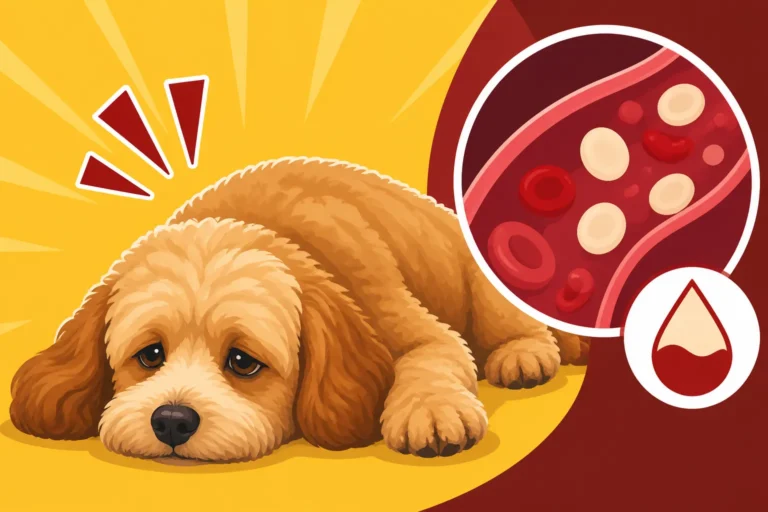
One of the most heart-wrenching health challenges a Cockapoo can face is Immune-Mediated Hemolytic Anemia, often shortened to IMHA. It’s a condition where the body, in a cruel twist of fate, turns against itself, specifically targeting and destroying its own red blood cells. These cells are the lifeblood of your dog, literally, carrying oxygen from the lungs to every tissue and organ, and without enough of them, the body can't function properly. It’s not just a simple anemia; it’s an autoimmune crisis that demands immediate attention and careful, ongoing management.
What Exactly is IMHA?
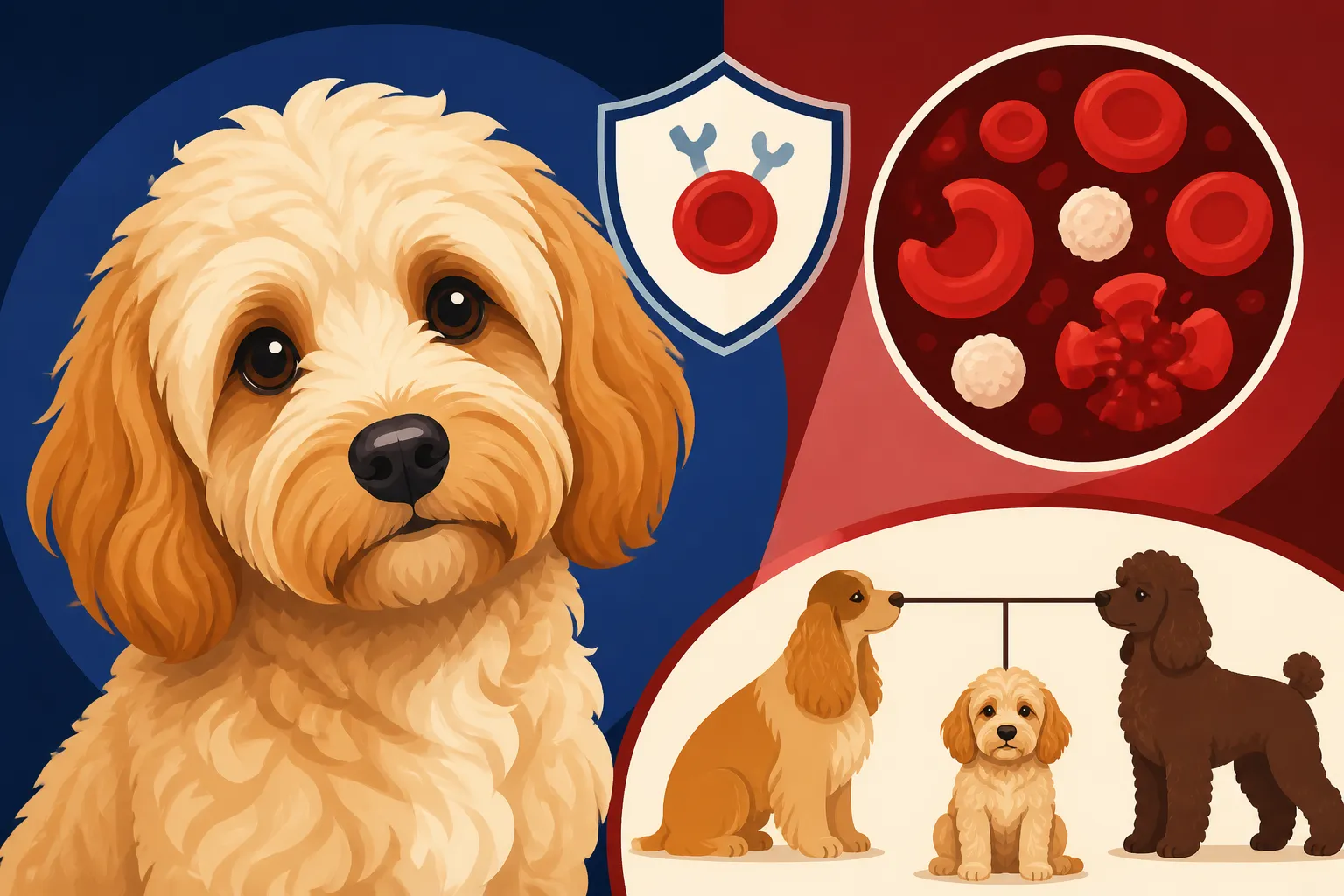
At its core, IMHA is an autoimmune disease where your dog's immune system, which is supposed to protect them from invaders like bacteria and viruses, mistakenly identifies their own red blood cells as foreign invaders. Once tagged as a threat, these red blood cells are then destroyed by the immune system, primarily in the spleen and liver. Imagine your body suddenly thinking your own fingers are dangerous and trying to get rid of them – it’s a similarly confused and destructive process. The destruction outpaces the bone marrow's ability to produce new red blood cells, leading to a critical shortage and, ultimately, anemia.
This can be a primary condition, meaning it just happens without an identifiable trigger, or it can be secondary, brought on by something else like certain medications, infections, toxins, or even certain types of cancer. Regardless of the cause, the outcome is the same: a severe lack of red blood cells leading to a host of debilitating symptoms. The speed at which IMHA can strike is often terrifying for owners. One day your Cockapoo might be romping around happily, and the next, they're lethargic and weak, showing frighteningly pale gums. This rapid onset often means a desperate rush to the emergency veterinarian, where every minute counts.
The Genetic Predisposition: How the Cocker Line Contributes
While IMHA can technically affect any dog breed, there's a strong genetic component that places certain breeds, including the Cocker Spaniel, at a significantly higher risk. Since the Cockapoo is a cross between a Cocker Spaniel and a Poodle, they inherit a blend of genetic predispositions from both sides, and sadly, the Cocker Spaniel's susceptibility to immune-mediated diseases often carries over. This means that if your Cockapoo has a strong Cocker lineage, especially from lines known for autoimmune issues, the chances of them developing IMHA increase. It's a cruel lottery of genetics, where certain genes make the immune system more prone to misfiring.
Other breeds like the Poodle, Old English Sheepdog, Irish Setter, and various "doodle" mixes also show a higher incidence, but the Cocker Spaniel's predisposition is particularly notable. It's not just IMHA; you might also see an increased risk for The Autoimmune Diseases a Cockapoo Can Inherit from their Cocker heritage, such as autoimmune thyroiditis or immune-mediated polyarthritis. Understanding this ancestral link isn't about blaming a breed, but about being aware and proactive. Knowing your dog's lineage can help you discuss potential risks with your veterinarian, emphasize early detection, and prepare for comprehensive care if the worst should happen. Responsible breeders strive to screen their lines to reduce the transmission of these predispositions, but due to the complex nature of genetics, it’s not always entirely preventable.
Recognizing the Early Warning Signs of IMHA
Spotting IMHA early can be challenging because the initial signs can mimic many other common ailments. However, given the seriousness of the disease, it's crucial for Cockapoo owners to be hyper-aware of any changes in their dog's behavior or physical condition. Your Cockapoo relies on you to be their advocate, to notice those subtle shifts that signal something is amiss. Don't dismiss a sudden change in energy or appetite as just a "bad day" – especially if it persists or worsens quickly.
Subtle Changes in Energy and Appetite
One of the first things you might notice is a profound shift in your Cockapoo’s energy levels. They might become unusually tired, reluctant to play, or even struggle with their usual walks. What was once an enthusiastic greeting might turn into a tired tail wag, or they might prefer to lie down rather than engage. This lethargy isn't just laziness; it's a sign that their body isn't getting enough oxygen due to the dwindling red blood cell count. This can progress to a general weakness, where they might stumble or be unable to sustain activity for long. You might notice your dog panting excessively, even when at rest, as their body tries desperately to compensate for the lack of oxygen.
Coupled with flagging energy, a change in appetite is another red flag. Your Cockapoo, who usually scarfs down their dinner, might become picky or completely lose interest in food. They might even experience vomiting or diarrhea as their internal systems struggle. It’s easy to write these symptoms off as a minor upset stomach, but when combined with low energy, it paints a more concerning picture. If you observe your Cockapoo exhibiting The Sudden Collapse That Means a Cockapoo Is Anemic, it’s an absolute emergency that requires immediate veterinary intervention. These aren't just minor health hiccups; they are cries for help from a body in distress.
Visible Indicators of Anemia
Beyond the behavioral changes, there are several distinct physical signs that point directly to anemia. The most striking and often easiest to spot is pale gums. Gently lift your Cockapoo's lip and press on their gums; a healthy dog's gums should be a vibrant bubblegum pink and quickly return to color after you press them. With IMHA, the gums will appear very pale, sometimes almost white. This lack of healthy pink color is a direct result of the low red blood cell count. Don't be fooled by dogs with naturally dark pigment on their gums; check the areas that are normally pink.
Another tell-tale sign is jaundice, a yellowish tint to the skin, whites of the eyes, or inside of the ears. This yellowing occurs because the rapid destruction of red blood cells releases bilirubin, a yellow pigment, into the bloodstream faster than the liver can process it. The urine might also appear dark orange or brown, resembling tea or cola, due to the presence of bilirubin or hemoglobin from the destroyed red blood cells. You might also notice a rapid heart rate or unusually fast breathing, even when your dog is resting, as their body attempts to pump the limited oxygen-carrying blood more quickly to vital organs. If you see any of these signs, especially in combination, it’s not something to wait on; it’s time to call your vet immediately.
The Diagnostic Journey for a Cockapoo with Suspected IMHA
When you bring your Cockapoo to the vet with suspected IMHA, it’s a race against time to confirm the diagnosis and begin appropriate treatment. The diagnostic process is thorough, designed to rule out other conditions and pinpoint the exact nature of the anemia. It can feel overwhelming, but remember that each test provides a crucial piece of the puzzle, guiding your vet toward the best course of action to save your dog’s life.
Initial Veterinary Examination and Bloodwork
Your veterinarian will start with a comprehensive physical examination, listening to your Cockapoo's heart and lungs, checking their gum color, and palpating their abdomen for any abnormalities. They’ll assess your dog’s overall demeanor, hydration, and temperature. This initial exam provides vital clues and helps prioritize which tests are needed first. From there, a full blood panel is usually the immediate next step. This typically includes a complete blood count (CBC) and a chemistry panel. The CBC is paramount, as it will show the number of red blood cells, white blood cells, and platelets. In IMHA cases, the red blood cell count (measured as PCV or hematocrit) will be dangerously low. The CBC can also reveal changes in red blood cell morphology, such as spherocytes, which are characteristic of immune-mediated destruction.
The chemistry panel provides information about organ function, which is important for assessing the overall health of your dog and identifying any secondary issues caused by the anemia or other underlying conditions. A urinalysis will also likely be performed to check for bilirubin in the urine, another indicator of red blood cell destruction. These initial blood tests often provide a strong suspicion of IMHA, but rarely offer a definitive diagnosis on their own. They serve as the foundation upon which further, more specific tests will be built, helping your vet understand the severity of the situation and decide on initial stabilization measures.
Confirming the Diagnosis: Advanced Testing
Once IMHA is suspected, your vet will move on to more specific tests to confirm the immune-mediated nature of the anemia. The most common of these is the Coombs test, or Direct Antiglobulin Test (DAT). This test detects antibodies that are attached to the surface of your dog's red blood cells, essentially confirming that the immune system is indeed targeting them. A positive Coombs test is a strong indicator of IMHA. Another quick and often visible test is an agglutination test, where a small sample of your dog's blood is mixed with saline on a slide. If the red blood cells clump together (agglutinate), it suggests that antibodies are coating them, causing them to stick to each other. This clumping can sometimes even be seen macroscopically in the test tube when the blood sample is spun down.
Beyond blood tests, your vet might recommend imaging, such as X-rays or an abdominal ultrasound, to look for any underlying causes of secondary IMHA, like tumors, infections, or enlarged organs (especially the spleen, which is a major site of red blood cell destruction). In some cases, a bone marrow biopsy might be necessary to assess the bone marrow's ability to produce red blood cells and rule out other bone marrow disorders. This comprehensive approach ensures that the diagnosis is accurate and that any contributing factors are identified, allowing for the most targeted and effective treatment plan possible for your Cockapoo. This meticulous process helps to avoid misdiagnosis, which is critical given the life-threatening nature of IMHA.
Treatment Strategies for Managing IMHA
Treating IMHA is an intensive and often complex process that requires immediate action and ongoing vigilance. The goal is twofold: first, to stabilize your Cockapoo during the acute crisis, and second, to suppress the overactive immune system to prevent further red blood cell destruction. It’s a journey that can take weeks or even months, with regular veterinary visits and adjustments to medication, but with dedicated care, many Cockapoos can achieve remission.
Emergency Care and Stabilization
When a Cockapoo presents with severe IMHA, they are often in a critical state, sometimes on the brink of collapse. The first priority is always stabilization. If your dog's red blood cell count is dangerously low, a blood transfusion is usually necessary to quickly increase the number of oxygen-carrying cells in their body. This can literally be a life-saving measure, providing immediate relief and buying time for other medications to take effect. During a transfusion, your dog will be closely monitored for any adverse reactions. Oxygen therapy might also be administered to help their struggling body get enough oxygen, especially if they are having difficulty breathing. Intravenous (IV) fluids are crucial for maintaining hydration and supporting organ function, which can be compromised during such a severe illness.
Alongside these immediate supportive measures, your vet will typically start administering immunosuppressive medications right away. High doses of corticosteroids, such as prednisone or dexamethasone, are the cornerstone of IMHA treatment. These powerful drugs work to suppress the immune system, preventing it from destroying more red blood cells. The dosage and specific medication might be adjusted based on your dog's response and any side effects. In emergency situations, these drugs are often given intravenously for faster absorption. The initial phase of treatment focuses entirely on pulling your Cockapoo back from the brink, addressing the immediate threat to their life, and preparing them for the longer-term management.
Long-Term Immunosuppressive Therapy
Once stabilized, the focus shifts to long-term immunosuppressive therapy to maintain remission and prevent relapse. While corticosteroids are usually initiated immediately, they come with a host of potential side effects, including increased thirst and urination, increased appetite, panting, and muscle weakness. Because of this, your vet will often introduce other immunosuppressive drugs, sometimes called "steroid-sparing agents," to help reduce the reliance on high-dose steroids over time. Medications like azathioprine, cyclosporine, or mycophenolate are commonly used in combination with lower doses of steroids. These drugs work through different mechanisms to suppress the immune system, providing a more comprehensive attack on the autoimmune process.
The treatment protocol is highly individualized and requires diligent monitoring. Your Cockapoo will need regular blood tests, often weekly initially, to track their red blood cell count and ensure the medications are working effectively without causing severe side effects to other organs. As their condition improves, the goal is to gradually taper the medication dosages to the lowest effective level, or even discontinue them entirely if possible, although many dogs require lifelong maintenance therapy. This tapering process must be done very slowly and under strict veterinary guidance, as stopping or reducing medication too quickly can trigger a life-threatening relapse. This phase of treatment can feel like a marathon, but consistency is key to helping your Cockapoo achieve and maintain a good quality of life. Owners often wonder How Long Immune Anemia Treatment Runs in a Cockapoo, and the honest answer is, it varies greatly, but often for months or even years.
Supportive Care and Home Management
Beyond medication, supportive care and diligent home management play a critical role in your Cockapoo’s recovery and long-term well-being. Nutrition is paramount. Your vet might recommend a special diet designed to support red blood cell production, be easily digestible, and minimize stress on internal organs, especially if your dog has experienced significant gastrointestinal upset. Feeding smaller, more frequent meals can sometimes help, especially if appetite is still an issue. Keeping your Cockapoo comfortable and reducing stress is also vital. Avoid strenuous exercise, especially during the initial recovery phase, and provide a quiet, comfortable space for them to rest. Gentle, short walks might be acceptable once they are stable, but always follow your vet’s specific activity guidelines.
Supplements, such as omega-3 fatty acids, iron, and B vitamins, might be recommended by your vet to support overall health and red blood cell recovery, but always discuss these first, as some can interfere with medications or not be appropriate for all dogs. Iron, for example, is not usually needed in IMHA unless there's an iron deficiency from another cause. It’s also important to be vigilant for any signs of relapse or new symptoms. This means closely monitoring their gum color, energy levels, appetite, and bathroom habits daily. Any changes should be reported to your vet promptly. This holistic approach, combining expert veterinary care with dedicated home management, gives your Cockapoo the best chance at a successful recovery and a long, happy life.
Living with a Cockapoo Affected by IMHA
Hearing that your beloved Cockapoo has IMHA can be devastating. It’s not just a physical battle for your dog; it’s an emotional and often financially taxing journey for you as an owner. The reality of managing a chronic autoimmune condition means commitment, vigilance, and sometimes making difficult decisions. But with proper support and a clear understanding of what lies ahead, you can continue to provide a loving and stable environment for your furry friend.
The Emotional and Financial Toll on Owners
Let’s be honest, living with a pet who has a serious chronic illness like IMHA is incredibly tough. The emotional rollercoaster is real: the fear during the initial crisis, the relief during remission, and the anxiety with every minor setback or sign of potential relapse. You become an expert in observing your dog’s every nuance, constantly checking their gums, monitoring their energy, and worrying about every pant or sigh. This level of emotional burden can be exhausting. It’s okay to acknowledge that it’s hard; you’re not alone in feeling overwhelmed sometimes. Seek support from your vet, online communities, or even friends and family who understand.
Then there's the financial aspect. IMHA treatment can be incredibly expensive, particularly during the emergency phase. Initial diagnostics, emergency transfusions, and hospitalization can quickly accumulate thousands of dollars in vet bills. For example, a single blood transfusion can cost hundreds to over a thousand dollars, and many dogs need multiple. Long-term, the cost of ongoing medications and regular blood tests for monitoring can add up significantly over months and years. This is where pet insurance can be a literal lifesaver. Companies like Healthy Paws often cover a significant portion of these unexpected costs, which can relieve a huge amount of stress during an already difficult time. If you haven't considered Insuring a Cockapoo Against Two Parent Breeds already, a condition like IMHA highlights its crucial importance. Planning for potential health crises by setting aside Setting Money Aside for a Cockapoo's Vet Bills or having good insurance, like a policy from Healthy Paws, can make a huge difference in your ability to provide the best care without financial strain.
Prognosis and Quality of Life
The prognosis for Cockapoos with IMHA can vary widely. Some dogs respond well to treatment and achieve long-term remission, living full and happy lives. Others may experience recurrent relapses, requiring more aggressive or prolonged treatment. The first few weeks after diagnosis are often the most critical, with the highest risk of mortality. However, advances in veterinary medicine mean that many dogs can now survive the initial crisis and go on to manage the condition effectively. Factors influencing prognosis include the severity of the anemia at diagnosis, the presence of underlying triggers, and how well the dog responds to immunosuppressive therapy.
Maintaining a good quality of life is always the primary goal. This means carefully balancing medication side effects with disease control. Your vet will work with you to find the lowest effective dose of medication that keeps your Cockapoo healthy and comfortable. Regular check-ups are essential to monitor for relapse and adjust treatment as needed. You'll become highly attuned to your dog's individual needs and learn to recognize when they’re having a good day versus a challenging one. Even with a chronic condition like IMHA, many Cockapoos can still enjoy their lives, participating in gentle activities and showering their families with affection. It may not be the carefree existence you imagined, but the bond you share will only deepen as you navigate this journey together, making every precious moment count towards The Fourteen to Eighteen Years a Cockapoo Lives.
Here's a quick reference table comparing IMHA symptoms with some other common Cockapoo health concerns to help you identify differences:
| Symptom / Condition | IMHA (Immune-Mediated Hemolytic Anemia) | Hypothyroidism (common in Cockapoos) | Early Kidney Disease (e.g., Familial Nephropathy) | Progressive Retinal Atrophy (PRA) |
|---|---|---|---|---|
| Energy Levels | Severe lethargy, weakness, sudden collapse | Lethargy, sluggishness, less active, weight gain | Increased thirst & urination, some lethargy, weight loss, vomiting | Normal energy levels (unless combined with other issues) |
| Appetite | Decreased or lost appetite, vomiting | Normal or increased appetite | Decreased appetite, vomiting, nausea | Normal appetite |
| Gum Color | Very pale, white, or yellowish | Normal pink | Normal pink (unless very advanced anemia develops) | Normal pink |
| Other Visible Signs | Jaundice (yellow skin/eyes), dark urine, rapid breathing, rapid heart rate | Hair loss (bilateral, symmetrical), dry/brittle coat, cold intolerance, dullness | Increased urination/thirst, bad breath, mouth ulcers, poor coat | Night blindness progressing to total blindness (often subtle at first) |
| Onset | Often acute (sudden and severe) | Gradual over months | Gradual over months/years | Gradual over months/years (age-related for most forms) |
| Urgency | EMERGENCY! Immediate vet care required. | Vet visit soon, but not immediate emergency | Urgent vet visit recommended | Non-emergency vet check for confirmation |
Disclaimer
The information provided in this guide is intended for educational purposes only and should not be considered a substitute for professional veterinary advice. Always consult with a qualified veterinarian for any health concerns or before making any decisions related to your pet's health or treatment plan.