What Changes in a Cockapoo After Ten
It’s a bittersweet milestone when your lively, bouncy Cockapoo, who once seemed to have endless puppy energy, starts to slow down and show the unmistakable signs of aging. You might notice little changes at first—a bit less enthusiasm for a walk, more time spent snoozing, or perhaps a touch of gray around the muzzle. But as they cross that ten-year threshold, these subtle shifts often become more pronounced, leaving many of us wondering what to expect and how best to support our beloved companions. This guide will walk you through the common physical, behavioral, and health transformations you might observe in your Cockapoo as they journey into their senior years, offering insights and practical advice to ensure their comfort and happiness.
Understanding the Aging Process in Cockapoos
Just like humans, dogs don't suddenly become "old" overnight. It's a gradual process, often so subtle that you might not even pinpoint exactly when the shift began. For Cockapoo owners, understanding this transition is key to proactive care and maintaining a wonderful quality of life for your furry family member.
When "Senior" Really Starts for a Cockapoo
The term "senior" can feel a bit abstract, especially when your Cockapoo still has that youthful sparkle in their eyes. Generally, for medium-sized dogs like many Cockapoos, the senior years typically begin around 7-8 years old. However, because Cockapoos come in such a range of sizes—from the tiny Teacup Cockapoo to the larger Maxi Cockapoo—their specific aging timeline can vary. Smaller dogs tend to live longer and often don't show significant signs of aging until they're closer to 10 or 12, while larger dogs might start exhibiting senior characteristics a bit earlier. For a Cockapoo, ten years old definitely places them firmly in their golden years, and you'll likely start to see more noticeable changes. It’s a time to embrace the wisdom and calm that comes with age, even as you prepare for new challenges. If you've been wondering about The Fourteen to Eighteen Years a Cockapoo Lives, this stage is a crucial part of that lifespan.
Why Cockapoos Age Differently Than Purebreds
One of the fascinating aspects of owning a Cockapoo is the influence of their Cocker Spaniel and Poodle heritage. There's often talk of "hybrid vigor" in mixed breeds, suggesting they might be generally healthier or live longer than their purebred parents due to a wider genetic pool. While this isn't a guarantee against all health issues, it can sometimes mean a slightly different aging trajectory. For instance, some of the very specific breed-related conditions that might plague a purebred Cocker or Poodle might be less prevalent in a well-bred Cockapoo. However, they are still susceptible to common age-related ailments from both sides of their family tree, such as joint issues from the Spaniel side or certain eye conditions from the Poodle. It's less about avoiding aging entirely and more about potentially experiencing fewer of the highly specific, early-onset genetic issues sometimes seen in certain purebred lines, allowing them to age more gracefully into general senior health challenges.
The Gradual Nature of Canine Aging
Aging in dogs isn't a sudden event, but rather a slow accumulation of small changes. Think of it like a dimmer switch rather than an on/off button. You might first notice a slight decrease in their stamina during walks, where they used to be able to go for miles without batting an eye, but now they prefer shorter, more frequent strolls. Perhaps they take a little longer to get up after a nap, or their once impeccable house training has a hiccup or two. These minor alterations are usually the early indicators that your Cockapoo's body and mind are starting to evolve. Being observant is key. Keeping a mental note, or even a literal journal, of these subtle changes can help you communicate effectively with your vet and ensure any emerging issues are addressed promptly. It also allows you to adjust their routine and environment gradually, making the transition as smooth and stress-free as possible for your loyal companion.
Physical Transformations as Your Cockapoo Ages
As your Cockapoo enters their second decade, their body undergoes a variety of changes, some obvious and some more subtle. These physical transformations are a natural part of aging, but understanding them can help you provide better care and comfort.
Changes in Coat and Skin
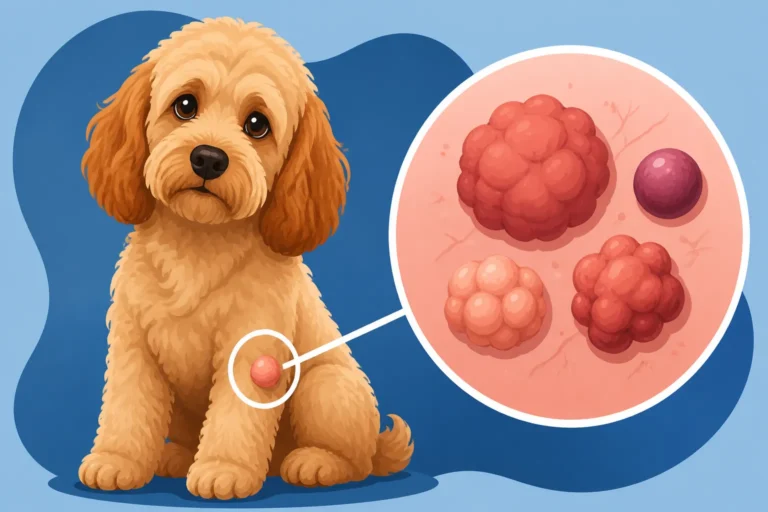
One of the first things you might notice, especially if your Cockapoo has a darker coat, is the appearance of graying around their muzzle, eyes, and sometimes on their paws. This isn't just a charming aesthetic change; it's a sign that their pigment-producing cells are slowing down. Beyond color, you might find their once plush coat thinning in places, or becoming coarser or drier. Many Cockapoos have that lovely, low-shedding Poodle-like coat, but even that can change, requiring different grooming techniques. Their skin can also become thinner, less elastic, and more prone to dryness or irritation. You might also start to discover new lumps and bumps under their coat. While many of these are benign fatty tumors (lipomas), it's crucial to have any new growth checked by your vet. Regular gentle grooming becomes even more important to prevent matting and to allow you to inspect their skin for any concerns.
Joint and Mobility Challenges
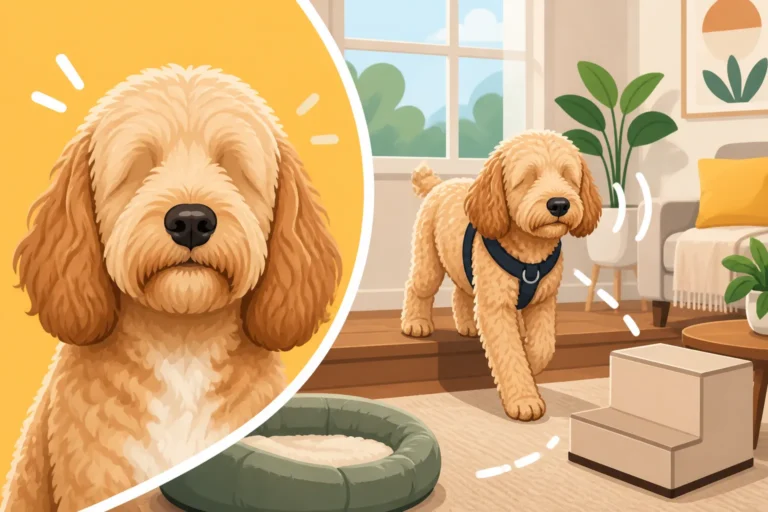
Ah, the creaky joints! This is a very common complaint for senior dogs, and Cockapoos are no exception. After years of running, jumping, and playing, their joints can start to wear down. You might observe your Cockapoo hesitating before jumping onto the couch, struggling with stairs, or just generally moving a bit more slowly. Arthritis, or osteoarthritis, is the inflammation of the joints, leading to pain and stiffness. This can significantly impact their quality of life. Cold weather often exacerbates these symptoms, so you might notice them being more stiff in the mornings or after a long nap. Providing supportive, orthopedic beds can make a huge difference in their comfort. Gentle, consistent exercise, rather than sporadic intense activity, is also vital to keep their joints mobile without causing undue strain. If you notice signs of Arthritis in a Cockapoo at Eleven, it's time to talk to your vet about pain management and mobility support.
Sensory Decline: Sight and Hearing
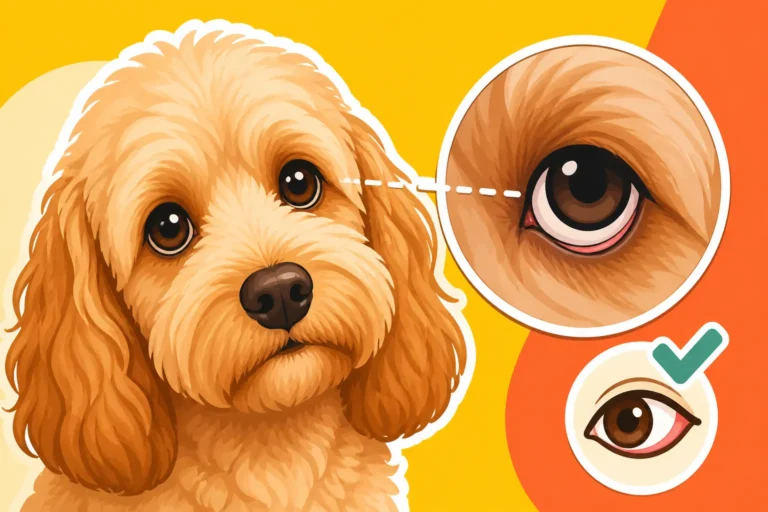
The world can become a little blurrier and quieter for an aging Cockapoo. Their eyesight often deteriorates with age. You might notice a bluish, cloudy haze over their pupils, which is usually nuclear sclerosis—a normal aging change that doesn't significantly impair vision in most cases. However, cataracts, which are more opaque and can severely impact sight, are also more common in older dogs. Your Cockapoo might start bumping into furniture, especially in unfamiliar environments or dim lighting, or become more hesitant on walks.
Their hearing can also diminish, sometimes quite dramatically. They might not respond to their name or familiar commands as readily, or they might startle more easily if you approach them from behind. This isn't a sign of defiance; they simply might not hear you. When approaching a hard-of-hearing Cockapoo, it's a good idea to make your presence known with a gentle touch rather than a sudden vocal command. Regular veterinary eye exams are crucial, as some conditions like glaucoma, if inherited from the Cocker side, are emergencies. You might want to ask your vet about Whether a Cockapoo Needs a Yearly CAER Exam.
Dental Health and Oral Concerns
Dental disease is one of the most overlooked health issues in aging dogs, yet it can cause immense pain and lead to other serious health problems. Over the years, plaque and tartar build up on your Cockapoo’s teeth, leading to gingivitis and periodontal disease. This can result in bad breath, painful chewing, tooth loss, and even systemic infections as bacteria from the mouth enter the bloodstream, affecting organs like the heart, kidneys, and liver. In a small Cockapoo, Dental Disease in a Small Cockapoo's Mouth can be particularly pronounced due to smaller jaws and crowded teeth. As they age, their immune system might not be as robust, making them more susceptible to these infections. Regular dental check-ups and professional cleanings under anesthesia become even more critical in their senior years. Daily brushing, if your Cockapoo tolerates it, is still the gold standard for preventing severe dental issues.
Behavioral Shifts in Senior Cockapoos
Beyond the physical, your Cockapoo's personality and daily habits might also undergo some shifts as they age. These changes can be subtle or quite pronounced, influencing their interactions with you and their environment.
Altered Sleep Patterns
Just like older people, senior Cockapoos often experience changes in their sleep patterns. You might notice them napping more frequently throughout the day, catching forty winks in various sunny spots around the house. This increased daytime sleep can sometimes lead to restlessness at night. They might pace, whine, or seem disoriented, disrupting your sleep as well as their own. This nighttime agitation can be particularly frustrating for owners who are used to a dog that sleeps soundly through the night. It's important to understand this isn't necessarily disobedience but a symptom of their changing internal clock or even cognitive decline. Establishing a consistent bedtime routine, providing a comfortable and quiet sleeping area, and ensuring they have adequate, gentle exercise during the day can sometimes help regulate their sleep cycles.
Changes in Social Interaction
An aging Cockapoo might not be the same social butterfly they once were. Their tolerance for boisterous play, especially with puppies or very active dogs, might decrease. They might prefer a quiet corner to observe rather than actively participate. Sometimes, they can become a bit more withdrawn, less interested in greetings, or even a little irritable if disturbed during rest. This isn't a reflection of a diminished bond, but rather their physical discomfort, sensory limitations, or even cognitive changes making social situations more taxing. They might seek out more gentle affection or simply prefer to be near you rather than engaging in active play. It's important to respect these changes and not force them into situations that cause stress. While some might interpret this as "what slows down first in an aging Cockapoo," it's often a combination of factors.
Potty Training Regressions and Accidents
It can be incredibly frustrating and disheartening when your perfectly house-trained Cockapoo starts having accidents indoors after a decade of reliability. However, this is a common issue in senior dogs and rarely an act of defiance. Several factors contribute to potty training regressions in older Cockapoos. Their bladder and bowel control can weaken, meaning they simply can't "hold it" as long as they used to. Conditions like urinary tract infections, kidney disease, or even diabetes (which causes increased thirst and urination) can also be culprits. Cognitive decline can also play a role, as they might forget their training or become disoriented indoors. Increasing the frequency of potty breaks, especially after waking up, eating, or drinking, is often the first step. For overnight, doggy diapers or waterproof pads can provide peace of mind. A visit to the vet is crucial to rule out any underlying medical conditions causing the accidents.
Cognitive Decline and Mental Well-being
Just as our minds can become a little fuzzy with age, so too can our Cockapoos' brains. Canine Cognitive Dysfunction (CCD), sometimes likened to Alzheimer's in humans, is a real and often heartbreaking reality for many senior dog owners.
Recognizing Signs of Canine Cognitive Dysfunction (CCD)
It's easy to dismiss a senior dog's forgetfulness as "just old age," but recognizing the specific signs of CCD can help you intervene and support them better. The acronym DISHA is often used to remember the key symptoms:
- Disorientation: They might get stuck in corners, stare blankly at walls, or seem lost in familiar surroundings. You might notice them doing things like What Slows Down First in an Aging Cockapoo.
- Interaction changes: They might interact less with family members, or conversely, become clingy. They might forget how to greet people or other dogs.
- Sleep-wake cycle changes: Increased daytime sleeping combined with nighttime restlessness, pacing, or vocalization.
- House-soiling: Accidents indoors, even immediately after being outside, often due to forgetting where they are or what they're supposed to do.
- Activity level changes: Decreased interest in play, exploration, or walks, or repetitive behaviors like licking.
If you notice several of these signs, it's time to have a candid conversation with your veterinarian. Early diagnosis and management can make a significant difference in their quality of life.
Keeping Their Minds Active
Even with CCD, or just general cognitive slowing, it's incredibly important to keep your Cockapoo's mind engaged. Mental exercise can be just as tiring and beneficial as physical exercise for older dogs. This doesn't mean trying to teach them complex new tricks; it means gentle, enriching activities that fit their current abilities.
- Puzzle Toys: Fill a Kong or other treat-dispensing toy with a bit of peanut butter or their favorite healthy treat. The mental effort to get the treat out stimulates their brain.
- Gentle Training Sessions: Revisit basic commands they already know. Short, positive reinforcement sessions (2-5 minutes) several times a day can boost their confidence and keep their minds sharp.
- Scent Games: Hide treats around a room and let them use their nose to find them. This is a natural instinct for Cockapoos and can be incredibly rewarding.
- Consistent Routine: While novelty can be good, a predictable daily routine can also provide a sense of security and reduce anxiety in a cognitively declining dog.
By incorporating these activities, you’re not just passing the time; you’re actively working to preserve their cognitive function and maintain their happiness.
Health Considerations and Common Ailments After Ten
As your Cockapoo ages past ten, they become more susceptible to a range of health issues. Regular veterinary care transitions from preventative measures to active management and early detection of age-related diseases.
Increased Risk of Organ Disease
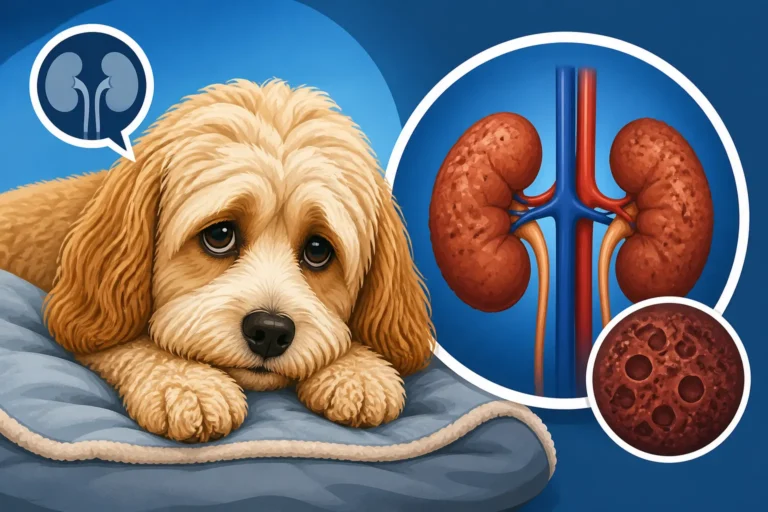
The internal organs naturally begin to work less efficiently as a dog gets older. For Cockapoos over ten, the risk of developing conditions affecting their kidneys, liver, and heart significantly increases.
- Kidney Disease: This is a common and serious concern. Signs can be subtle at first, including increased thirst and urination, decreased appetite, and lethargy. Early detection through routine blood and urine tests, as recommended during The Kidney and Eye Checks a Cockapoo Needs Yearly, is vital. A Cockapoo diagnosed with Kidney Failure in an Old Cockapoo often requires dietary changes and ongoing medical management.
- Liver Disease: Similar to kidney issues, liver function can decline. Symptoms might include vomiting, diarrhea, loss of appetite, weight loss, and jaundice (yellowing of the skin or whites of the eyes).
- Heart Disease: Heart murmurs are more common in older dogs, and they can sometimes indicate underlying conditions like valvular disease. You might notice your Cockapoo coughing, having less stamina, or experiencing difficulty breathing. If you're hearing Heart Murmurs in an Aging Cockapoo, your vet will likely recommend further diagnostics like X-rays or an echocardiogram to assess the severity.
Regular bloodwork and urinalysis, ideally twice a year for senior dogs, are critical for catching these issues early, often before outward symptoms become severe. This proactive approach can lead to more effective treatment and a better prognosis. This is where pet insurance providers like Healthy Paws can truly make a difference, helping to cover the often significant costs associated with diagnosing and managing these chronic conditions.
Endocrine Disorders
The endocrine system, which produces hormones, can also become imbalanced in older Cockapoos. Two common endocrine disorders to watch out for are hypothyroidism and Cushing's disease.
- Hypothyroidism: This occurs when the thyroid gland doesn't produce enough thyroid hormone. Symptoms can be vague and mimic general aging, including weight gain without an increase in food, lethargy, a dull or thinning coat, and intolerance to cold. If you suspect Whether a Slowing Cockapoo Has a Thyroid Problem, a simple blood test can confirm it, and daily medication can usually manage it effectively.
- Cushing's Disease: This results from the overproduction of cortisol, often due to a tumor on the adrenal or pituitary gland. Symptoms can include increased thirst and urination, increased appetite, a pot-bellied appearance, thinning skin, hair loss, and panting. Cushing's Disease in an Aging Cockapoo can significantly impact their quality of life, and treatment options range from medication to surgery, depending on the cause.
Both conditions require veterinary diagnosis and ongoing management, but with proper care, many Cockapoos can continue to live fulfilling lives.
The Specter of Cancer
Unfortunately, cancer is a leading cause of death in older dogs. As cells age, they become more prone to mutations, increasing the risk of cancerous growths. You might discover new lumps or bumps on your Cockapoo's body—some are benign, but some can be malignant. The Tumors a Cockapoo Develops can range from skin tumors to internal cancers affecting organs.
It's absolutely vital to have any new lump, bump, or skin change examined by your veterinarian promptly. Early detection is key to successful treatment. Other signs of cancer can be more subtle:
- Unexplained weight loss
- Loss of appetite
- Lethargy
- Lameness or swelling
- Persistent vomiting or diarrhea
- Difficulty breathing or swallowing
Don't wait if you notice these symptoms. A prompt veterinary visit for diagnostics like blood tests, X-rays, or biopsies can make all the difference in catching cancer early when treatment options are most effective. This is another area where a comprehensive pet insurance plan from a provider like Healthy Paws can provide crucial financial support during what can be a very stressful and expensive time.
Nutritional Adjustments for the Senior Cockapoo
What your Cockapoo ate as a puppy or a young adult might not be ideal as they enter their senior years. Their metabolism slows down, their activity levels often decrease, and their nutritional needs shift to support aging bodies.
Tailoring Diet to Metabolic Needs
As your Cockapoo ages, their metabolism typically slows, and their activity level generally decreases. This means they often need fewer calories to maintain a healthy weight. Continuing to feed them the same amount of their adult dog food can easily lead to weight gain, which puts extra strain on aging joints and organs. Senior-specific dog foods are formulated with this in mind, usually containing fewer calories, lower fat content, and sometimes higher fiber to promote satiety and aid digestion. They often also have carefully balanced protein levels to help maintain muscle mass without overtaxing their kidneys. Discussing your Cockapoo's specific dietary needs with your vet is crucial, especially if they have any underlying health conditions that might require a prescription diet.
Supplements for Senior Support
Beyond a balanced diet, certain supplements can be highly beneficial for aging Cockapoos.
- Joint Health Supplements: Glucosamine and chondroitin are popular choices, often combined with MSM. These can help support cartilage health and reduce inflammation, offering some relief for creaky joints. Omega-3 fatty acids (fish oil) also have anti-inflammatory properties that benefit joints, skin, and coat.
- Cognitive Support: Supplements containing antioxidants, B vitamins, and medium-chain triglycerides (MCTs) can help support brain health and potentially slow the progression of cognitive decline.
- Probiotics: As their digestive system may become more sensitive, probiotics can help maintain a healthy gut microbiome and improve nutrient absorption.
Before adding any new supplements to your Cockapoo's routine, always consult with your veterinarian. They can recommend the most appropriate options and dosages based on your dog's individual health status and existing medications.
Hydration is Key
Water intake is always important, but it becomes even more critical for senior Cockapoos. Many older dogs are more prone to dehydration due to various factors, including decreased thirst drive, medications that increase urination, or conditions like kidney disease. Adequate hydration supports kidney function, aids in nutrient transport, and helps maintain overall bodily function.
Here's how to encourage good hydration:
- Multiple Water Stations: Place several bowls of fresh water around the house, easily accessible.
- Cleanliness: Ensure water bowls are sparkling clean daily; some dogs are particular about this.
- Wet Food: Incorporating wet food or adding water/broth to their kibble can significantly boost their fluid intake.
- Water Fountains: Some dogs are enticed by the running water of a pet fountain.
Monitoring their water intake and making sure they're consistently drinking enough is a simple yet impactful way to support your aging Cockapoo's health.
Maintaining Comfort and Quality of Life
As your Cockapoo ages, their world can become smaller due to physical limitations and sensory decline. Your role as their caregiver shifts to adapting their environment and routine to maximize their comfort and enjoyment of their golden years.
Adapting the Home Environment
Small changes around your home can make a huge difference in your senior Cockapoo's comfort and safety.
- Orthopedic Beds: Invest in a high-quality orthopedic bed that provides excellent support for aching joints. Place it in a quiet, easily accessible spot where they feel secure.
- Ramps or Steps: If your Cockapoo still enjoys being on the couch or bed but struggles to jump, ramps or pet stairs can prevent injuries and allow them to continue enjoying their favorite spots independently.
- Non-Slip Surfaces: Hardwood floors and tile can be treacherous for dogs with weakened legs or arthritis. Lay down non-slip rugs or runners, especially in high-traffic areas or where they need to get up from a lying position.
- Grooming Adjustments: Their beautiful coat still needs care, but they might tolerate less standing. Have a stable, non-slip mat for them to stand on during brushing, or consider a professional groomer who is experienced with senior dogs and can perform grooms in a less stressful manner. Remember that what a Cockapoo's coat feels like at eight weeks is a very different grooming experience than an older dog with a changing coat.
These adaptations show them you understand their needs and are there to support them through their changes.
Regular Vet Check-ups and Preventative Care
For senior Cockapoos, annual vet visits are often no longer enough. Many veterinarians recommend twice-yearly check-ups for dogs over the age of seven. Why? Because conditions can progress much more quickly in older animals. These frequent visits allow your vet to:
- Monitor chronic conditions: If your Cockapoo has arthritis, kidney disease, or a heart murmur, these check-ups are vital for monitoring progression and adjusting medication as needed.
- Early Detection: Catching new health issues in their infancy, such as The Tumors a Cockapoo Develops or dental problems, often leads to more effective treatment and a better prognosis.
- Pain Management: Older dogs are very good at hiding pain. Your vet can assess for subtle signs of discomfort and recommend appropriate pain management strategies, whether it's medication, supplements, or alternative therapies.
- Vaccinations and Parasite Control: Staying up-to-date on necessary vaccinations and year-round parasite prevention is still crucial for senior dogs, whose immune systems might not be as robust.
These regular visits are an investment in your Cockapoo's well-being and longevity. A good pet insurance plan from Healthy Paws can alleviate the financial stress associated with these essential, more frequent visits and any subsequent treatments.
Gentle Exercise and Mental Stimulation
While your senior Cockapoo might not be up for long hikes or intense games of fetch, gentle exercise is still incredibly important for their physical and mental health.
- Short, Frequent Walks: Instead of one long walk, try several shorter, slower strolls throughout the day. This helps keep their joints mobile, prevents muscle atrophy, and allows for plenty of sniff time, which is wonderful mental stimulation.
- Hydrotherapy: For dogs with significant arthritis or mobility issues, swimming or underwater treadmill therapy can provide excellent exercise without weight-bearing strain.
- Indoor Play: Gentle games of tug or rolling a soft ball can still be enjoyable. Remember, the goal is engagement, not exhaustion.
- Puzzle Toys and Scent Work: As mentioned earlier, these are fantastic for keeping their minds active and providing enrichment without putting strain on their bodies.
- Massage: Gentle massage can improve circulation, reduce muscle stiffness, and provide a comforting bonding experience.
The key is to tailor activities to their current abilities and energy levels, always listening to their cues and stopping if they show any signs of discomfort.
The Emotional Journey for Owners
Having a senior Cockapoo is a profound experience. It's filled with deep love and cherished memories, but it also brings unique emotional challenges for us, their human companions. It's a journey that demands patience, understanding, and immense compassion.
Navigating the Grief and Anticipatory Loss
Watching your vibrant Cockapoo slow down and face health challenges can be incredibly difficult. Many owners experience what's called "anticipatory grief"—the sadness, anxiety, and even anger that comes with knowing your beloved pet's time is drawing shorter. It's a natural and valid response to the impending loss, and it's okay to feel these emotions.
It can feel lonely, as not everyone understands the depth of the bond we share with our pets. Talking to trusted friends, family, or even a pet bereavement counselor can be incredibly helpful. Allow yourself to grieve the changes, both big and small, in your Cockapoo. Cherish the present moments, take extra photos, and make new memories that celebrate their enduring spirit. Focus on The Point a Cockapoo's Owner Has to Decide when it comes to their quality of life.
Making Difficult Decisions
One of the hardest aspects of owning an aging dog is the inevitable moment when you have to consider their quality of life and potentially make end-of-life decisions. This is a topic no one wants to think about, but it's an act of ultimate love and responsibility.
- Quality of Life Assessment: Your veterinarian can help you objectively assess your Cockapoo's quality of life. They might use tools like a "HHHHHMM" scale (Hurt, Hunger, Hydration, Hygiene, Happiness, Mobility, More Good Days Than Bad) to guide this difficult conversation.
- Palliative Care: If your Cockapoo has a chronic, progressive illness, palliative care focuses on maximizing comfort and minimizing pain, rather than curing the disease. This might involve medication, mobility aids, or dietary changes.
- Euthanasia: When suffering outweighs joy, euthanasia becomes the most compassionate choice. It's a decision made out of love to relieve your pet from pain and distress. This is an intensely personal decision, and there is no right or wrong time, only the right time for your family and your dog. Surround yourself with support, ask your vet all your questions, and know that you are making a brave and selfless choice rooted in profound love.
Navigating this final chapter with grace and compassion is perhaps the most challenging, yet most important, thing we do for our senior Cockapoos.
Disclaimer
The information provided in this article is for general informational purposes only and is not a substitute for professional veterinary advice. Always consult with a qualified veterinarian for any health concerns or before making any decisions related to your Cockapoo's care and well-being.