Whether the First Cockapoo Was an Accident
It's a common thing to wonder how our beloved Cockapoos came to be, especially with so many mixed breeds popping up. Many people assume the very first Cockapoo litters were happy accidents, perhaps a charming Poodle and a playful Cocker Spaniel just falling in love. This guide will delve into the origins of this delightful crossbreed, exploring whether its beginnings were truly by chance or if there was a more intentional hand at play in its earliest days.
The Early Days: Tracing the Cockapoo's Conception
When we talk about the "first" anything in the world of dog breeding, it can get a little fuzzy, especially when we're discussing a crossbreed that wasn't officially documented by kennel clubs. Unlike purebreds with meticulous studbooks going back centuries, the Cockapoo's history is more anecdotal in its initial phase, a patchwork of stories from different regions. However, what we do know suggests a gradual emergence rather than a single, sudden event.
The American Cocker Spaniel's Role
The American Cocker Spaniel, with its famously merry temperament, expressive eyes, and compact size, was a natural fit for crossing. These dogs were, and still are, beloved family companions known for their affectionate nature and eagerness to please. Imagine a family in the 1950s or 60s who already had a wonderful Cocker, and perhaps they were looking for another dog with similar charm but maybe less shedding, or a slightly different energy level.
The Cocker Spaniel brings a rich history of being a gundog, designed to flush game from dense cover. This instinctual drive, combined with a sweet disposition, made them highly popular pets. However, the breed also had some common health issues and, of course, a coat that shed and required diligent grooming. These factors certainly played into the desire to cross them with another breed, seeking to retain the best qualities while mitigating some challenges. You might want to learn more about Which Cocker Was Used in the First Cockapoos to understand the specific lineage.
The Poodle's Versatility
On the other side of the equation, we have the Poodle. Now, Poodles come in various sizes, but for the early Cockapoo crosses, it was most likely the Miniature Poodle or sometimes the Toy Poodle. Poodles are renowned for their intelligence, trainability, and that famous low-shedding, hypoallergenic coat. This particular trait was, and remains, a huge draw for people seeking a companion animal who won't trigger allergies.
Beyond their coat, Poodles contribute a keen mind and an athletic build. They are highly adaptable dogs, excelling in everything from dog sports to therapy work. Their non-shedding coat was a practical consideration, as it meant less cleanup in the home, which was a significant advantage over many other breeds. The combination of a Poodle's smarts and a Cocker's good humor seemed like a winning formula, even if not immediately recognized by the established canine world. It's fascinating to consider Whether a Miniature Poodle Sired the First Cockapoos as this size of Poodle was certainly a popular choice.
Early Crosses and the Lack of Documentation
The initial pairings of Cocker Spaniels and Poodles weren't usually happening in grand, documented breeding programs with official registries and long-term goals. Instead, it was often individuals or small-scale hobby breeders who were experimenting. Perhaps they admired a neighbor's Poodle and their own Cocker, and saw the potential for a wonderful combination. The motivation was often to create a delightful family pet with desirable traits from both parents, such as a friendly nature, moderate size, and a more manageable coat.
Because these early litters weren't part of a formal breed development effort, records are scarce. We don't have a definitive "Patient Zero" Cockapoo with a birth certificate and a detailed pedigree. This is partly why the idea of an "accidental" origin persists – without clear documentation, it's easy to assume these charming crosses simply happened serendipitously. However, the increasing popularity of these dogs suggests that even if the very first cross was less than meticulously planned, the subsequent ones were certainly intentional. The historical context shows that The Years the First Cockapoo Litters Appeared were a period of burgeoning interest in mixed breeds.
The "Accidental" Label: What Does It Mean?
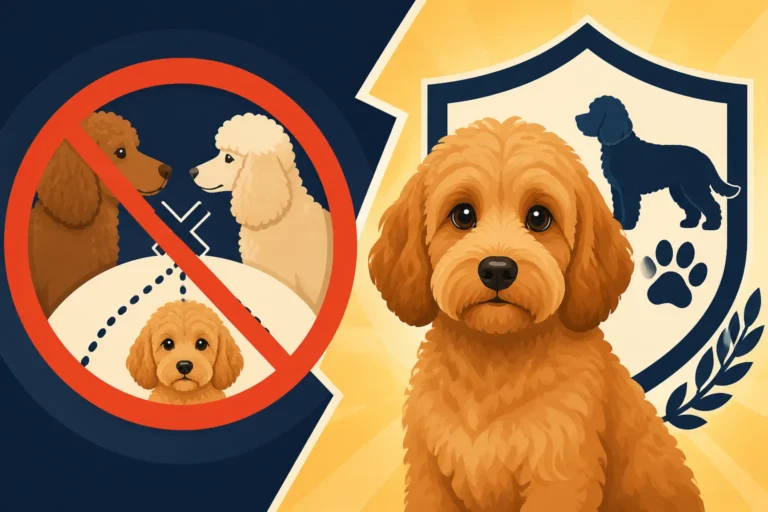
The term "accidental" when applied to the Cockapoo's origins is a bit loaded. It conjures images of an unplanned litter, perhaps two dogs getting together without their owners' knowledge or consent. While such things certainly happen in the dog world, the rise of the Cockapoo as a popular hybrid implies something more deliberate, even if initially informal. The "accidental" label often reflects a misunderstanding of how new dog types emerge, especially outside the traditional kennel club system.
Misconceptions About Mixed Breeds
There's a prevailing misconception that mixed breeds, or "designer dogs" as they later became known, are inherently accidental or somehow less legitimate than purebreds. This isn't true. Many purebred dogs we know today started as crosses between existing types, with dedicated breeders carefully selecting for specific traits over generations. The Cockapoo simply exists in a more modern context where the initial cross is still prominent and not yet consolidated into a fully recognized breed.
The idea that mixed breeds are always a result of chance encounters overlooks the significant effort many early Cockapoo enthusiasts put into pairing specific Cocker Spaniels with specific Poodles. They had a vision, even if it wasn't codified in a breed standard right away. They were looking for that "best of both worlds" combination that has made the Cockapoo so enduringly popular. The perceived randomness of their origin contributes to the debate about Whether the Cockapoo Is a Designer Dog or a Breed, a conversation that continues to this day.
Planned vs. Unplanned Litters
While it's impossible to say for certain that no Cockapoo ever resulted from a truly unplanned mating, the consistency in temperament and appearance that quickly became associated with the Cockapoo suggests a degree of intentionality. If every Cockapoo litter were purely accidental, we'd see a far wider variation in traits, and the "Cockapoo look" wouldn't have become so recognizable.
Consider a scenario: a family has a wonderful American Cocker Spaniel. They love the dog's personality but not the shedding. A friend has a Miniature Poodle known for its smarts and non-shedding coat. The idea sparks: "What if we bred them?" This isn't an accident; it's a deliberate choice based on desired outcomes. These early breeders, though perhaps not part of a formal organization, were making conscious decisions about parentage, even if the genetic outcome was still somewhat unpredictable.
The Perception of "Designer Dogs"
The term "designer dog" came into vogue much later than the first Cockapoo litters, largely to describe the phenomenon of crossing two purebreds for specific traits, often marketed at a premium price. The Cockapoo, in many ways, paved the way for this trend. It was one of the earliest and most successful examples of a hybrid that wasn't a "mutt" in the traditional sense, but a deliberate cross with a catchy name.
The initial perception might have been that these crosses were simply "mutts" that someone slapped a fancy label on. However, for those who experienced the joy of owning an early Cockapoo, the benefits were clear: a wonderfully affectionate, intelligent, and often lower-shedding companion. This positive experience fueled demand, which in turn spurred more intentional breeding, moving the Cockapoo further away from the "accidental" narrative and closer to a recognized type, much like Why the Cockapoo Came Before the Labradoodle.
Intentional Breeding and the Rise of the Hybrid
As the popularity of these Cocker-Poodle crosses grew, so did the intentionality behind their breeding. People started to realize there was something special about the combination, a predictable blend of traits that made them ideal family pets. This shift from potential happenstance to deliberate creation marks a significant turning point in the Cockapoo's history.
Early Goals of Cockapoo Breeders
The primary goal of early Cockapoo breeders was often quite simple: to produce a healthy, good-tempered companion dog with the desirable non-shedding or low-shedding coat of the Poodle, combined with the friendly, outgoing nature of the Cocker Spaniel. They weren't necessarily aiming for a new purebred recognized by the American Kennel Club (AKC), but rather a wonderful family pet that offered the best of both worlds.
This often meant carefully selecting parent dogs known for their sound temperaments and, ideally, their good health. While formal health testing was not as prevalent or easily accessible as it is today, responsible breeders would still strive to use healthy parents. They understood that the genetic contributions of both the Cocker and the Poodle were crucial. You can see how these combined traits led to What a Cockapoo Inherits From Each Parent.
Selecting for Temperament and Health
Intentional breeders focused on temperament above all else, ensuring that the puppies would inherit the affectionate, people-oriented nature of both parent breeds. They wanted dogs that were good with children, adaptable to various living situations, and eager to participate in family life. This keen focus on disposition helped solidify the Cockapoo's reputation as a fantastic companion.
Over time, as genetic testing became more sophisticated, serious Cockapoo breeders also started to incorporate health screening. They recognized that both Cocker Spaniels and Poodles could carry certain hereditary conditions, and responsible breeding meant working to reduce the incidence of these issues in their litters. This included screening for things like Progressive Retinal Atrophy (PRA), hip dysplasia, and patellar luxation. This kind of due diligence, looking for a clear health panel, is key. If you're looking for a puppy, always ask for The Five Certificates a Cockapoo Breeder Should Show for both parents.
The Evolution of Breeding Practices
What started as informal crosses evolved into more structured breeding programs. Breeders began to track generations (F1, F1b, F2, etc.) and understand the nuances of coat type and temperament that emerged from different pairings. They learned that an F1 (first generation, purebred Cocker x purebred Poodle) often offered a good balance, while an F1b (F1 Cockapoo x purebred Poodle) might enhance the non-shedding qualities.
This increasing sophistication demonstrates a clear move away from "accidental" breeding. Breeders became more knowledgeable about genetics, focusing on specific goals like perfecting the wavy "fleece" coat that many people desire, or aiming for particular size ranges. The journey from a simple cross to a well-understood hybrid type shows a deliberate progression fueled by consumer demand and breeder dedication. The interplay of genetics, such as The Curl Gene and Where a Cockapoo's Coat Lands, became a central part of these evolving practices.
The Poodle's Influence: More Than Just a Coat
The Poodle's contribution to the Cockapoo is immense and goes far beyond just its famous coat. Understanding these influences helps us appreciate why the Poodle was chosen as a foundational parent breed and how it shaped the Cockapoo into the delightful dog we know today.
Hypoallergenic Hopes
The Poodle's single coat, which is curly and continuously growing rather than shedding seasonally, was a major factor in its selection for crossing. For families with allergy sufferers, the promise of a "hypoallergenic" dog was incredibly appealing. While no dog is truly 100% hypoallergenic, the Poodle's coat significantly reduces the dander and shedding that trigger allergic reactions in many people.
This aspect alone was a powerful motivator for intentional breeding. Imagine the relief of someone who loves dogs but suffers from allergies, finally being able to bring a companion into their home without constant sneezing or itchy eyes. This practical benefit was a key driver in the Cockapoo's early popularity and remains a sought-after trait. Of course, regular grooming, even for a low-shedding coat, is still essential to prevent matting, and many owners rely on suppliers like Chewy for their grooming tools and hypoallergenic shampoos.
Intelligence and Trainability
Poodles are renowned for their intelligence. They consistently rank among the smartest dog breeds, making them highly trainable and eager to learn. This keen intellect, combined with a desire to please, makes them excel in obedience, agility, and other dog sports. When crossed with a Cocker Spaniel, this intelligence is often passed down to the Cockapoo, resulting in a dog that is typically quick to pick up new commands and enjoys mental stimulation.
This trainability is a huge benefit for families, especially first-time dog owners. A dog that is easy to teach manners, house-train quickly, and respond to cues makes for a much more harmonious household. The Poodle's genetic gift of brains contributed significantly to the Cockapoo's reputation as a bright and responsive companion, far from the unpredictable nature of a truly accidental mixed breed. This intelligence also means they thrive on enrichment toys and puzzles, readily available from retailers like Chewy.
Poodle Sizes and Their Impact
Poodles come in four sizes: Standard, Miniature, Toy, and sometimes even Teacup. For the Cockapoo, the Miniature and Toy Poodles were (and still are) the most commonly used, contributing to the Cockapoo's compact and manageable size range. A Standard Poodle would create a much larger "Cockapoo," which some might refer to as a "Standard Cockapoo" or a different doodle altogether.
The choice of Poodle size directly impacts the eventual size of the Cockapoo puppy. Breeding a Cocker with a Miniature Poodle typically results in a Miniature Cockapoo, while a Toy Poodle cross leads to a Toy Cockapoo. This intentional selection of parent size further underscores the deliberate nature of Cockapoo breeding, as breeders aimed to produce dogs within specific, desired size parameters that were appealing to families looking for a smaller to medium-sized companion.
The Cocker Spaniel's Contribution: Temperament and Drive
The Cocker Spaniel brings a rich tapestry of traits to the Cockapoo mix, contributing heavily to its charming personality and enduring appeal. While the Poodle often provides the coat benefits, the Cocker Spaniel imbues the Cockapoo with much of its signature "merry" disposition and zest for life.
The Merry Nature of the Cocker
American Cocker Spaniels are famously known for their "merry" disposition. They are outgoing, affectionate, and generally eager to please their human companions. This joyful and friendly nature is a hallmark of the breed and a highly desirable trait that breeders aimed to carry over into the Cockapoo. A well-bred Cocker Spaniel is a delightful family member, full of life and love, and this translates wonderfully into the hybrid.
A Cockapoo often inherits this inherent happiness, making them wonderful therapy dogs or simply cheerful companions. They tend to be very people-oriented and thrive on interaction, often following their owners from room to room. This strong bond with their family is a testament to the Cocker side of their heritage, making them incredibly loyal and devoted pets. When you see a Cockapoo with that characteristic tail wag and happy bounce, you're seeing the Cocker Spaniel shining through.
Potential Health Concerns from the Cocker Line
While the Cocker Spaniel offers many wonderful traits, like any purebred, it also carries a predisposition to certain health issues. Responsible Cockapoo breeders are acutely aware of these potential concerns and work to mitigate them through careful selection and health testing of their breeding stock. Common issues in Cocker Spaniels include certain eye conditions, such as glaucoma and progressive retinal atrophy (PRA), as well as hip dysplasia and ear infections due to their long, floppy ears.
Familial Nephropathy (FN), a severe kidney disease, is another hereditary condition found in Cocker Spaniels. Breeders who use Cocker Spaniels in their Cockapoo lines should always ensure their breeding dogs are tested clear for FN. Understanding the risks and testing accordingly is part of ethical, intentional breeding, ensuring that the next generation of Cockapoos is as healthy as possible. Addressing these potential problems proactively is a far cry from the haphazard nature of an "accidental" breeding.
The Hunting Instinct
Let's not forget the Cocker Spaniel's heritage as a gundog. These dogs were bred to flush game and retrieve it, and even in pet lines, this instinct often remains. Cockapoos, particularly those with a stronger Cocker influence, can display a keen interest in scent and a desire to "work." They might enjoy sniffing out treats, chasing squirrels, or enthusiastically retrieving toys. This isn't just playful energy; it's a residual working drive.
This innate drive is something to be aware of and channeled positively through training and enrichment activities. Scent work, fetch games, and even basic obedience training can satisfy this desire. It’s why The Flushing Drive Still Alive in a Cockapoo is an important consideration for owners. Providing outlets for these natural instincts keeps a Cockapoo happy and well-behaved. Without proper engagement, a Cockapoo might find its own "work," which could involve digging, chasing, or other behaviors we might not appreciate!
Moving Beyond "Accident": The Designer Dog Debate
The Cockapoo's journey from potential happenstance to deliberate creation has firmly placed it within the ongoing "designer dog" debate. This isn't just about whether the first litter was accidental, but about the philosophical implications of creating crossbreeds and their place in the canine world.
The Push for Recognition
For many dedicated Cockapoo breeders and enthusiasts, the ultimate goal is often breed recognition by major kennel clubs. This would mean establishing a formal breed standard, a clear lineage, and consistent traits across generations. While the Cockapoo has been around for decades, it remains primarily a hybrid, not a recognized purebred. This lack of recognition can be a point of contention, as it affects everything from showing opportunities to the perceived legitimacy of the breed.
The path to recognition is long and arduous, requiring many generations of consistent breeding, careful documentation, and often the formation of a strong breed club. The Cockapoo's long history and widespread popularity make it a strong candidate for eventual recognition, but the process is not quick or easy. Whether this will happen, and what form it might take, is a question many Cockapoo lovers ponder, making Whether the Cockapoo Will Ever Be Recognized a common topic of discussion.
The Role of Breed Clubs
While not recognized by major kennel clubs like the AKC, several Cockapoo breed clubs have formed over the years, such as the Cockapoo Club of America and the American Cockapoo Club. These clubs play a crucial role in promoting responsible breeding practices, educating prospective owners, and preserving the health and temperament of the Cockapoo. They often advocate for health testing, ethical breeder guidelines, and provide a community for owners.
These clubs, by their very existence, demonstrate a deliberate and organized effort to guide the development of the Cockapoo. They are a testament to the fact that the Cockapoo is far from an "accidental" phenomenon; rather, it's a beloved companion animal whose future is being shaped by passionate individuals dedicated to its well-being and consistent quality. They often share valuable information and resources, sometimes even collaborating with online pet supply companies like Chewy to offer member discounts or educational materials.
The Ongoing Debate
The debate surrounding "designer dogs" like the Cockapoo often revolves around questions of health, predictability, and purpose. Critics sometimes argue that these crosses are simply expensive mutts, lacking the consistency or health guarantees of purebreds. Proponents, however, champion the "hybrid vigor" and the unique blend of traits that these crosses offer, often pointing to specific health benefits or reduced incidence of certain purebred diseases.
Ultimately, whether the "first" Cockapoo was an accident is less important than the intentionality that followed. The Cockapoo has carved out its own niche, earning a place in countless homes as a cherished family member. Its popularity speaks volumes about its inherent appeal, and the ongoing efforts of responsible breeders and dedicated owners ensure that this delightful crossbreed continues to thrive, regardless of its informal beginnings.
| Aspect | "Accidental" Cross | Intentional Breeding |
|---|---|---|
| Parent Selection | Random, opportunistic, sometimes unknown parentage | Deliberate choice of healthy, temperament-tested parents |
| Health Screening | Unlikely, unknown health history of parents | Extensive genetic and physical health testing of parents |
| Temperament | Unpredictable blend of traits, could be any mix | Aiming for specific desirable traits from both breeds |
| Coat Type | Highly variable, often unpredictable shedding | Selecting for low-shedding, desired texture (wavy, curly) |
| Goal | Unplanned litter, possibly rehoming an unexpected outcome | Creating a specific type of companion dog with benefits |
| Documentation | Minimal to none | Pedigrees, health certificates, generational tracking |
Disclaimer
This article is for general informational purposes only and does not constitute professional advice. Laws, prices and regulations vary by location and change over time. Consult a qualified professional for guidance on your specific situation.