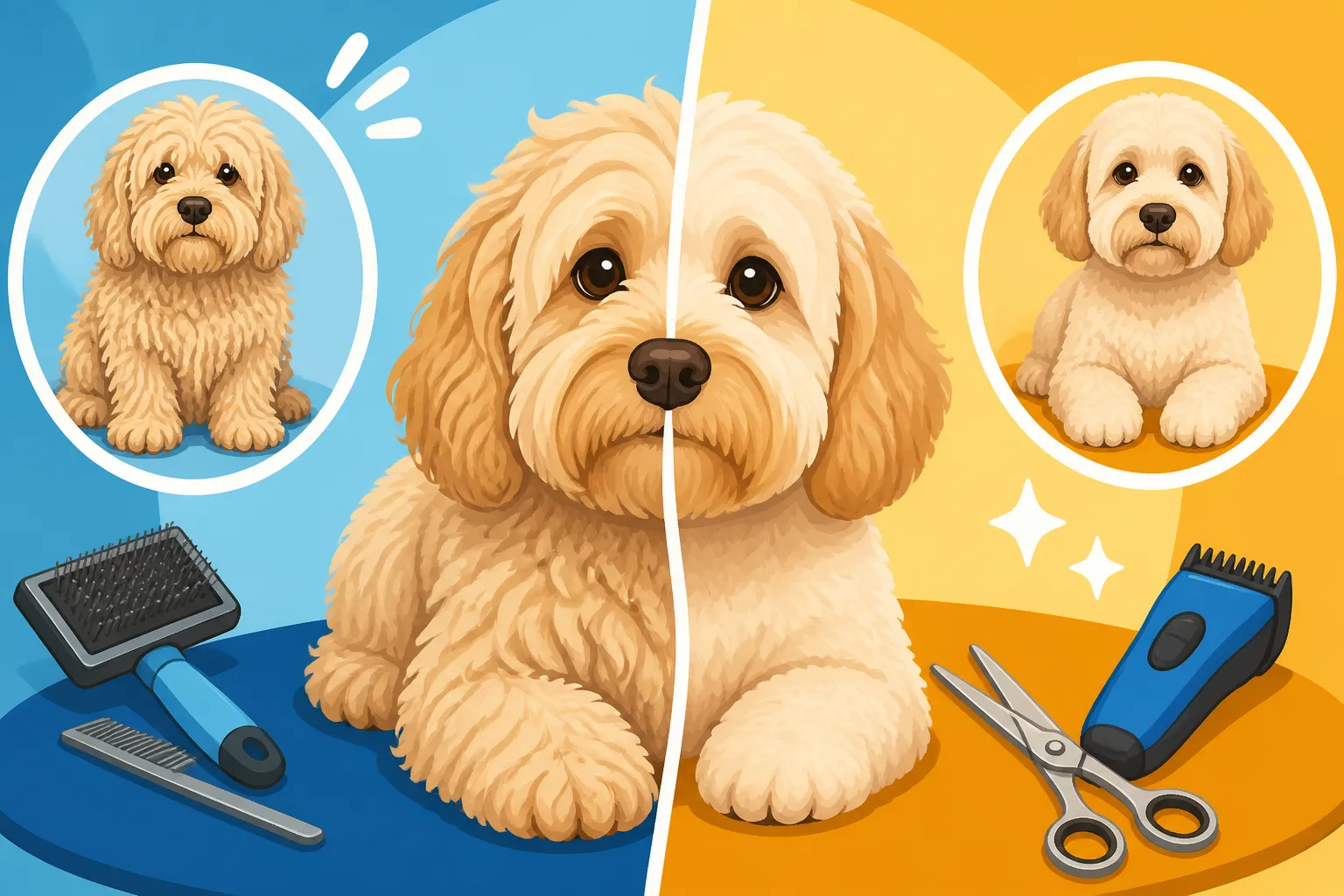
Splitting an Old Cockapoo’s Groom Over Two Days
Anyone who has a beloved senior Cockapoo knows the mixed feelings that come with their golden years. On one hand, you cherish every moment with your wise, gentle companion. On the other, you start noticing how little things that used to be easy, like a full grooming session, become a real physical and emotional marathon for them – and for you. This guide is all about making grooming less stressful for your aging Cockapoo by breaking it down into manageable, comfortable sessions over two days.
Why Grooming an Older Cockapoo Becomes a Challenge
It's not just your imagination; grooming does get harder as your Cockapoo gets older. What was once a quick brush-and-bath routine can turn into a saga filled with fidgeting, discomfort, and general reluctance. Understanding why this happens is the first step to making things easier for both of you.
Physical Changes in Senior Dogs
Just like us, older dogs experience a range of physical changes that impact their ability to stand for long periods, tolerate handling, or even position themselves comfortably. Your Cockapoo, who once bounced around during bath time, might now groan softly when you try to lift a leg or whimper when you try to reach a tricky spot.
Arthritis and other joint issues are incredibly common in senior dogs. Those once-flexible joints can become stiff and painful, making it uncomfortable to stand on a grooming table for an extended period. Imagine having a nagging ache in your knees or hips, and then being asked to stand still while someone pulls at your hair – it's a tough ask! Even minor stiffness can make reaching their backend or lifting a paw for nail trims a true ordeal. This is also why we often see senior Cockapoos moving a little slower or finding it harder to navigate stairs, a common sign of joint discomfort. Arthritis in a Cockapoo at Eleven is a good read if you're noticing these changes. Their vision might also decline, making them more easily startled by sudden movements or the approach of a brush they can't quite see clearly. Hearing loss can also contribute, making them less responsive to verbal cues and potentially more anxious if they can't hear what's happening around them.
Emotional Changes and Anxiety
Beyond the physical, there are often emotional shifts in older Cockapoos that can make grooming more challenging. Their tolerance for handling might decrease. A dog who once loved a good belly rub might now pull away if you touch a sensitive area. This isn't usually aggression, but rather a sign of discomfort or a lower threshold for sensory input. Some senior dogs also develop cognitive dysfunction, which can manifest as increased anxiety, confusion, or a shorter attention span. They might forget why they're on the grooming table or become disoriented by the sounds and sensations, making them fidgety and less cooperative.
The grooming process itself, with its various sounds (clippers, dryer), sensations (pulling hair, water), and unfamiliar restraints, can trigger anxiety. For an older dog who's already a bit less steady on their feet or more prone to being startled, these elements become amplified stressors. They might pace, pant, or try to escape, communicating their distress in the only ways they know how. What they once tolerated with youthful exuberance, they now might simply dread.
Coat Changes in Later Years
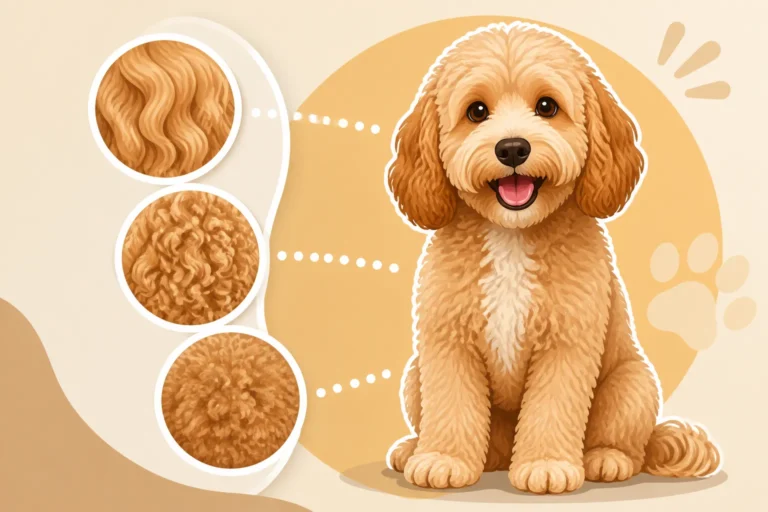
It’s not just your dog’s body that changes; their beautiful Cockapoo coat also evolves with age. You might notice changes in texture, thickness, or even how quickly it mats. Some Cockapoos might find their curls loosening a bit, while others might develop a finer, more delicate coat that tangles more easily. Whether an Old Cockapoo's Curl Loosens can offer more insight into this specific change.
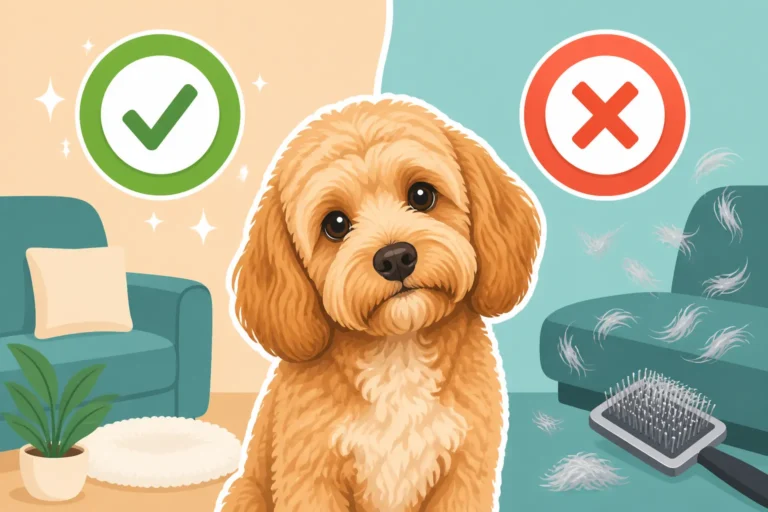
Older dogs can also have drier skin due to reduced oil production, making their coat more brittle and prone to breakage. This dry skin can also lead to more itching, which in turn can cause them to scratch and create new mats. Combine this with reduced mobility – making it harder for them to groom themselves effectively – and you have a recipe for mats forming faster and being more difficult to remove. Mats aren't just a cosmetic issue; they can pull on the skin, causing pain, irritation, and even skin infections. For an older dog with fragile skin, a tight mat can be particularly distressing. The increased effort required to brush or demat these changes in coat condition adds to the overall strain of a grooming session.
The Two-Day Grooming Strategy: A Gentle Approach
The key to successfully grooming an older Cockapoo is to break the process down into manageable, low-stress segments. Trying to do it all at once can overwhelm them, turning a necessary task into a terrifying ordeal. A two-day approach allows for rest, reduces physical strain, and gives you time to respond to your dog's comfort levels.
Day One: Prep and the First Pass
Day one is all about getting the bulk of the work done in a way that minimizes stress and discomfort. Think of it as the heavy lifting, but done gently.
First things first, gather all your tools before you even bring your Cockapoo into the grooming area. Nothing adds stress like fumbling around for a brush while your dog is already questioning what's going on. Ensure you have a non-slip surface for them to stand on, whether it's a grooming table with a rubber mat or even just a bath mat on the floor. Start with a thorough pre-bath brush. This is crucial for any Cockapoo, but especially an older one whose coat might be more prone to matting. Use a slicker brush and then follow up with a metal comb to ensure you're getting all the way to the skin. Focus on areas that commonly mat, like behind the ears, armpits, and under the tail. If you encounter any small mats, try to gently work them out with a detangling spray and your comb. For larger, stubborn mats, consider carefully clipping them out before the bath, as water will only tighten them further. Line Brushing a Cockapoo and Why the Top Coat Lies is a great resource for effective brushing techniques.
After a good brush-out, it's bath time. Use lukewarm water, never too hot or too cold, and a gentle, moisturizing shampoo specifically formulated for dogs. For older dogs, a non-slip mat in the tub is non-negotiable. Support them gently as you wash, paying attention to areas they might struggle to stand for. Avoid spraying water directly in their face; instead, use a washcloth for their head and ears. Rinse thoroughly, as any leftover shampoo can irritate sensitive skin. Once bathed, towel-dry them as much as possible, squeezing out excess water rather than rubbing vigorously. Then, use a low-heat, low-speed dog-specific dryer while brushing their coat to ensure it dries completely straight and mat-free. This is where many owners go wrong – an incompletely dried coat is a magnet for mats. Keep the dryer moving, and give them breaks if they seem stressed.
Once dry, you can do an initial, rough trim. This means clipping the body to a comfortable length, avoiding intricate detailing. The goal here is functional: to get the coat to a manageable, shorter length that will be easier for your dog to wear and for you to maintain until the next session. Don't worry about perfection today. Focus on getting the bulk of the coat off, leaving the trickier areas like the face, paws, and sanitary regions for tomorrow. For instance, you might use a longer guard comb on your clippers to take the body down to a reasonable length. Give plenty of praise, treats, and breaks throughout this process. The idea is to make it as positive as possible, even if it means it takes a bit longer.
Day Two: Finishing Touches and Detail Work
Day two is about precision and those finishing touches that make your Cockapoo look and feel fantastic. Because the main body work is done, these tasks should be quicker and less physically demanding for your dog.
Start by offering a quick brush-through just to ensure no new tangles have formed overnight. Then, move on to the delicate areas. For the face, use blunt-nosed scissors to carefully trim around their eyes to prevent hair from irritating them. Many Cockapoos get tear stains, and keeping the hair around their eyes short can help manage this. Trim their beard and mustache to a tidy length. Be extra cautious, using your non-dominant hand to gently hold the hair away from their eyes and skin as you snip.
Next, tackle their paws. Trim the hair between their paw pads to prevent slipping and to keep debris from getting stuck there. Use clippers with a small blade for this. Then, trim the hair around the perimeter of their paws to create a neat, rounded look. This helps prevent mats and makes their movement more comfortable. Finally, nail trims. If your Cockapoo has dark nails, be very careful not to cut into the quick. Take off small amounts at a time. If they're particularly sensitive, consider using a Dremel tool, which can be less startling than clippers and allows for more gradual trimming.
Their ears are another area needing special attention. Cockapoos often have long, floppy ears that are prone to matting and infections. Gently trim the hair on the underside of their ears to improve airflow and prevent excessive moisture buildup. You might also want to pluck any excess hair from inside the ear canal, but only if you're comfortable and your dog tolerates it; otherwise, leave this to a professional groomer or your vet. For their tail, simply tidy it up to a pleasing shape, trimming any straggly hairs. Remember to continuously praise and reward your Cockapoo with treats throughout these tasks. If they show signs of stress or pain, take a break, offer a calming cuddle, and resume when they’re ready, or stop for the day if necessary. The goal is always comfort over speed or perfection.
Essential Tools and Techniques for a Senior Cockapoo Groom
Having the right tools and knowing how to use them with extra care can make a huge difference when grooming an older Cockapoo. It’s all about minimizing discomfort and maximizing efficiency.
Comfort-First Grooming Tools
Investing in high-quality, ergonomic tools can prevent wrist strain for you and reduce stress for your dog. A good slicker brush, like those from Amazon, is essential for untangling and removing loose hair. Follow up with a sturdy metal comb to check for mats. For sensitive skin, a soft bristle brush can be used for lighter everyday brushing.
When it comes to clippers, quieter models are a game-changer for anxious or noise-sensitive senior dogs. Look for clippers that are specifically advertised as low-noise or quiet. Cordless options also offer more flexibility and prevent your dog from tripping over a cord. Make sure to have a variety of blade sizes or guard combs to achieve different lengths without having to switch blades constantly, which can be disruptive. For trimming delicate areas like paws and around the eyes, blunt-nosed grooming scissors are safer than pointed ones. You can find a wide selection of these tools on sites like Chewy.
Don't forget the detangling spray! A good quality spray can make working out small mats much easier and less painful. Also, a dog-specific conditioner used after shampooing can help keep their coat soft and pliable, reducing matting. For nail trims, consider a grinder (Dremel-style tool) instead of traditional clippers if your dog is fearful of the clipping sensation or if their nails are dark and hard to see the quick. Many dogs tolerate the gentle grinding sensation better, especially if introduced slowly with positive reinforcement.
Creating a Calm Environment
The environment where you groom your senior Cockapoo is just as important as the tools you use. Choose a quiet, well-lit space where you won't be interrupted. Soft, calming music can sometimes help mask startling noises from clippers or dryers. If possible, avoid grooming during times of day when there's a lot of household commotion.
Make sure the surface your Cockapoo is standing on is stable and non-slip. A wobbly table or slippery floor can cause anxiety and even injury for an older dog. Place non-slip mats in the tub and on any grooming surface. Elevate your dog to a comfortable working height for you, but ensure they feel secure. Never leave an older dog unattended on a grooming table, even for a moment, as a fall could be disastrous.
Use plenty of high-value treats to create positive associations with grooming. Offer a treat when they stand still, when you touch a paw, or after a section of grooming is complete. Speak in a calm, soothing voice throughout the process. For dogs with significant anxiety, consider talking to your vet about calming supplements or pheromone diffusers that might help reduce stress. If your Cockapoo associates grooming with delicious snacks, they're much more likely to tolerate it.
Monitoring Your Cockapoo's Comfort
This is perhaps the most critical technique: constantly watch your Cockapoo for signs of discomfort or stress. They can't tell you in words if something hurts or if they've had enough, so it's up to you to interpret their body language.
Look for subtle cues: lip licking, yawning, turning their head away, tensing muscles, low tail carriage, panting, or fidgeting. More obvious signs include whining, pulling away forcefully, trying to nip, or outright refusing to stand. If you see any of these, stop. Give them a break. Let them lie down, offer a drink of water, or just give them some quiet cuddle time. Pushing through severe discomfort will only make them dread future grooming sessions even more.
Breaks are your best friend. A five-minute break to stretch, sniff around, and get some praise can completely reset their mood. If you notice a specific area causes more pain, like a hind leg, try to groom that section when they're lying down or supported differently. Sometimes, simply shifting their weight or changing your position can make a difference. The entire two-day strategy is built on this principle of monitoring and responding to their needs. You’re not rushing for a show ring finish; you’re aiming for a comfortable, hygienic, and dignified groom for your beloved senior companion.
Long-Term Care and Maintenance for an Aging Coat
Grooming doesn't just happen every few weeks; it's an ongoing process, especially for an older Cockapoo. Integrating daily care and being proactive about their health will make those split grooming sessions even easier.
Daily Brushing: Keeping Mats at Bay
For a Cockapoo, daily brushing is essential throughout their lives, but it becomes even more critical as they age. Their coats can become more fragile, dry, or prone to matting, and their ability to self-groom decreases. A few minutes each day can prevent hours of painful dematting or a complete shave-down.
Focus on "line brushing," where you part the coat and brush in small sections from the skin outwards. This ensures you're getting all the way to the root and not just skimming the surface. Pay extra attention to common matting spots like behind the ears, armpits, flanks, and the belly. These are areas where movement causes friction, and if your dog has any stiffness, they might not be able to scratch or reach these spots themselves, leading to faster mat formation. A good quality slicker brush and a metal comb are your allies here. If you consistently brush every day, you'll find those two-day grooming sessions become less about battle and more about maintenance. Regular brushing also stimulates blood flow to the skin and distributes natural oils, which can help with dryness.
Nutrition and Supplements: Supporting Skin and Coat Health
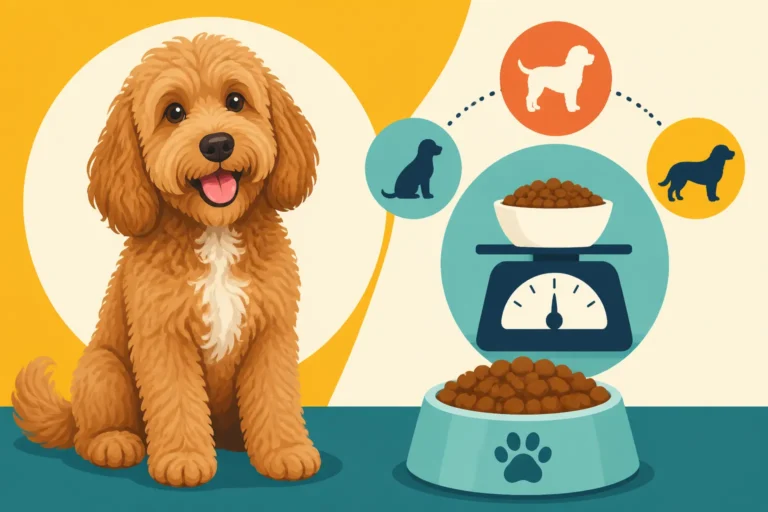
What goes into your Cockapoo's body directly impacts the health of their skin and coat. As dogs age, their nutritional needs can change. A high-quality senior dog food, appropriate for their size and activity level, provides essential nutrients for overall health, including skin and coat integrity. Brands like Ollie offer fresh food options that many owners find beneficial for senior dogs.
Consider adding supplements known to support skin and coat health. Omega-3 fatty acids, often found in fish oil, can significantly improve skin hydration, reduce inflammation, and give the coat a healthier sheen. Glucosamine and chondroitin supplements are also excellent for supporting joint health, which, as we discussed, directly impacts their ability to comfortably tolerate grooming. Probiotics can also aid in gut health, which is linked to skin health. Always discuss any new supplements with your veterinarian to ensure they are appropriate for your specific dog's health needs and won't interact negatively with any medications. Proper hydration is also vital – make sure your Cockapoo always has access to fresh, clean water.
Regular Vet Check-ups: Addressing Underlying Issues
Finally, don't underestimate the power of regular veterinary check-ups. Many changes in coat quality, skin issues, or grooming intolerance can be symptoms of underlying health problems. A dry, flaky coat might indicate a thyroid issue. Excessive shedding or poor coat condition could point to nutritional deficiencies or other systemic diseases. Increased sensitivity during grooming could be due to hidden pain from arthritis, dental issues, or even a growing lump.
Your vet can conduct routine bloodwork, check-ups, and screenings to catch these issues early. They can also recommend pain management strategies for arthritis, such as anti-inflammatory medications or physical therapy, which will make grooming much more comfortable for your dog. For instance, if your Cockapoo has Heart Murmurs in an Aging Cockapoo, your vet can advise on how best to manage their activity and stress during grooming. Never hesitate to bring up any changes you notice in your senior Cockapoo's coat, skin, or behavior during their annual or semi-annual appointments. Early intervention can drastically improve their quality of life and make necessary tasks like grooming much easier for everyone involved.
By approaching grooming with patience, understanding, and a willingness to adapt, you can continue to provide your cherished senior Cockapoo with the care they need, keeping them comfortable, healthy, and happy in their golden years.
Disclaimer
This article is for general informational purposes only and does not constitute professional advice. Laws, prices and regulations vary by location and change over time. Consult a qualified professional for guidance on your specific situation.