What a Scavenging Cockapoo Must Never Reach
Oh, the beloved Cockapoo! Their inquisitive nature, that keen nose, and often, that insatiable desire to explore the world with their mouths – it's a personality trait that can be both endearing and, let's be honest, absolutely terrifying for us owners. Many a Cockapoo parent has walked into a room only to find their furry friend happily munching on something they definitely shouldn't have. It’s a moment of sheer panic, wondering if what they just ingested is merely gross or genuinely dangerous. This guide is here to shed light on exactly what a scavenging Cockapoo must never reach, helping you create a safer environment for your curious companion.
Understanding the Cockapoo's Scavenging Instinct
It's not just naughtiness, bless their cotton socks! Your Cockapoo's drive to sniff out, investigate, and often sample anything interesting is deeply rooted in their genetics. Understanding why they do it is the first step in managing this potentially dangerous behavior.
Why Your Cockapoo Loves to Scavenge
Think about the two parent breeds that make up your wonderful Cockapoo: the Cocker Spaniel and the Poodle. Both bring unique traits to the table that, when combined, can create a master scavenger. The Cocker Spaniel, whether American or English, was bred for flushing game. Their noses are magnificent, designed to follow fascinating scents through dense undergrowth. Every discarded crumb, every dropped bit of food, every intriguing smell on the sidewalk is an invitation for investigation. They live through their noses, and if their nose says "edible," their mouth often follows. This isn't just about food; it's about anything that carries a captivating odor. They'll spend hours Scent Work That Satisfies a Cockapoo if given the chance.
Then you have the Poodle side – highly intelligent, problem-solvers who can figure out how to open cupboards, pry open trash cans, or manipulate child-proof locks with surprising ease. They're quick learners, and if they've successfully scavenged something tasty once, they'll remember that trick. It's not malicious; it's simply an intelligent dog finding a rewarding activity. If your Cockapoo is left alone for periods or doesn't get enough mental stimulation, that innate drive to explore and "hunt" can easily turn into seeking out illicit snacks. A bored Cockapoo is often a resourceful one, and that can lead them straight into trouble.
The Dangers of Ingesting Unknowns
While it might seem like a harmless, if messy, habit, letting your Cockapoo scavenge can lead to serious health consequences, ranging from mild discomfort to life-threatening emergencies. The immediate danger can be a choking hazard. Small objects, pieces of plastic, bones (especially cooked ones that can splinter), or even large chunks of human food can get lodged in their throat or esophagus. This can quickly become a frantic situation requiring immediate veterinary intervention.
Beyond choking, there's the insidious threat of toxic substances. Many common household items and human foods are perfectly safe for us but lethal to dogs. The digestive system of a Cockapoo is not designed to process these things. Ingesting toxins can lead to a cascade of problems: severe gastrointestinal upset (vomiting, diarrhea), internal organ damage (liver, kidneys, pancreas), neurological issues (seizures, disorientation), or even death. A blockage, caused by ingesting non-food items like fabric, toys, or even large pieces of fruit pits, is another grave concern. These can require invasive and costly surgery to remove. Early signs of kidney trouble can sometimes mimic less serious issues, but if your Cockapoo is getting into things, it's always best to be vigilant, especially given concerns like Familial Nephropathy and the Kidneys a Cockapoo Can Inherit.
Common Household Hazards: What to Secure
Our homes are full of potential dangers for a curious Cockapoo. We often don't even think about them because they're harmless to us, but for a dog, they can be incredibly perilous.
Human Foods That Are Toxic
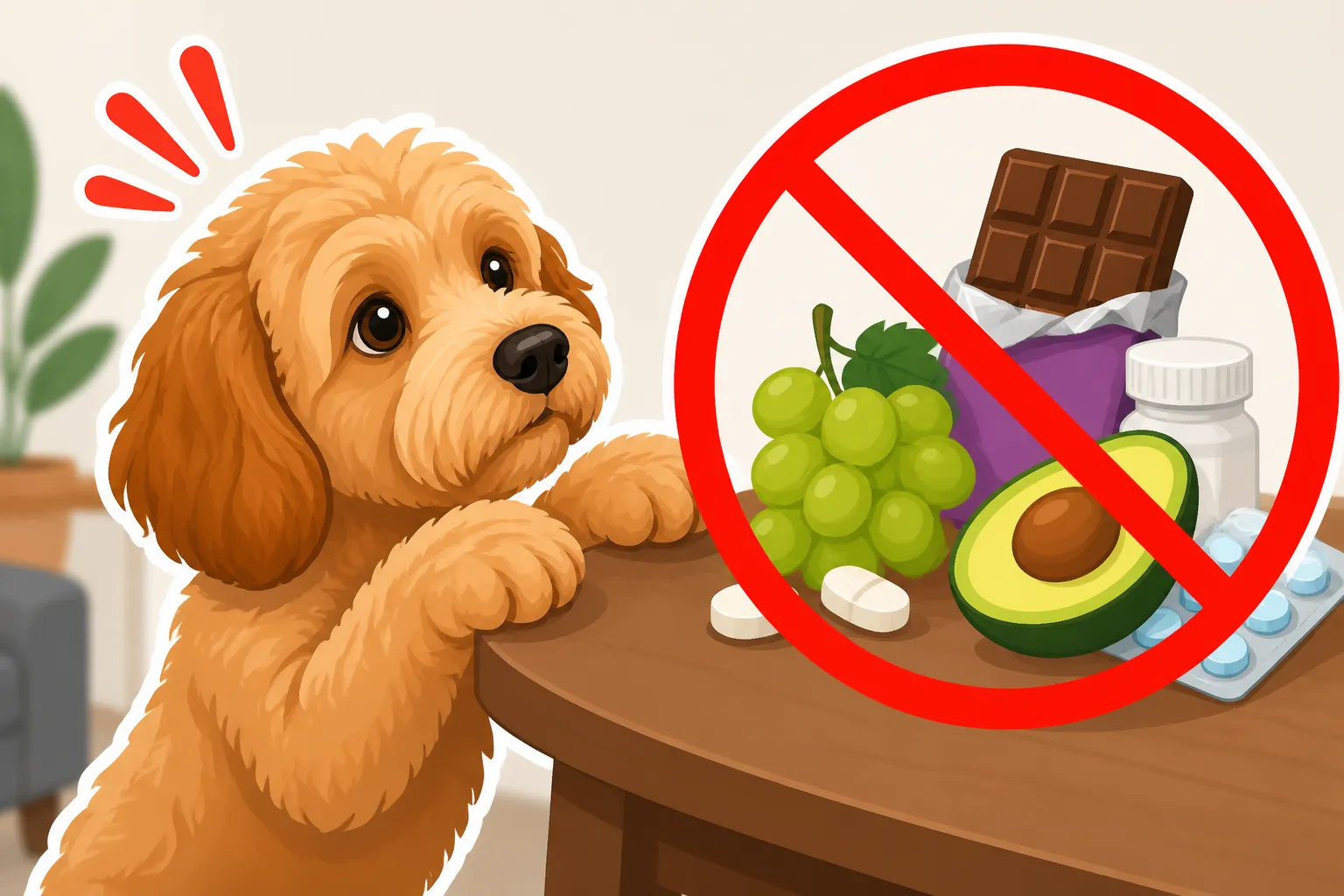
This is perhaps the most common area where scavenging goes wrong. It's so easy to drop a grape, leave a chocolate bar on the coffee table, or forget to secure the trash. Here are some of the biggest culprits:
- Chocolate: Contains theobromine, which dogs metabolize much slower than humans. Even a small amount, especially dark chocolate, can cause vomiting, diarrhea, tremors, seizures, and heart problems.
- Xylitol (Birch Sugar): A common artificial sweetener found in sugar-free gum, some peanut butter brands, toothpaste, and baked goods. It causes a rapid and severe drop in blood sugar (hypoglycemia) and can lead to liver failure. Always check peanut butter labels before giving it to your Cockapoo!
- Grapes and Raisins: Can cause acute kidney failure in dogs. The exact toxic substance isn't fully understood, but even a small quantity can be deadly.
- Onions, Garlic, Leeks, Chives: These alliums can damage a dog's red blood cells, leading to anemia. Symptoms might not appear immediately but can manifest days later.
- Avocado: Contains persin, which can cause vomiting and diarrhea in dogs, particularly in larger quantities.
- Macadamia Nuts: Can cause weakness, tremors, vomiting, fever, and depression. While usually not fatal, they can make your Cockapoo very uncomfortable.
- Alcohol: Even small amounts can cause significant drops in blood sugar, blood pressure, and body temperature. It can lead to respiratory failure and death.
- Cooked Bones: While raw bones can be part of some diets, cooked bones are brittle and can splinter, causing internal damage or blockages. Never give your Cockapoo cooked bones from your dinner.
It’s about constant vigilance. A simple act like putting your plate on the floor while you answer the door, or leaving a half-eaten sandwich on a low table, can be an open invitation for a quick snatch-and-grab by a speedy Cockapoo. Even an F1 Cockapoo, often considered robust, can be affected by these toxins. Whether an F1 Cockapoo Can Be Affected by FN is a different genetic concern, but general toxins don't discriminate by generation.
Medications, Chemicals, and Other Non-Food Items
Beyond food, many everyday items pose a grave threat. It’s not just the obvious poisons; many human medications, even seemingly benign ones, are highly toxic to dogs.
- Human Medications: Painkillers like ibuprofen (Advil, Motrin) or acetaminophen (Tylenol), antidepressants, blood pressure medications, and even vitamins can cause severe illness, liver damage, kidney failure, or neurological issues. Always keep all medications, prescription or over-the-counter, locked away in cabinets your Cockapoo cannot access.
- Cleaning Supplies: Bleach, detergents, toilet bowl cleaners, drain cleaners, and even floor cleaners are corrosive and can cause chemical burns, internal damage, or poisoning. Store them in high, locked cabinets.
- Pesticides and Rodenticides: Snail bait, ant killer, rat poison – these are designed to be lethal to pests and are equally, if not more, dangerous to dogs. Many rodenticides are flavored to attract rodents, making them dangerously appealing to curious pups.
- Antifreeze: This is particularly nasty because it often has a sweet taste that dogs find appealing. Even a small lick can cause acute kidney failure and is often fatal.
- Batteries: Whether they are small button batteries from remotes or larger ones, ingesting batteries can cause chemical burns in the mouth, esophagus, and stomach, as well as heavy metal poisoning.
- Plants: Many common houseplants and garden plants are toxic. Lilies (especially for cats, but harmful to dogs), sago palms, azaleas, rhododendrons, oleander, and even daffodils can cause a range of symptoms from gastrointestinal upset to severe organ damage. If you're unsure about a plant, err on the side of caution and keep it out of reach or remove it entirely.
- Small Toys and Objects: Children's small toys, coins, rubber bands, hair ties, sewing notions, or even socks can cause intestinal blockages. Your Cockapoo's keen sense of smell might lead them to fascinating items hidden under furniture or in unexpected places.
Outdoor and Garage Dangers to Watch For
The dangers don't stop at your doorstep. Your yard, garden, and garage can hold an array of hidden hazards that a scavenging Cockapoo might discover.
Garden and Yard Threats
The great outdoors, while wonderful for exercise and exploration, is also full of tempting, yet dangerous, things for a Cockapoo.
- Toxic Plants: Beyond indoor plants, many outdoor plants are beautiful but deadly. Rhododendrons and azaleas can cause cardiovascular problems and seizures. Tulips and daffodils, especially their bulbs, can cause severe gastrointestinal upset, cardiac dysfunction, and central nervous system depression. Foxglove is another plant that is highly toxic to the heart. Before letting your Cockapoo roam freely in your garden, familiarize yourself with common toxic plants in your area.
- Fertilizers and Pesticides: Lawn fertilizers, especially those containing iron or other micronutrients, can cause gastrointestinal upset. Weed killers, slug bait, and other garden chemicals are serious poisons. Slug bait, in particular, often contains metaldehyde, which is highly toxic and can cause seizures and neurological damage. Always store these products securely and ensure your dog doesn't have access to treated areas until they are completely dry and safe.
- Mushrooms: While many wild mushrooms are harmless, identifying toxic varieties can be incredibly difficult, even for experts. It's best to treat all wild mushrooms as potentially poisonous. If your Cockapoo ingests a wild mushroom, seek veterinary attention immediately. Some species can cause severe liver damage, kidney failure, or neurological problems. A Cockapoo with a strong The Flushing Drive Still Alive in a Cockapoo might be even more likely to root around in moist, shady areas where mushrooms thrive.
- Compost Piles: A hidden danger! Decomposing food in compost piles can contain tremorgenic mycotoxins, which are poisons produced by molds. Ingesting these can cause muscle tremors, seizures, and hyperthermia. Secure your compost pile rigorously.
Garage and Shed Hazards
Garages and sheds are often utility spaces where dangerous chemicals and tools are stored, making them high-risk zones for a curious canine.
- Antifreeze: We mentioned this earlier, but it bears repeating: antifreeze is extremely dangerous. Even a tiny amount spilled on the garage floor can be fatal if licked up by your Cockapoo. Always clean up spills immediately and store bottles in locked cabinets.
- Pest Control Products: Just like in the house, any rat, mouse, or insect killer stored in the garage is a serious threat. These often come in forms designed to be attractive, making them incredibly dangerous.
- Paint, Solvents, and Car Fluids: Paint, paint thinners, turpentine, gasoline, oil, and windshield washer fluid are all toxic if ingested or if prolonged skin contact occurs. Keep all automotive and painting supplies tightly sealed and out of reach.
- Tools and Small Hardware: Nails, screws, washers, nuts, bolts, and even sharp tools can cause internal injuries, blockages, or cuts if your Cockapoo decides to chew on them. Keep toolboxes securely closed and sweep up any dropped items promptly. Even seemingly innocent items like twine or wire can cause damage if ingested.
- Fertilizers and Garden Chemicals: As mentioned for the yard, large bags of lawn fertilizer, weed and feed, or concentrated garden chemicals often live in the garage. Ensure they are stored in sturdy, sealed containers that your Cockapoo can't chew through or knock over.
Proactive Strategies to Manage Scavenging
Preventing your Cockapoo from getting into dangerous things requires a multi-faceted approach, combining environmental control with consistent training and enrichment.
Environmental Management: Securing Your Home
The best defense is a good offense, and that means making your home a scavenger-proof zone. Think like a Cockapoo: what smells interesting? What's at nose or mouth height? What could be knocked over?
- "Cockapoo-Proofing" Your Living Space: This is an ongoing process. Walk through your home at your dog's level. Move cleaning supplies, medications, and toxic plants to high, locked cabinets. Invest in trash cans with secure, locking lids. Counter surfing is a common Cockapoo pastime, so never leave food unattended on countertops. Even if you think it's too high, your intelligent Cockapoo might surprise you. Whether a Cockapoo Steals Food Off Counters is a question many owners ponder, and the answer is usually a resounding yes, given the opportunity!
- Baby Gates and Crates: These aren't just for puppies. Baby gates can restrict access to high-risk areas like kitchens, bathrooms, or garages when you can't supervise. A comfortable crate, used for short periods, can be an invaluable tool to keep your Cockapoo safe and out of trouble when you need to step away or leave the house. It's not a punishment; it's a safe den.
- Securing Outdoor Spaces: Regularly inspect your yard for toxic plants, fallen fruits, or anything new that might have blown in. Ensure fences are secure and there are no gaps for your Cockapoo to escape and find trouble in the neighbor's yard. When out on walks, keep your Cockapoo on a leash, especially in areas where you might encounter discarded food, trash, or unknown substances. If you want to safely let them explore scents, consider a long line in a secure area. Working a Cockapoo on a Long Line allows them freedom to sniff while you maintain control.
Training and Enrichment
Addressing the underlying behavior is just as important as managing the environment. Your Cockapoo has a strong drive; we just need to redirect it safely.
- The "Leave It" Command: This is perhaps the most crucial command for a scavenging dog. Start teaching it in a low-distraction environment with low-value items, then gradually increase the difficulty. A solid "leave it" can literally save your dog's life if they spot something dangerous before you do. Consistent practice, rewarding them generously when they comply, will build a reliable response.
- Mental Stimulation: A tired dog is often a good dog, and mental exercise can be just as exhausting as physical exercise. Engage your Cockapoo with puzzle toys that dispense treats (you can find a great selection on platforms like Chewy or Amazon), snuffle mats, or interactive feeder bowls. Teach them new tricks or engage in scent games like "find the treat." This satisfies their inherent drive to forage and problem-solve in a safe, controlled way.
- Appropriate Chew Toys and Bones: Provide a variety of safe, durable chew toys and bones (ensure they are appropriate for your dog's size and chewing style) to satisfy their natural urge to chew. This gives them an approved outlet for their oral fixations and makes forbidden items less appealing. What a Cockapoo Puppy Chews Through in Six Months can be quite a lot, so be prepared!
- Consistent Training: Enroll in obedience classes or work with a professional trainer if you're struggling with scavenging behavior. Consistency is key. Every time your Cockapoo successfully scavenges, the behavior is reinforced. Every time you redirect them to an appropriate activity or they respond to a "leave it" command, you're building good habits.
- Consider Safe, Wholesome Treats and Food: While not directly for scavenging, ensuring your Cockapoo is well-fed with a nutritious diet can sometimes reduce frantic food-seeking behavior. Companies like Ollie offer fresh, human-grade food that can be a great option for keeping your Cockapoo healthy and satisfied. Always check ingredients to ensure they are safe and beneficial.
Here's a quick reference table for common household hazards:
| Hazard Category | Examples of Dangers | Potential Health Issues | Prevention Strategies |
|---|---|---|---|
| Toxic Foods | Chocolate, Xylitol, Grapes, Onions, Garlic, Avocado, Macadamia Nuts, Alcohol | Vomiting, Diarrhea, Kidney Failure, Liver Damage, Anemia, Seizures, Coma | Keep food off counters, secure trash, check ingredient labels (especially peanut butter). |
| Medications | Painkillers, Antidepressants, Cold Meds, Vitamins, Prescription Drugs | Organ damage (liver, kidney), Neurological issues, Gastrointestinal upset | Store all medications in locked, high cabinets. |
| Cleaning Products | Bleach, Detergents, Disinfectants, Toilet Cleaners | Chemical burns, Internal damage, Vomiting, Organ failure | Store in locked cabinets, clean spills immediately. |
| Pest Control | Rodenticides, Insecticides, Slug Bait | Internal bleeding, Seizures, Neurological damage, Organ failure | Use pet-safe alternatives, store in locked outdoor sheds/garages. |
| Outdoor Plants | Azaleas, Rhododendrons, Lilies, Tulip/Daffodil Bulbs, Foxglove | Vomiting, Diarrhea, Cardiac issues, Kidney failure, Neurological symptoms | Identify and remove toxic plants, supervise outdoor time. |
| Garage/Shed Items | Antifreeze, Paint, Solvents, Batteries, Fertilizers, Small Hardware | Kidney failure, Chemical burns, Internal injury, Poisoning | Store in sealed, locked containers; clean spills; keep tools secure. |
| Choking Hazards | Cooked bones, Small toys, Fabric, Fruit pits | Choking, Intestinal blockage, Internal lacerations | Provide appropriate chew toys, keep small items off floors, supervise eating. |
A Cockapoo's curiosity is part of their charm, but when it comes to scavenging, it requires diligent management from us, their human companions. By understanding their instincts, securing potential hazards, and providing consistent training and enrichment, you can keep your beloved Cockapoo safe and healthy, allowing them to explore the world without fear of dangerous consequences. It’s an ongoing process, but the peace of mind knowing your furry family member is safe is absolutely worth every effort.
Disclaimer
This article is for general informational purposes only and does not constitute professional advice. Laws, prices and regulations vary by location and change over time. Consult a qualified professional for guidance on your specific situation.