Whether a Cockapoo Bolts Its Dinner
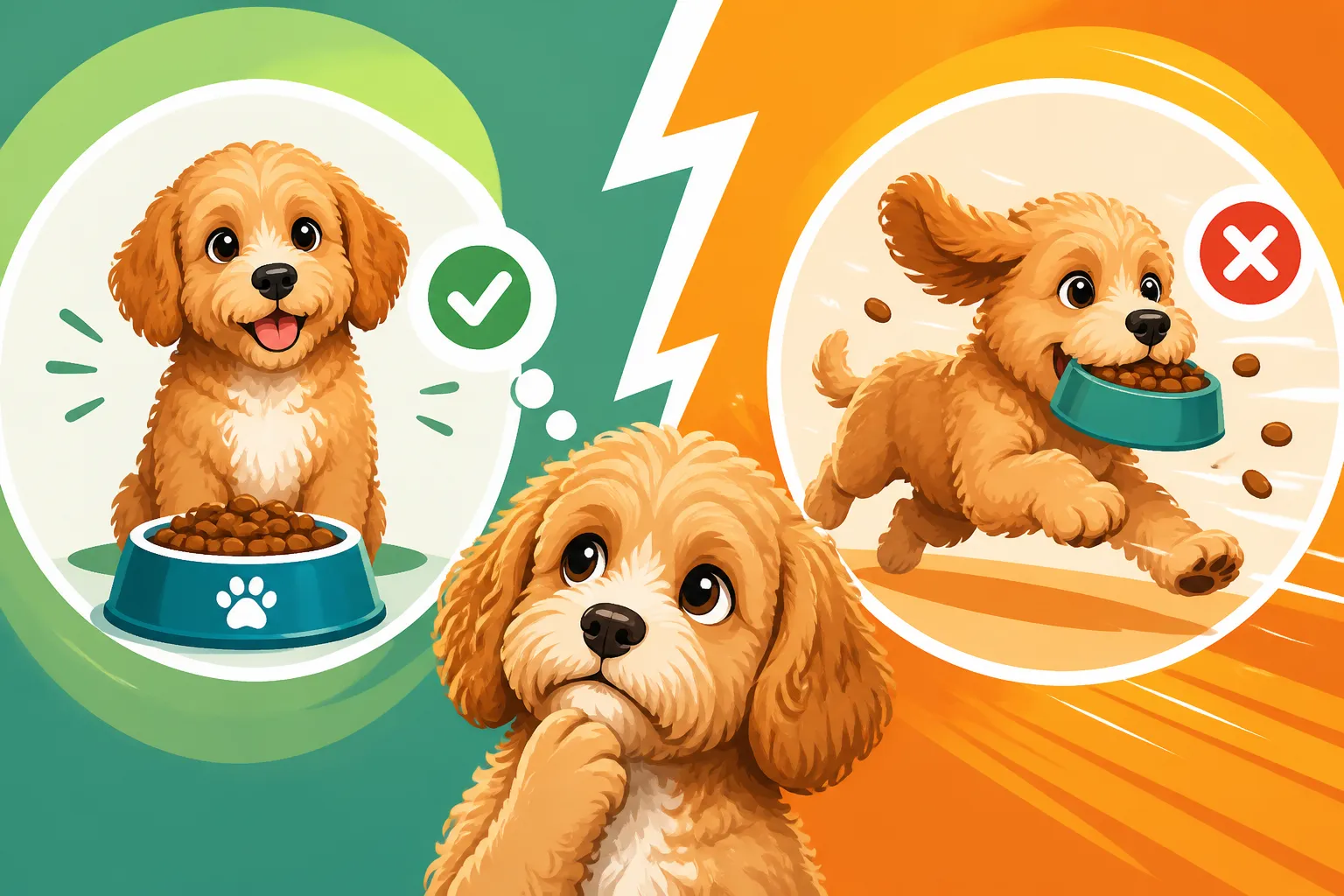
It’s a sight many Cockapoo owners know all too well: you put down a fresh, delicious bowl of food, and before you can even turn around, it's gone. Your sweet, fluffy companion has inhaled their dinner in what feels like mere seconds, leaving you wondering if they even tasted it. This guide will delve into why your Cockapoo might be bolting their food, the potential health concerns this fast eating can cause, and most importantly, practical, empathetic ways to help them slow down and savor their meals.
Why Your Cockapoo Might Be Eating So Fast
When your Cockapoo devours their dinner at warp speed, it's natural to feel a mix of amusement and concern. Are they that hungry? Is something wrong? Often, this behavior stems from a combination of deeply ingrained instincts, learned habits, and even the environment they're eating in. Understanding these root causes is the first step toward helping your furry friend develop healthier eating patterns.
The Influence of Their Ancestry and Instincts
Remember, Cockapoos come from two fantastic working breeds: the Cocker Spaniel and the Poodle. Both breeds, in their historical roles, had to be quick and efficient when it came to food. Working dogs, especially those in a pack or a busy environment, often ate quickly to ensure they got enough sustenance before others did. The Cocker Spaniel, with its strong The Flushing Drive Still Alive in a Cockapoo and hunting heritage, was always on the go, and efficient eating would have been a survival advantage. Similarly, Poodles, while elegant, are also intelligent and were originally water retrievers, needing to fuel their active bodies. This ancestral predisposition to eat quickly can still surface in our modern, pampered Cockapoos. They might not consciously feel like they're competing for food, but that primal urge to secure their meal can still be a powerful, unconscious driver.
Learned Behaviors from Puppyhood and Beyond
Beyond instinct, many Cockapoos learn to eat quickly through experience. If your Cockapoo grew up in a busy litter, particularly a large one, they might have had to compete with their siblings for food. Imagine a pile of hungry puppies all vying for a spot at the food bowl – it's a race to get as much as possible before it's gone. This "scarcity mentality" can stick with them, even once they're the only dog in your home. Similarly, if your Cockapoo came from a rescue or a less-than-ideal situation, they might have experienced true food insecurity. For these dogs, every meal is precious, and eating quickly becomes a coping mechanism developed out of genuine need. Even in loving homes, inconsistent feeding schedules or leaving food down for short periods can inadvertently teach a dog that they need to eat quickly before the opportunity disappears.
Environmental and Emotional Factors at Play
Sometimes, the way your Cockapoo eats fast isn't about competition or history, but simply their current state of mind or environment. A dog that is particularly stressed or anxious might rush their food, almost as if to get the stressful situation (mealtime, perhaps if it’s loud or busy) over with. Boredom can also play a role; if mealtime is the only stimulating event in a quiet day, they might rush through it out of sheer excitement. Furthermore, the presence of other pets or even eager children can create a subtle sense of pressure, making your Cockapoo feel like they need to guard and consume their food rapidly. It's not always overt aggression; sometimes it's just a mild underlying tension that manifests as fast eating. Observing when and where your Cockapoo bolts their dinner can offer clues to these more subtle factors.
The Risks Associated with Fast Eating
While it might seem endearing or even just a quirky habit, a Cockapoo that consistently bolts its dinner faces several potential health risks. These range from uncomfortable digestive issues to more severe, life-threatening conditions. As responsible pet parents, it’s crucial to understand these dangers so we can intervene and protect our beloved companions.
Digestive Distress and Discomfort
The most immediate and common consequence of eating too quickly is digestive upset. When your Cockapoo scarfs down their food, they inevitably swallow a lot of air along with it. This excess air can lead to uncomfortable gas, bloating, and noisy gurgling in their tummy. You might notice them burping frequently or passing more gas than usual, which can be quite disruptive for everyone in the house! Beyond gas, fast eating often means inadequate chewing. Large chunks of kibble are harder for their stomach to break down, which can result in indigestion, regurgitation, or even vomiting shortly after a meal. This isn't just unpleasant; it means your Cockapoo isn't properly absorbing all the nutrients from their food, effectively wasting some of the good stuff you’re providing.
Choking Hazards and Esophageal Issues
Perhaps one of the scariest immediate risks of bolting food is choking. When a Cockapoo eats too fast, they might inhale a piece of food into their windpipe instead of swallowing it down their esophagus. This can lead to frantic coughing, gagging, and in severe cases, a complete blockage of the airway, which is a life-threatening emergency. Even if they don't fully choke, repeatedly gulping large pieces of food can irritate or damage the esophagus over time. This can cause inflammation or even strictures, making swallowing painful or difficult in the long run. It's a sobering thought, but one that highlights the importance of slowing them down.
Bloat Gastric Dilatation-Volvulus
While less common in smaller breeds like Cockapoos compared to their larger, deep-chested counterparts, bloat (Gastric Dilatation-Volvulus or GDV) is an extremely serious and potentially fatal condition that can be exacerbated by fast eating. Bloat occurs when a dog’s stomach fills with gas, food, or fluid, and then twists, cutting off blood supply and trapping the contents. The exact causes aren't fully understood, but eating a large meal quickly, especially followed by exercise, is considered a significant risk factor. Although Cockapoos are generally not considered high-risk for bloat due to their size, any dog that swallows excessive air and has rapid stomach distension could theoretically be at risk. Symptoms of bloat are severe and include a distended abdomen, unproductive retching, excessive drooling, restlessness, and signs of pain. This is a veterinary emergency that requires immediate attention; minutes can make the difference between life and death. While rare, it's a powerful reason to address fast eating habits.
Practical Strategies to Help Your Cockapoo Eat Slower
Helping your Cockapoo slow down their eating isn't about punishment; it's about making mealtime a more mindful, enriching, and safer experience. There are many creative and practical solutions you can implement at home, often with items you might already have or can easily acquire. The goal is to make eating a bit more of a puzzle, rather than a race.
Investing in Slow Feeder Bowls and Puzzle Toys
One of the simplest and most effective ways to slow down a fast eater is to change how they access their food. Slow feeder bowls are specifically designed with ridges, mazes, or pillars inside that force your Cockapoo to work around obstacles to get each bite. This physically prevents them from gulping large mouthfuls and significantly extends mealtime. You can find a wide variety of these bowls at pet stores or online retailers like Chewy and Amazon, offering different levels of difficulty. For an even greater challenge and mental stimulation, consider food puzzle toys. These toys require your Cockapoo to nudge, roll, or manipulate the toy to dispense kibble slowly. This not only slows down eating but also engages their brain, turning mealtime into a fun, problem-solving activity. Brands like KONG offer various puzzle toys that can be stuffed with food, keeping your Cockapoo occupied for a good while.
| Slow Feeding Method | Description | Pros | Cons |
|---|---|---|---|
| Slow Feeder Bowl | Bowl with raised ridges or patterns that obstruct fast eating. | Simple to use, readily available, durable. | Some dogs figure them out quickly, can be messy. |
| Food Puzzle Toy | Interactive toy that dispenses kibble when manipulated. | Provides mental enrichment, extends mealtime significantly. | Can be noisy, some dogs give up easily, requires supervision. |
| Snuffle Mat | Fabric mat with fleece strips where food can be hidden. | Engaging, washable, good for scent work. | Can be chewed, difficult for very wet food, needs regular cleaning. |
| Spreading Food on Tray | Scattering kibble on a flat baking sheet or silicone mat. | Very low cost, easy to clean, effective for all sizes. | Can be messy if food is flung, less stimulating than puzzles. |
| Hand Feeding (Partial) | Giving small portions of food by hand during mealtime. | Builds bond, promotes gentle eating, good for training. | Time-consuming, not practical for all meals. |
Creative Mealtime Setups
You don't always need to buy specialized equipment. You can get creative with how you present your Cockapoo's food. Try scattering their kibble across a clean, flat surface, like a baking sheet or a lick mat. This forces them to pick up individual pieces, dramatically slowing down their consumption. A "snuffle mat" is another fantastic option; these fabric mats have many folds and pockets where you can hide kibble, encouraging your Cockapoo to use their nose and search for their meal. This taps into their natural foraging instincts, making mealtime more engaging and prolonging the process.
Adjusting Feeding Schedules and Routines
Sometimes, simple adjustments to your Cockapoo's feeding schedule can make a big difference. Instead of one large meal, consider splitting their daily ration into two or even three smaller meals throughout the day. This reduces the sheer volume of food in front of them at any one time, lessening the urge to bolt. For a younger Cockapoo, you might even find that moving from three meals a day to two, or vice versa, helps to regulate their hunger and eating pace. You can explore topics like The Age a Cockapoo Moves to Two Meals for guidance on adjusting meal frequency. Consistency is key here; feed them at predictable times each day to help establish a sense of security and reduce anxiety around when their next meal will arrive. This predictability can help mitigate the "scarcity mindset" that often drives fast eating.
Incorporating Training and Enrichment
Mealtime can also be a valuable training opportunity. Practice hand-feeding small portions to your Cockapoo, rewarding them for taking food gently and calmly. This teaches impulse control. You can also make them "work" for their meal by asking for a "sit" or "stay" before putting the bowl down, or even using a portion of their kibble for a short training session before their main meal. This adds value to the food and associates calmness with receiving it. Another great way to introduce enrichment is to add a bit of warm water to their kibble. This softens the food, makes it more aromatic, and forces them to lick and slurp, which naturally slows down consumption. Just be sure the water isn't too hot! You can also mix in small amounts of wet food or a spoonful of plain yogurt to make it more appealing and varied, providing a different texture that might encourage slower eating. Brands like Ollie offer fresh food options that can also be excellent for slowing down enthusiastic eaters.
When to Seek Veterinary Advice
While many Cockapoos who bolt their food can be helped with the strategies mentioned above, there are times when rapid eating might be a symptom of an underlying health issue or escalate to a level that warrants professional veterinary attention. It’s always best to err on the side of caution when it comes to your pet's well-being.
Sudden Changes or Escalating Behavior
If your Cockapoo has always been a relatively calm eater and suddenly starts bolting their food, this change in behavior should prompt a call to your vet. A sudden, ravenous appetite could indicate several underlying medical conditions, such as internal parasites, hyperthyroidism, or even certain metabolic disorders. Similarly, if your dog's fast eating habits seem to be escalating—they’re eating faster than ever, choking more frequently, or showing signs of distress during meals—it's a clear signal that a professional evaluation is needed. Don't wait for a severe incident; proactive care is always best.
Accompanying Symptoms of Concern
Fast eating combined with other worrying symptoms is a definite reason for a vet visit. Keep an eye out for:
- Persistent Vomiting or Diarrhea: While occasional regurgitation can happen with fast eating, persistent vomiting or chronic diarrhea could indicate more serious gastrointestinal issues, malabsorption, or even an intolerance to their food.
- Weight Loss: If your Cockapoo is eating voraciously but still losing weight, it's a significant red flag. This could point to parasites consuming their nutrients, an inability to properly digest food, or other systemic diseases. For more on this, you might find Whether Weight Loss in a Young Cockapoo Means Kidneys helpful.
- Lethargy or Behavioral Changes: Any unexplained lethargy, sudden aggression around food, or other significant changes in temperament alongside fast eating warrant investigation. These could indicate pain, anxiety, or illness affecting their overall well-being.
- Excessive Drooling or Swallowing Difficulty: While some drooling is normal, excessive drooling or signs that your dog is struggling to swallow (e.g., gagging, coughing after eating, pawing at their mouth) could indicate an esophageal problem or even a foreign object.
Concerns About Bloat or Choking Incidents
If your Cockapoo has had a choking scare, even a minor one, it's worth discussing with your vet. They can assess your dog's oral cavity and esophagus to rule out any anatomical issues that might predispose them to choking. More critically, if you ever suspect bloat (signs include unproductive retching, a distended belly, restlessness, and pain), treat it as an immediate emergency and head to the nearest veterinary clinic or emergency animal hospital without delay. While rare in Cockapoos, rapid eating is a known risk factor, and acting swiftly is paramount if it occurs. Your vet can provide specific guidance tailored to your Cockapoo's health history and current situation, ensuring they get the care they need to eat safely and happily.
Disclaimer
This article is for general informational purposes only and does not constitute professional advice. Laws, prices and regulations vary by location and change over time. Consult a qualified professional for guidance on your specific situation.