Whether Omega Oils Help a Cockapoo’s Coat
It's incredibly frustrating when you're doing everything right for your beloved Cockapoo – regular grooming, good food – and yet their coat still seems dull, dry, or they're constantly itching. You might wonder if there's a missing piece in their diet, something that could truly make a difference to that beautiful, often high-maintenance, Cockapoo fluff. This guide is here to shed light on whether adding omega oils to your Cockapoo's regimen can genuinely transform their skin and coat health, and what you need to know to do it effectively.
The Common Coat and Skin Struggles of a Cockapoo
Anyone who shares their life with a Cockapoo knows their coat is a defining feature, a fluffy, curly, or wavy marvel that often comes with its own unique set of challenges. It's not just about looking good; a healthy coat is a sign of overall well-being, and when it's not quite right, it can be a source of constant worry and discomfort for both you and your furry friend.
The Double-Edged Sword of the "Doodle Coat"
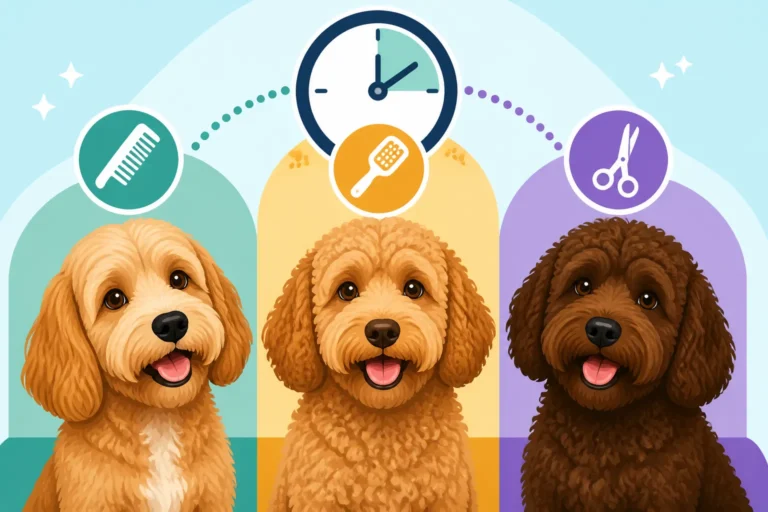
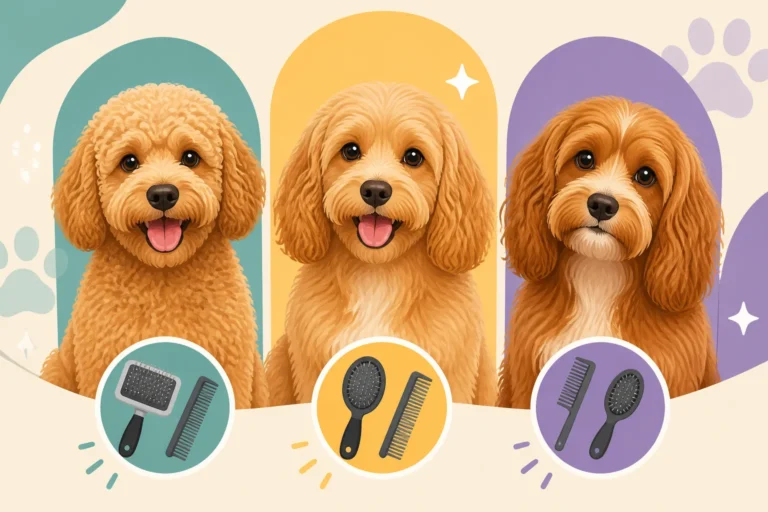
Cockapoos inherited their unique coats from both the Poodle and the Cocker Spaniel, which is why we adore them! That Poodle curl often means low shedding, but it also means a propensity for matting, especially when the undercoat starts to emerge. Then there's the Cocker side, which can contribute to a softer, sometimes more challenging texture. This blend can make their fur prone to dryness, brittleness, and breakage, leading to a dull appearance, even with diligent brushing. You might find yourself brushing daily, only for their coat to feel lackluster or coarse, rather than soft and vibrant. It's a common complaint I hear from many Cockapoo owners – the promise of a "hypoallergenic" coat that still requires immense effort to keep healthy and tangle-free. It can feel like a never-ending battle against dullness and tangles. The Three Cockapoo Coat Types and Their Upkeep delves into these differences more.
When Dry Flakes and Itching Become a Daily Battle
Beyond just aesthetics, many Cockapoos grapple with underlying skin issues that manifest in their coat. Dry, flaky skin, often accompanied by incessant scratching, licking, or even nibbling at paws, is a red flag. This can be exacerbated by environmental factors, bathing routines, or even just the natural predisposition inherited from their parent breeds. The Poodle can sometimes have drier skin, while the Cocker side might contribute to Whether a Cockapoo Inherits the Cocker's Oily Skin or sensitivities that lead to itching. You might have tried different shampoos, changed their diet, or even switched detergents, only to see temporary relief. It’s disheartening to watch your happy-go-lucky Cockapoo constantly interrupted by an itch, and it often points to an internal imbalance that topical treatments can't fully address.
Understanding Omega Fatty Acids and Their Role
When we talk about skin and coat health, especially for a breed like the Cockapoo, omega fatty acids often come up. But what exactly are they, and why are they considered such a crucial component in maintaining that gorgeous coat and comfortable skin? It’s more than just a buzzword; these essential fats play a fundamental role in countless bodily functions.
EPA and DHA: The Powerhouses in Fish Oil
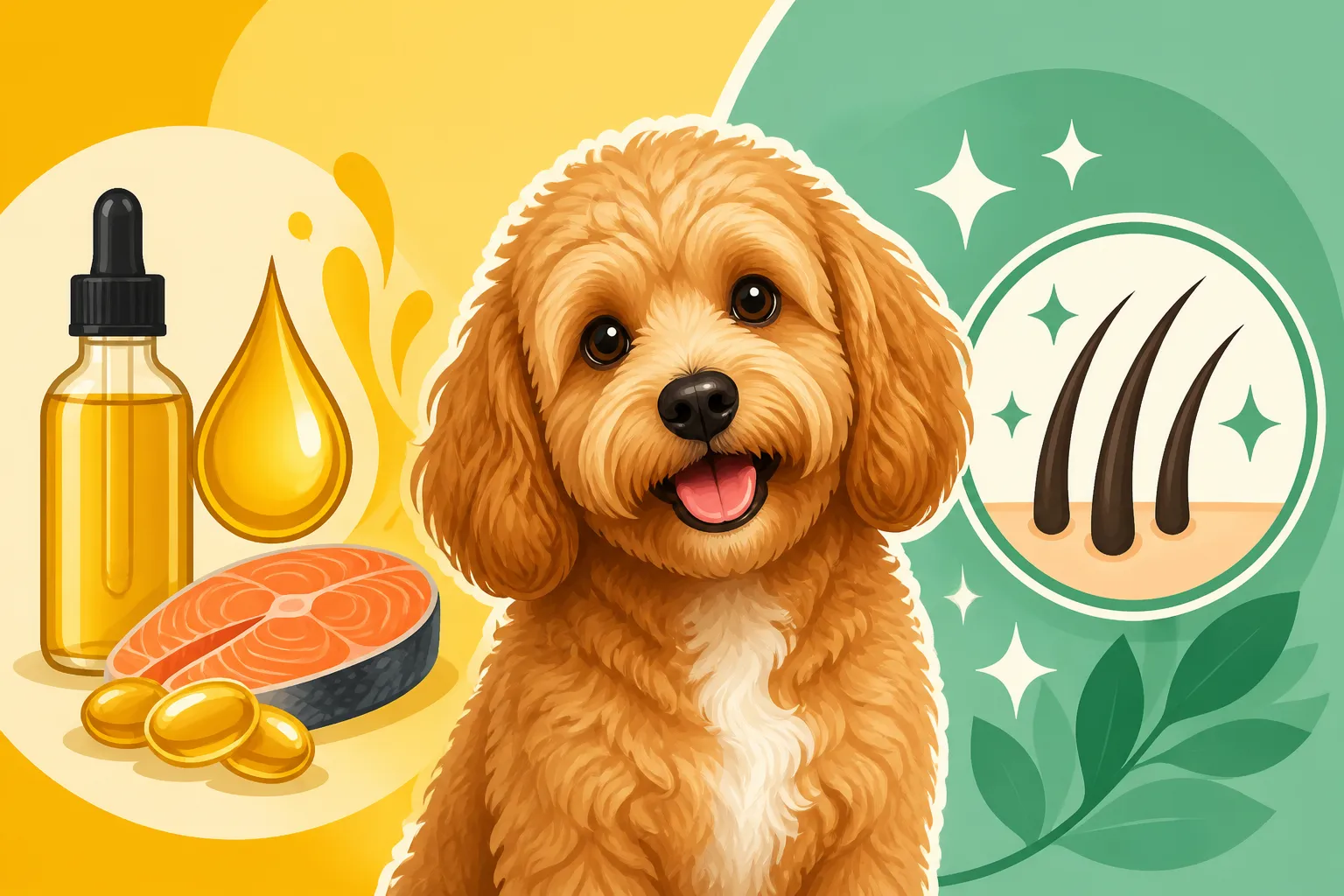
When most people think of omega oils for their dog, they're usually thinking of fish oil, and for good reason! Fish oil is rich in two incredibly beneficial omega-3 fatty acids: Eicosapentaenoic Acid (EPA) and Docosahexaenoic Acid (DHA). These are particularly potent because dogs can directly utilize them without needing to convert them from other forms. EPA is renowned for its anti-inflammatory properties, which can be a game-changer for irritated, itchy skin, and it also plays a key role in the overall health of cell membranes. DHA is vital for brain development in puppies and supports cognitive function in adult and senior dogs, but it also contributes significantly to skin health by supporting cell structure. Think of them as the unsung heroes working behind the scenes to keep things calm and well-oiled. Sources like salmon oil, sardine oil, and cod liver oil are common go-tos, and you can find them readily available from retailers like Amazon and Chewy.
Omega-6s: The Lesser-Known but Still Important Players
While omega-3s often steal the spotlight, omega-6 fatty acids are equally essential for your Cockapoo's health, although they need to be present in the right balance. Linoleic Acid (LA) is the primary omega-6 fatty acid and is found in many vegetable oils like sunflower, safflower, and corn oil, as well as in poultry fat. Omega-6s are crucial for normal skin function, coat growth, and maintaining the skin's barrier. They are involved in ceramide production, which helps keep the skin hydrated and prevents moisture loss. The key, however, is balance. Modern pet foods often contain ample omega-6s, sometimes even an excess, while being relatively low in omega-3s. An imbalance where omega-6s heavily outweigh omega-3s can actually promote inflammation, which is the opposite of what we want for an itchy Cockapoo. The goal isn't to eliminate omega-6s, but to ensure a healthy ratio by supplementing with omega-3s, which helps bring things back into harmony.
How Omega Oils Can Specifically Benefit Your Cockapoo's Coat and Skin
So, knowing what omega oils are, how do they actually translate into visible improvements for your Cockapoo's coat and skin? It's not just anecdotal; the science behind these fatty acids points to several direct and indirect benefits that can truly make a difference in your dog's comfort and appearance.
Boosting Skin Barrier Health and Reducing Inflammation
Imagine your Cockapoo’s skin as a protective wall against the outside world. When this wall is compromised, moisture escapes, and irritants can easily get in, leading to dryness, itchiness, and inflammation. Omega-3 fatty acids, particularly EPA, are fantastic at strengthening this skin barrier. They help reduce the production of inflammatory compounds in the body, which means less redness, less itching, and a calmer, healthier skin surface. If your Cockapoo suffers from environmental allergies that make their skin perpetually itchy, Whether a Cockapoo Itches From the Cocker Side often, or if they're prone to hot spots, omega oils can help soothe that underlying inflammation. Instead of constantly reacting to perceived threats, their skin becomes more resilient and less prone to overreacting. This can mean fewer trips to the vet for skin flare-ups and a much more comfortable dog at home.
Promoting a Shiny, Lustrous, and Less Matted Coat
Beyond just skin health, omega oils directly influence the quality and appearance of your Cockapoo's coat. A diet rich in balanced omega fatty acids nourishes the hair follicles, leading to stronger, healthier hair shafts. This translates to a coat that is noticeably shinier, softer to the touch, and often less prone to breakage. When the hair is stronger and more pliable, it can also be less susceptible to matting, making grooming sessions a bit easier for you and more pleasant for your Cockapoo. Think of it like conditioning for their fur, but from the inside out! Owners often report that after consistent supplementation, their Cockapoo’s coat regains that youthful vibrancy and feels incredibly silky, rather than dry and brittle. It’s an undeniable change that makes brushing feel less like a chore and more like a bonding experience, seeing that healthy sheen return.
Choosing and Administering Omega Oil Supplements for Your Cockapoo
You're convinced, you want to give omega oils a try – but where do you start? The market is flooded with options, and it can feel overwhelming to pick the right one. The key is to look for quality, proper dosage, and a form that your Cockapoo will readily accept.
Deciphering Supplement Forms and Quality
Omega oil supplements for dogs come in various forms: liquid oils, softgel capsules, chews, and even incorporated into fresh food diets. Liquid oils are often a popular choice because they can be easily added to food, allowing for precise dosage adjustments. Look for products that specifically state they are for pets and have been tested for purity, ensuring they are free from heavy metals like mercury and other contaminants. Reputable brands often provide certificates of analysis upon request. Cod liver oil is a common choice, but pure salmon oil or a blend of fish oils can also be excellent. Some fresh pet food services, like Ollie, already include carefully balanced omega fatty acids in their recipes, which can be a convenient option. If you prefer capsules, make sure they are easy to administer, or consider chews if your Cockapoo is picky. Always check the EPA and DHA content per serving, as this is what really matters.
Integrating Omega Oils Safely into Your Cockapoo's Diet
Before adding any new supplement, including omega oils, it's always wise to have a chat with your veterinarian. They can help you determine the appropriate dosage for your specific Cockapoo, considering their size, weight, and any existing health conditions. Starting with a lower dose and gradually increasing it over a week or two can help prevent any stomach upset, though most dogs tolerate fish oil well. You can simply drizzle liquid oil over their kibble or mix it into wet food. If using capsules, you might hide them in a treat or a dollop of peanut butter (xylitol-free, of course!). Consistency is key; omega oils aren't a one-time fix but rather a long-term dietary support. Remember that while omega oils are incredibly beneficial, they are a supplement, not a cure for underlying health issues. If your Cockapoo's skin or coat problems persist, your vet can rule out conditions like Skin and Coat Disease in a Cockapoo, A Cockapoo's Autoimmune Anemia and the Cocker Line, or thyroid issues, which also affect coat quality. For routine purchases and a wide variety of trusted brands, online stores like Chewy offer a convenient way to keep your Cockapoo stocked up on their favorite omega supplements.
| Benefit Area | How Omega Oils Help | Visible Impact on Your Cockapoo |
|---|---|---|
| Skin Health | Reduce inflammation, strengthen skin barrier, improve hydration, support cell membrane integrity | Less itching, reduced redness, fewer flakes, softer skin |
| Coat Quality | Nourish hair follicles, promote healthy hair growth, reduce breakage | Shinier coat, softer texture, less brittleness, potentially fewer mats |
| Allergy Management | Modulate immune response, reduce inflammatory reactions to allergens | Alleviated allergy symptoms (itching, paw licking), calmer skin |
| Overall Well-being | Support joint health, cognitive function, and cardiovascular system | Improved mobility, better focus, enhanced vitality |
| Wound Healing | Support tissue repair and reduce secondary inflammation | Faster recovery from minor skin irritations or abrasions |
Many owners find that consistent supplementation, combined with a good diet and regular grooming, brings about a noticeable change in their Cockapoo's coat. It might not happen overnight, but stick with it. Whether a Cockapoo Needs Supplements is a common question, and for skin and coat, omegas are often at the top of the list! You'll likely notice that their fur feels silkier, sheds less (if they do shed), and that persistent scratching becomes a thing of the past. It truly makes a difference in their comfort and how splendid they look.
Disclaimer
This article is for general informational purposes only and does not constitute professional advice. Laws, prices and regulations vary by location and change over time. Consult a qualified professional for guidance on your specific situation.