The First Week With a Cockapoo Puppy
That first week with a new Cockapoo puppy is such a whirlwind of emotions! You've dreamed of this moment, perhaps for months, and now suddenly, this tiny, fluffy bundle is home, looking to you for everything. It's completely normal to feel a mix of utter joy, overwhelming love, and a tiny bit of "what have I done?" as you navigate the sleepless nights and constant potty breaks. This guide is here to walk you through those initial crucial days, helping you set a positive foundation for a lifetime with your adorable Cockapoo.
Preparing for Your Cockapoo Puppy's Grand Arrival
Bringing a new puppy home isn't just about picking them up; it’s about preparing your entire environment and mindset for their arrival. The more you can do before they step paw in your house, the smoother those first few days will be for everyone, especially for your little one who’s just left everything familiar behind. Think of it as creating a soft landing.
Creating a Safe and Welcoming Space
Your Cockapoo puppy is coming from a litter where they had constant companionship, warmth, and a familiar scent. Your home will be a big, new, and sometimes scary place. Designating a specific, safe space for them is paramount. This isn't just about where they sleep; it's their safe haven, their den, a place where they can retreat and feel secure. This often means a properly sized crate, maybe connected to a small exercise pen in a quiet corner of your home, away from constant foot traffic but still within earshot.
Make sure this area is puppy-proofed with extreme prejudice. Get down on your hands and knees and look for anything a curious puppy might chew, swallow, or get tangled in. Electrical cords are a huge no-no; secure them or cover them. Small objects on low shelves, toxic plants, medications, and cleaning supplies need to be out of reach. Remember, a Cockapoo, even a tiny one, can be incredibly inventive when it comes to exploring with their mouth. They are part Poodle, after all, known for their intelligence, and part Cocker Spaniel, known for their curiosity!
Essential Supplies You'll Need
Before your puppy arrives, having all their basic necessities ready will prevent frantic last-minute trips to the pet store. This list is more than just a shopping list; it’s a toolkit for success during that first week. Don’t underestimate the power of being prepared, especially when you might be running on very little sleep!
Here’s a breakdown of what to have on hand:
| Category | Item | Why It's Essential |
|---|---|---|
| Sleeping | Crate (size-appropriate) | Provides a safe, secure den; aids in potty training. |
| Soft bedding/crate pad | Comfort; can be washed easily. | |
| Puppy-safe blanket | Familiar scent from breeder helps settle them. | |
| Feeding | Food and water bowls (non-tip) | Easy access to fresh water and their regular food. |
| Puppy food (same as breeder used) | Avoids stomach upset during transition. | |
| Training treats | Essential for positive reinforcement and early lessons. | |
| Potty Training | Pee pads (optional for emergencies) | For designated indoor potty spot, if used. |
| Enzymatic cleaner (pet-specific) | Neutralizes odors to deter repeat accidents in same spot. | |
| Play & Chewing | Chew toys (different textures) | Redirects nipping, satisfies chewing instinct. |
| Interactive toys | Mental stimulation, helps with bonding. | |
| Walking & Safety | Collar/harness (lightweight) & leash | For supervised potty breaks and early walks (post-vaccine). |
| Identification tag | Crucial for safety, even in a fenced yard. | |
| Grooming | Soft puppy brush | Gentle introduction to grooming. |
| Puppy shampoo | For any emergency clean-ups. |
Many of these items, from crates to enzymatic cleaners, are readily available on platforms like Amazon, making it easy to stock up before the big day. Having the same food the breeder used is especially important to avoid stomach upset during an already stressful transition. Your vet will advise when and how to transition to a new food, but for now, stick with what's familiar.
Mental Preparation for the Human Family
Bringing a puppy home impacts everyone in the household. It's a bit like having a newborn, requiring patience, consistency, and a unified approach from all family members. Discuss roles and responsibilities beforehand. Who will take the puppy out at 2 AM? Who is responsible for feeding? Who will supervise play sessions? Clear expectations prevent arguments and ensure the puppy receives consistent care and training.
Children, in particular, need guidance on how to interact gently and safely with the new puppy. They might be overly enthusiastic, which can be frightening for a small Cockapoo. Teach them how to hold and pet the puppy, to respect nap times, and never to tease or disturb them while eating. Resources like BAXTER & Bella offer excellent online programs that can help your entire family prepare mentally for a puppy, covering everything from basic obedience to managing common puppy behaviors. Remember, consistency is your greatest tool in training, and that starts with everyone being on the same page. Raising a Cockapoo Puppy successfully requires a team effort.
The First 24-48 Hours: Gentle Introductions and First Steps
The initial day or two are all about minimizing stress and making your Cockapoo feel as safe and loved as possible. This isn't the time for big parties or introducing them to every relative and friend. Keep things calm, quiet, and predictable.
The Journey Home and First Potty Stop
The ride home can be an exciting but also overwhelming experience for a young puppy. Prepare a comfortable, secure carrier or crate for the car. Have a towel or blanket that smells like their littermates or mom, if the breeder provided one, to offer comfort. Avoid feeding them right before the trip to prevent car sickness. Some puppies will cry, and that's okay. Offer comfort with a gentle voice, but avoid letting them out of the carrier while the car is moving.
As soon as you arrive at your house, before you even go inside, take your puppy directly to their designated potty spot in the yard. Carry them there if they’re small, as they might have an accident on the way. Put them down gently and give a consistent potty command like "Go potty!" or "Do your business!" When they go, offer immediate, enthusiastic praise and a small, high-value treat. This positive reinforcement right from the start is crucial for establishing good potty habits. The Weeks a Cockapoo Takes to Ask to Go Out can vary greatly, so starting strong is key.
Settling Into the Den (Crate or Playpen)
Once inside, lead your puppy straight to their pre-prepared den area. Let them explore it on their own terms. Leave the door open initially. Place a few soft, safe toys and a puzzle feeder with a small amount of kibble inside. The goal is for them to associate this space with positive experiences, not punishment or isolation. Avoid forcing them in.
This den will be their retreat, especially during overwhelming moments. Cockapoos, with their friendly nature, can sometimes be overstimulated, so a quiet spot to decompress is vital. For the first night, place the crate in your bedroom or very close to you. The sound of your breathing can be incredibly comforting. Be prepared for some crying – it’s a natural response to being alone for the first time. Resist the urge to rush in at every whimper. Sometimes, a gentle tap on the crate or a soft, reassuring "It's okay, puppy" is enough to let them know you're there without reinforcing the crying for attention. Whether Crate Time Settles a Cockapoo largely depends on how positively you introduce it.
First Meals and Hydration
Your puppy might not be interested in eating immediately, and that's perfectly normal due to stress. Offer small, frequent meals of the same food the breeder was using. If they don't eat it all, that's fine. Pick it up after about 15-20 minutes and offer it again at the next scheduled feeding time. Never leave food down all day, as this can hinder potty training and create picky eaters.
Fresh water should always be available, unless you are actively taking them out for a potty break or right before bed. Keep an eye on their water intake, especially in the first few days. Hydration is vital. If your puppy seems disinterested in both food and water for an extended period (more than 24 hours), or if they show any signs of lethargy, vomiting, or diarrhea, contact your vet immediately. It's a good idea to already have your vet's number handy and be familiar with their emergency procedures.
Establishing the Foundation: Routine, Potty Training, and Sleep
Consistency is truly the bedrock of successful puppy raising. Your Cockapoo puppy thrives on predictability, and establishing a solid routine from day one will make the world of difference in their adjustment and training progress.
Crafting a Predictable Daily Schedule
Puppies learn what to expect when they have a consistent schedule for feeding, potty breaks, play, and sleep. This isn’t about being rigid; it’s about providing a framework that helps your puppy understand the rhythm of their new life. A typical puppy schedule is often a cycle of: wake up, potty, eat, potty, play, potty, nap, then repeat.
Here’s a sample schedule for a young Cockapoo puppy during their first week. Adjust times to fit your household's rhythm, but stick to the sequence!
| Time | Activity | Notes |
|---|---|---|
| 7:00 AM | Wake Up & Potty Break | Carry puppy to potty spot, praise & treat upon success. |
| 7:15 AM | Breakfast | Offer food for 15-20 min, then pick up. |
| 7:30 AM | Potty Break | Always after eating, drinking, or waking. |
| 7:45 AM | Playtime/Cuddles | Gentle interaction, short bursts of play. |
| 8:30 AM | Potty Break | |
| 8:45 AM | Nap/Crate Time | Quiet time in crate, chew toy. |
| 10:30 AM | Wake Up & Potty Break | |
| 10:45 AM | Snack/Training | Small amount of kibble or soft treat for short training session. |
| 11:15 AM | Potty Break | |
| 11:30 AM | Playtime/Exploration | Leash on for supervised exploration if safe. |
| 12:30 PM | Potty Break | |
| 12:45 PM | Lunch | Offer food for 15-20 min, then pick up. |
| 1:00 PM | Potty Break | |
| 1:15 PM | Nap/Crate Time | Longer nap in crate. |
| 3:00 PM | Wake Up & Potty Break | |
| 3:15 PM | Playtime/Training | Practice basic commands like "sit" with treats. |
| 4:00 PM | Potty Break | |
| 5:00 PM | Dinner | Offer food for 15-20 min, then pick up. |
| 5:15 PM | Potty Break | |
| 5:30 PM | Family Playtime | Supervised, gentle play with family. |
| 6:30 PM | Potty Break | |
| 7:00 PM | Quiet Time/Cuddles | Wind-down activities, light grooming. |
| 8:00 PM | Potty Break | Last chance before bed, even if they just went. |
| 9:00 PM | Bedtime | Puppy in crate for the night. |
| (Overnight) | Potty Breaks | Expect 1-2 overnight potty breaks for young puppies. |
This structured approach helps manage their energy, prevent accidents, and teaches them appropriate times for activity and rest.
Navigating Potty Training Successes and Setbacks
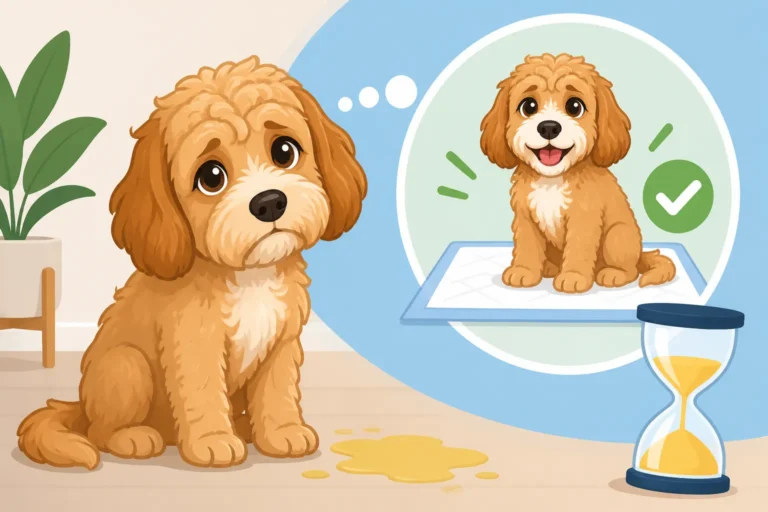
Potty training is perhaps the most immediate challenge in the first week, and it requires vigilance and patience. Young puppies have tiny bladders and very little control. Expect accidents, and understand that they are your fault, not the puppy's, for not getting them out fast enough. The key is to heavily reward successes and quickly and calmly clean up failures.
Take your Cockapoo puppy out frequently: first thing in the morning, last thing at night, after every meal, after every nap, after every play session, and roughly every 30-60 minutes in between. Consistency is key. Use your chosen potty command every single time. When they eliminate, praise lavishly and give a treat. If an accident happens indoors, interrupt them if you catch them in the act (a clap or "Ah-ah!"), immediately take them outside to their spot, and reward if they finish there. Do not scold or rub their nose in it; this only teaches them to hide their accidents from you. Clean up thoroughly with an enzymatic cleaner to eliminate odors that might attract them back to the same spot. The Bloodwork That Catches a Cockapoo's Kidney Disease is something to be aware of later on if elimination habits suddenly change.
Encouraging Good Sleep Habits
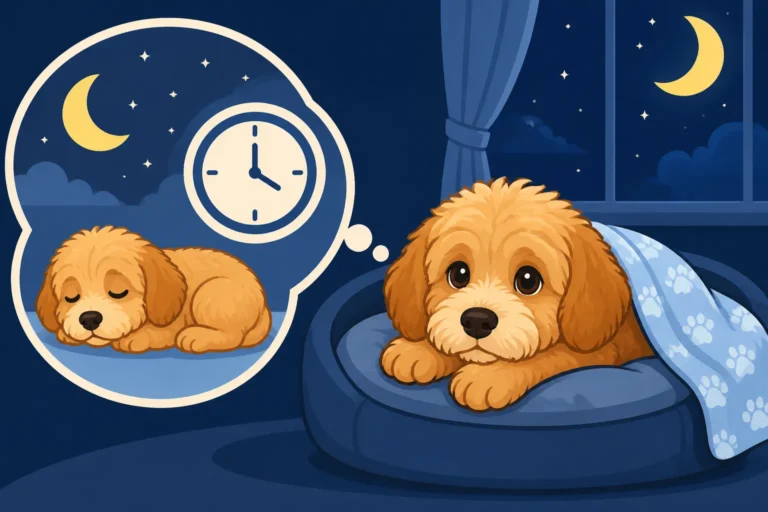
Sleep is vital for a growing puppy, just as it is for us. Young Cockapoos need a lot of sleep – often 18-20 hours a day. Establishing good sleep habits from the start will save you a lot of grief. The crate is your best friend here. It provides a safe, dark, quiet space for them to truly rest without being disturbed or getting into trouble.
Place the crate in a peaceful location, especially at night. For the first few nights, having it close to your bed can ease their anxiety. A soft blanket (perhaps one with the scent of their mom or littermates) and a safe chew toy can make the crate more appealing. Remember that crying during the first few nights is normal. It's tough, but try to distinguish between a "potty cry" (often insistent, escalating) and a "lonely cry" (softer, whining). For potty cries, take them out, do business, then back to the crate with minimal interaction. For lonely cries, a gentle reassuring voice might be enough. Avoid taking them out to play or cuddle, as this will teach them crying gets them what they want. You might find that How Long a Cockapoo Puppy Holds It Overnight is not very long at all initially, requiring multiple trips out.
Common First Week Challenges and How to Tackle Them
Let’s be real, the first week isn't always smooth sailing. There will be bumps, moments of frustration, and times when you wonder if you’re doing it all wrong. These challenges are normal, and knowing how to approach them calmly and effectively will build your confidence and strengthen your bond with your Cockapoo.
Soothing Crying and Whining
It's heartbreaking to hear your new Cockapoo puppy cry, especially at night. They've just been removed from their littermates and mother, and they're in a completely new environment. Crying is their way of expressing distress and seeking comfort. As mentioned, distinguish between potty cries and lonely cries. If you're certain they don't need to go out, the best strategy for lonely cries is often a combination of reassurance and strategic ignoring.
Sometimes a white noise machine or a fan can help muffle household sounds and create a more soothing environment. A "Snuggle Puppy" toy, which has a pulsating heartbeat and can be warmed, can also provide immense comfort, mimicking the presence of littermates. However, avoid letting them out of the crate for attention, as this quickly reinforces the behavior. If they're particularly distressed, lie next to the crate and gently talk to them until they settle, then gradually increase your distance over subsequent nights. Remember, building independence is a gift you give them, helping them become well-adjusted adults.
Managing Nipping and Biting
Cockapoo puppies, like all puppies, explore the world with their mouths and use nipping as a form of play and communication. Those sharp little needle teeth can hurt! It's crucial to teach them bite inhibition early. When your puppy nips too hard during play, yelp loudly like another puppy would, then immediately withdraw your attention for 10-20 seconds. This might mean standing up and turning your back, or even leaving the room briefly. This teaches them that hard biting makes the fun stop.
When they come back and nip more gently, reward that soft mouth with continued play or a treat. Always redirect inappropriate chewing onto appropriate chew toys. Have a variety of What a Cockapoo Puppy Chews Through in Six Months on hand, from soft rubber to braided ropes, and offer them whenever your puppy starts to mouth your hands or furniture. The goal is to teach them what they can chew, not just what they can't. This is also the time to consider how to manage When a Cockapoo Puppy's Needle Teeth Go, as those sharp teeth will be replaced by adult teeth, but the nipping habit can persist if not addressed.
Dealing with Accidents Indoors
No matter how vigilant you are, accidents will happen during the first week. It’s part of having a puppy. The crucial thing is how you react. If you catch your Cockapoo puppy in the act, quickly and calmly interrupt them with a sound (like a clap) and immediately carry them outside to their designated potty spot. If they finish eliminating outside, praise and reward them enthusiastically.
If you discover an accident after the fact, simply clean it up with an enzymatic cleaner. Scolding a puppy for an old accident is ineffective and can be damaging, as they won’t connect your anger to something they did minutes or hours ago. They'll just learn to fear you or to hide their elimination. The enzymatic cleaner is vital because it breaks down the odor that humans can't detect but puppies can, which often prompts them to relieve themselves in the same spot again. Patience and consistency in your potty schedule are your best allies.
Building Connection and Looking Ahead
While the first week is largely about survival and establishing basics, it's also a precious time for bonding and setting the stage for future learning. Your Cockapoo puppy is forming their first impressions of the world, and you want them to be positive.
Early Socialization and Gentle Play
Even before your puppy has completed all their vaccinations, you can begin the crucial process of early socialization. This doesn't mean uncontrolled interaction with every dog at the park. It means safely exposing your puppy to a variety of sights, sounds, textures, and gentle human interactions. Carry your puppy in a sling or a pet stroller to places where they can observe the world safely from a distance, like a quiet park bench, a pet-friendly store, or outside a school at dismissal time.
Introduce them to different surfaces (grass, pavement, carpet), gentle car rides, and the sound of the vacuum cleaner or doorbell. Always pair these new experiences with positive reinforcement – a calm voice, praise, and high-value treats. Gentle play with soft toys helps build your bond and teaches appropriate play behavior. Keep play sessions short and positive, ending before your puppy gets overtired or overstimulated. This foundational socialization is key for preventing fear and anxiety later in life. Remember to keep an eye on them to prevent behaviors like Stopping a Cockapoo Puppy Jumping at Faces.
Setting the Stage for Future Training
The first week is too early for formal obedience classes, but it’s the perfect time for informal, positive reinforcement training. Every interaction is a learning opportunity. Start with simple concepts like responding to their name, coming when called (even if it's just from across the room), and offering a sit for attention. Keep sessions very short (a minute or two), fun, and always end on a high note.
Consistency in your rules and expectations will make future training much easier. For example, if you don’t want your adult Cockapoo on the furniture, don’t let your puppy on it now. If they're chewing inappropriately, redirect them every single time. Consider exploring online puppy programs, like those offered by BAXTER & Bella, which can guide you through these initial training steps and prepare you for more advanced training as your puppy grows. Having an expert plan can be incredibly reassuring during those chaotic early days. Early grooming introductions, such as gently handling paws and ears, are also crucial; How Early a Cockapoo Should Meet a Groomer is important to address sooner rather than later.
The first week with your Cockapoo puppy will be a blur of joy, challenges, and endless learning. Embrace the chaos, celebrate the small victories, and remember that you're building the foundation for a wonderful, lifelong companionship.
Disclaimer
This article is for general informational purposes only and does not constitute professional advice. Laws, prices and regulations vary by location and change over time. Consult a qualified professional for guidance on your specific situation.