How Long a Cockapoo Puppy Holds It Overnight
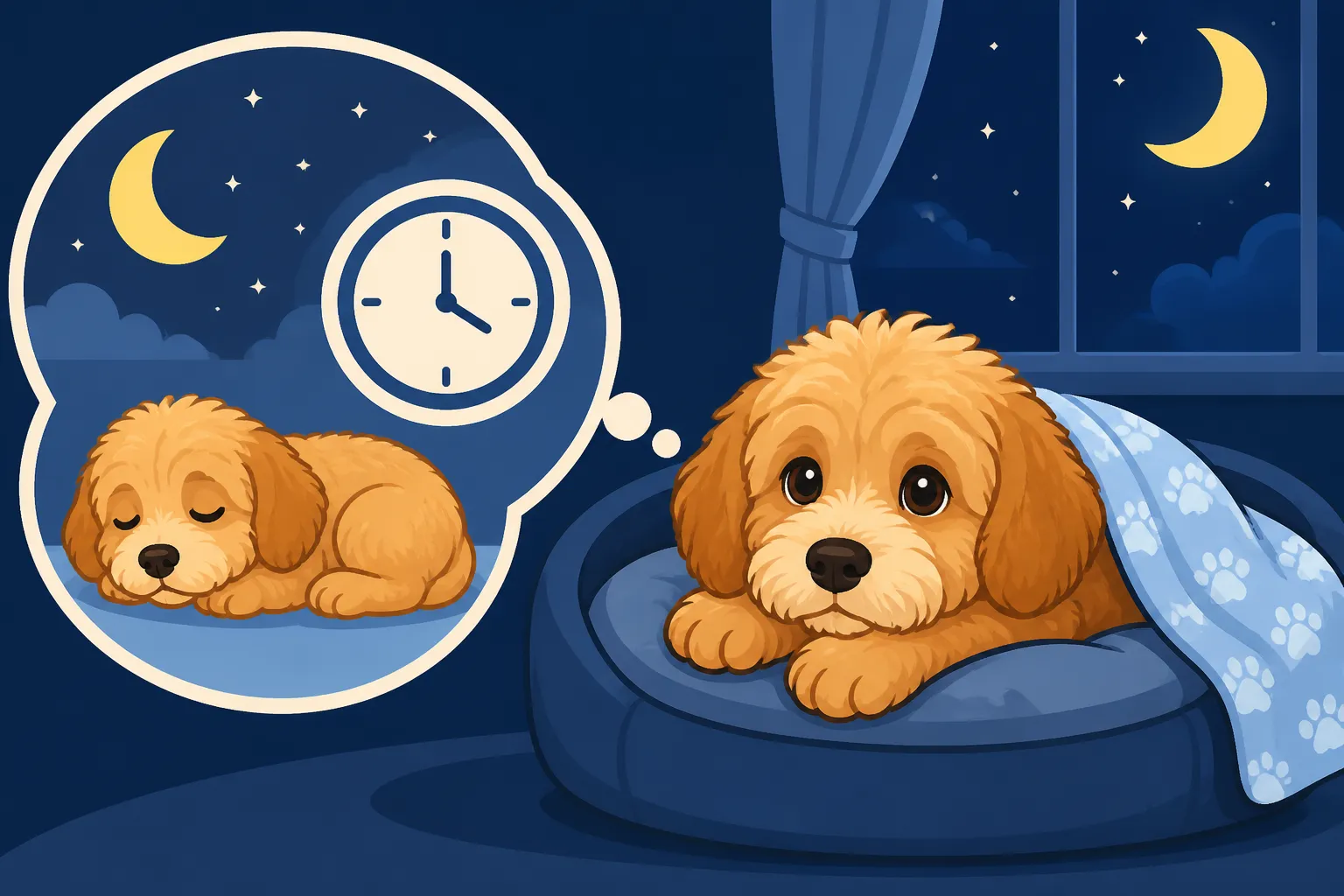
Bringing a new Cockapoo puppy home is absolutely exhilarating, but it also brings a whole new set of worries, especially when it comes to those precious overnight hours. One of the biggest questions on every new puppy parent's mind is, "How long can my little furball actually hold their bladder overnight?" It's a valid concern, often leading to interrupted sleep, anxiety about accidents, and a constant internal debate about whether to wake them up or let them sleep. This guide will walk you through the realistic expectations for your Cockapoo puppy's bladder control, offer practical strategies for a peaceful night, and help you understand how to navigate those early weeks with confidence and minimal mess.
Understanding Your Cockapoo Puppy's Bladder Development
It's easy to look at our adorable Cockapoo puppies and forget that their tiny bodies are still very much under construction. Just like human babies, their physical systems, including bladder control, need time to mature and strengthen. Understanding this developmental process is key to setting realistic expectations and fostering a positive potty training experience.
The Science Behind Puppy Bladder Control
At birth, a puppy's bladder control is virtually non-existent. Their tiny bladders are small and their sphincter muscles, which control the flow of urine, are not yet fully developed or strong enough to hold large amounts for extended periods. Think of it like a leaky faucet that's slowly being tightened over time. As they grow, these muscles strengthen, and their bladder capacity increases.
This means that a very young Cockapoo puppy, say 8 to 10 weeks old, simply cannot hold it for eight hours straight, no matter how much you wish they could. Their physical limitations dictate frequent potty breaks. They also don't yet have the cognitive understanding of where and when to eliminate, and their instinct is to relieve themselves whenever the urge strikes. Our job, as their loving human parents, is to guide them gently through this developmental stage, teaching them appropriate habits while respecting their physical needs. Rushing this process or expecting too much too soon can lead to frustration for both you and your puppy, potentially creating setbacks in their training.
Realistic Expectations for Different Puppy Ages
A good rule of thumb often cited by trainers is that a puppy can hold their bladder for approximately one hour per month of age, plus one hour. So, an 8-week-old (2-month-old) puppy might realistically hold it for about three hours. This rule, however, usually applies to daytime waking hours. Overnight, when their metabolism slows down and they're in a deeper sleep, they might be able to stretch it a little longer, but not dramatically.
Here's a general breakdown of what you might expect for your Cockapoo puppy overnight:
- 8-10 Weeks Old: At this age, a Cockapoo puppy is truly a baby. Expect them to need to go out every 2-4 hours, even overnight. You'll likely need to set an alarm for at least one or two nighttime potty breaks. Any longer than this is usually asking too much, and an accident is almost guaranteed. This period requires immense patience and dedication, but it’s crucial for establishing good habits from the start. Remember, consistency is your best friend right now. This is a big part of The First Week With a Cockapoo Puppy.
- 10-16 Weeks Old: As your Cockapoo puppy approaches three or four months, their bladder control will improve. They might be able to hold it for 4-5 hours overnight. Some lucky owners might even get a full six hours, but don't count on it as a given for every puppy. You might still need one late-night or early-morning trip outside. You'll also notice them starting to give you more signals when they need to go, which is a great step toward The Weeks a Cockapoo Takes to Ask to Go Out.
- 4-6 Months Old: By this stage, many Cockapoo puppies can comfortably hold it for 6-7 hours overnight, making a full night's sleep for you a much more attainable goal. They're still growing and developing, but their internal clock and muscle control are much better. If they're not quite there yet, it's not a failure; every puppy develops at their own pace.
- 6+ Months Old: Most Cockapoos by six months of age should be capable of holding their bladder for a full 7-8 hours overnight, assuming they've had consistent training. If you're still having frequent accidents at this age, it might be time to re-evaluate your routine or consult with a vet to rule out any underlying health issues.
It's important to remember that these are averages. A larger Miniature or Maxi Cockapoo might have a slightly larger bladder and thus more holding capacity than a tiny Teacup or Toy Cockapoo of the same age. But generally, the developmental milestones are similar across all sizes.
Here's a quick reference table for general overnight expectations:
| Puppy Age | Approximate Overnight Holding Time | Common Owner Experience |
|---|---|---|
| 8-10 Weeks Old | 2-4 Hours | Expect 1-2 scheduled night trips. |
| 10-16 Weeks Old | 4-5 Hours | May need 1 early morning trip; sometimes sleeps longer. |
| 4-6 Months Old | 6-7 Hours | Often sleeps through the night; occasional early wake-up. |
| 6+ Months Old | 7-8+ Hours | Should consistently sleep through the night. |
Setting Up for Overnight Success
Potty training, especially overnight, isn't just about waiting for your Cockapoo puppy to mature. It's about proactive management and establishing a consistent routine that sets them up to succeed. This isn't just helpful for your puppy; it's essential for your sanity and minimizing stress for everyone in the household.
The Power of Crate Training
Crate training is, hands down, one of the most effective tools for teaching a puppy bladder control overnight. Why? Because dogs, by instinct, are den animals and are naturally disinclined to soil their sleeping area. A properly sized crate leverages this instinct. It should be just big enough for your Cockapoo puppy to stand up, turn around, and lie down comfortably, but not so big that they can relieve themselves in one corner and sleep in another. If the crate is too large, it defeats the purpose.
Introduce the crate as a safe, positive space. Feed them meals in there, give them high-value chew toys, and never use it for punishment. Make it cozy with a soft bed or blanket. When your puppy is comfortable in their crate, they will learn to "hold it" because they don't want to mess their bed. If they wake up in the night and need to go, they'll usually start whining or barking, signaling their need. This is a crucial communication tool for both of you. Many owners find that crate training also helps with general house manners and Whether Crate Time Settles a Cockapoo. You can find excellent crates and accessories on platforms like Amazon, from basic wire crates to more travel-friendly soft-sided options.
Pre-Bedtime Routine Essentials
A solid evening routine is your secret weapon for a dry night. About an hour or two before bedtime, start winding things down. Here's what to incorporate:
- Last Meal & Water Restriction: Aim for your Cockapoo puppy's last meal to be at least 3-4 hours before bedtime. This gives them ample time to digest and eliminate. Water should be picked up about 1-2 hours before bed. This doesn't mean depriving them, just limiting access right before sleep to reduce the chances of a full bladder.
- Active Play, Then Calm Down: Engage in some good, energetic play to burn off any last-minute energy. A tired puppy is a good sleeper! After playtime, transition to calmer activities, like quiet cuddles or a short training session. This helps signal that it's time to settle down.
- The Final Potty Break: This is non-negotiable. Just before popping your Cockapoo puppy into their crate for the night, take them outside for one last, thorough potty break. Wait with them until they've gone, praising and rewarding them enthusiastically when they do. Use a consistent potty command ("Go potty!" or "Do your business!") to help them associate the words with the action. Even if they don't feel like they need to go, encouraging them to try can make all the difference.
Sticking to this routine religiously helps your puppy's body adjust to a predictable schedule, making overnight success much more likely.
Managing Nighttime Potty Breaks
Even with the best routine, very young Cockapoo puppies will need to go out during the night. The key is to make these breaks as uneventful as possible.
- Respond Quickly: When your puppy whines or cries in their crate during the night, assume it's for a potty break. Don't ignore it, or they might eventually give up signaling and just have an accident. Get them out of the crate and straight outside, ideally carrying them to avoid accidents on the floor.
- Keep it Business-Like: This isn't playtime! Use a minimal amount of light, don't talk much, and don't engage in play. Just take them to their designated potty spot, give your command, and wait for them to do their business. Praise quietly and calmly when they succeed.
- No Food or Water: Once they've gone, bring them straight back inside and put them directly back into their crate. Do not offer food or water. The goal is to reinforce that nighttime trips are for one purpose only. If they haven't gone after a few minutes, bring them back in and try again in 10-15 minutes, or put them back in the crate and try again if they start fussing.
- Adjusting the Schedule: As your Cockapoo puppy gets older, you can gradually extend the time between overnight potty breaks. If you're currently waking them every three hours and they're consistently staying dry, try pushing it to four hours. Slowly stretch it out until they're sleeping through the night without needing your intervention. This gradual approach builds their bladder control and confidence. Building a Cockapoo's Tolerance for Being Alone also applies to sleeping through the night.
When Things Aren't Going to Plan
Potty training isn't always a smooth, linear journey. There will be setbacks, accidents, and moments of frustration. It's important to understand why these might be happening and how to address them, distinguishing between training challenges and potential health concerns.
Common Pitfalls and How to Avoid Them
Many new puppy owners inadvertently make mistakes that can prolong or complicate potty training. Here are some common ones:
- Leaving too much water available overnight: We talked about restricting water before bed, but this is a common oversight. While hydration is vital during the day, free access to water right before sleep or during the night is a recipe for accidents.
- Crate is too large: As mentioned, a crate that's too big allows your Cockapoo puppy to relieve themselves in one corner and sleep in another, undermining their natural instinct to keep their den clean. Always ensure the crate is appropriately sized. If you're using a wire crate with a divider, adjust it as your puppy grows.
- Punishing accidents: This is a big no-no. Puppies don't understand punishment in the same way we do. If you scold them for an accident, they don't learn not to potty inside; they learn to hide their accidents from you. This makes it harder to catch them in the act and teach them the right behavior. Instead, interrupt them calmly if you catch them, take them outside immediately, and praise them if they finish there. Clean up accidents thoroughly with an enzymatic cleaner (you can find these on Amazon) to eliminate odors that might attract them back to the same spot.
- Over-reliance on puppy pads: While puppy pads can be convenient, especially in apartments or during inclement weather, they can also confuse your Cockapoo puppy. They teach the puppy that it's okay to potty inside the house. This can lead to a longer training process as you try to transition them solely to outdoor potty breaks. If you must use pads, try to phase them out as quickly as possible, perhaps by moving them closer and closer to the door, and then outside. Remember, Whether Pads Slow a Cockapoo Puppy Down is a real concern for many trainers. For effective learning, focusing on outdoor potty breaks from the beginning is often more successful. What a Cockapoo Puppy Should Learn First often includes basic potty etiquette.
Recognizing Health Concerns vs. Training Lapses
If your Cockapoo puppy, who was previously doing well with overnight bladder control, suddenly starts having frequent accidents, it's wise to consider a health issue. Puppies can be susceptible to urinary tract infections (UTIs) or other medical conditions that increase the frequency and urgency of urination.
Signs that might indicate a health concern include:
- Sudden increase in accidents: If your puppy's routine hasn't changed, but their ability to hold it has drastically worsened.
- Excessive thirst: Drinking much more water than usual could be a sign of a kidney issue or other metabolic problem.
- Straining to urinate: This often indicates a UTI or bladder stones.
- Blood in urine: A definite sign to seek veterinary attention immediately.
- Lethargy or changes in appetite: These are general signs of illness that could accompany a urinary problem.
If you observe any of these symptoms, don't hesitate to contact your veterinarian. It's always better to rule out a medical issue before assuming it's a training problem.
Seeking Professional Guidance
Sometimes, despite your best efforts, potty training can feel overwhelming. This is where professional help can be invaluable. Don't feel ashamed or frustrated; every dog and owner dynamic is unique.
- Professional Dog Trainers: A certified professional dog trainer can assess your specific situation, observe your Cockapoo puppy's behavior, and offer tailored advice and strategies. They can help identify subtle issues in your routine or communication that might be hindering progress. Look for trainers who use positive reinforcement methods.
- Online Training Programs: For those who prefer a flexible learning schedule, online puppy training programs can be a fantastic resource. Many programs offer step-by-step guides, video tutorials, and even virtual consultations. A reputable option like BAXTER & Bella offers lifetime access to their online puppy school, which includes comprehensive potty training modules and expert support, which can be incredibly helpful for navigating the nuances of puppy behavior. These programs often cover everything from What a Cockapoo Puppy Should Learn First to advanced manners.
- Veterinary Behaviorists: In rare cases of severe or persistent potty training issues, especially if anxiety or fear seems to be a factor, a veterinary behaviorist might be recommended. These are veterinarians with specialized training in animal behavior, who can address complex behavioral challenges that might have underlying medical or psychological components.
Remember, consistency, patience, and a positive attitude are your greatest assets when potty training your Cockapoo puppy. There will be bumps in the road, but with the right approach and a little help, you'll soon be enjoying full nights of sleep with your well-behaved companion. Don't forget to stock up on essential supplies, too, like enzymatic cleaners, durable chew toys to keep them occupied, and comfy crate pads—all readily available on platforms like Amazon.
Disclaimer
This article is for general informational purposes only and does not constitute professional advice. Laws, prices and regulations vary by location and change over time. Consult a qualified professional for guidance on your specific situation.