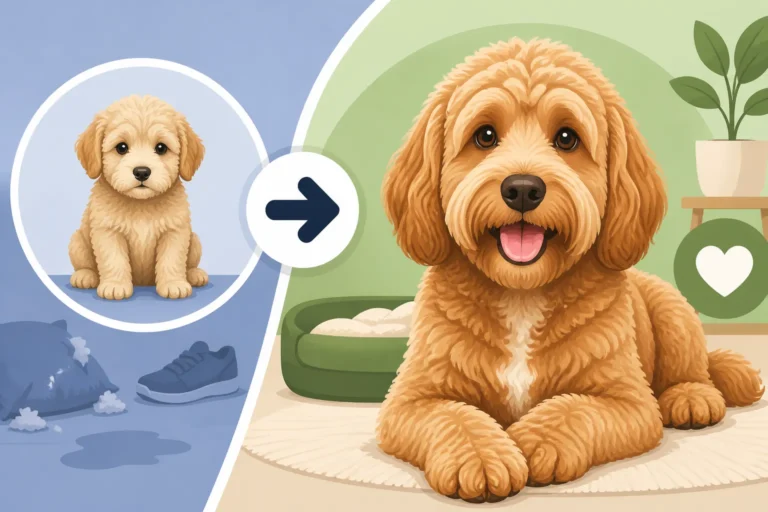
Whether Seeing the Cockapoo’s Mother Matters
Bringing a new Cockapoo puppy into your life is an incredibly exciting time, full of dreams of cuddles, playful romps, and unwavering companionship. It's easy to get swept up in the adorable pictures and the sheer joy of choosing your future furry best friend. But amidst all that puppy enthusiasm, there's a crucial step that often gets overlooked or downplayed: actually seeing the mother of the litter. It’s not just a nice-to-have; it's a fundamental part of ensuring you're bringing home a healthy, well-adjusted puppy from a responsible source. This guide will walk you through exactly why seeing the Cockapoo's mother matters so much, what to look for, and what to do if you find yourself in a situation where she's not available.
The Mother as Your Puppy's First Teacher and Genetic Blueprint
Think of the mother dog, often called the dam, as the foundation upon which your puppy's early life is built. She's not just the biological provider; she's the primary educator, protector, and role model for her entire litter. Everything from their initial social cues to their general disposition can be heavily influenced by her.
Reading the Room: Her Temperament Speaks Volumes
When you visit a litter, the first dog you should pay close attention to is the mother. How does she react to you? Is she friendly and curious, perhaps sniffing your hand with a wagging tail? Does she seem relaxed and confident in her environment? Or does she appear timid, overly protective, anxious, or even aggressive? Her temperament offers a direct window into the kind of personality traits that might be passed on to her puppies, both genetically and through learned behavior.
Puppies learn by observing and mimicking their mother. A calm, confident mother teaches her pups that the world is a safe place to explore. If she's fearful or aggressive, her puppies are more likely to exhibit similar traits as they grow, as they internalize her reactions to new people and situations. Imagine encountering a mother Cockapoo who shrinks away from you, barks incessantly from a distance, or even tries to snap. While any dog can have an off day, consistent fear or aggression is a huge red flag. You want a puppy whose mother demonstrates the sweet, outgoing, and gentle nature that Cockapoos are celebrated for. This initial assessment of the mother's demeanor can save you a lot of heartache and potential behavioral challenges down the road. It’s about more than just a quick glance; it’s about observing her interactions for a decent period, seeing her engage with the breeder, and ideally, seeing her interact with her puppies.
Unveiling Her Health Story: More Than Meets the Eye
Beyond temperament, the mother's physical health is paramount. She's been through a lot, nursing a litter of demanding puppies, and her condition should reflect good care. Look for clear eyes, a clean coat, healthy skin (not excessively dry or greasy), and a good body weight. A mother who looks emaciated, has dull eyes, or seems lethargic could indicate underlying health issues or poor nutrition. These are things that could directly impact the puppies' early development.
Crucially, this is also your opportunity to discuss health clearances. Reputable Cockapoo breeders will screen their breeding dogs for genetic conditions common to both Cocker Spaniels and Poodles. For Cockapoos, this often includes issues like Progressive Retinal Atrophy (PRA), Familial Nephropathy (FN), luxating patellas, and hip dysplasia. A breeder should readily provide documentation of these tests for both parents, not just one. Ask to see certificates for eye exams, hip and elbow scores, and DNA tests for specific genetic diseases.
A breeder who is evasive or claims that "their vet checks everything" without specific, verifiable test results is a cause for concern. For example, knowing Whether a Cockapoo Gets Nephropathy Only From the Cocker or Whether Both Cockapoo Parents Must Be prcd-PRA Clear requires specific genetic testing that goes beyond a general vet check. These clearances are a significant investment for a breeder and a clear indicator of their commitment to producing healthy puppies. Without them, you're essentially taking a gamble on your puppy's future health, which could lead to significant emotional and financial burdens later on, something pet insurance providers like Healthy Paws might help with if acquired early, but a healthier start is always preferred. The Kidney and Eye Checks a Cockapoo Needs Yearly also points to the importance of preventative care, which starts with healthy parents.
Beyond the Dog: The Mother's Environment Reflects the Breeder's Standards
A dog doesn't exist in a vacuum, and neither does a litter of puppies. The environment the mother lives in, and by extension, the puppies are raised in, is just as critical as her genetic makeup and temperament. This tells you volumes about the breeder's overall standards of care and commitment to responsible breeding.
Home Sweet Home: The Impact of Her Living Conditions
When you visit, take a good, honest look around. Is the area where the mother and her puppies reside clean, warm, and safe? Do they have enough space to move around, play, and rest comfortably? Are there distinct areas for eating, sleeping, and eliminating? A clean environment minimizes the risk of parasites and infections for the young, vulnerable puppies. You want to see fresh water, appropriate food (perhaps even a food subscription like Ollie or high-quality kibble from Chewy for the mother), and clean bedding.
If the puppies are housed in dirty, cramped, or unsanitary conditions, it’s a massive red flag. This often points to a "backyard breeder" or even a puppy mill, where profit takes precedence over animal welfare. Puppies raised in such environments are not only more prone to health problems but also to behavioral issues like fear and anxiety due to lack of proper stimulation and comfort. The surroundings should reflect a genuine care for the animals, not just a holding pen. It’s also wise to consider What a Mill Bred Cockapoo Costs You Later – often far more than any initial savings.
A Well-Adjusted Mom: The Cornerstone of Puppy Socialization
The mother's living situation also impacts how well-socialized the puppies will be. Ideally, the mother Cockapoo should be part of the family, living inside the home, and accustomed to normal household sights and sounds. This means she's exposed to things like vacuums, doorbells, children's laughter, and general daily activity. When puppies are raised in this kind of environment, with a well-adjusted mother, they are naturally exposed to these stimuli from a young age and learn to accept them as part of normal life.
If the mother is kept isolated in a kennel, garage, or outside pen, her puppies will miss out on crucial early socialization. This can lead to adult dogs who are fearful of everyday noises, shy around strangers, or have difficulty adapting to new situations. The mother's comfort level in her home environment directly influences the puppies' developing perception of the world. A breeder who proudly introduces you to their dogs in their living space is generally a sign of a well-managed program where the dogs are truly part of the family, paving the way for a more confident and resilient puppy.
Your Detective Work: What to Observe and Ask During the Visit
Your visit to see the mother and puppies is not just a meet-and-greet; it's a critical investigative mission. You are there to gather as much information as possible to make an informed decision. Don't be afraid to ask questions – a good breeder will welcome them.
Questions That Uncover the Whole Picture
Come prepared with a list of questions. Here are some key ones related to the mother, the sire, and the overall breeding program:
- About the Mother:
- What is her full name and registration number (if applicable)?
- How old is she? (Responsible breeders won't breed a female too young or too old, or too frequently.)
- How many litters has she had? When was her last litter?
- What is her temperament like day-to-day? How does she interact with strangers, children, and other animals?
- Can I see her health clearances (OFA/PennHIP for hips/elbows, yearly CERF/CAER eye exams, DNA tests for PRA, FN, etc.)? Remember to insist on seeing The Five Certificates a Cockapoo Breeder Should Show.
- About the Sire:
- Who is the sire of this litter? Can I see pictures or videos of him?
- What is his temperament like?
- Can I see his health clearances?
- Is he on site? If not, why? (Often the sire is a stud from another kennel, which is fine, but the breeder should have all his documentation).
- About the Puppies:
- What kind of socialization have the puppies received? What sounds, people, and experiences have they been exposed to?
- What food are they currently eating? (This is important for a smooth transition, and brands like Chewy or Ollie provide excellent options.)
- What veterinary care have they received (first shots, deworming, vet checks)? Can I see the vet records?
- What is your return policy or health guarantee? (Understanding Whether a Cockapoo Guarantee Covers Familial Nephropathy is vital.)
- About the Breeder:
- How long have you been breeding Cockapoos?
- Are you a member of any breed clubs, such as the American Cockapoo Club or the Cockapoo Club of America? (While not mandatory, membership often indicates a commitment to ethical standards; see What the Cockapoo Club of America Set in 1999.)
- Can you provide references from previous puppy buyers or your veterinarian?
A transparent breeder will be happy to answer these questions and show you the relevant documentation. They understand that you're making a significant commitment and want you to feel confident in your choice.
Spotting the Red Flags (and Green Lights) in a Breeder
During your visit, trust your gut feeling. Beyond the specific questions, observe the overall vibe.
Green Lights:
- Welcoming and Transparent: The breeder is happy to have you visit, shows you around openly, and answers all your questions without hesitation.
- Clean and Safe Environment: The mother and puppies are in a clean, spacious, and enriched living area.
- Healthy and Happy Dogs: The mother looks well-cared for, has a good temperament, and interacts positively with her puppies and the breeder. The puppies are robust, playful, and appear well-nourished.
- Knowledgeable and Passionate: The breeder demonstrates a deep understanding of Cockapoo health, genetics, and behavior, and genuinely cares about where their puppies go.
- Provides Documentation: Health clearances, vet records, and a contract are readily available.
- Interviews You: A good breeder will also ask you questions to ensure their puppy is going to a suitable home. This shows they care about the puppy's future.
Red Flags:
- No Access to Mother: This is the biggest red flag this article addresses. If you're told the mother isn't available, or she's "shy" or "out for a walk" every time you want to see her, walk away.
- Unsanitary Conditions: Dirty kennels, strong odors, or inadequate living spaces.
- Evasive Answers: The breeder avoids direct questions, can't provide documentation, or seems hurried.
- Multiple Litters/Breeds: A breeder with too many different breeds or multiple litters at once might indicate a commercial operation rather than a dedicated hobby breeder.
- No Contract or Guarantee: A lack of a health guarantee or a clear contract is a warning sign.
- Pressure to Buy: The breeder pushes you to make a decision quickly or demands immediate payment.
- Puppies Sold Too Young: Puppies should stay with their mother until at least 8 weeks old for crucial development.
- Meeting in a Neutral Location: A reputable breeder will always have you come to their home to see the puppies and their environment. Meeting in a parking lot or other public place is a huge red flag.
Remember, Whether an Untested Cockapoo Litter Is a Gamble is a question that applies directly here. Don't take that gamble.
When Seeing the Mother Isn't Possible (and What to Do Then)
While seeing the mother is almost always imperative, there can be rare, legitimate exceptions where she might not be physically present during your visit. However, these situations require even more rigorous due diligence on your part.
Understanding the Exceptions: Reputable Situations
One common exception is when the sire is a stud dog from another kennel. This is completely normal and reputable breeders will have all of his health clearances, pedigree, and photos available. Another rare instance might be a puppy from a rescue organization. In these cases, the puppy's history, including its parentage, might be unknown. However, reputable rescues will be transparent about this and focus on the puppy's current health and temperament evaluations. They will also typically have observed the puppy for a period and can give you an assessment of its personality.
What is not a legitimate exception is a breeder making excuses about the mother being "too tired," "too protective," or "not liking strangers." These are often covers for a shy or aggressive mother, or for a situation where the mother isn't kept in acceptable conditions.
Mitigating the Risks: Extra Due Diligence Steps
If you find yourself in a situation where the mother isn't available for viewing, but you're still considering the puppy, you absolutely must intensify your scrutiny of every other aspect of the breeder and the litter.
- Vet References: Insist on contacting the breeder's veterinarian directly. Ask the vet about the health of the mother, the care she receives, and the overall conditions of the kennel. A good vet will be able to speak to the breeder's practices without violating patient privacy.
- Extensive Documentation: Demand copies of all health clearances for both parents, including official reports from organizations like OFA, PennHIP, or specific DNA testing labs. Don't settle for "my vet said she's fine." You need concrete proof.
- Video Calls: Ask for detailed video calls of the puppies and the environment they are in. While not a substitute for an in-person visit with the mother, it can help confirm living conditions and the general health of the puppies.
- Observe the Puppies More Closely: Pay extra attention to the individual puppies' temperaments. Are they curious, playful, and comfortable interacting with you? Do they appear healthy and well-fed? This is where your observation skills will be truly tested.
- References from Previous Buyers: Contact several past buyers for their experiences. Ask specific questions about the health and temperament of their dogs and whether they were satisfied with the breeder's communication and support.
- Professional Opinions: Consider bringing a trusted, experienced dog trainer or veterinarian with you to observe the litter, if the breeder allows. Their trained eye can spot things you might miss.
Ultimately, choosing a puppy is about making an informed decision for a commitment that can last well over a decade. Seeing the mother of your potential Cockapoo puppy is one of the most powerful tools you have to gauge the future health, temperament, and well-being of your new family member. Don't let puppy excitement override due diligence; your future furry friend deserves the best possible start in life.
Disclaimer
This article is for general informational purposes only and does not constitute professional advice. Laws, prices and regulations vary by location and change over time. Consult a qualified professional for guidance on your specific situation.