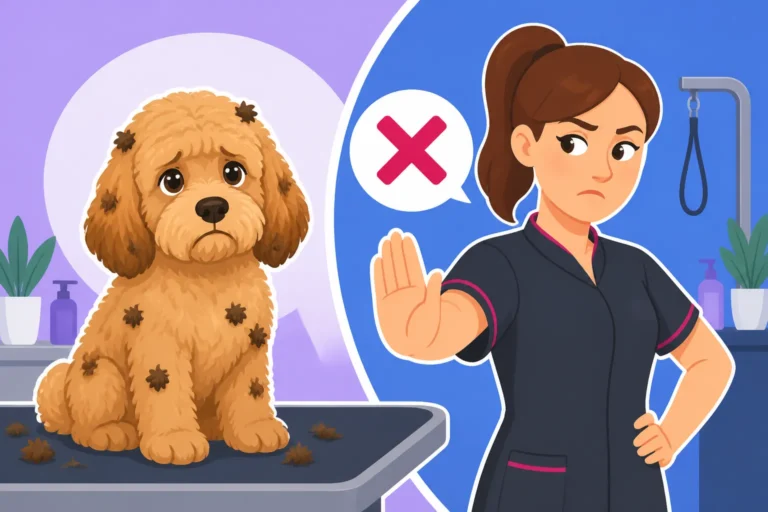
What a Mill Bred Cockapoo Costs You Later
Bringing a Cockapoo puppy home should be a joyous occasion, filled with fluffy cuddles and playful antics. But for many, the dream quickly sours when they realize their "bargain" puppy from an online ad or a storefront has actually come from a puppy mill. What seems like a cost-saving choice upfront can quickly spiral into a financial and emotional nightmare, costing far more in the long run than a responsibly bred dog. This guide will meticulously unpack the hidden and often devastating expenses that can arise from bringing a mill-bred Cockapoo into your life, helping you understand the true cost beyond the initial price tag.
The Allure of a "Bargain" Cockapoo and the Immediate Red Flags
It's completely understandable why a low price tag on a Cockapoo puppy can be incredibly tempting. We all want to save money where we can, especially when it comes to a new family member, and the sight of a fluffy, innocent face can make us drop our guard. Unfortunately, this desire for a good deal is precisely what puppy mills exploit, luring unsuspecting buyers with prices that seem too good to be true, often because they are.
Why the Low Price Tag is So Enticing
Imagine scrolling through online listings or peering into a pet store window. You see a Cockapoo puppy for a fraction of what a reputable breeder charges, perhaps hundreds or even thousands less. It's easy to think you've stumbled upon a hidden gem, a chance to get the dog of your dreams without breaking the bank. The emotional pull of a puppy is incredibly strong, and that initial "saving" feels like a win. You envision all the fun things you could buy with the money you've saved – new toys, a fancy bed, perhaps even some delicious treats from a place like Chewy.
However, this perceived saving is almost always an illusion. Responsible Cockapoo breeders invest heavily in the health, welfare, and early socialization of their puppies. This includes comprehensive genetic health testing for both parent dogs to screen for conditions like Familial Nephropathy or Progressive Retinal Atrophy, quality nutrition for the mother and puppies, proper veterinary care, and an environment that fosters healthy development. When you see a significantly lower price, it's a huge red flag that these crucial investments simply haven't been made, setting the stage for future problems and far greater expenses.
Recognizing the Signs of a Mill-Bred Puppy
The key to avoiding these future costs is to recognize the red flags before you commit. A mill-bred puppy often comes with a distinct lack of transparency from the seller. You might find it impossible to meet the puppy's parents, especially the mother, or see where the puppies were raised. The seller might insist on meeting in a public place, like a park or a highway rest stop, rather than at their home. If they have multiple breeds available all at once, or always seem to have puppies ready to go, that's another flashing sign of a commercial breeding operation, not a loving home breeder. The conditions the puppies are kept in, if you do manage to get a glimpse, might be unsanitary or overcrowded.
Another common scenario involves brokers or online scams. You might see enticing photos online, pay a deposit, and then encounter endless excuses or demands for more money, with the puppy never materializing. Or, the puppy arrives, often shipped from a distant location, looking sickly and withdrawn. This lack of initial care and ethical breeding practices is a direct pipeline to heartache and enormous veterinary bills down the line. It's crucial to be vigilant and informed, and understand that finding a responsible breeder takes time and effort. For a deeper dive into identifying these operations, you might want to read Spotting a Mill Bred Cockapoo Listing.
Immediate Veterinary Costs You Might Face
When a puppy comes from a mill, the lack of proper care, hygiene, and nutrition in its early weeks means it's often a ticking time bomb for immediate health issues. These aren't just minor inconveniences; they can be serious, requiring urgent and costly veterinary intervention right from the moment your "bargain" puppy arrives home.
Common Ailments in Mill-Bred Puppies
One of the most frequent and heartbreaking realities for owners of mill-bred Cockapoos is the immediate onslaught of common, yet debilitating, ailments. Due to overcrowded, unsanitary conditions, poor nutrition, and overwhelming stress, these puppies are highly susceptible to parasites like roundworms, hookworms, giardia, and coccidia. These internal parasites can cause severe diarrhea, vomiting, dehydration, and failure to thrive, turning your new puppy into a very sick little creature within days.
Beyond parasites, kennel cough is rampant in mill environments, easily spread through close quarters and poor ventilation. While often treatable, a severe case can develop into pneumonia, especially in a puppy with a compromised immune system. Skin infections, ear infections, and upper respiratory infections are also incredibly common, stemming from a combination of stress, dirt, and inadequate care. These issues alone can rack up significant veterinary bills for examinations, fecal tests, medication, and supportive care, consuming that initial "saving" faster than you can say "vet visit."
Emergency Care for Severe Conditions
Sometimes, the issues are far more severe than common infections. Puppy mill conditions are unfortunately breeding grounds for life-threatening diseases that require immediate, emergency veterinary care, often escalating into hospital stays and specialized treatments. Think about the terror of a tiny Cockapoo puppy suddenly succumbing to parvovirus, a highly contagious and often fatal gastrointestinal illness. This disease attacks rapidly, causing severe vomiting, bloody diarrhea, and extreme dehydration. Treatment involves aggressive fluid therapy, anti-nausea medication, antibiotics, and constant monitoring, with costs easily soaring into the thousands.
Distemper is another devastating viral disease that can lead to respiratory, gastrointestinal, and neurological symptoms. If a puppy arrives lethargic, with a high fever, coughing, or experiencing seizures, it's an emergency. Similarly, severe dehydration or pneumonia can quickly become critical. Imagine rushing your new Cockapoo to an emergency vet clinic in the middle of the night, knowing its life hangs in the balance, and being faced with a bill that far outstrips the purchase price of the puppy itself. This is the stark reality for too many people who bought a puppy without knowing its origins. The financial implications for these urgent conditions can be staggering, quickly demonstrating What an Untested Cockapoo Costs You in Year Two.
The Lifelong Burden of Hereditary Health Issues
Beyond the immediate crisis, perhaps the most profound and long-lasting financial burden of a mill-bred Cockapoo comes from the genetic lottery their parents played – or, more accurately, didn't play. Responsible breeders meticulously screen their breeding dogs for inheritable conditions, but puppy mills skip these vital steps, passing on debilitating and expensive health problems to their unsuspecting offspring.
Inherited Conditions from Unscreened Parents
Cockapoos, being a cross between Cocker Spaniels and Poodles, can inherit genetic predispositions from both sides of their family tree. Without proper health testing of the parent dogs, a mill-bred Cockapoo is at a significantly higher risk for several serious conditions. One of the most devastating is Familial Nephropathy (FN), a progressive kidney disease that can appear in young adult Cockapoos, often leading to kidney failure. Finding out your cherished companion has a condition like this is heartbreaking enough, but the ongoing veterinary care for Familial Nephropathy and the Kidneys a Cockapoo Can Inherit is immensely costly.
Then there are eye conditions, with Progressive Retinal Atrophy (PRA) being a significant concern from the Poodle side. This inherited disease gradually causes the dog's retina to degenerate, leading to eventual blindness. Imagine watching your beloved Cockapoo slowly lose its sight, knowing it could have been prevented with proper genetic screening. You can learn more about this by researching Progressive Retinal Atrophy in a Cockapoo. Joint problems are also rampant: patellar luxation (slipping kneecaps), especially in smaller Cockapoos, can require expensive corrective surgery. For more on this, consider reading Slipping Kneecaps in a Toy Cockapoo. Hip dysplasia, while often associated with larger breeds, can also affect Cockapoos, particularly the Maxi size, and can lead to chronic pain and costly interventions throughout their lives.
The Ongoing Costs of Managing Chronic Illness
The diagnosis of a chronic, hereditary condition is just the beginning of a long and expensive journey. Managing these illnesses isn't a one-time fix; it involves a lifetime of dedicated care. Take, for example, a Cockapoo diagnosed with early-onset kidney disease from FN. This isn't just a few pills and done. It means regular, often monthly, vet visits for blood work, urinalysis, and blood pressure checks. It involves specialized, prescription kidney diets that can be significantly more expensive than regular dog food, with options available from companies like Chewy or Ollie that cater to specific dietary needs. Medications to manage symptoms, control blood pressure, and slow progression become a daily regimen. The question of What Treating an FN Affected Cockapoo Costs quickly becomes a terrifying reality for many.
Similarly, a Cockapoo with severe hip or knee issues might require ongoing pain management, physical therapy, and potentially multiple surgeries throughout its life. An autoimmune condition like Addison's disease, which can come from the Poodle line, requires lifelong daily medication and regular monitoring. What Lifelong Addison's Medication Costs a Cockapoo Owner can easily run into thousands of dollars over a dog's lifespan. These are not minor expenses; they are substantial, ongoing financial commitments that responsible breeders strive to prevent. The emotional toll of watching your dog suffer, knowing it might have been avoidable, compounds the financial strain, often making the initial "bargain" feel like the worst decision imaginable. When considering these dietary needs, looking at options for What a Kidney Diet Costs a Cockapoo Owner can give you a clearer picture of potential expenses.
Behavioral Challenges and Training Expenses
Beyond the immediate medical needs and long-term health issues, mill-bred Cockapoos often come with a whole host of behavioral problems that can be just as costly and heartbreaking to manage. Their early experiences, or lack thereof, deeply scar their developing minds, leading to anxieties and fears that require significant time, patience, and professional intervention.
Socialization Deficits and Fear-Based Behaviors
Puppy mills are stark environments, utterly devoid of the positive, diverse experiences crucial for a puppy's healthy mental and emotional development. Puppies are often confined, with minimal human interaction, exposure to different sights and sounds, or proper socialization with other dogs. This neglect during their critical developmental period (the first 16 weeks) leads to severe socialization deficits. The result? A Cockapoo that might be fearful of strangers, other dogs, new environments, or even everyday household noises. This fear can manifest as shyness, aggression, incessant barking, or destructive behaviors.
Separation anxiety is another common and particularly challenging issue for mill-bred dogs. Having spent their early lives in close proximity to their littermates and mother, they are suddenly thrust into a new, solitary existence, often leading to panic when left alone. This can result in destructive chewing, incessant barking or howling, and inappropriate urination or defecation. Dealing with A Cockapoo That Cannot Be Left requires immense dedication and can turn your home upside down. These aren't just minor quirks; they are deeply ingrained responses to trauma and neglect. It’s important to understand the subtle cues your dog might be giving, and reading Signs a Cockapoo Is Anxious Rather Than Bored can help differentiate between common puppy mischief and genuine distress.
Professional Training and Rehabilitation
Addressing these complex behavioral issues goes far beyond basic obedience classes and often requires the expertise of certified professional trainers or veterinary behaviorists. These specialists employ positive reinforcement techniques and structured rehabilitation plans to help dogs overcome their fears and anxieties. The cost of private, one-on-one training sessions or specialized behavior modification programs can be considerable, easily adding thousands of dollars to your expenses. Unlike group classes, which are more affordable, severe behavioral problems demand individualized attention.
Imagine a scenario where your Cockapoo is so fearful it growls at visitors, or so anxious when left alone that it destroys furniture. You might invest in specialized calming aids, enrichment toys from Chewy, or even medication prescribed by a vet to help manage anxiety. The time commitment is also immense, requiring consistent effort and patience from the owner to slowly desensitize and counter-condition the dog. It’s not just about teaching commands; it’s about rebuilding trust and teaching the dog how to cope with a world that was initially terrifying to them. This often becomes a lifelong journey, a testament to the fact that you can't truly put a price on a dog's emotional well-being, though the financial costs of achieving it can be steep.
Grooming Nightmares and Coat Care Costs
The Cockapoo's charming, often low-shedding coat is a huge draw for many, promising less vacuuming and more cuddles. However, for a mill-bred Cockapoo, this beautiful coat can quickly become a source of immense pain, discomfort, and significant financial outlay due to severe neglect and improper care in their early lives.
Neglected Coats and Severe Matting
In puppy mill environments, grooming is almost non-existent. Puppies are rarely brushed, bathed, or properly cared for. The Cockapoo's soft, curly, or wavy coat is particularly prone to matting without regular grooming. When a mill-bred Cockapoo arrives at its new home, it's not uncommon for its coat to be severely matted, sometimes right down to the skin. These mats are not just unsightly; they are incredibly painful. They pull on the skin, restrict movement, and can hide skin infections, parasites, and sores. Imagine wearing a tight, painful suit that pinches and pulls with every movement – that's what severe matting feels like for a dog.
Dealing with a pelted coat requires immediate professional attention, and it's not a quick or cheap fix. A groomer might spend hours carefully trying to demat the coat, or, more often, the safest and kindest option is a complete shave-down. This is a specialized service, and the groomer needs to be exceptionally careful to avoid cutting the delicate skin underneath the tight mats. The cost for this initial, extensive dematting or shaving is significantly higher than a standard grooming appointment. Many owners are shocked to learn What a Groomer Charges by the Hour to Demat a Cockapoo, and even more so to discover Whether a Matted Cockapoo Has to Be Shaved down completely, leaving their fluffy puppy looking very different from their initial expectations.
Ongoing Grooming Challenges and Higher Bills
The initial trauma of a neglected coat often leads to lasting grooming challenges. Many mill-bred Cockapoos develop a strong fear of grooming tools, baths, and even being handled for brushing. This fear makes subsequent grooming appointments more difficult, requiring extra time, patience, and sometimes even sedation from a vet, all of which add to the cost. A regular groomer might charge more for a difficult dog, or you might need to seek out a specialized groomer experienced in handling fearful or traumatized animals.
Furthermore, some mill-bred Cockapoos may inherit skin issues due to poor genetics or a compromised immune system from their early conditions. This could mean a coat that is excessively oily or dry, prone to dandruff, or susceptible to yeast infections, especially in their ears or paw pads. These conditions often necessitate frequent medicated baths and specialized shampoos, such as those you can find at stores like Chewy. While Whether Medicated Baths Help a Cockapoo can be effective, they are an additional ongoing expense and time commitment. The dream of a low-maintenance, fluffy coat can quickly dissolve into a recurring cycle of expensive, stressful grooming appointments and at-home care, adding significantly to the long-term cost of ownership. For owners struggling with a fearful dog, understanding how to best approach these sessions is vital, and reading about A Cockapoo That Will Not Sit Still to Be Combed can offer helpful strategies.
The Impact on Your Wallet and Your Heart
The true cost of a mill-bred Cockapoo is not just measured in dollars and cents; it's also measured in the emotional toll it takes on you and your family. While you can save a little money on the upfront purchase price, the subsequent financial demands and heartache can be staggering, leading to a profound sense of regret and helplessness.
Pet Insurance and the Pre-Existing Condition Clause
Many responsible pet owners wisely consider pet insurance to help mitigate unexpected veterinary costs. It's a fantastic tool for managing the financial side of new illnesses or accidents. However, this is where the hidden costs of a mill-bred Cockapoo can become an even more bitter pill to swallow. Almost all pet insurance policies, including reputable ones like Healthy Paws, have a strict "pre-existing condition" clause. This means that any illness or injury that your dog showed signs of before you purchased the insurance policy, or during a specified waiting period, will not be covered.
Given that mill-bred puppies often arrive with immediate health issues like parasites, respiratory infections, or even underlying genetic conditions that manifest early, many of these problems will be deemed pre-existing. This means that the expensive treatments for those conditions – which are often the very reason you might desperately need insurance – will fall entirely to you. While insurance can still be beneficial for new, unforeseen issues later in life, it won't shield you from the initial cascade of problems that are hallmarks of a poorly bred puppy. The question of Whether Hereditary Kidney Disease Is Excluded on a Cockapoo by your insurer, for example, becomes critically important and often disappointing.
The Emotional and Financial Toll on Owners
Beyond the sheer financial burden, the emotional toll of caring for a mill-bred Cockapoo with numerous health and behavioral problems is immense. Owners often describe feeling heartbroken, overwhelmed, and guilty. You love your dog unconditionally, and you want to do everything possible to alleviate its suffering, but the constant stream of vet visits, medications, specialized diets, and training sessions can be emotionally exhausting and financially crippling. Families can find themselves making incredibly difficult choices, sometimes having to go into debt, deplete savings, or even consider surrendering a dog they adore simply because they cannot afford the ongoing care.
The dream of a happy, healthy companion dog can quickly turn into a nightmare of worry, stress, and never-ending bills. This continuous cycle of problem-solving and financial drain can strain personal relationships and mental well-being. Knowing that these struggles could have largely been avoided by choosing a responsible breeder from the outset is a particularly painful realization. While it's vital to save and prepare for your dog's future, as highlighted in Setting Money Aside for a Cockapoo's Vet Bills, no amount of savings can fully prepare you for the emotional and financial roller coaster that a mill-bred Cockapoo can bring into your life.
Here's a quick overview of some common hidden costs associated with a mill-bred Cockapoo:
| Category | Potential Issues | Examples of Costs |
|---|---|---|
| Immediate Vet Care | Parasites (worms, giardia), Kennel Cough, Skin Infections, Parvovirus | Vet exams, fecal tests, medications, IV fluids, hospitalization, emergency visits |
| Hereditary Health Issues | Familial Nephropathy, Progressive Retinal Atrophy, Luxating Patellas, Hip Dysplasia | Diagnostics, specialized diets, lifelong medications, surgeries, pain management, specialist consultations |
| Behavioral Challenges | Separation Anxiety, Fear Aggression, Lack of Socialization, House-training issues | Private training sessions, behaviorist consultations, specialized toys, anxiety medication |
| Grooming Neglect | Severe Matting, Skin Infections, Fear of Grooming | Emergency shave-downs, dematting fees, specialized groomers, medicated shampoos |
| Pet Insurance | Pre-existing conditions exclusions | Full cost of care for existing issues falls to owner, limited coverage for new issues |
Disclaimer
This article is for general informational purposes only and does not constitute professional advice. Laws, prices and regulations vary by location and change over time. Consult a qualified professional for guidance on your specific situation.