What Slows Down First in an Aging Cockapoo
It’s a tough truth that our beloved Cockapoos, full of boundless energy and mischievous charm, eventually start to show their age. Watching that boundless puppy energy fade can be heartbreaking, leaving us wondering what changes to expect and how best to support them. This guide aims to shed light on the common signs of aging in Cockapoos, helping you understand what slows down first and how to adapt your care to ensure their golden years are as comfortable and joyful as possible.
The First Physical Slowdowns: Mobility and Energy Levels
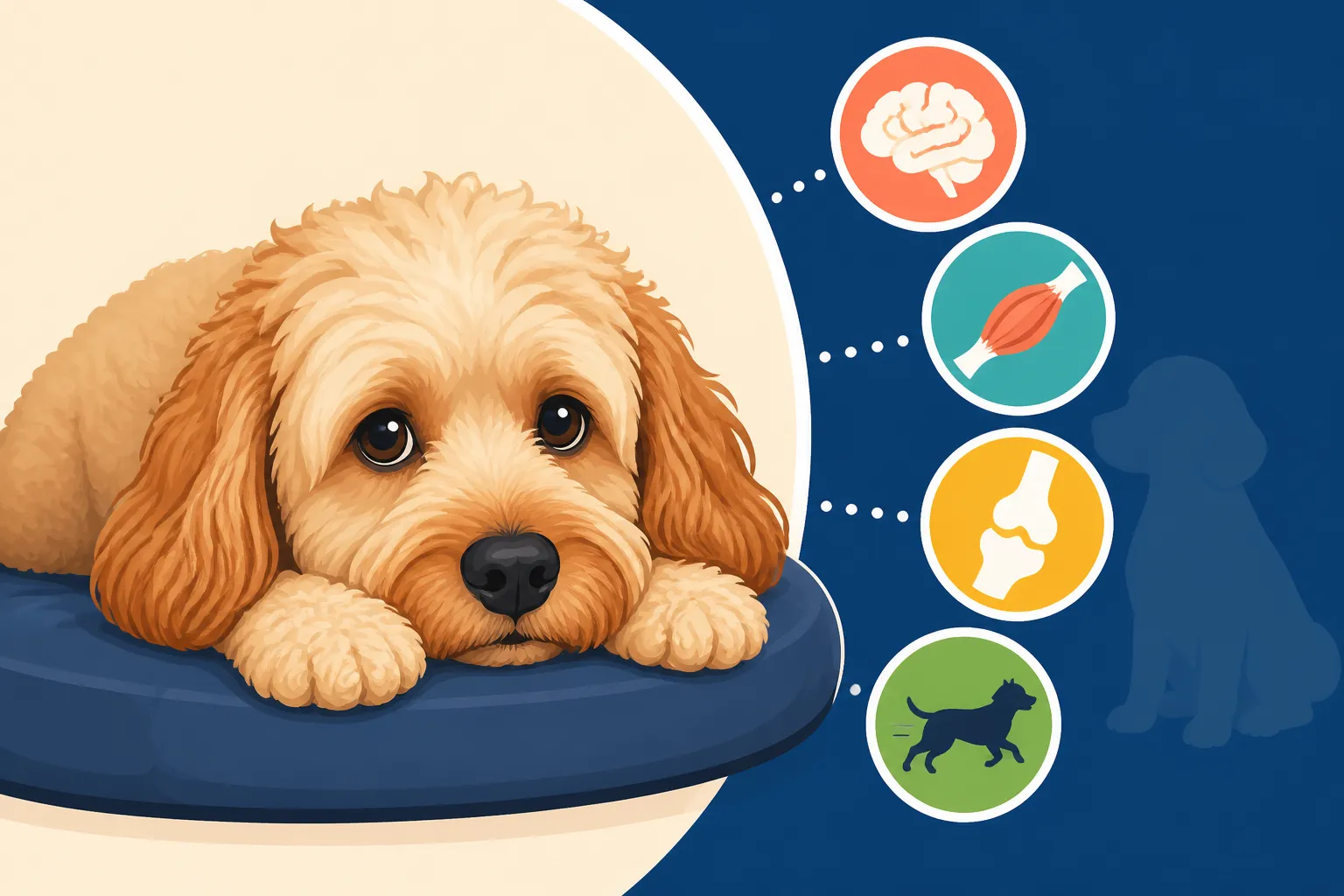
One of the most immediate and noticeable changes in an aging Cockapoo is often a decline in their physical capabilities and overall energy. That dog who once bounded up the stairs, chased squirrels with relentless abandon, and played fetch until you dropped is now taking things a bit slower. This isn't just them being lazy; it's a genuine physiological shift that can creep up on you.
A Gradual Decline in Stamina
You might find that your Cockapoo, who used to happily walk for miles, is now ready to turn back after a shorter stroll. They might still enjoy going out, but their endurance just isn't what it once was. This isn't a switch that flips overnight; it's a slow, progressive change. Perhaps they used to greet you at the door with a vigorous tail wag and a full-body wiggle, but now it's a more subdued, gentle welcome. They might nap more frequently throughout the day, choosing a cozy spot on the sofa over following you from room to room. This reduced stamina can be one of the earliest indicators that your Cockapoo is heading into their senior years, even before they reach the age where you'd typically expect to see these changes. It's a sign that their cardiovascular system and muscles aren't quite as efficient as they used to be, and their bodies simply require more rest to recover.
Aches, Pains, and Stiff Joints
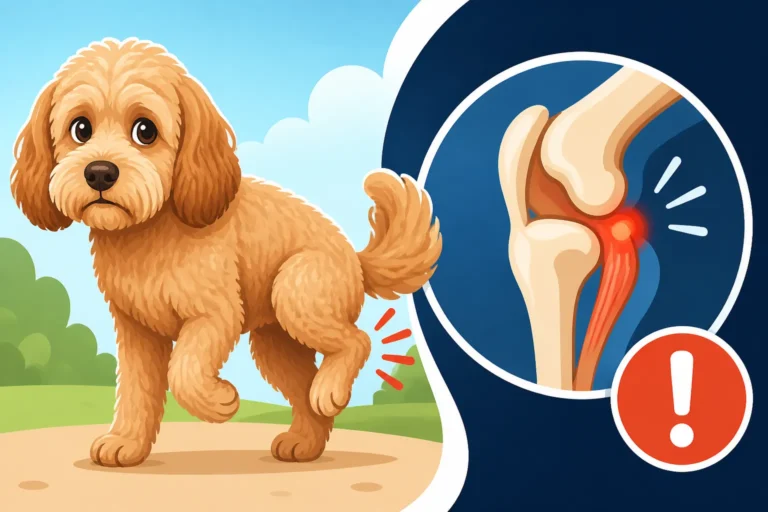
Beyond just energy, mobility often becomes a challenge. You might start noticing your Cockapoo hesitating before jumping onto the couch, struggling a bit to get up after a long nap, or moving stiffly, especially in the mornings or after exercise. This is often due to developing conditions like arthritis, which can start showing up in a Cockapoo at eleven or even younger. Their joints, having worked tirelessly for years, begin to wear down, leading to inflammation and pain. What might look like a slight reluctance to play or a bit of slowness could actually be discomfort. Sometimes, the signs are so subtle that we might attribute them to general aging, but paying close attention can reveal underlying pain. This is a critical time to consult your vet, as there are many options to manage pain and improve quality of life, from joint supplements to anti-inflammatory medications. Regular, gentle exercise is still important, but it needs to be adapted to their comfort level. For instance, shorter, more frequent walks on soft surfaces can be better than one long, strenuous outing. For more severe cases, understanding conditions like Arthritis in a Cockapoo at Eleven is crucial.
Subtle Shifts: Sensory Changes in Older Cockapoos
As our Cockapoos mature, their senses can also begin to dull. These changes are often less obvious than physical slowdowns, but they can profoundly impact how your dog interacts with the world and how you interact with them. It’s important to remember that these aren't necessarily signs of a failing mind, but rather natural biological shifts that require your patience and understanding.
Declining Eyesight
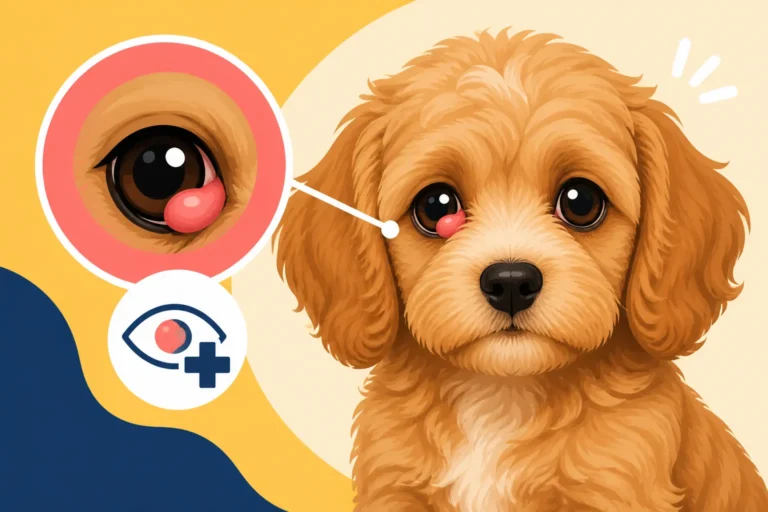
One of the first sensory changes many owners notice is a subtle deterioration in their Cockapoo’s vision. You might observe them bumping into furniture in dimly lit rooms, being more hesitant to navigate unfamiliar spaces, or seeming startled when approached from their blind spots. Just like with humans, certain eye conditions can become more prevalent with age. Nuclear sclerosis, a blueish haze in the lens, is very common and usually doesn't significantly impair vision. However, cataracts can also develop, potentially leading to more significant vision loss. It's a good idea to have The Kidney and Eye Checks a Cockapoo Needs Yearly performed to catch any issues early. You might also notice them taking longer to locate a dropped treat or struggling to track a thrown toy in the backyard. Adapting your home by keeping furniture in consistent places, using nightlights, and maintaining clear pathways can help a vision-impaired Cockapoo navigate their environment safely and confidently.
Hearing Loss and Reduced Responsiveness
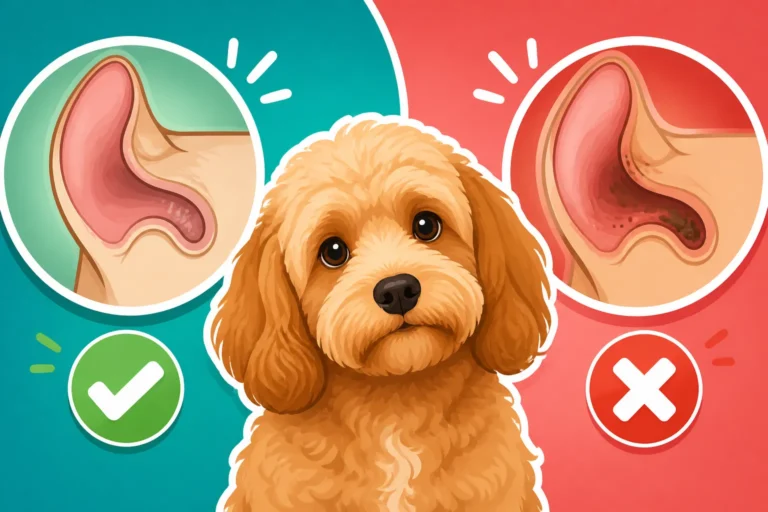
Another common sensory shift is hearing loss. This often manifests as your Cockapoo no longer responding to their name as readily, failing to hear the doorbell, or not waking up when you enter the room. It’s easy to feel frustrated, thinking they're just ignoring you, but it’s far more likely they simply can’t hear you. This can be particularly pronounced in breeds like Cockapoos, given the potential for ear issues from their Cocker Spaniel lineage, although the Poodle's ear canal can sometimes help. You might have to use hand signals more frequently or resort to gentle touches to get their attention. Suddenly, you might find yourself asking, "Whether an Old Cockapoo Stops Answering Its Name". If you suspect hearing loss, a vet visit can confirm it and rule out any treatable causes, like ear infections or excessive wax buildup. Once diagnosed, adapting your communication style is key, using visual cues and keeping them on a leash in uncontrolled environments to ensure their safety.
More Than Just Old Age: Cognitive and Behavioral Changes
Beyond physical and sensory declines, an aging Cockapoo can also experience changes in their cognitive function and behavior. These shifts can be particularly challenging for owners, as they affect the very personality and connection we share with our pets. It’s not just about them getting older; it can be about their brain changing too.
Signs of Canine Cognitive Dysfunction (CCD)
Sometimes, what we perceive as "just old age" can actually be signs of Canine Cognitive Dysfunction (CCD), often referred to as doggy dementia. This condition can mimic symptoms of Alzheimer's in humans and is more common than many owners realize. You might notice your once perfectly housetrained Cockapoo having accidents indoors, seeming disoriented or confused in familiar surroundings, or staring blankly at walls. Their sleep-wake cycle might reverse, leading to restlessness at night and excessive sleeping during the day. They might seem to forget commands they once knew instantly or become less interested in playtime or interactions. These changes can be truly heartbreaking to witness, as it feels like your dog is slipping away. It’s important to talk to your vet if you notice these signs, as early diagnosis and intervention can help manage the symptoms and improve their quality of life. There are dietary changes, supplements, and even medications that can help.
Changes in Routine and Social Interaction
An aging Cockapoo might also display changes in their daily routine and social interactions. They might become less tolerant of boisterous children or other pets, preferring quiet solitude. Some become clingier, following you from room to room, while others might become more withdrawn or even irritable. You might notice them pacing more, or exhibiting increased anxiety, especially when left alone. A previously outgoing Cockapoo might start hiding from visitors, or generally be less enthusiastic about things they once loved. It’s a delicate balance, trying to understand if these shifts are due to physical discomfort, sensory decline making them feel vulnerable, or cognitive changes. Observing these behavioral changes carefully and discussing them with your veterinarian is vital. Sometimes, simply adjusting their environment to be calmer, providing a safe retreat, or sticking to a predictable routine can make a huge difference in their comfort and emotional well-being. Keeping a consistent schedule can be incredibly reassuring for an older dog whose world might feel increasingly unpredictable.
Internal Health: The Unseen Slowdown
While we can easily spot external signs of aging, many of the most significant changes in an aging Cockapoo happen internally, affecting their organ systems. These internal slowdowns can have profound impacts on their overall health and longevity, and often require vigilant monitoring and proactive veterinary care. This is where investing in comprehensive health checks and possibly pet insurance like Healthy Paws really pays off.
Kidney Function and Urinary Habits
One of the most critical internal systems that often shows signs of slowing down is the kidneys. As a Cockapoo ages, their kidneys can become less efficient at filtering waste products from the blood. This can manifest in subtle ways at first, such as an increase in thirst and urination. You might find yourself refilling their water bowl more often or needing to take them out for potty breaks more frequently, even through the night. These early signs can sometimes be overlooked or attributed to other factors. If you notice your Cockapoo drinking constantly, it's definitely a reason to get them checked out. Advanced kidney disease can lead to weight loss, lethargy, poor appetite, and even vomiting. Regular bloodwork, especially after your Cockapoo reaches around seven or eight years old, is absolutely essential for early detection. Conditions like Familial Nephropathy and the Kidneys a Cockapoo Can Inherit can also be a concern, making genetic screening important even for older dogs if their history isn't fully known. Early intervention with diet changes and medications can significantly slow the progression of kidney disease and improve quality of life.
Cardiovascular Health and Respiratory Changes
The heart is another vital organ that can experience age-related wear and tear. Heart murmurs in an aging Cockapoo are not uncommon. While some murmurs are benign, others can indicate underlying heart disease that can impact their overall health and energy levels. You might notice your Cockapoo developing a cough, especially at night or after exercise, or becoming easily winded. They might tire more quickly during walks or seem generally weaker. Congestive heart failure, while frightening, can often be managed with medication to improve heart function and quality of life. Regular veterinary check-ups, including listening to their heart and potentially performing diagnostic tests like X-rays or an echocardiogram, are crucial for monitoring cardiovascular health. If you notice any labored breathing, coughing, or extreme lethargy, it’s an immediate trip to the vet. These subtle changes in breathing or energy can be the first indicators of a larger issue.
Thyroid and Other Endocrine Issues
The endocrine system, which produces hormones, can also become less efficient with age. Hypothyroidism, where the thyroid gland doesn't produce enough hormones, is a common issue in middle-aged and senior dogs, including Cockapoos. "Whether a Slowing Cockapoo Has a Thyroid Problem" is a very relevant question as they get older. Symptoms can be vague and mimic general aging, such as lethargy, weight gain despite no change in diet, a dull or thinning coat, and increased sensitivity to cold. Another condition, Cushing's disease, caused by an overproduction of cortisol, can also affect aging Cockapoos, leading to increased thirst, urination, a pot-bellied appearance, and hair loss. Both conditions require diagnosis through blood tests and can be effectively managed with medication, significantly improving your dog's quality of life. These internal health issues highlight why proactive veterinary care and comprehensive health insurance from providers like Healthy Paws are so important as your Cockapoo enters their senior years, ensuring you can afford the necessary diagnostics and treatments.
Monitoring and Management of Senior Health
As our Cockapoos age, their health needs become more complex. What might seem like a minor symptom could be an early warning sign for a treatable condition. Regular veterinary visits, typically twice a year for senior dogs, are critical. These visits aren't just for vaccinations; they are an opportunity for your vet to perform thorough physical exams, listen for Heart Murmurs in an Aging Cockapoo, check their mobility, and discuss any changes you've observed. Blood and urine tests, often part of these routine senior check-ups, provide invaluable insights into organ function, allowing for early detection of issues like kidney or liver disease, diabetes, or thyroid imbalances. A good relationship with your vet is paramount, and open communication about all the little changes you observe can make a world of difference in managing your Cockapoo's health as they mature. Thinking ahead and having a plan, perhaps even discussing The Point a Cockapoo's Owner Has to Decide, can offer peace of mind during challenging times.
Common Age-Related Changes in Cockapoos
| Area of Change | Typical Onset (Approx. Age) | Common Signs | Management & Support |
|---|---|---|---|
| Mobility | 8-10 years | Stiffness, reluctance to jump/climb stairs, slower walks, difficulty rising | Joint supplements (glucosamine, chondroitin), anti-inflammatory medication, orthopedic beds, ramps, gentle consistent exercise. |
| Energy Levels | 8-10 years | Increased napping, shorter playtimes, less enthusiasm for activities | Adjust exercise routine, provide stimulating toys during awake periods, ensure comfortable rest areas. |
| Vision | 9-11 years | Bumping into objects, hesitation in dark, cloudy eyes (nuclear sclerosis/cataracts) | Consistent home layout, nightlights, clear pathways, regular eye exams, surgery for cataracts if appropriate. |
| Hearing | 10-12 years | Not responding to name/commands, not waking to sounds, ignoring doorbell | Use hand signals, gentle touches to get attention, avoid startling them, vet check for ear infections. |
| Cognition | 10+ years | Disorientation, house-soiling, altered sleep cycles, anxiety, decreased interaction | Veterinary consultation for CCD, prescription diets, supplements, medication, consistent routine, mental stimulation (puzzle toys, gentle training). |
| Kidney Function | 9+ years | Increased thirst & urination, weight loss, decreased appetite, lethargy | Regular blood/urine tests, prescription kidney diet, increased water access, medication as prescribed. |
| Heart Health | 8+ years | Coughing, decreased stamina, labored breathing, faintness | Regular vet checks, heartworm prevention, cardiac medications, special diets, weight management. |
| Thyroid Function | 7+ years | Lethargy, weight gain, dull coat, cold intolerance | Blood tests (thyroid panel), daily thyroid hormone replacement medication. |
Remember, these are general guidelines; every Cockapoo is unique. What changes in a Cockapoo after ten can vary widely, but staying observant and working closely with your vet will always be your best approach. Early detection and proactive care are key to helping your Cockapoo enjoy their senior years to the fullest. For long-term peace of mind regarding veterinary care costs, many owners find value in pet insurance plans, such as those offered by Healthy Paws, which can cover unexpected illnesses or accidents.
Disclaimer
This article is intended for informational purposes only and does not constitute veterinary advice. Always consult with a qualified veterinarian for any health concerns or before making any decisions about your Cockapoo's health or treatment plan.