Whether a Cockapoo Licks Yeast Into Its Feet
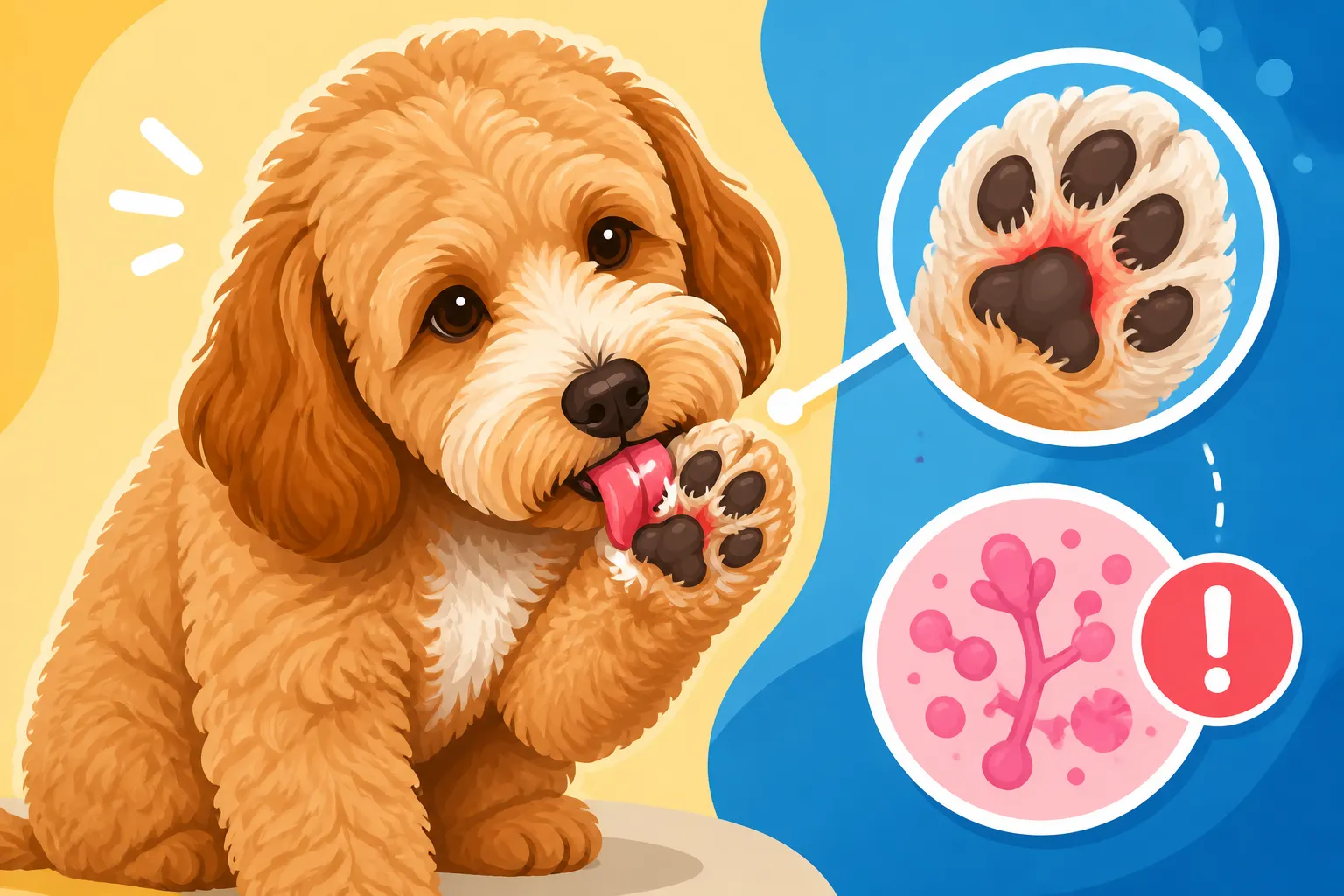
It’s a sight many Cockapoo owners know all too well: your sweet pup is relentlessly licking or chewing at their paws, often leaving behind red, irritated skin and sometimes, that distinctive, slightly yeasty "Frito feet" smell. This isn't just a minor annoyance; it’s a source of real discomfort for your beloved companion and a puzzle for you to solve. This guide will dive deep into why Cockapoos are prone to this frustrating behavior, how paw licking can lead to yeast infections, and most importantly, how you can help your furry friend find relief and maintain healthy paws.
Understanding Why Cockapoos Lick Their Paws So Much
When you see your Cockapoo constantly licking their paws, it's natural to assume they're just grooming themselves. However, excessive licking is almost always a sign that something deeper is going on. It's their way of telling you they're uncomfortable, itchy, or stressed.
The Role of Genetics: Cocker Spaniel and Poodle Traits
The Cockapoo, a delightful mix of a Cocker Spaniel and a Poodle, inherits a unique blend of traits – both wonderful and, at times, challenging. Unfortunately, both parent breeds bring a predisposition to certain issues that can manifest as paw licking.
American and English Cocker Spaniels are well-known for their sensitivities, particularly when it comes to allergies. They often suffer from environmental allergies (atopy) or food allergies that cause intense itching, which they frequently try to relieve by licking their paws, bellies, and ears. This means your Cockapoo might have inherited that tendency to react strongly to allergens like pollen, dust mites, or certain ingredients in their food. If your Cockapoo itches from the Cocker side, you might see similar patterns.
Poodles, on the other hand, often have quite sensitive skin. Their dense, curly coats can also trap moisture and debris more easily, creating a perfect storm for skin irritation if not meticulously cared for. This combination of an allergy-prone Cocker and a sensitive-skinned Poodle means Cockapoos can be incredibly susceptible to skin issues that lead to compulsive paw licking.
Common Environmental and Allergenic Triggers
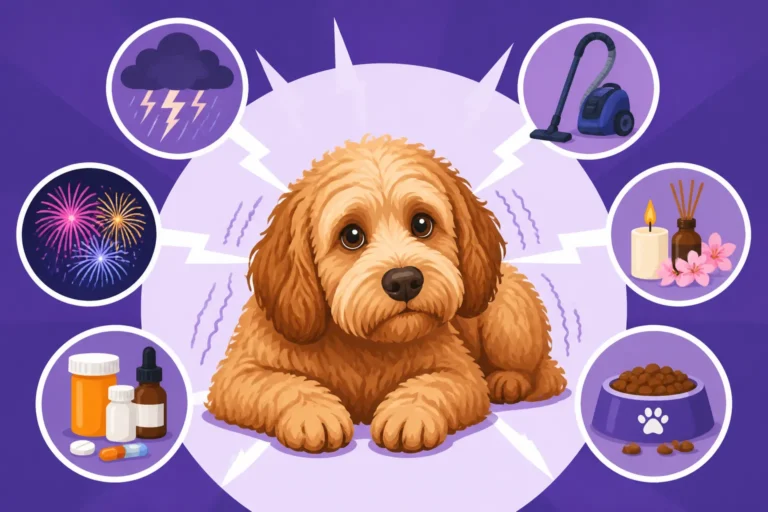
Beyond genetic predispositions, a whole host of environmental factors can kickstart a licking frenzy. Think about what your Cockapoo walks on every day. Grass, especially when treated with chemicals or full of seasonal pollens, can be a huge irritant. Dust mites lurking in your carpets and upholstery are another common culprit, causing an allergic reaction that manifests as itchy skin and paws. Many owners notice their dogs lick more after walks or during specific seasons, which points strongly to environmental allergens.
Even household cleaning products, laundry detergents, or certain types of flooring can irritate your dog's sensitive paw pads. It’s not uncommon for a Cockapoo to develop contact dermatitis from something as seemingly innocuous as a new carpet cleaner.
Food allergies or intolerances are also massive contributors. While less common than environmental allergies, they can cause chronic itching year-round, often showing up as paw licking, ear infections, and gastrointestinal upset. Pinpointing a food allergy can be a lengthy process involving elimination diets, but it's a vital step if other causes have been ruled out. If you suspect allergies, exploring whether allergy testing a Cockapoo is worth it can provide valuable insights.
Behavioral Causes: Anxiety, Boredom, Attention-Seeking
Sometimes, the licking isn't purely physical; it's emotional. Cockapoos are highly intelligent and often very attached to their families. This makes them susceptible to behavioral issues like separation anxiety or boredom if they're not getting enough physical exercise or mental stimulation.
A Cockapoo left alone for too long might start licking their paws as a self-soothing mechanism, similar to how a person might bite their nails. This can quickly become a compulsive habit, even when the initial stressor is gone. If your Cockapoo can't be left alone, or you notice the licking escalates when you're busy, it's worth considering if boredom or anxiety is playing a role. Providing interactive toys, regular walks, and dedicated playtime can make a huge difference. Sometimes, simply paying attention to them when they start licking can inadvertently reinforce the behavior, teaching them that licking gets them what they want – your attention.
It's a tricky balance, but understanding these underlying physical and emotional drivers is the first step toward finding a lasting solution for your Cockapoo's paw licking.
The Link Between Paw Licking and Yeast Infections
The phrase "licking yeast into its feet" is a common one, but it's a bit of a misnomer. Your Cockapoo isn't introducing yeast to their paws by licking. Instead, they are creating the perfect environment for yeast that naturally lives on their skin to multiply out of control. It's a subtle but important distinction.
How Moisture and Warmth Create a Breeding Ground
Let's talk about Malassezia pachydermatis, the most common culprit behind yeast infections in dogs. This yeast is a normal resident on your dog's skin, including their paws, ears, and skin folds. In small numbers, it causes no problems. However, yeast absolutely thrives in warm, moist, and dark conditions.
When your Cockapoo licks their paws incessantly, they are doing exactly that: introducing excessive moisture. Combine that with the warmth of their body, the furry environment between their paw pads, and the fact that paw pads don't always dry out quickly, and you've got an ideal incubator for Malassezia to proliferate.
Imagine a damp, warm sock left in a dark corner – that's essentially what your Cockapoo's perpetually licked paw becomes to yeast. This is why you often see yeast infections worsen in humid climates or after swimming, especially if the paws aren't thoroughly dried.
The Vicious Cycle: Licking Aggravates, Yeast Thrives
This isn't just a one-way street; it's a frustrating, self-perpetuating cycle. Your Cockapoo has an underlying itch (from allergies, irritation, or even anxiety), so they start licking their paws. The licking irritates the skin further, damages the natural skin barrier, and introduces moisture. This irritation and moisture create the perfect breeding ground for the Malassezia yeast to overgrow.
As the yeast population explodes, it releases byproducts that are incredibly irritating and itchy for your dog. So, what does your Cockapoo do? They lick more to try and relieve the intense itch, further aggravating the skin, trapping more moisture, and feeding the yeast. And just like that, you're stuck in a frustrating loop where your dog feels miserable, and the problem just keeps getting worse. It’s a classic example of how a simple itch can quickly spiral into a full-blown infection.
Recognizing the Signs of a Yeast Infection on Paws
So, how do you know if your Cockapoo’s paw licking has indeed led to a yeast infection? There are several tell-tale signs that are pretty hard to miss once you know what to look for.
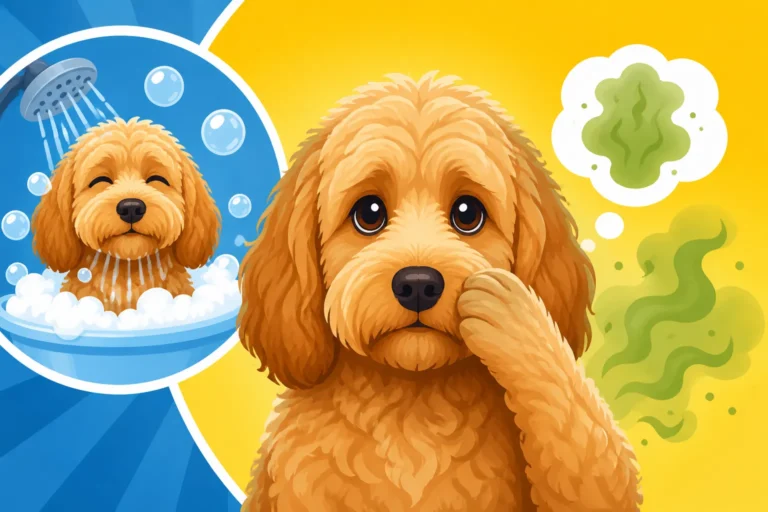
- "Frito Feet" Smell: This is perhaps the most distinctive symptom. A strong, cheesy, or corn-chip-like odor emanating from your dog's paws is almost always indicative of a yeast overgrowth. It’s due to the byproducts of the Malassezia yeast.
- Redness and Inflammation: The skin between the paw pads and toes will appear bright red, inflamed, and often swollen. It can look angry and sore.
- Greasy or Oily Skin/Fur: The fur on and around the affected paws might feel greasy or oily to the touch, and the skin beneath can also feel slick.
- Brownish or Rust-Colored Staining: You might notice a reddish-brown discoloration on your Cockapoo's light-colored fur around the paws. This isn't the yeast itself, but rather porphyrin staining, a pigment in the dog's saliva that becomes more noticeable when there's excessive licking.
- Thickened, Leathery Skin: In chronic, long-standing cases, the skin on the paw pads or between the toes can become thickened, hyperpigmented (darker), and feel somewhat leathery. This is called lichenification.
- Flaking or Scaling: While less common on paws, sometimes you might see flakes or scales, similar to dandruff, particularly if the yeast has spread to other areas.
If you observe any of these signs in conjunction with persistent paw licking, it’s a strong signal that your Cockapoo likely has a yeast infection and needs veterinary attention. Don't delay, as these infections can be very uncomfortable for your dog.
Breaking the Cycle: Strategies to Manage Paw Licking and Yeast
Dealing with paw licking and potential yeast infections requires a multi-faceted approach, tackling both the underlying causes and the infection itself. It's not usually a quick fix, but with patience and consistency, you can bring your Cockapoo relief.
Veterinary Diagnosis and Treatment Options
Your first and most crucial step should always be a visit to your veterinarian. They can accurately diagnose the problem and rule out other potential issues like bacterial infections, foreign objects (like a foxtail or thorn embedded in the paw), or even pain from an injury or [Arthritis in a Cockapoo at Eleven.
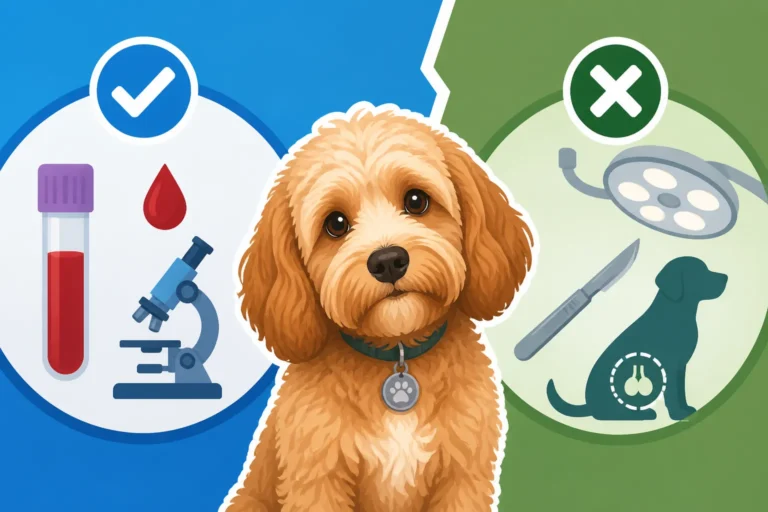
During the examination, your vet will likely perform a cytology, which involves taking a sample from the skin of the paw (often by pressing a piece of tape to the area) and examining it under a microscope. This allows them to identify yeast cells and often bacterial cells, confirming a diagnosis. They might also suggest allergy testing to get to the root of any allergic issues.
Once a yeast infection is confirmed, treatment usually involves:
- Antifungal Medications: Depending on the severity, your vet might prescribe oral antifungal medications (like ketoconazole, fluconazole, or terbinafine) to tackle the infection systemically. These are usually given for several weeks.
- Medicated Shampoos and Wipes: Topical treatments are essential. Shampoos containing ingredients like miconazole and chlorhexidine are highly effective at killing yeast and bacteria on the skin surface. You’ll typically need to bathe your Cockapoo’s paws (or their whole body if the infection is widespread) a couple of times a week, ensuring the shampoo has contact time on the skin (usually 10-15 minutes) before rinsing. Antifungal wipes or sprays can be used daily between baths for targeted treatment.
- Anti-Inflammatory Medications: If the paws are very red and inflamed, your vet might prescribe a short course of steroids or other anti-inflammatory medications to reduce discomfort and break the itching cycle, making it easier for the other treatments to work.
- Addressing Underlying Allergies: If allergies are suspected, your vet might recommend further diagnostics or treatment options like antihistamines, corticosteroids, Apoquel, or Cytopoint injections to manage the allergic response. Dietary changes might be explored if a food allergy is a possibility.
At-Home Care and Preventative Measures
While veterinary treatment is underway, there's a lot you can do at home to support your Cockapoo's recovery and prevent future flare-ups.
- Regular Paw Cleaning and Drying: This is paramount. After every walk, especially if it's been damp or through grassy areas, wipe your Cockapoo's paws thoroughly with a damp cloth or a pet-safe paw wipe. Pay special attention to drying between the paw pads and toes. A dedicated paw dryer or even a low-setting hairdryer can be very helpful. This removes allergens and prevents moisture buildup.
- Keeping Fur Trimmed: The dense fur between your Cockapoo's paw pads can trap moisture, debris, and allergens, creating an ideal environment for yeast. Regular trimming of this fur, either by you (carefully!) or a professional groomer, is incredibly important. This not only helps with hygiene but also allows air to circulate, keeping the area drier. This is part of the extensive grooming routine that contributes to The Yearly Grooming Total on a Cockapoo.
- Protective Paw Wear: If your Cockapoo is highly reactive to environmental triggers like grass or seasonal pollen, consider using dog booties during walks. This creates a physical barrier against allergens and irritants. Just remember to remove them promptly and ensure paws are clean and dry underneath.
- Hypoallergenic Products: Use only gentle, hypoallergenic shampoos and conditioners specifically designed for dogs. Avoid human products, which can strip natural oils and further irritate sensitive skin. If your Cockapoo's skin dries out from washing, talk to your vet about moisturizing options.
Addressing Underlying Issues: Allergy Management, Enrichment, Anxiety Reduction
Remember, yeast infections are often a secondary problem. To truly break the cycle, you need to address the primary cause of the licking.
- Allergy Management: This is a big one for many Cockapoos. If environmental allergies are the culprit, minimizing exposure is key. This could mean wiping paws, vacuuming regularly with a HEPA filter, washing bedding frequently, and considering air purifiers. For food allergies, working with your vet on an elimination diet is crucial. Long-term allergy management might involve daily medication, injections, or even immunotherapy.
- Environmental Enrichment: For Cockapoos prone to boredom or anxiety, boosting their environment can be a game-changer. Puzzle toys, KONGs stuffed with treats, scent games, and regular training sessions provide mental stimulation. A simple walk isn't always enough; these smart dogs need to use their brains! You could even consider fun activities like Scent Work That Satisfies a Cockapoo.
- Anxiety Reduction: If anxiety is the root cause, address it head-on. This might involve behavior modification techniques, creating a safe and predictable routine, using calming pheromone diffusers (like Adaptil), or in more severe cases, discussing anti-anxiety medication with your vet. Ensuring your Cockapoo isn't left alone for excessive periods can also reduce stress.
Long-Term Management and When to Seek Professional Help
Managing paw licking and yeast infections in a Cockapoo is often an ongoing journey rather than a one-time fix. Consistency, vigilance, and knowing when to call in the professionals are your best tools.
The Importance of Consistent Routine
Establishing a consistent routine is paramount for any Cockapoo owner, especially those dealing with chronic paw issues. This isn't just about managing symptoms; it's about proactively preventing them.
Your routine should include daily paw checks – a quick look and feel for any redness, swelling, or unusual odors. This allows you to catch issues early, before they escalate. Regular paw cleaning and thorough drying after outdoor activities should become a non-negotiable part of your dog's day. Grooming appointments are vital; ensure your groomer is aware of your Cockapoo's paw sensitivities and keeps the fur between their pads neatly trimmed. For some Cockapoos, this might be a task you learn to do at home between professional grooms to keep on top of it.
Adhering to any prescribed medication schedules, whether it's daily allergy meds or intermittent medicated baths, is also crucial. Skipping doses or cutting treatment short because symptoms improve can lead to quick relapses. And don't forget regular veterinary check-ups; these are essential for monitoring overall health and addressing any emerging issues, similar to [The Kidney and Eye Checks a Cockapoo Needs Yearly.
Monitoring for Recurrence and Complications
Even with the best routine, some Cockapoos are simply predisposed to sensitive paws and may experience flare-ups. It's vital to be a vigilant observer of your dog's behavior and physical condition. Keep an eye out for that familiar licking starting up again, or the return of the "Frito feet" smell.
If you notice the paw pads or skin becoming more inflamed, if the licking becomes compulsive and relentless, or if your dog seems to be in pain, it's time to contact your vet again. Don't try to self-diagnose or restart old medications without veterinary guidance, as symptoms can sometimes mask different problems, and treatments may need adjustment. Bacterial infections can sometimes occur alongside yeast, or even as a primary issue, requiring antibiotics.
Consider Pet Insurance for Chronic Conditions
Dealing with chronic conditions like recurring yeast infections and the underlying allergies can lead to significant veterinary bills over time. Diagnostic tests, specialized medications, medicated shampoos, and regular vet visits can all add up. For many owners, this financial burden can be a real stressor on top of worrying about their pet's health.
This is where pet insurance can be a real lifesaver. Companies like Healthy Paws offer coverage for accidents and illnesses, including chronic conditions. Having a good pet insurance policy in place means you can make decisions about your Cockapoo's care based on what's best for their health, rather than being limited by financial concerns. It provides peace of mind, knowing that if your Cockapoo's paw issues become a long-term battle, you'll have support for the ongoing costs. It's a pragmatic step for any Cockapoo owner facing health challenges that require consistent professional input.
Disclaimer
This article is for general informational purposes only and does not constitute professional advice. Laws, prices and regulations vary by location and change over time. Consult a qualified professional for guidance on your specific situation.