The Age Autoimmune Anemia Strikes a Cockapoo
It’s absolutely terrifying when your cheerful, bouncy Cockapoo suddenly seems to lose all their energy, becoming lethargic and just off. As pet parents, we immediately jump to the worst conclusions, and sometimes, those fears unfortunately align with serious conditions like autoimmune anemia. This guide is here to shed some light on when autoimmune anemia commonly strikes Cockapoos, what to watch for, and how to prepare for this challenging health issue.
Understanding Autoimmune Anemia in Cockapoos
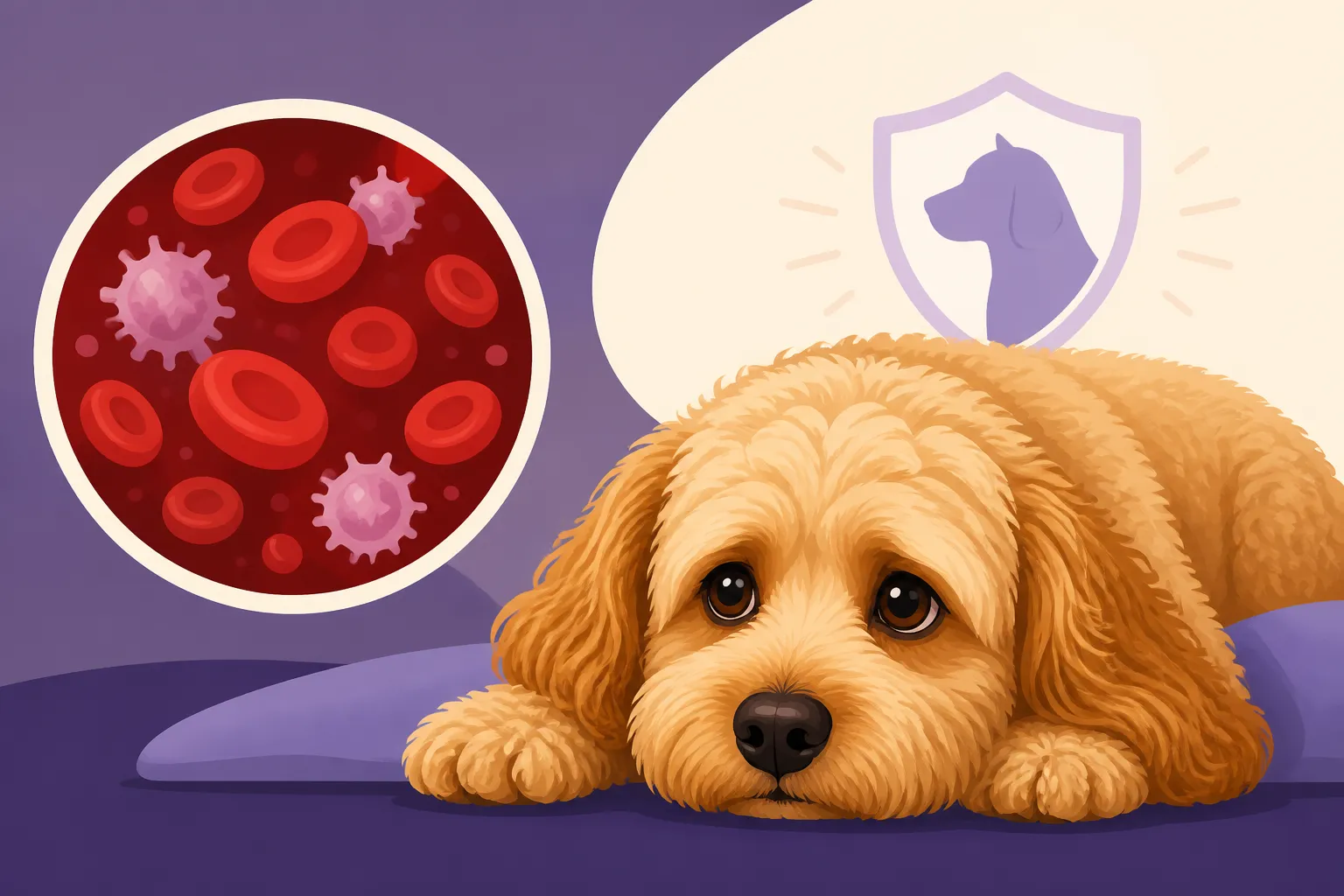
Autoimmune Hemolytic Anemia, often shortened to AIHA or IMHA (Immune-Mediated Hemolytic Anemia), is a really serious condition where a dog's own immune system mistakenly attacks and destroys its red blood cells. Think of it like your body's defense system suddenly deciding that its own soldiers (red blood cells) are the enemy. These red blood cells are crucial for carrying oxygen throughout the body, so when they’re destroyed, the dog becomes anemic – meaning they don’t have enough oxygen circulating. It's truly a frightening diagnosis for any pet owner.
There are two main types of AIHA: primary and secondary. Primary AIHA, which is the most common form, means there's no identifiable underlying cause for the immune system malfunction. It just happens. Secondary AIHA, on the other hand, can be triggered by something else, like certain medications, toxins, infections, or even cancer. In Cockapoos, we often worry about the primary form because both parent breeds, the Cocker Spaniel and the Poodle, have a known genetic predisposition to immune-mediated diseases. This inherited vulnerability means that your lovely Cockapoo has a higher chance of developing these kinds of conditions, making it even more important to be aware. You might also hear about A Cockapoo's Autoimmune Anemia and the Cocker Line highlighting this specific genetic link.
The frustrating thing about autoimmune diseases is their unpredictable nature. One day your dog is perfectly fine, romping around with all the joy you expect from a Cockapoo, and the next they could be showing signs of serious illness. The sudden onset of severe lethargy or weakness can be incredibly alarming and demands immediate veterinary attention. These conditions can progress rapidly, and early intervention is often key to a more positive outcome.
The Typical Age Range for AIHA Onset
While autoimmune anemia can, in theory, affect a Cockapoo at any age, veterinary experts often observe a peak incidence in middle-aged dogs. This generally falls within the range of 2 to 8 years old. However, it's really important to stress that this is just a statistical tendency, not a hard and fast rule. You absolutely could see a younger Cockapoo develop AIHA, or an older one well past their eighth birthday.
The Cocker Spaniel, one of the foundational breeds for the Cockapoo, is particularly overrepresented in cases of AIHA, making the genetic risk a significant concern for our beloved doodles. Poodles also have a propensity for certain autoimmune conditions, though perhaps not as strongly for AIHA itself, but the combination means a heightened awareness is always prudent for Cockapoo owners. This overlap in genetic predispositions means that breeders need to be incredibly diligent in their health screening, not just for parents but understanding the wider health history of their lines.
Why this particular age range? It’s not fully understood, but it's often theorized that it’s when a dog's immune system is fully mature and active, but before the natural decline of old age might mask or complicate diagnoses. It’s a period where the immune system is robust enough to mount a strong (albeit misguided) attack. For us owners, this means that the vibrant, active years of our Cockapoo are precisely when we need to be most vigilant for subtle changes that could signal trouble. It’s easy to dismiss a little tiredness in a young dog, but knowing this age predisposition can help us take those early signs much more seriously.
Recognizing the Warning Signs, Regardless of Age
Given that AIHA can strike at varying ages, staying alert to the clinical signs is paramount. It’s not always a sudden collapse, though The Sudden Collapse That Means a Cockapoo Is Anemic is a real and terrifying possibility. Often, it begins with more subtle indicators that can be easily overlooked or attributed to other things.
Here's what you absolutely need to watch out for:
- Lethargy and Weakness: This is probably the most common first sign. Your normally energetic Cockapoo might be less interested in walks, playing, or even getting up to greet you. They might seem tired all the time, preferring to lie down.
- Pale Gums: This is a critical indicator. Gently lift your dog's lip and look at their gums. Healthy gums should be a salmon pink color. If they are pale pink, almost white, this is a strong sign of anemia and requires immediate veterinary attention.
- Yellowing of Skin or Eyes (Jaundice): If the destruction of red blood cells is severe, bilirubin can build up in the body, leading to a yellowish tinge to the skin (especially noticeable on the belly) or the whites of the eyes. This indicates a very advanced stage of the disease.
- Dark Urine: As red blood cells are destroyed, hemoglobin can be released and excreted in the urine, making it appear dark orange, brown, or even reddish.
- Increased Heart Rate or Rapid Breathing: The body tries to compensate for the lack of oxygen by making the heart pump faster and the lungs work harder. You might notice your dog panting more than usual, even when at rest, or their heart beating noticeably fast.
- Loss of Appetite: An anemic dog often feels unwell and may refuse food, leading to weight loss over time if not addressed.
- Vomiting or Diarrhea: Gastrointestinal upset can also accompany AIHA, further contributing to a dog feeling poorly and becoming dehydrated.
If you observe any combination of these signs, especially pale gums, do not wait. This is an emergency. Getting your Cockapoo to an emergency vet clinic as quickly as possible could make a significant difference in their prognosis. The progression of AIHA can be incredibly rapid, and what seems like mild lethargy one day can escalate to a life-threatening crisis within hours. Regular wellness checks are invaluable, as your vet might pick up on subtle changes in bloodwork or physical exam findings before obvious symptoms emerge. It underscores the importance of The Kidney and Eye Checks a Cockapoo Needs Yearly, as comprehensive health checks can sometimes catch broader issues.
Genetic Predisposition and Proactive Measures
The strong genetic component from both the Cocker Spaniel and Poodle sides of the Cockapoo lineage means that some individuals are simply more predisposed to autoimmune diseases like AIHA. While there isn't a specific DNA test for AIHA itself, understanding the genetic landscape for related immune conditions is vital. We know that Cocker Spaniels have a higher incidence of AIHA, and Poodles are prone to other autoimmune issues like Addison's Disease, which is why A Cockapoo's Addison's and the Poodle Line is another important area of concern.
Responsible breeders play a crucial role here. While they can't eliminate all risk, they should be transparent about the health history of their breeding lines, not just for AIHA but for other autoimmune conditions that might indicate a general predisposition. Asking about cases of autoimmune disease in a puppy’s ancestors can give you a better idea of potential risks. However, even with the most careful breeding, these things can still arise.
Since we can't completely prevent primary AIHA, the focus shifts to minimizing triggers and being prepared. Here are some proactive measures:
- Veterinary Oversight: Regular check-ups are non-negotiable. Your vet can monitor your Cockapoo’s overall health, track blood values over time, and advise on appropriate vaccination protocols. While vaccinations are essential, some vets might discuss tailoring schedules for dogs at higher risk of immune-mediated conditions to avoid over-stimulating the immune system unnecessarily, though this is a complex discussion to have with your veterinarian.
- Minimizing Stress: Chronic stress can impact the immune system. Providing a stable, loving environment, consistent routines, and adequate mental and physical exercise can contribute to your dog's overall well-being.
- Diet and Lifestyle: A balanced, high-quality diet appropriate for your Cockapoo’s age and activity level is fundamental. While specific diets aren't a cure, good nutrition supports overall immune function. Avoiding exposure to known toxins or unnecessary medications can also be beneficial.
- Prompt Treatment of Infections: Any infection, no matter how minor it seems, can put a strain on the immune system and potentially trigger an immune response. Prompt veterinary care for infections can prevent them from escalating and potentially impacting immune health.
Being financially prepared for a health crisis like AIHA is also incredibly important. Treatment for autoimmune anemia is intensive and can be very expensive, involving hospitalization, blood transfusions, immunosuppressive medications, and ongoing monitoring. Many owners find that pet insurance, such as a comprehensive policy from Healthy Paws, is a lifesaver in these situations. Knowing you have support for vet bills, which can easily climb into the thousands for a severe AIHA episode, takes a huge burden off during an already stressful time. Considering What Insuring a Cockapoo Runs Monthly is a worthwhile exercise for any Cockapoo owner.
Here's a comparison table to help visualize the typical onset age for AIHA against some other common Cockapoo health concerns:
| Health Condition | Typical Age of Onset (Approximate) | Key Symptoms to Watch For | Genetic Link from Parent Breeds? |
|---|---|---|---|
| Autoimmune Hemolytic Anemia (AIHA) | 2 – 8 years (can be any age) | Lethargy, pale gums, dark urine, jaundice, rapid breathing, weakness, loss of appetite. | Yes (Cocker Spaniel, Poodle) |
| Progressive Retinal Atrophy (PRA) | 3 – 6 years (depends on type) | Night blindness progressing to total blindness, dilated pupils. | Yes (Poodle, Cocker Spaniel) |
| Familial Nephropathy (FN) | 6 months – 2 years | Increased thirst/urination, poor appetite, weight loss, vomiting, lethargy. | Yes (Cocker Spaniel) |
| Patellar Luxation (Slipping Kneecaps) | Puppyhood – 2 years | Intermittent skipping, limping, reluctance to jump. | Yes (Toy Poodle, Cocker Spaniel) |
| Hypothyroidism | 4 – 10 years | Lethargy, weight gain, hair loss, skin issues, cold intolerance. | Yes (Poodle, Cocker Spaniel) |
| Addison's Disease | 2 – 6 years | Lethargy, vomiting, diarrhea, weakness, lack of appetite, shaking. | Yes (Poodle) |
It’s easy to feel overwhelmed by the thought of these conditions, but knowledge truly is power. By understanding when AIHA typically strikes and what to look for, you're better equipped to advocate for your Cockapoo's health. Early detection and aggressive treatment are vital for managing this challenging disease. Remember, your vet is your best partner in navigating your Cockapoo's health journey. And having a good pet insurance plan from providers like Healthy Paws can truly help you focus on care rather than crushing financial worries.
Disclaimer
This article is for general informational purposes only and does not constitute professional advice. Laws, prices and regulations vary by location and change over time. Consult a qualified professional for guidance on your specific situation.