The Patella Grade at Which a Cockapoo Is Operated
It’s truly disheartening when your beloved Cockapoo starts showing signs of discomfort or a strange hitch in their step. Many owners worry about their little one’s knees, especially given how active and playful Cockapoos tend to be. This guide is here to walk you through understanding patellar luxation, the different grades, and most importantly, when a veterinarian might recommend surgery to bring your furry friend relief and improve their long-term well-being.
Understanding Patellar Luxation in Cockapoos
When you hear the term "patellar luxation," it might sound intimidating, but it essentially refers to a kneecap (patella) that slips out of its normal groove in the thigh bone (femur). It's a condition commonly seen in smaller dog breeds, and given the Poodle and Cocker Spaniel heritage of our charming Cockapoos, it's something many owners become familiar with.
What Exactly is Patellar Luxation in a Cockapoo?
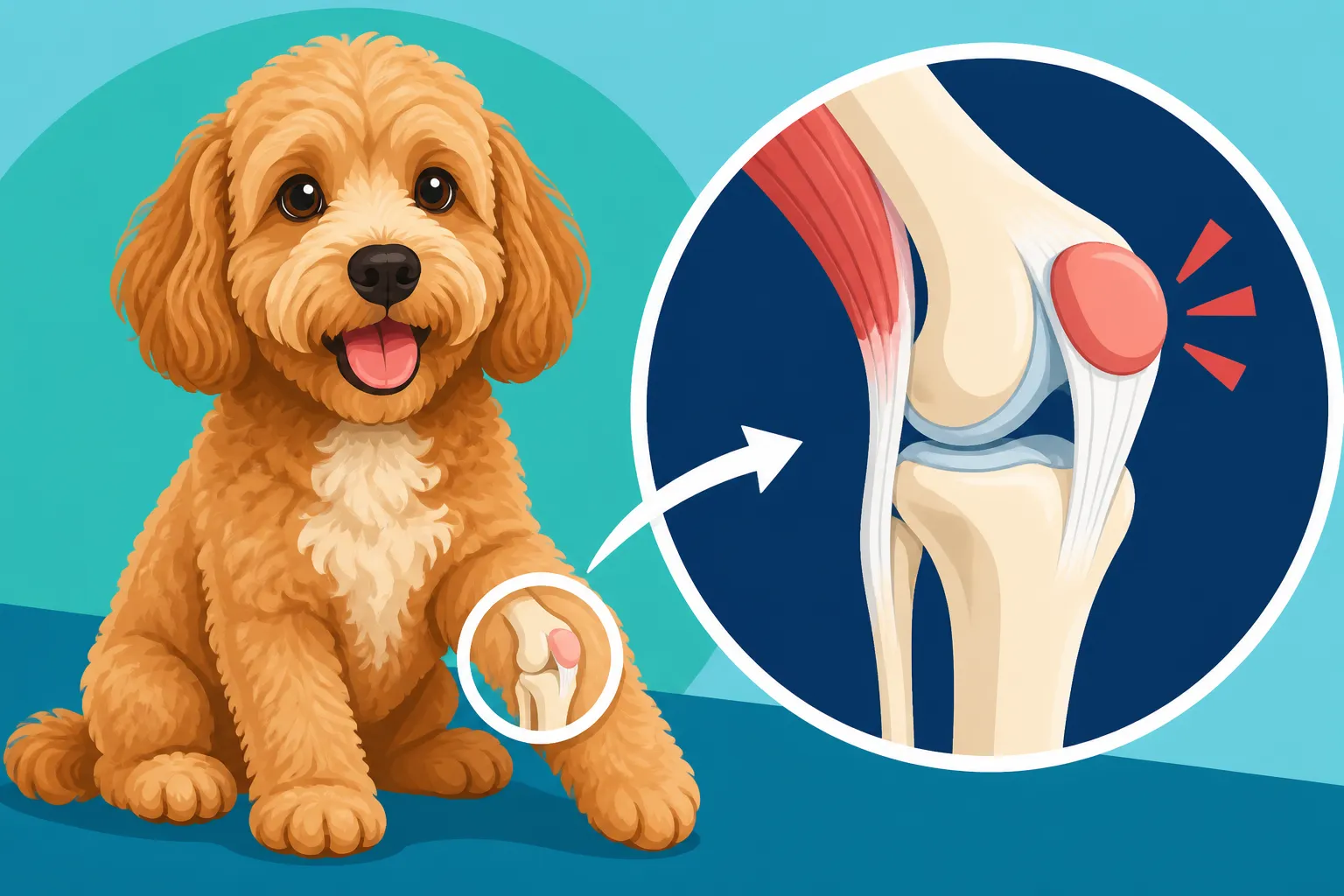
Imagine your knee joint: the kneecap normally glides smoothly in a V-shaped groove at the end of your thigh bone. In dogs with patellar luxation, this kneecap, for various reasons, pops out of that groove. This "luxation" can happen either to the inside of the leg (medial luxation, which is more common in small breeds) or to the outside (lateral luxation). When it pops out, it can cause pain, instability, and an inability to properly bear weight on the leg.
The mechanics behind it are usually a combination of factors. The groove itself might be too shallow, or the attachment point of the patellar ligament (the band that connects the kneecap to the shin bone) might be misaligned, pulling the kneecap to one side. Over time, this constant slipping can lead to wear and tear, cartilage damage, and even early onset arthritis, which can be particularly painful for your otherwise spry companion.
The Genetic Linkage to Slipping Kneecaps in a Toy Cockapoo
It’s a tough truth that genetics play a significant role in patellar luxation. Both Cocker Spaniels and Poodles, the parent breeds of the Cockapoo, are known to have a predisposition to this condition. This means that if a Cockapoo inherits certain genes from either or both parents, they are at a higher risk of developing slipping kneecaps. This is especially true for the smaller varieties, leading many owners to ask, "whether a Toy Cockapoo's knees go first."
Reputable breeders understand this hereditary component and often screen their breeding dogs for patellar luxation, providing health certificates to prospective puppy owners. While not all cases are preventable through breeding, responsible practices can significantly reduce the incidence. Understanding this genetic link helps us appreciate why some Cockapoos seem more prone to this issue than others and underscores the importance of choosing a breeder who prioritizes health testing.
The Patella Grading System Explained
Veterinarians use a standardized grading system to assess the severity of patellar luxation. This system ranges from Grade 0 (normal) to Grade 4 (most severe). It helps them communicate the condition's status, track its progression, and guide treatment recommendations. It's not just about what you see; it's about what the vet feels and observes during a physical examination.
Grade 0 and Grade 1 Patellar Luxation: Often Just Observation
Grade 0: Normal
This is the ideal scenario – your Cockapoo’s kneecap sits perfectly in its groove and never slips out. There’s no lameness or discomfort, and the joint feels stable during examination. While we always hope for a Grade 0, it's not uncommon for a Cockapoo to develop mild issues later in life, so regular check-ups are still important.
Grade 1: Mild Luxation
With Grade 1, the kneecap can be manually luxated (pushed out of its groove) by a veterinarian, but it will spontaneously return to its normal position once released. Sometimes, it might slip out on its own, especially if your Cockapoo makes a sudden turn or jumps, but it quickly pops back in. You might occasionally notice "the skip that means a Cockapoo's knee has slipped"—a momentary lift of the leg, a quick hop, and then they're fine again. Many Cockapoos with Grade 1 luxation never show signs of pain or lameness and live a full, active life without needing surgery. Management typically involves monitoring, maintaining a healthy weight, and sometimes joint supplements.
Grade 2 Patellar Luxation: The "Sometimes Out, Sometimes In" Knee
When a Cockapoo has Grade 2 patellar luxation, the kneecap still slips out of its groove, but it doesn't always return on its own. It might require your dog to flex or extend their knee, or sometimes even a gentle nudge from you, to get it back into place. You'll likely see the "skip" much more frequently, and it might last a bit longer. Your Cockapoo might hold their leg up for a few steps before putting weight back on it.
This is often the tricky grade where the decision for surgery becomes more nuanced. Many Cockapoos with Grade 2 luxation can still lead a relatively normal life, especially with careful management. However, the repeated slipping can cause gradual erosion of the cartilage, leading to pain and the development of arthritis over time. If your Cockapoo is showing consistent pain, significant lameness, or a reduced quality of life, even with conservative management, surgery might be seriously considered to prevent further damage and alleviate discomfort. It's a conversation you'll have in depth with your vet.
Grade 3 and Grade 4 Patellar Luxation: When the Knee is Consistently Out of Place
These are the more severe forms of patellar luxation, and they typically warrant a different approach.
Grade 3: Persistent Luxation
In Grade 3, the kneecap is out of its groove most of the time. While a vet might be able to manually push it back into place, it will luxate again almost immediately. Cockapoos with Grade 3 luxation often exhibit a consistent limp or a "bow-legged" appearance if both kneecaps are affected. They might have difficulty fully extending their leg, and the constant displacement can lead to significant pain, muscle atrophy, and severe secondary arthritis. Daily activities like running, jumping, or even just walking can be quite challenging and uncomfortable for them. At this stage, surgical intervention is almost always recommended to improve their quality of life and prevent irreversible joint damage.
Grade 4: Permanent Luxation
This is the most severe grade, where the kneecap is permanently luxated and cannot be manually put back into its groove. The groove itself is often absent or extremely shallow, and the entire structure of the limb is severely deformed. Cockapoos with Grade 4 luxation are usually in chronic pain and experience significant lameness, often unable to bear weight on the affected leg at all. Their gait is severely compromised, and they might walk with a crouched or severely abnormal posture. Due to the irreversible structural changes and constant discomfort, surgery is highly recommended and often complex, aiming to reconstruct the joint as much as possible to provide stability and reduce pain.
Factors Influencing the Decision for Surgery
While the patella grade provides a crucial baseline, it's rarely the only factor a veterinarian considers when recommending surgery for your Cockapoo. It's a holistic decision, taking into account many aspects of your dog's life and health.
Beyond the Grade: Symptoms and Quality of Life
The most significant factor, often even more so than the numerical grade, is your Cockapoo's actual clinical signs and overall quality of life. A dog with a Grade 2 luxation who is constantly limping, yelping in pain, reluctant to play, or struggles to get up and down stairs is a much stronger candidate for surgery than a Grade 3 dog who, perhaps unusually, is still managing relatively well with minimal discomfort.
Veterinarians will carefully observe your Cockapoo's gait, look for signs of pain when manipulating the joint, and assess how their mobility impacts their daily routines. Are they struggling to enjoy their walks? Have they stopped jumping on the couch? Is their personality changing due to chronic pain? These are critical questions. If conservative measures like pain medication, anti-inflammatory drugs, and physical therapy are no longer providing adequate relief, and your Cockapoo is showing clear signs of persistent discomfort and reduced activity, then surgery becomes a much more compelling option. The goal is always to restore comfort and function, allowing your Cockapoo to be their happy, playful self again.
Age, Size, and Overall Health of Your Cockapoo
Your Cockapoo's age also plays a role in surgical decisions. Younger puppies with higher-grade luxations might be good candidates for early intervention to prevent more severe deformities as they grow. However, surgery on a very young puppy can sometimes impact growth plates, so timing is carefully considered. For older Cockapoos, especially those "arthritis in a Cockapoo at eleven" years old, the presence of other health conditions might influence the decision. General anesthesia carries risks, and if your senior Cockapoo has heart murmurs or kidney issues, the benefits of surgery must be carefully weighed against those risks.
The size of your Cockapoo also matters. While smaller Cockapoos are more prone to patellar luxation, the surgical techniques are generally well-established for them. However, if a maxi Cockapoo or a particularly heavy Cockapoo tears a knee ligament due to the instability caused by luxation, the stress on the joint post-surgery might be greater, requiring more intensive rehabilitation. Your vet will conduct a thorough pre-surgical workup, including blood tests and possibly chest X-rays, to ensure your Cockapoo is healthy enough for the procedure.
The Importance of Your Veterinarian's Assessment
Ultimately, the recommendation for surgery will come from your trusted veterinarian, possibly in consultation with an orthopedic specialist. They will perform a comprehensive physical examination, meticulously feeling the knee joint and observing your Cockapoo's movement. They'll assess the "feel" of the kneecap, how easily it luxates, and how readily it reduces.
Often, X-rays are taken to evaluate the bony structures, including the depth of the trochlear groove, any rotation of the tibia (shin bone), and signs of arthritis. These imaging studies provide crucial information that helps the surgeon plan the most appropriate surgical approach. Don't hesitate to ask questions and seek a second opinion if you're feeling uncertain. A good vet will take the time to explain the findings, discuss all available options—both surgical and non-surgical—and help you make an informed decision that's best for your Cockapoo.
Surgical Options and Post-Operative Care
Once the decision for surgery is made, it's natural to feel a mix of apprehension and hope. Understanding what the procedure involves and what to expect during recovery can help ease your mind.
Common Surgical Techniques for Patellar Luxation
The goal of surgery is to stabilize the kneecap and prevent it from slipping out again. There are several common techniques, often used in combination, depending on the specifics of your Cockapoo's anatomy:
- Trochlear Deepening (Sulcoplasty): This involves making the V-shaped groove in the femur deeper so the kneecap has a more secure channel to glide in. There are a couple of ways to do this, such as wedge recession (removing a wedge of bone, deepening the groove, and then replacing the wedge) or chondroplasty (for young dogs, scoring the cartilage to allow it to reform deeper).
- Tibial Crest Transposition: If the attachment point of the patellar ligament on the tibia (shin bone) is out of alignment, it pulls the kneecap to the side. This procedure involves detaching a small section of the tibial crest (where the ligament attaches), moving it to a more appropriate position, and then reattaching it with pins. This corrects the pull on the kneecap.
- Soft Tissue Release or Tightening: Sometimes, the soft tissues around the knee joint are either too tight on one side or too loose on the other, contributing to the luxation. The surgeon might release tight tissues or tighten loose ones (e.g., imbrication of the joint capsule) to help balance the forces acting on the kneecap.
Often, a combination of these techniques is used to achieve the best stability. Your orthopedic surgeon will determine the precise combination needed for your Cockapoo's individual case.
Navigating Recovery and Rehabilitation
Post-operative care is just as critical as the surgery itself for a successful outcome. Your Cockapoo will typically need strict rest and restricted activity for several weeks. This usually means no jumping, running, or strenuous play. Leash walks for potty breaks will be short and controlled. Pain management is crucial during this period, and your vet will prescribe appropriate medications.
Physical therapy, or rehabilitation, often begins after the initial healing period. This might include gentle range-of-motion exercises, passive flexion and extension, and controlled walking. As your Cockapoo progresses, exercises to build muscle strength around the knee will be introduced. It’s a commitment, but consistent rehabilitation greatly improves the long-term prognosis, helping to restore full function and prevent muscle atrophy. Most Cockapoos make a fantastic recovery and are able to return to their normal, active lives, enjoying "the miles a Cockapoo wants every day."
Prevention and Management Without Surgery
For Cockapoos with lower-grade luxation or those recovering from surgery, proactive management is key to maintaining joint health and comfort.
Maintaining Ideal Weight and Muscle Tone
One of the most impactful things you can do for your Cockapoo's joints, especially if they have patellar luxation, is to keep them at a healthy weight. Extra pounds put significantly more stress on the knee joints, exacerbating any existing instability and accelerating the development of arthritis. Work with your veterinarian to determine your Cockapoo's ideal weight and ensure their diet and exercise regimen support it.
Beyond weight, good muscle tone is vital. Strong thigh muscles help to stabilize the kneecap and support the joint. Regular, controlled exercise, like consistent walks on a leash rather than uncontrolled jumping and sprinting, can help build and maintain this muscle. Avoid activities that involve sharp turns or high-impact landings, which can cause the kneecap to slip. Think about activities that encourage straight-line movement and gentle strength building.
Supportive Care and Supplements
While supplements aren't a magic bullet, they can play a supportive role in joint health. Many Cockapoo owners find that "whether Glucosamine helps a Cockapoo" is a common question, and indeed, supplements containing glucosamine, chondroitin, and MSM are often recommended. These ingredients are believed to support cartilage health and reduce inflammation. Omega-3 fatty acids, like those found in fish oil, also have anti-inflammatory properties that can be beneficial.
Always discuss any supplements with your veterinarian before adding them to your Cockapoo's routine to ensure they are appropriate and won't interact with any other medications. Creating a joint-friendly environment at home can also make a big difference. This includes providing comfortable, orthopedic beds, using ramps or steps for access to furniture, and ensuring good traction on slippery floors with rugs or mats.
Cost and Insurance Considerations
Dealing with a health issue like patellar luxation inevitably brings up questions about costs. It's an important part of making informed decisions for your Cockapoo.
Understanding the Financial Aspect of Patella Surgery
The cost of patella surgery can vary significantly depending on your geographical location, the severity of the luxation, the specific surgical techniques required, and whether you see a general practitioner or an orthopedic specialist. Generally, you can expect the full cost to include:
- Pre-surgical diagnostics: This often includes a physical exam, blood work, and X-rays.
- The surgery itself: This is the bulk of the cost, covering anesthesia, surgical time, materials, and facility fees.
- Post-operative care: Medications (pain relief, anti-inflammatories), follow-up vet visits, and potentially rehabilitation sessions.
Many owners find that "what Patella surgery costs on a Cockapoo" can range anywhere from $1,500 to $5,000 or even more per knee. If both knees require surgery, these costs will, of course, double, though sometimes discounts are offered for simultaneous procedures. It's a substantial investment, but one that significantly improves your Cockapoo's quality of life. Without addressing these issues, "what an untested Cockapoo costs you in year two" (and beyond) could be much higher in chronic pain management and lost mobility.
How Pet Insurance Can Help
This is where pet insurance can be a real lifesaver. Many owners, ourselves included, have faced unexpected vet bills that can be financially staggering. Pet insurance providers, such as Healthy Paws, offer various plans that can cover a significant portion of unexpected veterinary expenses, including surgeries for conditions like patellar luxation.
However, it's crucial to understand that pet insurance typically operates on an "unexpected" basis. This means that if your Cockapoo already has a diagnosed case of patellar luxation before you enroll in a policy, it will likely be considered a pre-existing condition and therefore won't be covered. This highlights the importance of enrolling in pet insurance when your Cockapoo is young and healthy, ideally before any signs of such conditions appear. Always read the policy details carefully and ask about coverage for hereditary and congenital conditions. A good policy can provide immense peace of mind, knowing that you can make medical decisions based on what's best for your Cockapoo, not solely on your wallet.
Disclaimer
This article is intended for informational purposes only and does not constitute veterinary advice. Always consult with a qualified veterinarian for any health concerns or before making any decisions about your Cockapoo's care, diet, or treatment. Medical situations are unique, and a professional veterinary assessment is essential.