The Gait That Gives Away a Cockapoo’s Bad Hips
It’s a heart-stopping moment for any Cockapoo parent: you’re watching your beloved furry friend play, run, or simply walk across the room, and suddenly, you notice something isn’t quite right. A subtle hitch in their step, an unusual sway, or a hesitation where there once was joyful exuberance. This unsettling observation can immediately lead to worry about their joints, especially the hips. This guide aims to demystify those concerning changes in your Cockapoo's movement, helping you understand the tell-tale gaits that might signal underlying hip issues.
Understanding Hip Dysplasia in Cockapoos
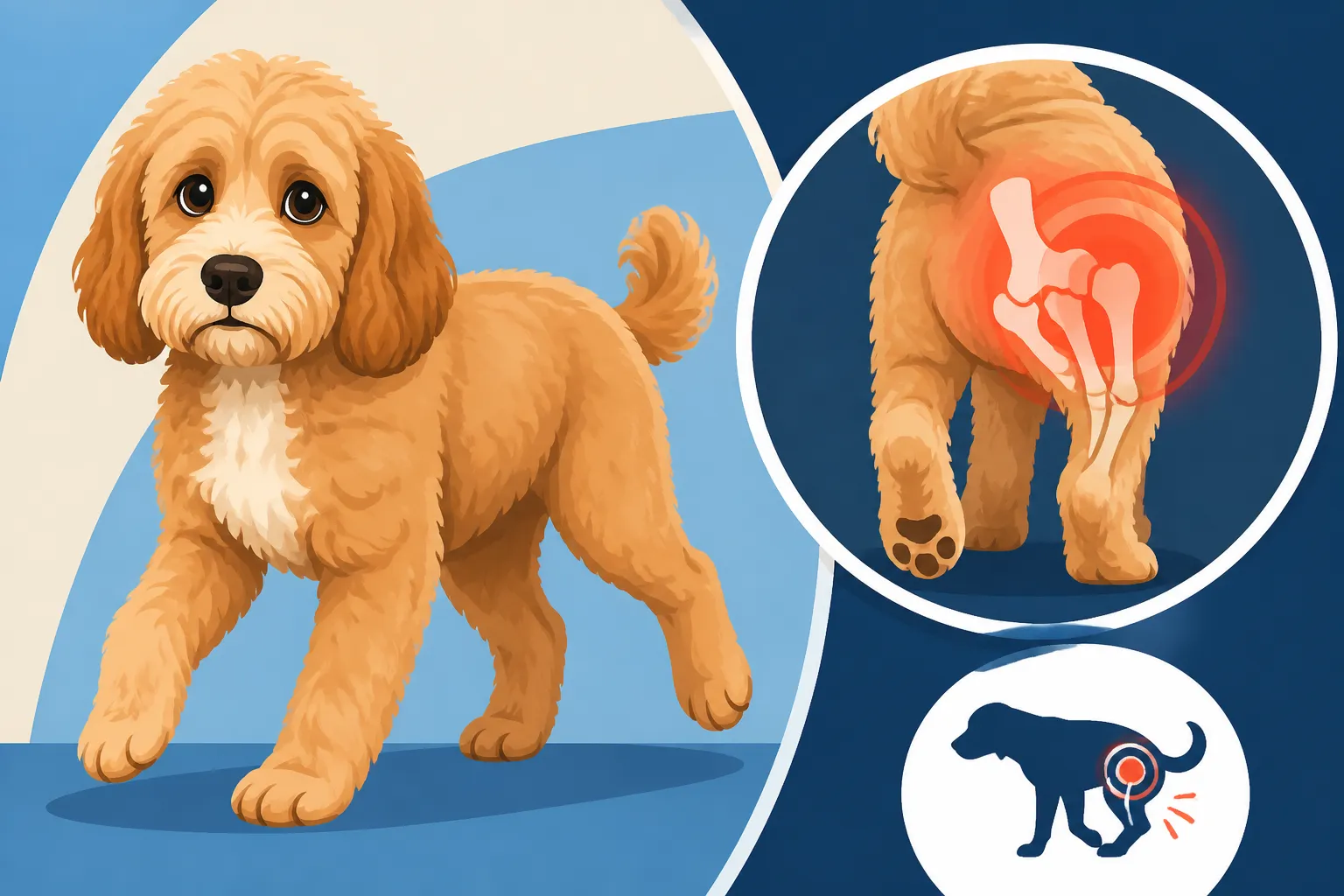
Hip dysplasia is a condition that sounds incredibly daunting, and for good reason. It’s a genetic skeletal condition where the ball and socket joint of the hip doesn't fit together perfectly. Instead of gliding smoothly, the components grind and rub, which can lead to deterioration over time, pain, and loss of function. For Cockapoo owners, understanding this condition is vital because while they are generally robust, they can still inherit predispositions from their parent breeds, the Cocker Spaniel and the Poodle.
The Genetics Behind the Wobble
Hip dysplasia isn't something a dog "catches"; it's something they're born with a genetic predisposition for. It's a polygenic trait, meaning multiple genes are involved, making its inheritance pattern complex. Both parent breeds, the Cocker Spaniel and the Poodle, are known to have varying rates of hip dysplasia, with larger Poodles and certain Cocker Spaniel lines sometimes showing higher prevalence. When these breeds are crossed to create the delightful Cockapoo, the potential for inheriting these genes remains. A responsible breeder will conduct genetic screenings, including hip evaluations, on their breeding dogs to minimize the risk of passing on these problematic genes. This is why asking a Cockapoo breeder for the FN certificate, and other health clearances, is so crucial.
It's a common misconception that because Cockapoos are a mixed breed, they automatically benefit from "hybrid vigor" and are immune to such conditions. While hybrid vigor can sometimes reduce the incidence of certain diseases, it doesn't offer a complete shield against inherited conditions like hip dysplasia if the parent lines carry the genes. The actual genetic makeup of the individual Cockapoo determines its susceptibility. Think of it like a roll of the dice, but a careful breeder tries to load the dice in your favor by only breeding dogs with excellent hip scores.
Why Cockapoos Are Susceptible
Cockapoos, being a mix of two breeds, inherit a blend of their physical characteristics and genetic predispositions. American Cocker Spaniels, while smaller, can still be affected, and Poodles, especially Standard Poodles, are well-documented for hip dysplasia. Even Miniature Poodles, often used in Cockapoo breeding, can carry the genes. This means that a Cockapoo, regardless of its size—be it a tiny Toy Cockapoo or a larger Maxi Cockapoo—can potentially develop hip dysplasia. The severity can range from mild, almost unnoticeable laxity, to severe malformation causing significant pain and lameness.
Environmental factors also play a role in how hip dysplasia manifests. Rapid growth in puppies, excessive weight, and even certain types of strenuous exercise before joints are fully developed can exacerbate an underlying genetic predisposition. It's a tricky balance, as you want your Cockapoo puppy to be active and healthy, but you also need to protect their developing joints. This includes avoiding excessive jumping, long runs on hard surfaces, and preventing them from becoming overweight, especially during their crucial growth phases. Understanding The Age a Cockapoo Can Be Hip Scored helps set realistic expectations for early screening.
Subtle Signs of Hip Issues in Your Cockapoo's Gait
Often, hip dysplasia doesn't announce itself with a sudden, dramatic limp. Instead, it creeps in subtly, making it incredibly challenging for even the most observant owner to spot. You might dismiss early signs as a quirk, a clumsy moment, or just a dog being a dog. However, being attuned to these nuanced changes can make all the difference in early intervention and managing your Cockapoo's comfort.
The "Bunny Hop" and Its Nuances
One of the most classic, yet often overlooked, early indicators of hip discomfort in a Cockapoo is the "bunny hop." Instead of extending their hind legs independently when they run or go upstairs, they’ll bring both hind legs forward simultaneously, much like a rabbit. It's a compensatory mechanism to avoid the pain of full extension or flexion in one hip. You might notice it more acutely when they're bursting with excitement, chasing a ball across the yard, or tackling a flight of stairs.
This isn't always a constant behavior; sometimes, it only appears when they’re particularly tired, over-exerted, or after a long period of rest. Don't dismiss it if it's intermittent. A Cockapoo might "bunny hop" for years before other, more overt signs appear. Pay close attention during zoomies or when they’re navigating inclines. If you see this pattern, even occasionally, it's a good reason to bring it up with your veterinarian during their next check-up, perhaps even filming it with your phone to show them.
Difficulty with Everyday Movements
Beyond the bunny hop, hip issues can manifest in seemingly minor struggles with routine activities. Does your Cockapoo hesitate before jumping onto the sofa, a feat they once managed effortlessly? Do they struggle to get into the car? Perhaps you notice them taking longer to lie down or stand up, shifting their weight awkwardly as if trying to find a comfortable position. These small hesitations can be big clues.
You might also observe a reluctance to engage in activities they once loved. A Cockapoo known for its zest for fetch might suddenly become less enthusiastic, stopping sooner or seeming less coordinated when retrieving. They might even avoid playing altogether, preferring to lie down and watch rather than participate. These changes often point to discomfort that discourages movement, which can be heartbreaking to witness in such a typically playful breed.
Changes in Play and Energy Levels
A happy Cockapoo is usually an active Cockapoo, eager for walks, playtime, and adventures. If you start to notice a general decrease in their overall energy levels, particularly during physical activity, it could be a sign of hip pain. They might tire more easily on walks, fall behind, or simply not have the same spring in their step. It's easy to attribute this to age, especially if they are getting on in years, but even younger Cockapoos can show these signs if hip dysplasia is developing.
Furthermore, you might observe altered play behaviors. Instead of rough-and-tumble wrestling with other dogs, your Cockapoo might prefer calmer interactions, or even become irritable if another dog bumps into their hindquarters. They might also become less coordinated, perhaps tripping over their own feet more often during quick turns or changes in direction. These subtle shifts often indicate that moving certain ways causes pain, making them adapt their behavior to avoid it.
Distinctive Gaits Indicating Advanced Hip Dysplasia
As hip dysplasia progresses, the signs typically become more obvious and impactful on your Cockapoo's daily life. What started as subtle shifts can evolve into clear, undeniable changes in their gait and overall mobility. Recognizing these more pronounced indicators is critical for ensuring your Cockapoo receives timely veterinary care and pain management.
A "Swaying" or "Waddling" Walk
One of the more distinct gaits associated with advanced hip dysplasia is a noticeable "sway" or "waddle" in their hindquarters. Instead of a smooth, coordinated stride, their hips might swing from side to side as they walk, almost as if they are trying to propel themselves forward without truly engaging their hip joints. This happens because the dog tries to minimize weight bearing on the painful joint, shifting their center of gravity and altering their natural stride.
This waddling gait is particularly common in larger breeds prone to hip dysplasia, but it can certainly be present in Cockapoos of all sizes. You might observe it most clearly when they walk away from you, or when they are moving at a slower, more deliberate pace. It’s a direct consequence of the instability and pain within the hip joint, making a normal, fluid movement impossible. It’s a sad sight to see your once graceful dog struggle with such a basic action.
Limping and Favoring a Leg
While a "bunny hop" hints at bilateral hip discomfort, a persistent limp or favoring of one leg usually indicates more significant pain, potentially in one hip more than the other, or in an area compensating for hip pain. The limp might be intermittent at first, perhaps only noticeable after exercise or upon waking, but as the condition worsens, it can become constant. Your Cockapoo might visibly hold one leg up, walk with a noticeable hobble, or drag their back paws.
Sometimes, the limp isn't directly from the hip but from secondary issues like muscle atrophy or pain in the lower back, which develops as the dog tries to compensate for the bad hips. They may shift more weight to their front legs, leading to increased muscle development there, while their hindquarters become noticeably weaker and less muscular. This asymmetry can further contribute to an altered gait and discomfort. This is different from the occasional skip you might see with Slipping Kneecaps in a Toy Cockapoo, though both require veterinary attention.
Stiffness After Rest
Have you ever noticed your Cockapoo struggling to get up after a nap, appearing stiff and sore, only to "warm up" and move more freely after a few minutes? This post-rest stiffness is a hallmark sign of arthritis, which often develops as a secondary condition to hip dysplasia. The inflammation and cartilage damage within the hip joint cause pain and reduced mobility, especially after a period of inactivity.
This stiffness often worsens in cold or damp weather, much like in humans with arthritis. Your Cockapoo might be reluctant to stretch, avoid certain movements, or even vocalize softly when attempting to stand. While they might eventually loosen up, the initial struggle is a clear signal of underlying joint discomfort. This symptom, particularly if observed in a middle-aged or older Cockapoo, should always prompt a discussion with your vet about potential hip health issues. Considering their lifespan, managing such conditions as they age is important for The Fourteen to Eighteen Years a Cockapoo Lives.
What to Do When You Suspect Hip Dysplasia
Discovering that your Cockapoo might be suffering from hip dysplasia can be incredibly upsetting. It’s natural to feel worried, but the good news is that there are many ways to manage the condition and improve your dog’s quality of life. The first, and most crucial, step is always a visit to your veterinarian.
Confirming the Diagnosis with Your Vet
As soon as you notice any of these gait changes or other concerning symptoms, schedule an appointment with your vet. Don’t delay, hoping it will resolve on its own. Early diagnosis can lead to more effective management and potentially slow the progression of the disease. Your vet will perform a thorough physical examination, palpating your Cockapoo's hips and assessing their range of motion. They might gently manipulate the legs to check for laxity or pain in the hip joints, often looking for a specific "Ortolani sign" which indicates hip instability.
The definitive diagnosis of hip dysplasia typically requires X-rays. Your vet might need to sedate your Cockapoo for these images to ensure they are positioned correctly and to minimize stress or pain. These X-rays will show the conformation of the hip joints, revealing any signs of malformation, subluxation (partial dislocation), or degenerative joint disease. They can also use these images to determine the severity of the dysplasia, which guides the discussion on treatment options. Remember, even if you’ve had previous clearances, new symptoms always warrant a vet visit.
Management and Treatment Options
Once hip dysplasia is confirmed, your vet will discuss a tailored management plan. For many Cockapoos, particularly those with mild to moderate dysplasia, conservative management is the first line of defense. This often includes weight management, as excess weight puts immense strain on already compromised joints. Regular, controlled exercise, such as leash walks and swimming, can help maintain muscle mass without overstressing the joints. Avoiding high-impact activities like intense jumping or long runs on pavement is usually recommended.
Medications play a significant role in pain and inflammation control. Non-steroidal anti-inflammatory drugs (NSAIDs) are commonly prescribed to reduce discomfort. Additionally, joint supplements like glucosamine and chondroitin, often found in products like those recommended by Healthy Paws, can help support cartilage health, though their effectiveness can vary. Physical therapy, hydrotherapy, and even acupuncture can also be beneficial in strengthening muscles, improving range of motion, and alleviating pain. In more severe cases or when conservative measures fail, surgical options, such as femoral head ostectomy (FHO) or total hip replacement (THR), might be considered. Each option has its own set of pros and cons, and your vet will help you navigate these complex decisions, sometimes even referring you to a veterinary orthopedic specialist.
Living Comfortably with Hip Dysplasia
Living with a Cockapoo that has hip dysplasia means making some adjustments to their lifestyle and home environment, but it certainly doesn't mean a diminished quality of life. Many dogs manage very well with careful attention to their needs. Providing comfortable, orthopedic bedding can alleviate pressure on their joints. Ramps or pet stairs can help them access furniture or vehicles without painful jumping. Even simple things like keeping them warm and dry can make a big difference in their comfort, especially during colder months.
Regular vet check-ups are essential to monitor their condition, adjust medication, and assess the effectiveness of their management plan. Pet insurance, such as policies offered by Healthy Paws, can be an invaluable financial aid, covering a significant portion of veterinary costs associated with diagnostics, medications, and potential surgeries for chronic conditions like hip dysplasia. This can greatly reduce the stress of managing ongoing care. It’s about building a partnership with your vet and being a vigilant advocate for your Cockapoo’s comfort and well-being, ensuring they continue to live a happy, active life despite their challenges. Sometimes, even simple dietary changes or the addition of supplements like Whether Glucosamine Helps a Cockapoo can offer relief.
Here's a quick look at common gait changes and what they might indicate:
| Gait Observation | Potential Implication | Severity Level | Action Recommended |
|---|---|---|---|
| "Bunny Hop" (hind legs together) | Early or mild hip discomfort, compensatory movement | Mild to Moderate | Monitor closely, discuss with vet, consider filming. |
| Hesitation/Difficulty Jumping | Pain or stiffness, reluctance to bear weight on hindquarters | Mild to Moderate | Observe other activities, evaluate home environment (ramps), vet consultation. |
| Decreased Play/Energy | General discomfort, pain during activity, fatigue | Mild to Moderate | Note timing & duration of changes, rule out other conditions (e.g., Arthritis in a Cockapoo at Eleven). |
| "Waddling" or "Swaying" Hips | Moderate to severe hip laxity, instability | Moderate to Severe | Prompt vet visit for examination and X-rays. |
| Visible Limp/Favoring Leg | Significant pain, inflammation, potential secondary injury | Moderate to Severe | Immediate vet attention, rest, pain management. |
| Stiffness After Rest | Arthritis development, joint inflammation | Moderate to Severe | Vet evaluation for arthritis management, consider orthopedic bedding. |
| Muscle Loss in Hindquarters | Chronic pain, disuse atrophy | Moderate to Severe | Vet assessment, physical therapy recommendation. |
Disclaimer
This article is intended for informational purposes only and is not a substitute for professional veterinary advice, diagnosis, or treatment. Always seek the advice of your veterinarian or other qualified animal health provider with any questions you may have regarding a medical condition. Never disregard professional veterinary advice or delay in seeking it because of something you have read in this article.