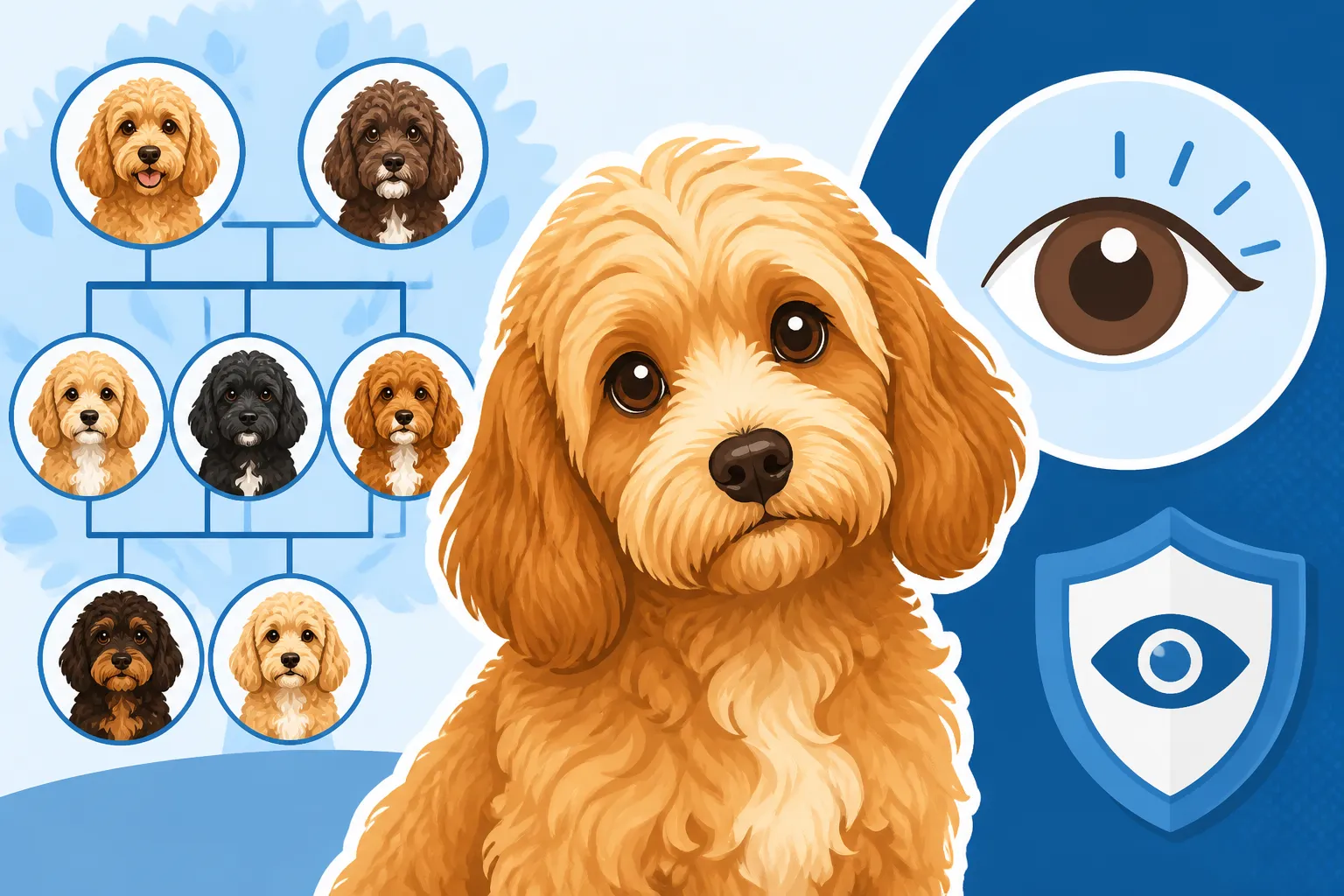
Whether Eye Disease Runs in Specific Cockapoo Lines
It’s heartbreaking to think your beloved Cockapoo might face a debilitating health issue, and when it comes to their eyes, the worry can feel even more intense. Many new and even experienced Cockapoo owners find themselves asking if certain eye diseases are just "part of the package" with this wonderful crossbreed, or if there are specific "lines" known for having issues. This guide will delve into the reality of inherited eye conditions in Cockapoos, explaining what to look for, what questions to ask, and how best to protect your furry family member’s precious eyesight.
Understanding Inherited Eye Conditions in Cockapoos
One of the beautiful things about Cockapoos is that they bring together the best, and sometimes the more challenging, genetic legacies of two fantastic breeds: the Cocker Spaniel and the Poodle. This genetic blend means they can inherit predispositions to a range of health conditions, and eye diseases are certainly on that list. It's not about pointing fingers at "bad lines," but rather acknowledging that specific genes, if present in the parent dogs, can lead to issues for their offspring.
The Genetic Blend: Cocker Spaniel and Poodle Contributions
When we talk about inherited traits, we're really talking about the genes passed down from both sides of your Cockapoo's family tree. Cocker Spaniels and Poodles, while generally healthy breeds, each have their own predispositions to certain eye conditions. When these two breeds are combined to create a Cockapoo, those predispositions don't just disappear; they merge.
From the Cocker Spaniel side, we often see concerns about conditions like Progressive Retinal Atrophy (PRA), various forms of Glaucoma, and different types of Cataracts. These aren't necessarily universal to all Cocker Spaniels, but they are known genetic risks within the breed. A responsible Cocker breeder will screen their dogs for these issues precisely to avoid passing them on. Similarly, Poodles also have their own genetic blueprint, which can include predispositions to PRA, particularly prcd-PRA, as well as certain forms of cataracts and other ocular structural issues.
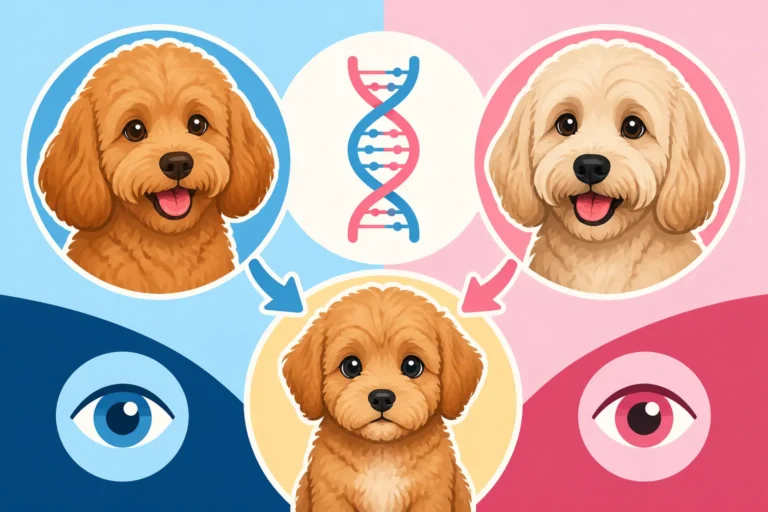
The key takeaway here is that your Cockapoo inherits a blend of these possibilities. If both parent breeds carry a recessive gene for a particular eye disease, and they are bred together, there's a chance their puppies could inherit two copies of that recessive gene and become affected. This is why understanding the health history of both parent breeds, and critically, the specific parents of your Cockapoo, is so incredibly important. It's not about a "bad line" in the sense of a malicious breeder, but rather about the inherent genetic risks that can be present if breeders aren't diligent with their health screening.
Common Eye Diseases You Might Encounter
Let's dive a little deeper into some of the most common inherited eye conditions that Cockapoos might face. Knowing what these are, how they manifest, and what to look for can empower you as an owner.
Progressive Retinal Atrophy PRA
Progressive Retinal Atrophy, often simply called PRA, is a group of degenerative diseases affecting the retina. The retina is like the film in a camera; it detects light and sends signals to the brain. In PRA, the photoreceptor cells in the retina (rods and cones) gradually deteriorate, leading to vision loss. One of the most common forms seen in Poodles, and therefore Cockapoos, is prcd-PRA (progressive rod-cone degeneration).
The cruel nature of PRA is that it's often progressive. Early symptoms might be subtle, with owners noticing their Cockapoo becoming hesitant in dim lighting or bumping into furniture at night. This "night blindness" is often the first sign, as the rod cells responsible for low-light vision are usually affected first. As the disease advances, daytime vision also deteriorates, eventually leading to complete blindness. The age prcd-PRA takes a Cockapoo's sight can vary, but it often becomes noticeable in young to middle-aged dogs, typically between 3 and 5 years old. The good news is that there are DNA tests available for prcd-PRA, meaning responsible breeders can screen their parent dogs to ensure they don't produce affected puppies.
Glaucoma
Glaucoma is an incredibly painful and serious eye condition that can affect Cockapoos, often inherited from the Cocker Spaniel side of their lineage. It's characterized by increased pressure inside the eye, which damages the optic nerve and retina. Imagine having intense, throbbing pressure behind your eye – that's what a dog with glaucoma experiences.
Symptoms come on quickly and demand immediate veterinary attention. You might notice your Cockapoo's eye appears red, cloudy, or swollen. They might squint, rub their eye excessively, or seem unusually lethargic due to the intense pain. This condition is truly an emergency; if left untreated, the high pressure can lead to irreversible blindness within hours to days. The glaucoma a Cockapoo inherits from the Cocker is often primary glaucoma, meaning it's not caused by another underlying eye issue, but is an inherited structural problem. Prompt diagnosis and treatment, which might involve medication to reduce pressure or even surgery, are crucial for preserving vision and relieving pain.
Cataracts
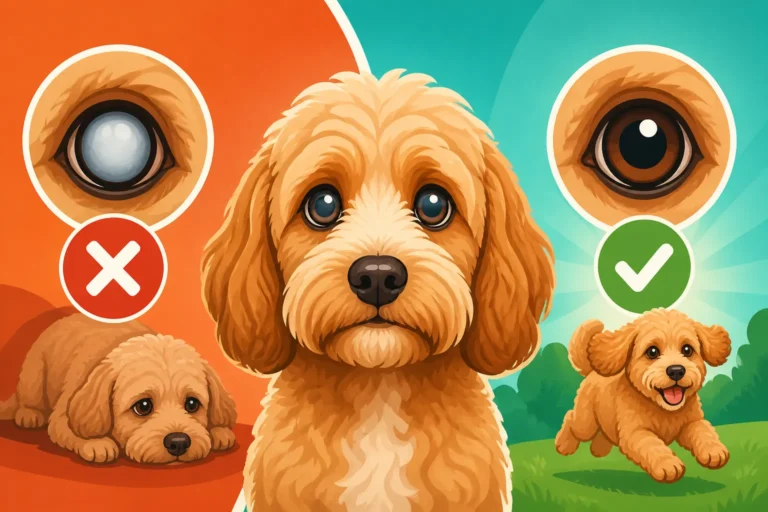
Cataracts are another common eye issue, causing the lens of the eye to become cloudy, which obstructs light and leads to blurry vision. While many dogs, like people, develop age-related cataracts later in life, some forms are inherited and can appear much earlier. Inherited cataracts can be seen in both Cocker Spaniels and Poodles, making them a concern for Cockapoo owners.
These early-onset cataracts can develop in young adult dogs, sometimes even before the age of two or three. The cloudiness can range from a small, insignificant spot that doesn't affect vision much, to a dense opacity that causes significant visual impairment or even blindness. Telling nuclear sclerosis from cataracts in a Cockapoo is important, as nuclear sclerosis is a benign age-related change that doesn't typically impair vision. For inherited cataracts that severely affect vision, surgery to remove the cloudy lens and sometimes replace it with an artificial one can restore sight. However, whether a Cockapoo's cataracts are worth operating on depends on many factors, including the dog's age, overall health, and the extent of vision loss, as well as the financial and recovery considerations for the owner.
Other Eye Conditions to Be Aware Of
While PRA, Glaucoma, and Cataracts are arguably the most significant inherited concerns, Cockapoos can also be susceptible to other eye issues:
- Cherry Eye: This condition involves the prolapse of the nictitating membrane (third eyelid) gland, making it visible as a red mass in the inner corner of the eye. It's more common in Cocker Spaniels. While not life-threatening, it can be irritating and may require surgical correction. Check out our guide on Cherry Eye in a Cockapoo Puppy for more detailed information.
- Entropion/Ectropion: These are eyelid abnormalities where the eyelid rolls inward (entropion) or outward (ectropion), causing irritation or exposure of the eye.
- Distichiasis/Ectopic Cilia: Extra eyelashes growing from abnormal spots, which can rub against the cornea and cause irritation or damage.
- Dry Eye (Keratoconjunctivitis Sicca – KCS): A condition where the eyes don't produce enough tears, leading to dryness, irritation, and potentially corneal damage. Cocker Spaniels are particularly prone to KCS.
- Retinal Dysplasia: Abnormal development of the retina.
These conditions highlight why regular veterinary check-ups and specialized eye exams are so vital for your Cockapoo.
Identifying "Lines" and Responsible Breeding Practices
The idea that "eye disease runs in specific Cockapoo lines" isn't entirely wrong, but it's a simplification. It's more accurate to say that certain genetic predispositions exist within individual dogs from both parent breeds, and these predispositions can, unfortunately, be passed down if breeders aren't meticulously screening their breeding stock. Responsible breeders are the true heroes here, working diligently to prevent these issues from appearing in their puppies, regardless of the "line."
The Myth of "Bad Lines" vs. Known Genetic Risks
When people talk about "bad lines," they often imagine a whole lineage of dogs that are inherently sickly. In reality, it's far more nuanced. Genetic diseases like prcd-PRA don't pop up out of nowhere; they are passed down through specific genes. A dog can be a "carrier" for a disease, meaning it has one copy of the gene but doesn't show symptoms itself. If two carriers are bred together, there's a 25% chance per puppy that they will inherit two copies of the gene and be "affected." This is a fundamental principle of recessive inheritance.
So, instead of a "bad line," think of it more as a "line with a known genetic risk" that can be managed through responsible breeding. Reputable breeders understand these genetic risks. They don't just pick two pretty dogs and hope for the best. They invest in comprehensive health testing for their breeding stock, specifically to identify carriers or affected dogs for known conditions. This isn't just about preventing illness in the puppies; it's about making informed decisions to improve the health of the breed as a whole. They are working against the possibility of passing on these conditions, not ignoring them.
For eye conditions, this means DNA testing for conditions like prcd-PRA, where a specific gene mutation has been identified. For other conditions, it involves regular veterinary ophthalmologist examinations, often referred to as OFA Eye Certifications or yearly CAER exams (Canine Eye Registry Foundation). These exams look for any signs of inherited eye diseases before a dog is bred, and they are typically done annually because some conditions develop later in life.
What to Ask a Breeder About Eye Health
Choosing a Cockapoo puppy is an exciting journey, but it comes with the serious responsibility of ensuring you're bringing home a healthy companion. The best defense against inherited eye diseases is to select a puppy from a truly reputable breeder who prioritizes health. Don't be shy about asking direct and detailed questions about their breeding practices and the health of their dogs.
Here's what you absolutely need to ask for:
- Proof of DNA Testing for Both Parents: Specifically ask for clear results for Progressive Retinal Atrophy (prcd-PRA). A reputable breeder will happily provide certificates from a recognized genetics lab, such as Embark or Paw Print Genetics. This test confirms that the parents are either "clear" (no copies of the mutated gene) or "carrier" (one copy). If one parent is a carrier, the other must be clear to ensure no affected puppies are produced. Asking a Cockapoo breeder for the FN certificate and other health certificates is a crucial step.
- Current Eye Certificates for Both Parents: Request to see current eye examination certificates from a board-certified veterinary ophthalmologist. These are often referred to as OFA Eye Certifications or CAER (Canine Eye Registry Foundation) exams. These exams screen for a wide range of inherited eye conditions that might not have a DNA test, like certain forms of glaucoma, cataracts, or retinal dysplasia. These should be recent, ideally within the last 12 months, as some conditions can develop with age. You can find more information about the importance of these exams in our article, Whether a Cockapoo Needs a Yearly CAER Exam.
- Detailed Family Health History: Ask about the eye health of the parents' siblings, parents, and previous litters. A breeder who is transparent about their lines will know this information and be willing to discuss any historical issues and how they've worked to mitigate them. No line is 100% perfect, but transparency shows integrity.
- A Health Guarantee: Most responsible breeders will offer a health guarantee, which should specifically mention genetic and hereditary diseases, including eye conditions. Understand the terms of this guarantee: what it covers, for how long, and what steps you would need to take if an issue arises. For example, some guarantees might cover specific conditions like Familial Nephropathy; understanding Whether a Cockapoo Guarantee Covers Familial Nephropathy can give you a good benchmark for what to look for in a comprehensive health guarantee.
If a breeder is hesitant, defensive, or unable to provide these documents and answers, consider it a significant red flag. A truly dedicated breeder understands that health testing is paramount to the future well-being of the breed and their puppies.
Managing and Monitoring Your Cockapoo's Eye Health
Bringing a Cockapoo into your home means committing to their health and well-being, and eye care is a big part of that. Even with the most responsible breeding, unforeseen issues can arise, or age-related conditions may appear. Proactive management and regular monitoring are your best tools.
Regular Vet Checks and Early Detection
Think of your Cockapoo's annual vet visit as more than just a shot appointment; it's a comprehensive health check-up, and their eyes are a critical component. Your regular veterinarian will perform a basic eye exam, looking for any obvious signs of redness, discharge, cloudiness, or structural abnormalities. They'll also check your Cockapoo's reflexes to light and tracking abilities.
However, for a more in-depth assessment, especially if there's a family history of eye issues or if your vet notes anything suspicious, they might recommend a visit to a veterinary ophthalmologist. These specialists have advanced equipment and training to detect subtle changes that a general vet might miss. They can perform tests like tonometry (measuring eye pressure to detect glaucoma), slit-lamp biomicroscopy (examining the internal structures of the eye), and ophthalmoscopy (looking at the retina). For more about comprehensive check-ups, our guide on The Kidney and Eye Checks a Cockapoo Needs Yearly offers valuable insights into what to expect and why they matter.
As an owner, you are your Cockapoo's first line of defense. Get into the habit of gently examining your dog's eyes daily. Look for:
- Clarity: The whites of the eyes should be clear, not red or yellow. The pupils should be equally sized and respond to light.
- Discharge: A small amount of clear discharge is normal, but excessive tearing, thick pus, or crusting is not.
- Eyelids: They should be clean, free from swelling, and not rolling in or out.
- Behavioral Changes: Squinting, rubbing eyes, sensitivity to light, bumping into things, or reluctance to go into dim areas are all red flags.
- Changes in Vision: If your Cockapoo suddenly seems less confident navigating familiar spaces, especially in low light, it’s time to call the vet.
Early detection of any eye issue is absolutely paramount. Many conditions, if caught early, can be managed effectively with medication or minor procedures, preventing pain and preserving vision. Delaying treatment, especially for conditions like glaucoma, can lead to irreversible damage.
Daily Care and Environmental Considerations
Beyond vet visits, there's a lot you can do in your daily routine to support your Cockapoo's eye health.
- Grooming Around the Eyes: Cockapoos, with their lovely furnished faces, often have hair that grows long around their eyes. If this hair is left untrimmed, it can rub against the cornea, causing irritation, abrasions, or even corneal ulcers. It can also trap dirt, dust, and moisture, creating a breeding ground for bacteria and yeast infections. Regularly trimming a Cockapoo's face without cutting an eye is a skill you can learn or delegate to a professional groomer. Keep those bangs short and the corners of the eyes clear.
- Keeping the Face Clean: Use a soft, damp cloth to gently wipe away any tear stains or debris from around your Cockapoo's eyes daily. This prevents buildup that can irritate the skin and encourage infection.
- Environmental Protection: While you can't bubble-wrap your dog, be mindful of their environment. Avoid letting them stick their head out of a car window at high speeds, as debris can easily fly into their eyes. Be cautious with aerosols, sprays, or cleaning products around them. If they love to play in dusty or sandy areas, a quick rinse with a veterinary-approved eye wash might be helpful afterward.
- Nutrition for Eye Health: A balanced, high-quality diet is the foundation of overall health, including eye health. Some nutrients, like Omega-3 fatty acids (found in fish oil) and antioxidants (vitamins C, E, lutein, zeaxanthin), are thought to support eye health. Always discuss any supplements with your vet to ensure they're appropriate for your specific dog.
Financial Planning for Potential Eye Treatments
Let's be real: veterinary care, especially specialized procedures like eye surgery, can be expensive. It's an unfortunate truth that often adds significant stress to an already emotional situation when your beloved pet is ill. Being prepared for these potential costs is a crucial part of responsible pet ownership.
Diagnostic tests for eye conditions, such as eye pressure checks, specific bloodwork, or advanced imaging, can quickly add up. If a condition is diagnosed, the cost of ongoing medication (e.g., eye drops for glaucoma or dry eye) can be a lifelong expense. Should surgery be required—for instance, cataract removal or emergency glaucoma surgery—the bills can easily run into the thousands of dollars. The price of removing a Cockapoo's eye, if glaucoma becomes untreatable and the eye is no longer viable, is also a significant consideration, both emotionally and financially.
This is where pet insurance can be an absolute lifesaver. Many owners find immense peace of mind knowing that a significant portion of unexpected veterinary costs can be covered. Companies like Healthy Paws offer comprehensive pet insurance plans that can help alleviate the financial burden of treating sudden illnesses, accidents, and even some chronic conditions. With a good policy from Healthy Paws, you might be reimbursed for eligible vet bills, allowing you to focus on your Cockapoo's recovery rather than worrying about the cost.
It’s important to research different providers and policy options to find one that best suits your needs and budget. Most pet insurance policies, including those from Healthy Paws, work on a reimbursement model after you pay the vet directly. They often cover accidents, illnesses, surgeries, medication, and emergency care. However, it's vital to read the fine print, as pre-existing conditions are typically not covered, which is why getting insurance early in your Cockapoo's life is often recommended. Proactive veterinary care combined with a robust pet insurance plan creates a powerful safety net, ensuring you can provide the best possible care for your Cockapoo's eyes, no matter what challenges arise.
| Eye Condition | Common Symptoms | Typical Parental Origin/Risk Factors | Testing/Diagnosis | Treatment Options |
|---|---|---|---|---|
| Progressive Retinal Atrophy | Night blindness progressing to total blindness, dilated pupils, shiny tapetum | Both Cocker Spaniel and Poodle (prcd-PRA) | DNA Test for prcd-PRA, Ophthalmic Exam | No cure, supportive care, environmental adjustments |
| Glaucoma | Red, cloudy, swollen, painful eye; squinting; rubbing eye | Cocker Spaniel | Tonometry (eye pressure measurement), Ophthalmic Exam | Emergency! Medications (drops/oral), Laser surgery, Enucleation (eye removal) |
| Cataracts (Inherited) | Cloudy lens, blurry vision, impaired navigation, white/grey appearance of pupil | Both Cocker Spaniel and Poodle | Ophthalmic Exam, Slit-lamp exam | Surgical removal of lens (phacoemulsification) |
| Cherry Eye | Red, fleshy mass in inner corner of eye; irritation, discharge | Cocker Spaniel | Visual inspection, Ophthalmic Exam | Surgical repositioning of the gland (tacking) |
| Dry Eye (KCS) | Chronic discharge, squinting, redness, corneal changes, painful | Cocker Spaniel | Schirmer Tear Test | Lifelong eye drops (tear stimulants, artificial tears, anti-inflammatories) |
Disclaimer
The information provided in this article is for general educational purposes only and should not be considered a substitute for professional veterinary advice. Always consult with a qualified veterinarian or veterinary ophthalmologist for any health concerns or before making any decisions about your Cockapoo's medical care.