Whether the Poodle Ear Canal Helps a Cockapoo
It’s a worry I hear from so many Cockapoo parents: are my beloved companion’s ears a ticking time bomb for infection? With their adorable floppy ears, you might automatically assume they're destined for the same struggles as their Cocker Spaniel ancestors. However, the Poodle side of their heritage can sometimes offer a surprising advantage, particularly when it comes to the internal structure of the ear canal itself. This guide will explore whether the Poodle ear canal truly helps a Cockapoo maintain healthier ears and what you, as an owner, need to know to keep them in tip-top shape.
Understanding Cockapoo Ear Anatomy
When you bring a Cockapoo into your life, you're essentially getting a genetic lottery ticket when it comes to their physical traits. This is especially true for their ears, which can present a fascinating blend of characteristics from both the Poodle and the Cocker Spaniel. Understanding these ancestral traits is the first step in truly appreciating the Cockapoo's unique ear challenges and advantages.
The Cocker Spaniel Ear: A Prone-to-Problem Design
Let's be honest, the Cocker Spaniel's ears, while undeniably charming with their long, silky feathering, are practically designed to cause trouble. Their iconic droopy shape means the ear leather itself hangs heavily, often covering the entrance to the ear canal like a thick curtain. This creates a warm, moist, and poorly ventilated environment within the ear, which is precisely what yeast and bacteria love for breeding. It’s like a tiny, damp greenhouse right next to their eardrum.
Beyond the external floppiness, the internal structure is also a significant factor. Cocker Spaniels are notorious for having relatively narrow ear canals. This narrowness means that any inflammation, swelling, or accumulation of wax and debris can quickly block the canal entirely, making it incredibly difficult for air to circulate or for any moisture to evaporate. This lack of airflow, combined with the warmth, sets up a perfect storm for recurrent, painful infections that can be stubborn to clear.
The Poodle Ear: A Different Design Philosophy
Now, let's look at the Poodle, a breed known for its distinctive coat and, yes, its ears. While Poodles also have floppy ears, particularly the Miniature and Toy varieties often used in Cockapoo breeding, their ear structure tends to differ slightly from the Cocker. The ear leather might not be as heavy or as dense, and crucially, the internal ear canal often has a wider diameter. This isn't universally true for every Poodle, of course, but it's a general trend.
However, the Poodle's ear isn't without its own set of challenges. Poodles are famous for their continuous hair growth, and this extends right down into their ear canals. This dense hair can trap wax, debris, and moisture, leading to the same kind of damp, poorly ventilated environment that causes problems for Cockers, albeit for a different reason. So, while the canal might be wider, the fur can still create an internal blockage if not properly managed.
The Cockapoo's Hybrid Ear: A Mix of Traits
And then there's our beloved Cockapoo, who inherits a fascinating, often unpredictable, mix of these traits. You might find a Cockapoo with ears that are more Poodle-like in their internal width, offering better ventilation, but still have that heavy, floppy Cocker-style ear leather that traps moisture externally. Conversely, some Cockapoos might end up with the narrower ear canals of a Cocker but also inherit the Poodle's propensity for excessive hair growth deep inside. It’s a real genetic grab bag!
This variability is why you can’t make a blanket statement about Cockapoo ears. Some will breeze through life with minimal ear issues, while others will be frequent flyers at the vet for recurrent infections. The external appearance of a Cockapoo's ear doesn't always tell the full story of what's happening inside. That fluffy, adorable outer ear could be hiding a problematic internal landscape. It means owners need to be extra vigilant and understand that their Cockapoo's ear health is a unique puzzle. If you've been wondering whether a Cockapoo's ears are better than a Cocker's, the answer is, it depends entirely on which genetic traits prevailed in your individual dog.
The Poodle Ear Canal's Potential Advantages
Despite the potential for inheriting the Cocker Spaniel's more problematic ear structure, there's definitely a glimmer of hope from the Poodle side. If your Cockapoo happens to inherit the more open, wider ear canal of a Poodle, it can genuinely make a positive difference in their overall ear health and ease of care. This isn't a guarantee, of course, but it's a trait many Cockapoo owners hope for!
Improved Airflow and Ventilation
One of the biggest culprits in ear infections for dogs with floppy ears is the lack of proper airflow. When the ear canal is narrow and covered by heavy ear leather, air simply can't circulate effectively. This leads to a build-up of heat and moisture, creating an ideal breeding ground for opportunistic yeast and bacteria. Think of it like a stagnant pond – not a healthy environment!
If a Cockapoo inherits a wider ear canal from their Poodle lineage, it means there's more space for air to move. This increased ventilation helps to keep the inner ear drier and cooler, making it a much less hospitable environment for those pesky microorganisms to thrive. Even with floppy ears, a wider internal canal can be a game-changer, significantly reducing the chances of the common damp, muggy conditions that lead to chronic infections. It essentially provides a natural defense mechanism against the persistent battle with dampness and warmth.
Easier Cleaning and Inspection
Another significant advantage of a wider ear canal is the practical aspect of care. For owners, trying to clean or even just inspect a narrow, tortuous ear canal can be frustrating, difficult, and even risky if you can’t see what you’re doing. It's like trying to navigate a tight tunnel with a flashlight. You're never quite sure if you're reaching all the nooks and crannies, or if there's something problematic lurking just out of sight.
A more open ear canal, courtesy of the Poodle genetics, makes routine ear care considerably simpler and more effective. It allows ear cleaner solutions to penetrate deeper and spread more easily, helping to dislodge wax and debris. Crucially, it also allows you or your vet to get a much better visual assessment of the ear's health. You can more easily spot redness, swelling, discharge, or any foreign bodies before they escalate into full-blown infections. This early detection capability is invaluable for preventing minor irritations from becoming major problems.
Reduced Risk of Obstruction from Debris
Dogs love to explore, and sometimes that means sticking their noses (and ears!) into all sorts of interesting places. Foxtails, grass seeds, dirt, and other environmental debris can easily find their way into a dog's ear canal. For a narrow canal, these small invaders can quickly become firmly lodged, causing immense discomfort, pain, and leading to severe infections or even eardrum damage. The tight fit means they can’t easily shake them out.
While no ear is entirely immune to foreign bodies, a wider ear canal can offer a slight advantage in this regard. There's simply more space, which might allow some debris to fall out naturally or be more easily removed during routine cleaning. Of course, the Poodle's characteristic hair growth within the ear canal can still act as a trap for debris, essentially negating some of this benefit if not regularly maintained. So, while the canal's width is a plus, owners still need to be diligent about managing that internal fluff.
Challenges and Considerations for Cockapoo Ears
While the Poodle's ear canal can offer some structural advantages, it's crucial to understand that Cockapoo ears still come with their own unique set of challenges. Being a hybrid means you're dealing with a blend of traits, and sometimes those blends can still create an environment ripe for problems. It’s not just about the width of the canal; it’s about the whole package.
The Ever-Present Hair Growth Issue
Perhaps the most significant challenge that often overrides any benefits of a wider ear canal from the Poodle side is the relentless growth of hair deep within the ear canal. Poodles have continuous hair growth, and Cockapoos often inherit this trait. While it's lovely for their overall hypoallergenic coat (or so we hope!), it can be a nightmare for their ears. This hair traps everything: moisture, wax, dirt, and debris. It essentially creates a furry dam that prevents airflow, no matter how wide the underlying canal might be.
This dense internal hair acts like a sponge, holding onto moisture after a bath, a swim, or even just from humidity. It then becomes a perfect incubator for yeast and bacteria. Owners often grapple with the question of whether to pluck this ear hair, a topic of much debate among vets and groomers. Some argue plucking can cause micro-traumas leading to infection, while others insist it's essential for ventilation. Whatever your approach, managing this hair is paramount. Neglecting it almost guarantees problems down the line, regardless of other anatomical advantages.
Ear Shape and Conformation from the Cocker Side
Even if your Cockapoo wins the genetic lottery with a wider, more Poodle-like internal ear canal, they might still inherit the external ear conformation of the Cocker Spaniel. This means those long, heavy, floppy ear flaps that hang close to the side of the head. While undeniably cute, these heavy flaps still block the external opening of the ear canal, regardless of what's going on inside.
These droopy ears act like blankets, covering the entrance and preventing air from circulating. This external coverage contributes significantly to the warmth and humidity within the ear environment. So, even with a great internal canal, the external ear leather can still trap moisture and heat, promoting the growth of pathogens. It's a double-whammy where external shape can counteract some internal benefits, making diligent external cleaning and drying vital.
Allergies and Underlying Health Conditions
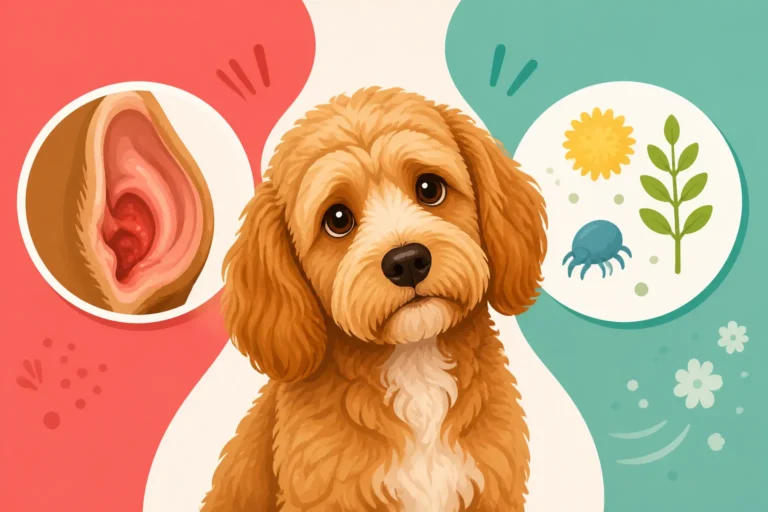
Beyond anatomy and hair, it’s critical to remember that ear infections in Cockapoos, as with many breeds, are often symptoms of a larger underlying issue. Allergies are a huge contributor to chronic ear problems. Whether it's environmental allergies (pollen, dust mites) or food allergies (certain proteins like chicken or beef), an allergic reaction can manifest as inflammation and itching in the ears. This irritation leads to excessive scratching, head shaking, and increased wax production, all of which pave the way for secondary bacterial or yeast infections.
Other health conditions, such as hypothyroidism or certain autoimmune diseases, can also predispose a Cockapoo to recurrent ear infections. If your Cockapoo is constantly battling ear issues despite meticulous cleaning and care, it’s essential to work with your veterinarian to explore these potential underlying causes. Just treating the infection won't solve the problem if the root cause, like an allergy, isn't addressed. It's a common frustration for owners who feel like they're always fighting an uphill battle with their dog's ears, and this is where comprehensive pet insurance, like a plan from Healthy Paws, can really make a difference by helping to cover the diagnostic tests and ongoing treatments for chronic conditions.
Proactive Ear Care for Cockapoos
Knowing the unique blend of challenges and potential advantages your Cockapoo's ears might have, proactive care isn't just a suggestion – it's an absolute necessity. Establishing a consistent and thorough ear care routine can save your Cockapoo a lot of discomfort and save you a lot of expensive vet bills in the long run.
Regular Cleaning and Inspection Routine
One of the best things you can do for your Cockapoo's ears is to get into a consistent habit of cleaning and inspecting them. This isn't just about waiting until they show signs of trouble; it's about preventative maintenance. Aim to check their ears several times a week, especially after bathing or swimming. You're looking for any redness, swelling, unusual odor (a yeasty smell is a common red flag!), or discharge that might indicate an infection brewing.
When it comes to cleaning, use a veterinarian-approved ear cleaner. Never use cotton swabs inside the ear canal, as this can push debris deeper or even damage the eardrum. Instead, apply a generous amount of cleaner into the ear canal, gently massage the base of the ear for 30 seconds to help break up wax and debris, then allow your Cockapoo to shake their head. Finally, use a clean cotton ball or gauze to wipe away any visible gunk from the outer ear flap and the entrance to the canal. If your Cockapoo is prone to ear issues, your vet might recommend specific solutions or a more frequent cleaning schedule.
Managing Ear Hair Growth
As we discussed, the Poodle's gift of continuous hair growth can be a bit of a double-edged sword for Cockapoo ears. That dense hair inside the ear canal can quickly become matted, trap moisture, and block airflow. So, managing this hair is a crucial step in preventing infections. You generally have two options: plucking or trimming.
Many groomers and vets recommend carefully plucking some of the hair from the ear canal to improve ventilation. This should be done gently, in small tufts, using specialized ear hemostats or your fingers, and only if the dog tolerates it well. If your dog is sensitive, or if you're uncomfortable doing it yourself, a professional groomer or vet can perform this task safely. Alternatively, some vets prefer trimming the hair around the ear canal entrance with blunt-nosed scissors to allow airflow without disturbing the sensitive canal skin. Discuss with your vet or a trusted groomer what approach is best for your individual Cockapoo, keeping in mind that some dogs are more sensitive than others.
Recognizing and Addressing Warning Signs
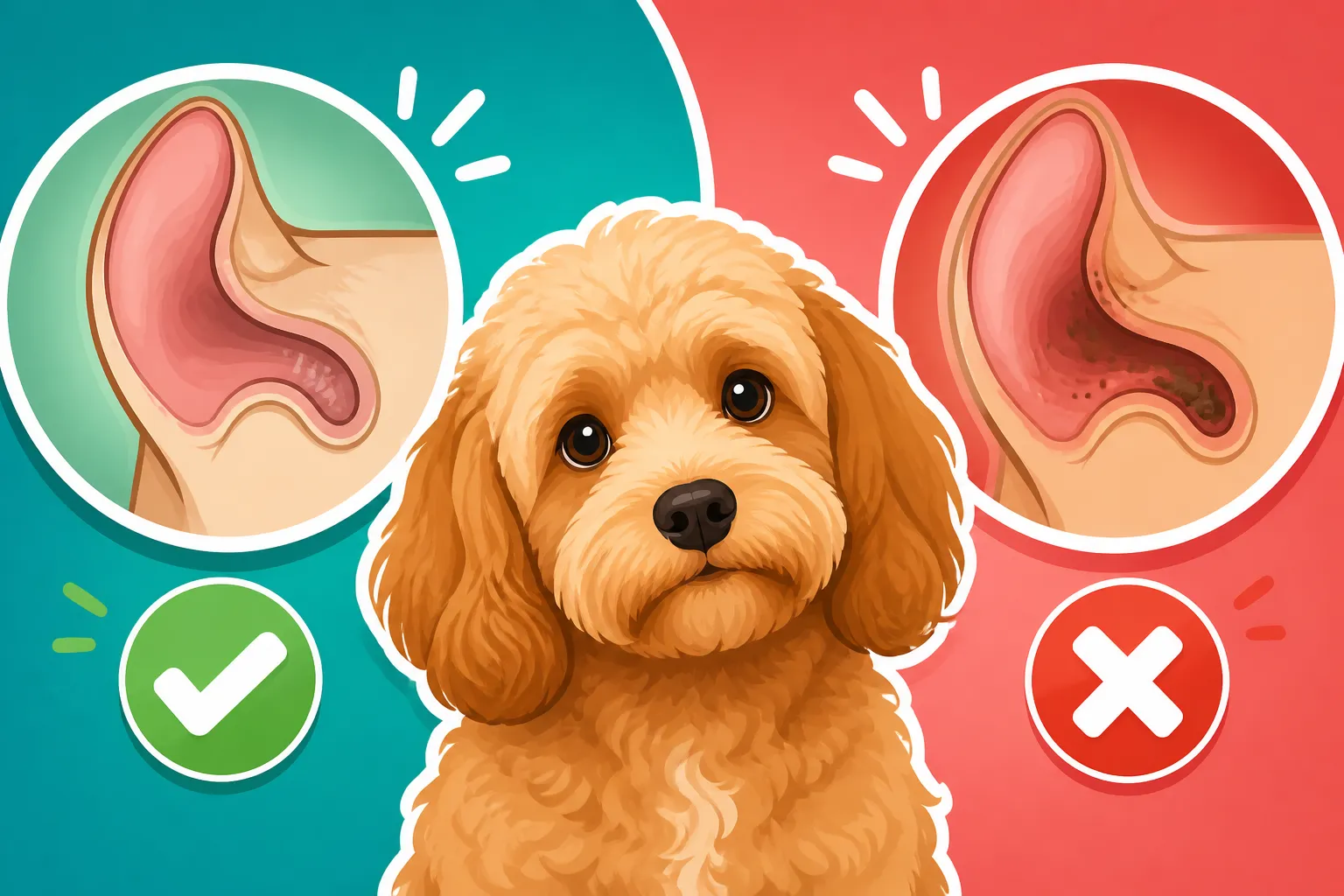
Being proactive also means being vigilant. Dogs are excellent at hiding discomfort, so it’s up to us to recognize the subtle cues that something isn’t right. Common warning signs of an ear infection include excessive scratching at the ear, frequent head shaking, rubbing their head against furniture or the floor, a noticeable odor emanating from the ear, redness or swelling around the ear flap or canal opening, and any discharge (which might be dark, waxy, yellow, or foul-smelling). You might also notice your Cockapoo holding their head to one side or showing sensitivity when you touch their ears.
If you observe any of these signs, don't delay – schedule a vet appointment right away. Ear infections are painful and can quickly worsen if left untreated, potentially leading to more severe issues like middle ear infections or even hearing loss. Your vet will examine the ear, possibly take a swab for cytology (to identify bacteria or yeast), and prescribe appropriate medication, which could include ear drops, oral antibiotics, or anti-inflammatories. Remember that getting prompt veterinary care is key, and if you have pet insurance from a reputable provider like Healthy Paws, the costs associated with diagnosing and treating these infections can often be significantly eased, preventing financial stress during an already worrying time.
Long-Term Health Implications and Preventative Measures
Ignoring ear health in a Cockapoo isn't just about dealing with discomfort in the short term; it can lead to serious, long-lasting consequences. Understanding these potential outcomes, and the broader context of preventative care, is vital for every Cockapoo owner.
The Impact of Chronic Ear Infections
When ear infections become a recurring problem, they don't just clear up and disappear without a trace. Chronic inflammation and infection can cause permanent changes to the ear canal itself. The lining of the ear canal can thicken and narrow, a condition known as stenosis, which further exacerbates the problem by making it even harder for air to circulate and for medications to penetrate effectively. This scarring and narrowing create a vicious cycle, making future infections more likely and harder to treat.
In severe, chronic cases, these persistent issues can lead to ruptured eardrums, which are incredibly painful and can impact hearing. Another painful complication is an aural hematoma, where blood vessels rupture within the ear flap due to vigorous head shaking, causing the ear to swell up like a pillow. If left untreated, chronic infections can spread deeper, affecting the middle and inner ear, which can cause balance problems, facial nerve paralysis, and even neurological symptoms. In the most extreme and untreatable cases, a Total Ear Canal Ablation (TECA) surgery might be recommended to remove the entire ear canal, a drastic measure to alleviate pain and recurrent infection.
Dietary and Environmental Considerations
Preventing ear infections isn't just about what you put in the ear; it's also about what goes into your Cockapoo's body and the environment they live in. As mentioned before, dietary allergies are a very common underlying cause of recurrent ear infections. If your Cockapoo frequently suffers from ear issues, working with your vet on an elimination diet trial to identify potential food allergens could be a game-changer. Switching to a limited ingredient diet or a hydrolyzed protein diet under veterinary guidance can often resolve chronic ear problems that seemed intractable.
Environmental factors also play a huge role. High humidity can contribute to dampness in the ears, as can frequent swimming without thorough drying afterward. If your Cockapoo loves a dip in the lake or pool, always ensure their ears are completely dry afterward using a cotton ball to absorb excess moisture and a gentle fan on a low setting if they tolerate it. Dust mites, pollen, and other airborne allergens can also trigger inflammation in the ears, just like they cause skin itching. Regular cleaning of your home, using air purifiers, and avoiding strong chemical cleaners or perfumes can help reduce exposure to environmental irritants. You might also want to read about whether a Cockapoo needs its ears cultured if infections are proving stubborn.
Partnering with Your Vet and Groomer
Think of your Cockapoo's ear health as a team effort. Your veterinarian is your primary partner in diagnosing and treating any infections, but they are also a wealth of knowledge for preventative strategies. Don't hesitate to ask them about the best ear cleaners, techniques for home care, or if they recommend regular professional ear cleaning or hair plucking. If you're concerned about your dog's ears, they can assess whether a Cockapoo's ear canal narrows with age or if there are other anatomical changes contributing to the problem.
Your professional groomer is another invaluable resource. They see a lot of ears! A good groomer understands the nuances of Cockapoo coats and ear care. They can expertly pluck or trim ear hair, making sure not to irritate the sensitive skin, and they can spot early signs of trouble that you might miss. They can also provide advice on proper grooming tools and techniques for maintaining your Cockapoo's ears between professional visits. When selecting a groomer, choose one experienced with Poodle and Doodle coats and ears, specifically asking about their approach to internal ear hair management. Remember, a comprehensive pet insurance policy, like those offered by Healthy Paws, can be a lifesaver when unexpected ear emergencies or ongoing treatments become necessary, covering a significant portion of veterinary costs and allowing you to prioritize your Cockapoo's health without financial worry.
| Ear Trait | Cocker Spaniel | Poodle | Cockapoo (Variable) | Care Implications |
|---|---|---|---|---|
| External Ear Flap | Long, heavy, dense, floppy. Covers canal. | Floppy, but often lighter and less dense than Cocker. | Mix of both; can be heavy or lighter. | Heavy flaps trap moisture; lighter flaps allow more airflow. |
| Internal Canal Width | Often narrow and tortuous. | Generally wider, more open. | Highly variable; can be narrow, wide, or in-between. | Narrow canals prone to blockages; wider canals improve ventilation. |
| Hair Growth in Canal | Sparse to moderate. | Dense, continuous growth deep within canal. | Variable, often dense and continuous. | Traps wax/debris, blocks airflow if unmanaged. Plucking/trimming often necessary. |
| Ventilation | Poor due to flap and narrow canal. | Can be good due to wider canal, but hair can hinder. | Variable, depends on combination of traits. | Poor ventilation increases risk of yeast/bacterial infections. |
| Predisposition to Infection | High, due to poor ventilation & moisture. | Moderate, due to hair growth trapping moisture. | Moderate to High, depends on inherited traits & care. | Requires diligent, proactive care to prevent recurrent infections. |
| Ease of Cleaning/Inspection | Difficult due to narrowness and shape. | Easier due to wider canal (if hair managed). | Variable, easier with Poodle-like canal, harder if Cocker-like. | Impacts how effectively owners can maintain hygiene and spot issues early. |
Disclaimer
The information provided in this article is for educational and informational purposes only and does not constitute veterinary advice. Always consult with a qualified veterinarian for any health concerns or before making any decisions about your pet's health or treatment.