Whether a Cockapoo Avoids the Cocker’s Ear Trouble
A Cockapoo may have fewer ear problems than some Cocker Spaniels, but the cross does not guarantee trouble-free ears. Floppy ear leather, hair, moisture, allergies, and the shape of an individual dog’s ear canal can all play a part. This guide explains what Cockapoo owners can reasonably expect, what to watch for, and how to care for ears without over-cleaning them.
Does a Cockapoo Avoid Cocker Spaniel Ear Problems
Why Cocker Spaniels can be prone to ear trouble
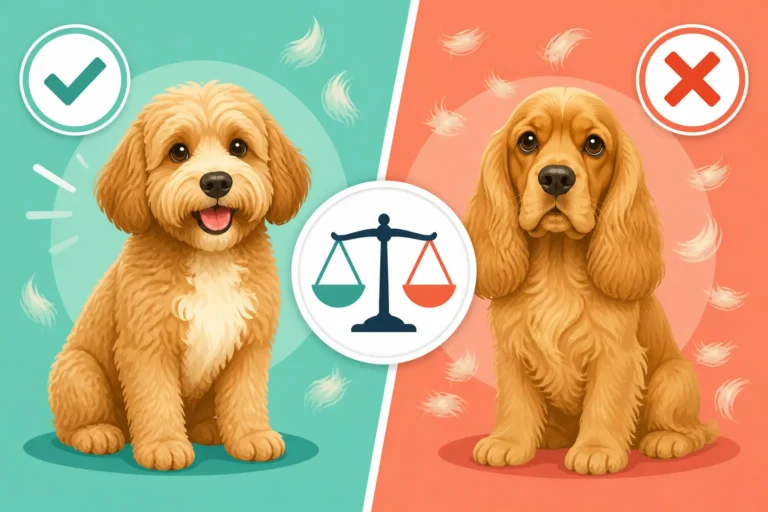
Cocker Spaniels’ long, pendulous ears can cover the ear openings and reduce airflow around them. Their ear canals are also naturally warm, enclosed spaces. When moisture, wax, debris, or inflammation builds up, those conditions may make irritation or infection more likely. The ear shape is one factor, not a guarantee that a particular Cocker will develop an infection.
Ear problems can also be linked to underlying issues such as allergies, parasites, or a foreign object in the canal. A dog that repeatedly gets sore ears may need more than routine cleaning; a veterinarian may need to look for and treat the reason the inflammation keeps returning. For more on one possible contributor, see Whether Ear Infections Mean a Cockapoo Has Allergies.
What changes when a Cocker Spaniel is crossed with a Poodle
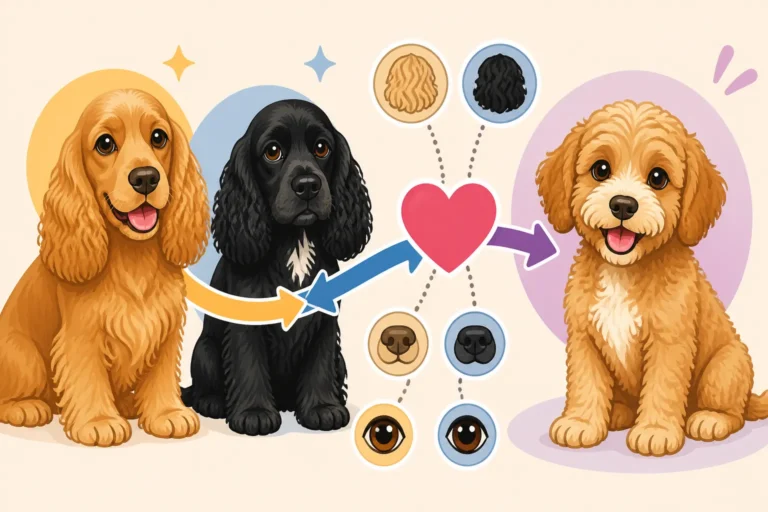
A Cockapoo can inherit traits from either parent, so there is no single ear shape or canal structure that applies to every dog. One Cockapoo may have relatively short, light ear feathering, while another has heavier, longer ears that sit close to the head. Coat texture and ear furnishings vary too. Those visible differences can affect how easily dampness or debris gets trapped around the ear, but they do not tell you for certain whether an infection will happen.
A Poodle parent does not automatically cancel out a Cocker’s ear-related risks. Nor does a Cockapoo necessarily inherit every ear issue associated with either parent breed. The most useful approach is to assess the individual dog: its ear shape, medical history, allergies, grooming needs, and past infections. The question The Poodle Ear Canal Helps a Cockapoo explores why a mixed-breed label alone cannot settle the issue.
| Feature | How it may affect ear care | What it does not prove |
|---|---|---|
| Long, floppy ear leather | May cover the opening and hold warmth close to the ear | That infection is inevitable |
| Heavy ear feathering | Can hold moisture or make it harder to see the skin | That the coat itself causes infection |
| Swimming or bathing | Can leave the ears damp if water reaches them | That every wet ear needs cleaning |
| Allergies or skin irritation | May contribute to recurring inflammation | That an infection is the only possible cause |
| Narrowing or painful canals | Can make examination and treatment more involved | That home cleaning can fix the problem |
What Ear Trouble Can Look Like in a Cockapoo
Early signs owners may notice
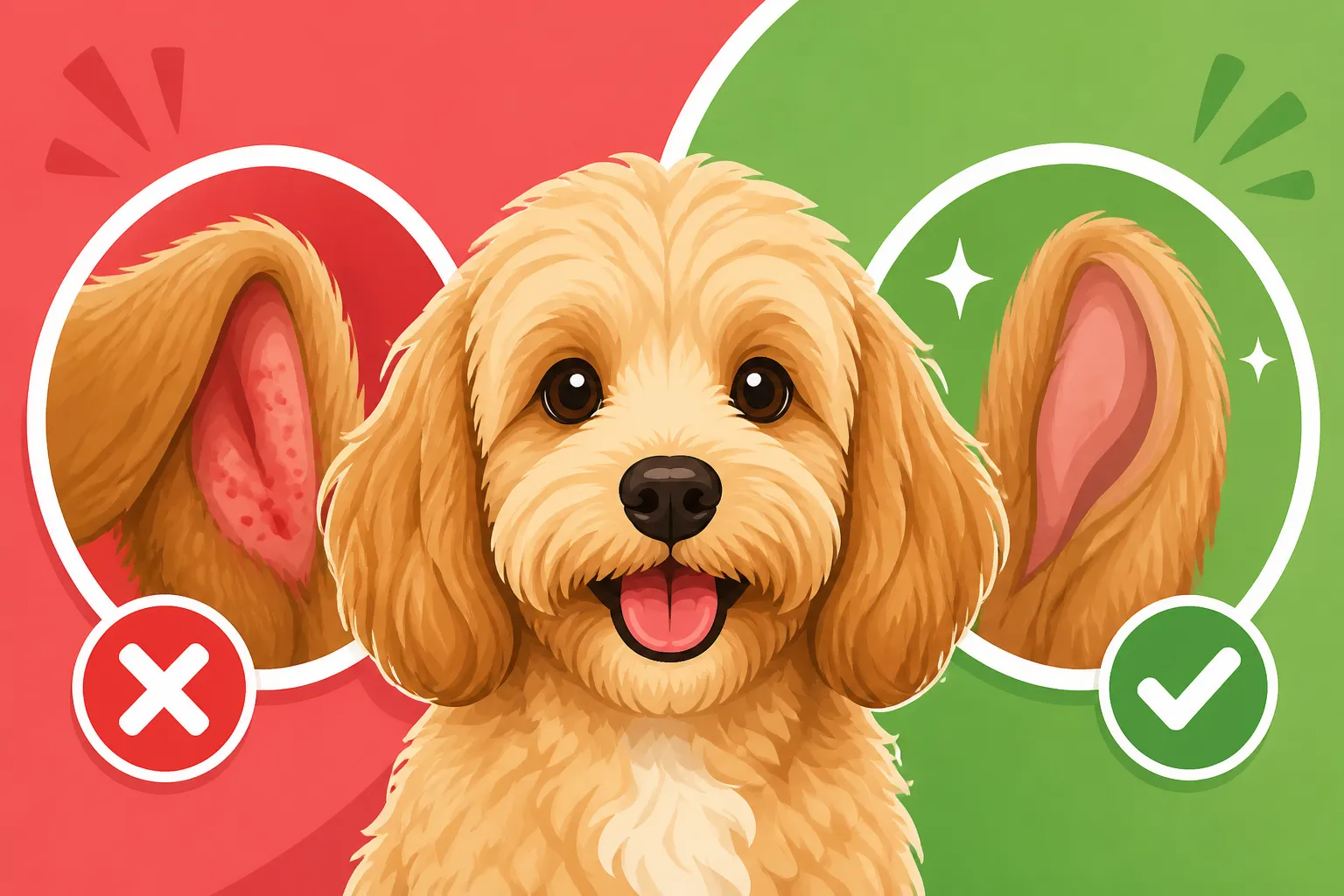
Ear discomfort can start subtly. A Cockapoo may shake its head more than usual, scratch at one or both ears, rub its face along the carpet, or pull away when you touch near the ear. You might also notice redness, swelling, an unusual smell, or discharge. Some dogs become grumpy during grooming because handling their ears hurts.
A little wax can be normal, and not every head shake means an infection. What matters is a change from your dog’s usual behavior, especially when several signs appear together or keep returning. If your Cockapoo’s ears seem persistently itchy, Whether a Cockapoo Itches From the Cocker Side offers useful context, but itching still deserves an individual assessment rather than a guess about which parent breed is responsible.
When to call a veterinarian
Arrange a veterinary check if you see pain, marked redness, swelling, discharge, a strong odor, or repeated scratching and head shaking. A sudden onset after a walk or time outdoors can also point to a foreign object, such as plant material, which should not be pulled out blindly. A dog that cries when its ear is touched or holds its head at an angle needs prompt attention.
Seek urgent veterinary care if your Cockapoo seems off balance, has a head tilt, develops sudden hearing changes, or appears severely distressed. These signs can signal a problem beyond mild irritation. Avoid using leftover medication or drops prescribed for another pet: different causes can look alike, and the wrong treatment may worsen the situation or make an examination more difficult.
Cockapoo Ear Care at Home
Check the ears gently and consistently
A brief ear check can become part of your regular grooming routine. Look at the visible outer ear and the entrance to the canal, noticing any change in color, smell, wax, or sensitivity. Keep the check calm and short. If your dog dislikes having its ears handled, build tolerance gradually with gentle touches and rewards rather than holding the ear open by force.
Do not push cotton swabs or other objects into the canal. They can injure delicate tissue or push debris farther in. Also, avoid routinely pulling ear hair unless your veterinarian or groomer has advised a specific approach for your dog. Hair removal is not automatically necessary for every Cockapoo, and irritating the skin can create its own problems. For questions about water and feathering, read Whether a Cockapoo's Ear Feathering Traps Damp.
Clean only when there is a reason and a suitable product
A healthy ear does not necessarily need frequent cleaning. Over-cleaning, using harsh household products, or putting liquid into a painful ear can irritate the skin. Ask your veterinarian whether your Cockapoo needs an ear cleaner, which type is appropriate, and how often to use it. Follow the product directions and the clinic’s instructions; if your dog reacts painfully, stop and call the veterinary team.
If your vet recommends a particular cleaner, keep it with your grooming supplies and follow the directions consistently. Retailers such as Chewy may be one place to look for pet-care supplies, but choose a product based on veterinary guidance rather than a label that promises to treat an infection. A cleanser is not a substitute for an examination when the ear is red, smelly, painful, or producing discharge.
Dry ears thoughtfully after bathing or swimming
If your Cockapoo swims or gets wet during a bath, gently dry the outer ear with a soft towel. Do not push the towel into the canal, and do not use a hair dryer close to the ear. If water seems to be trapped or your dog begins shaking its head repeatedly, contact your vet for advice instead of adding drops or trying to flush the canal yourself.
Make ear handling part of the grooming plan, particularly if your dog has long feathering that can hide the skin. A groomer can help keep the hair around the ear tidy, but should not be expected to diagnose an infection. If you need supplies for the care routine your vet recommends, Chewy is one retail option; confirm the product is appropriate for your dog before using it. The broader guide Whether a Cockapoo's Ears Are Better Than a Cocker's also discusses why appearance alone cannot predict ear health.
Recurring Infections and Long-Term Care
Why an infection may keep coming back
When an ear infection returns, treating the visible symptoms may not address the reason it began. Allergies, ongoing moisture, parasites, skin disease, or changes in the canal can all be part of the picture. A veterinarian may examine a sample from the ear to identify what is present and choose treatment accordingly. In stubborn or recurring cases, testing may help guide care; see Whether a Cockapoo Needs Its Ears Cultured.
Repeated inflammation can make the canal sore and, over time, harder to examine or treat. That is why it helps to keep a simple record: which ear was affected, when signs started, whether the dog had recently swum or been groomed, and what treatment was used. This can help your vet spot patterns and decide whether follow-up checks or a different plan are needed.
Age and changing ear needs
A Cockapoo’s ears can change as the dog ages. Skin conditions, recurring inflammation, and changes in the canal may affect comfort or make problems less obvious. If an older dog becomes more sensitive about ear handling, develops a new smell, or starts shaking its head, do not assume it is simply part of aging. Whether a Cockapoo's Ear Canal Narrows With Age covers one issue a veterinarian may consider when ear symptoms change over time.
For everyday prevention, focus on observation rather than trying to keep the ears perfectly clean. Notice what is normal for your dog, dry the outer ears after wet activities, and ask for veterinary guidance if symptoms recur. Chewy may be convenient for replacing a vet-recommended cleaner or other grooming basics, but ongoing pain or discharge calls for a veterinary exam, not a different bottle of cleaner.
A Cockapoo may avoid the worst of the ear trouble some Cocker Spaniels experience, but no cross can promise that outcome. Individual anatomy, skin health, allergies, moisture, and care all matter. Regular, gentle checks and timely veterinary attention are more reliable than assuming a Cockapoo’s Poodle heritage will protect its ears.
Disclaimer
This article is for general informational purposes only and does not constitute professional advice. Laws, prices and regulations vary by location and change over time. Consult a qualified professional for guidance on your specific situation.