The Glaucoma a Cockapoo Inherits From the Cocker
It's absolutely heartbreaking to see your beloved Cockapoo in pain, especially when it involves their eyes. That sudden redness, the squinting, maybe even a frantic pawing at their face – it's alarming, and as owners, we instantly worry about their sight. Glaucoma, particularly the kind inherited from their Cocker Spaniel lineage, can be a silent thief of vision if we're not vigilant, and understanding its nuances is key to protecting our furry family members. This comprehensive guide is here to shed light on what glaucoma is, how it manifests in Cockapoos, and what steps you can take to manage and hopefully prevent its most devastating effects.
Understanding Glaucoma in Our Canine Companions
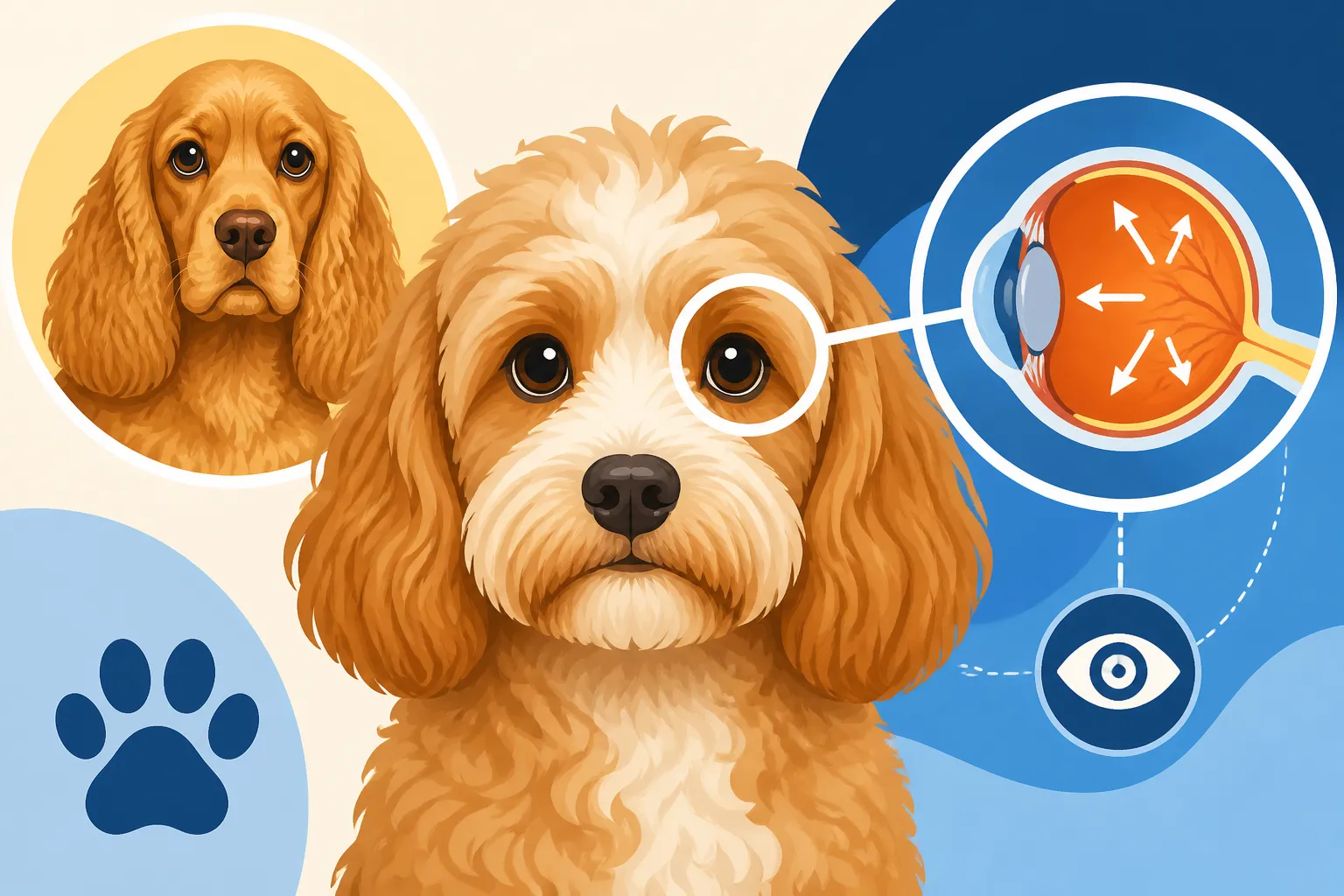
Glaucoma is a serious eye condition that occurs when the pressure inside your dog's eye, known as intraocular pressure (IOP), becomes too high. Imagine a delicate balloon that's overinflated; the walls of the balloon become stressed, and if the pressure isn't released, it can cause irreversible damage. In the eye, this pressure damages the optic nerve and retina, leading to severe pain and, ultimately, blindness. It's a medical emergency, and acting quickly can often make the difference between preserving vision or losing it.
The Dynamics of Eye Pressure
Our dogs' eyes constantly produce a clear fluid called aqueous humor, which nourishes the eye's structures. This fluid then drains out through a specific angle, often referred to as the drainage angle. It's a beautiful, continuous system of production and drainage that keeps the eye's internal pressure stable. When something disrupts this delicate balance – either too much fluid is produced or, more commonly, the drainage system becomes blocked – the pressure inside the eye begins to climb. It’s like a sink where the tap is running, but the drain is clogged; eventually, the water overflows.
Primary Versus Secondary Glaucoma
It’s important to understand that not all glaucoma is the same. There are two main types: primary glaucoma and secondary glaucoma. Primary glaucoma is genetic, meaning it’s inherited and not caused by any other underlying eye condition. It often affects both eyes, though one eye might show symptoms much earlier than the other. This is the type we're most concerned about when we talk about a Cockapoo inheriting it from their Cocker Spaniel side.
Secondary glaucoma, on the other hand, develops as a result of another eye disease or injury. This could be due to advanced cataracts, inflammation inside the eye (uveitis), lens luxation (where the lens dislocates), intraocular tumors, or trauma. In these cases, the primary problem causes the drainage angle to become blocked or less efficient, leading to increased pressure. While still severe, addressing the underlying cause can sometimes help manage or prevent further progression of secondary glaucoma.
Primary Glaucoma: The Cocker Spaniel Connection
The Cocker Spaniel, one of the parent breeds of your beloved Cockapoo, is unfortunately predisposed to a specific type of inherited primary glaucoma known as primary angle-closure glaucoma (PACG). This predisposition is a significant concern for Cockapoo owners because it means their adorable, floppy-eared companions can inherit this painful and blinding condition.
The Genetic Predisposition from the Cocker Line
Primary angle-closure glaucoma in Cocker Spaniels is characterized by a malformation or narrowing of the drainage angle of the eye. This isn't something that happens overnight; it's a structural abnormality present from birth, although symptoms might not appear until later in life, typically between 3 and 7 years of age. Over time, this narrow angle becomes progressively more occluded, eventually leading to a sudden, dramatic spike in intraocular pressure. It’s not just a little blockage; it’s like a complete shutdown of the drainage system.
When you're looking at a Cockapoo, you're looking at a dog that carries a blend of two distinct genetic backgrounds. While the Poodle side generally doesn't bring a high risk for primary glaucoma, the Cocker Spaniel side absolutely does. This means that a Cockapoo can inherit the specific genes that cause this structural defect, even if the Poodle parent has perfect eyes. This is why understanding the health history of both parent breeds is so incredibly vital when choosing a puppy. A reputable breeder will be transparent about the eye health of their breeding dogs, particularly the Cocker Spaniel parent.
How Age and Onset Can Be Deceptive
One of the most insidious aspects of primary angle-closure glaucoma is its often delayed onset. You might have a perfectly healthy Cockapoo puppy, seemingly problem-free, only for the condition to manifest suddenly in their middle years. This can catch owners completely off guard, as they might have assumed that if there were no issues in puppyhood, they were in the clear. However, the anatomical defect is always there, quietly setting the stage for future problems.
The symptoms can appear acutely, meaning very suddenly and severely, or more chronically, with subtle signs that worsen over time. An acute attack is incredibly painful and demands immediate veterinary attention. Without prompt treatment, permanent blindness can occur within hours to a few days. This urgency makes knowing the signs critical. Sometimes, owners might initially dismiss subtle changes, like mild redness or a slight squint, thinking it's just a bit of irritation, when in reality, it could be the early stages of this devastating condition.
Recognizing the Signs of Glaucoma in Your Cockapoo
Spotting glaucoma early is absolutely crucial for preserving your Cockapoo's vision and comfort. The signs can vary depending on whether the onset is sudden and acute or more gradual and chronic. However, regardless of the speed, the underlying pain and potential for vision loss are always severe. It's often the pain that first alerts owners, even before noticeable vision changes.
Sudden Onset Acute Glaucoma
An acute glaucoma attack is a true emergency. If you see these signs, drop everything and get your Cockapoo to an emergency vet immediately. Time is literally vision in these situations.
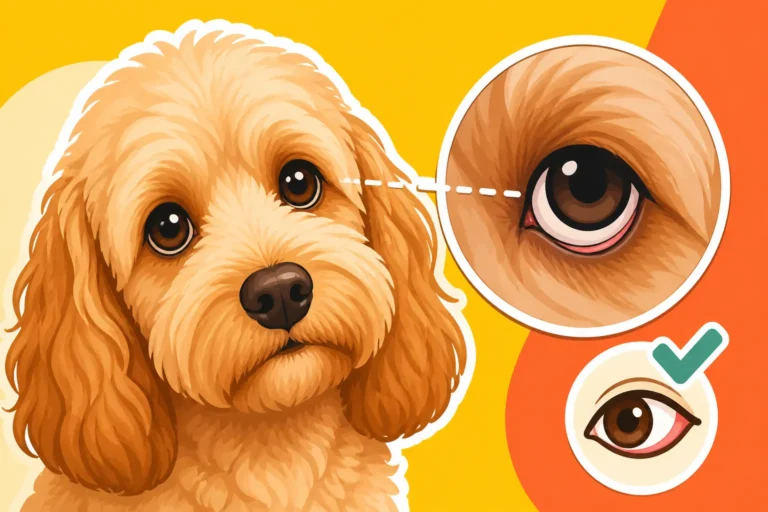
- Intense Redness of the Eye: This is usually one of the first and most obvious signs. The white part of the eye (sclera) will appear bloodshot, often a very deep, alarming red. This is due to the engorgement of blood vessels from the extreme pressure. If you ever see The Red Eye That Means a Cockapoo Needs a Vet Tonight, glaucoma should be high on your list of concerns.
- Squinting and Pain: Your Cockapoo will likely be in considerable pain. They might squint constantly, hold the affected eye partially or completely closed, or paw at their face. They might also shy away from being touched around the head. You might notice them rubbing their face on furniture or carpet trying to alleviate the discomfort.
- Cloudiness or Blue Haze (Corneal Edema): The front surface of the eye, the cornea, may develop a blue or hazy appearance. This happens when the high pressure forces fluid into the cornea, making it look cloudy. It can range from a subtle haziness to a milky white opacity.
- Dilated Pupil: The pupil of the affected eye may appear larger than normal and might not respond to light. This is because the high pressure paralyses the iris's ability to contract. Often, you'll notice a stark difference between the two pupils, which can be unsettling.
- Behavioral Changes: Due to the pain, your Cockapoo might become lethargic, withdrawn, lose their appetite, or even show aggression if you try to examine their eye. They might be disoriented or bump into things, indicating immediate vision loss.
Chronic Glaucoma: Subtle but Progressive
While less dramatic than an acute attack, chronic glaucoma still causes significant pain and ultimately leads to blindness. The signs can be harder to catch, evolving slowly over weeks or months.
- Enlarged Eyeball (Buphthalmia): Over time, sustained high pressure can stretch the eye, causing it to appear noticeably larger than the unaffected eye, or even just generally larger if both eyes are affected. This is a sign of long-standing, uncontrolled pressure.
- Vision Loss: Your Cockapoo might start bumping into objects, especially in dim light or unfamiliar surroundings. They might be hesitant to jump on and off furniture or navigate stairs. This is often noticed as they become more reliant on hearing and smell.
- Persistent Redness and Discomfort: While not as severe as acute redness, the eye might consistently look a bit bloodshot or irritated. Your dog might still squint occasionally, but the intense pain might have lessened as the nerves in the eye become more damaged and less responsive.
- Cloudy or Hazy Eye: Similar to acute glaucoma, but perhaps developing more gradually, the cornea can become cloudy due to persistent edema. This haziness might become permanent.
- Blindness: Unfortunately, if left untreated, chronic glaucoma inevitably leads to complete and irreversible blindness in the affected eye, and often eventually in both. At this point, the eye is usually no longer painful because the optic nerve has been destroyed, but the vision is gone forever. This is why early intervention is so critical, before the damage becomes too extensive.
It's important to remember that even if one eye appears unaffected, primary glaucoma inherited from the Cocker Spaniel side often affects both eyes, meaning the "good" eye needs careful monitoring. Many veterinarians will begin prophylactic treatment in the healthy eye to try and delay the onset of glaucoma.
Diagnosis and Management Strategies
Once you suspect glaucoma, getting an accurate diagnosis from a veterinary ophthalmologist is paramount. They have the specialized tools and expertise to properly assess your Cockapoo's eyes and formulate the best treatment plan. Don't hesitate to seek out a specialist; your regular vet can certainly start treatment, but an ophthalmologist will provide the most comprehensive care.
The Diagnostic Process
Diagnosing glaucoma primarily involves measuring the intraocular pressure (IOP). This is done with a device called a tonometer. There are a few types, but a common one is the TonoPen, which gently taps the cornea to get a reading. It’s quick and usually painless for your dog, often requiring just a topical anesthetic drop.
A normal IOP in dogs typically ranges from 10 to 20 mmHg. Readings significantly above this range indicate glaucoma. However, a single high reading isn't the only factor. The ophthalmologist will also perform a thorough eye exam, which includes:
- Gonioscopy: This is a crucial diagnostic step, especially for primary glaucoma. It involves using a special lens placed on the cornea to visualize the drainage angle within the eye. In cases of primary angle-closure glaucoma, the angle will appear abnormally narrow or completely closed, confirming the inherited predisposition. This helps differentiate primary from secondary glaucoma and guides treatment decisions.
- Ophthalmoscopy: Examining the back of the eye (retina and optic nerve) helps assess any existing damage caused by the high pressure. This can inform the prognosis for vision.
- Schirmer Tear Test: This measures tear production, as dry eye can sometimes mimic or worsen other eye conditions.
- Fluorescein Stain: This test checks for corneal ulcers, which can also cause redness and pain and need to be ruled out.
Armed with these findings, the specialist can confirm the diagnosis and determine the type and severity of glaucoma, which dictates the treatment approach.
Medical and Surgical Treatment Options
Treatment for glaucoma aims to lower the intraocular pressure as quickly as possible and control pain. This often involves a combination of medical and surgical interventions.
Medical Management
Initial treatment for acute glaucoma often starts with medications designed to rapidly lower IOP. These typically include:
- Topical drops:
- Prostaglandin analogs (e.g., latanoprost, travoprost): These are very effective at increasing the outflow of aqueous humor and are often the first line of defense in acute cases. They can cause pupil constriction, which helps to pull the iris away from the drainage angle.
- Carbonic anhydrase inhibitors (e.g., dorzolamide, brinzolamide): These drops work by reducing the production of aqueous humor. They are often used in combination with prostaglandin analogs.
- Beta-blockers (e.g., timolol): These also reduce fluid production but are used with caution in dogs with certain heart or lung conditions.
- Oral medications: Sometimes, oral carbonic anhydrase inhibitors or other systemic medications may be prescribed to supplement the eye drops, especially in severe or rapidly progressing cases.
- Pain relief: Anti-inflammatory medications, both topical and oral, are often used to manage the significant pain associated with glaucoma.
While medications can be effective in the short term and for chronic management, especially in the unaffected eye to delay onset, they often don't provide a permanent solution for primary angle-closure glaucoma. The underlying anatomical defect remains, making surgical intervention a more definitive option for long-term control.
Surgical Interventions
When medical management isn't sufficient, or for long-term vision preservation, several surgical options are available:
- Laser cyclophotocoagulation (ECP or CPC): This procedure uses a laser to selectively destroy parts of the ciliary body, the tissue responsible for producing aqueous humor. Reducing fluid production helps lower IOP. It's often combined with other procedures.
- Gonioimplantation (Drainage Implants/Shunts): A small tube or device (e.g., a gonioimplant or Ahmed valve) is surgically implanted into the eye to create an alternative drainage pathway for the aqueous humor, allowing it to bypass the blocked natural angle. These implants are often highly effective in maintaining lower pressure long-term.
- Cyclocryotherapy: This involves using extreme cold to destroy parts of the ciliary body, similar to laser treatment, to reduce fluid production.
Unfortunately, if the eye is already blind and painfully affected by glaucoma, and vision cannot be restored, the most humane option might be enucleation (surgical removal of the eye). While this sounds drastic, it eliminates the source of pain and allows your dog to live a pain-free life. It’s a tough decision for any owner, but sometimes it's the kindest choice when Whether a Glaucomatous Cockapoo Loses the Eye becomes inevitable.
Throughout this challenging time, managing the costs associated with glaucoma treatment can be overwhelming. Pet insurance, like plans offered by Healthy Paws, can be incredibly helpful in offsetting these expenses, covering everything from emergency visits to ongoing medication and potential surgeries. It's definitely something to consider proactively, especially with breeds known for certain health predispositions.
Living with a Glaucomatous Cockapoo
Even with the best veterinary care, living with a Cockapoo affected by glaucoma can be a journey filled with adjustments. Whether your dog is managing the condition or has lost some or all of their vision, your role as their dedicated owner is to ensure their comfort, safety, and continued quality of life.
Ongoing Monitoring and Medication
If your Cockapoo is diagnosed with glaucoma and still has vision, lifelong vigilance is required. This means:
- Strict Medication Schedule: Administering eye drops and any oral medications precisely as prescribed by your vet or ophthalmologist is non-negotiable. Missing doses can lead to dangerous pressure spikes. This can be a challenging routine, especially with multiple drops several times a day, but it’s critical for success.
- Regular Vet Checks: Your Cockapoo will need frequent follow-up appointments with the veterinary ophthalmologist to monitor IOP, assess the eye's condition, and adjust medications as needed. These checks are typically very regular at first and then might space out slightly if the pressure is well controlled. This is part of the important The Kidney and Eye Checks a Cockapoo Needs Yearly that dogs like Cockapoos often require.
- Home Monitoring (if possible): Some owners are trained to use a home tonometer for daily or weekly IOP checks, which can be invaluable for real-time management, especially for dogs with rapidly fluctuating pressures. Discuss this possibility with your specialist.
- Recognizing Worsening Signs: Even on medication, pressure spikes can occur. You must remain alert for any return of redness, squinting, or behavioral changes that might indicate the condition is worsening or an acute flare-up is happening.
It’s an investment of time and resources, and it’s okay to acknowledge that it's tough. Companies like Healthy Paws can often provide support beyond just financial coverage, sometimes offering resources or advice for managing chronic conditions.
Adapting to Vision Loss
If your Cockapoo experiences significant vision loss or becomes completely blind in one or both eyes, rest assured that dogs adapt remarkably well. They rely heavily on their other senses – smell, hearing, and touch – to navigate their world. Your job is to make their environment safe and predictable.
- Maintain a Consistent Environment: Avoid moving furniture or changing the layout of your home. Keep pathways clear. If you must rearrange, guide your dog around the new setup multiple times to help them map it out.
- Use Scent and Sound Cues: Use distinct scents to mark important areas, like a specific air freshener near their water bowl or a scented mat at the bottom of stairs. Use vocal cues for commands ("step up," "watch out") rather than hand signals.
- Safety First: Block off stairs or dangerous areas with baby gates. Supervise them closely outdoors, always keeping them on a leash, especially if they have a strong prey drive. Remember that your Cockapoo might still possess the "flushing drive" from their Cocker heritage, making off-leash excursions risky even if sighted.
- Enrichment: Engage their other senses with scent games, puzzle toys, and plenty of verbal praise and tactile affection. Continue walks, but keep them on a familiar route to build confidence.
- Provide Comfort: A comfortable, familiar bed in a safe, easy-to-access spot is essential. Many blind dogs enjoy having a "halo" harness or bumper collar that protects their face from bumping into objects.
While it’s natural to grieve the loss of your dog’s sight, remember that they can still lead full, happy lives with your love and support. Many dogs thrive with vision loss, their bond with their human companions often deepening.
Prevention and Responsible Breeding Practices
The best defense against inherited conditions like primary glaucoma is proactive prevention, starting with responsible breeding. As future or current Cockapoo owners, you have a vital role to play in advocating for healthy breeding practices.
Health Screening for Parent Dogs
This is where true prevention begins. Reputable Cockapoo breeders, especially those breeding across generations (F2, F3, multigenerational Cockapoos), should be meticulously screening their parent dogs for genetic conditions common to both Cocker Spaniels and Poodles. For primary angle-closure glaucoma, this means:
- Annual Eye Exams by a Veterinary Ophthalmologist: Both the Cocker Spaniel and Poodle parents should undergo yearly eye examinations by a board-certified veterinary ophthalmologist. These exams, often part of the Canine Eye Registration Foundation (CERF) or now the OFA Eye Certification Registry (CAER), look for any signs of inherited eye disease. Crucially, a gonioscopy exam should be performed on the Cocker Spaniel parent, and potentially the Poodle parent too, to assess the drainage angle. Breeders should be able to provide you with Asking for a Cockapoo's Eye Certificates for both parents. If a dog has narrow drainage angles, they should not be bred.
- Genetic Testing for Other Eye Conditions: While a specific genetic test for PACG isn't widely available yet (research is ongoing!), other eye conditions like Progressive Retinal Atrophy (PRA) do have DNA tests. Ensuring both parents are clear of such conditions contributes to overall eye health, as discussed in articles like The Age prcd-PRA Takes a Cockapoo's Sight. Remember, you should always ask for The Five Certificates a Cockapoo Breeder Should Show, and eye health is a major component of this.
A breeder who is passionate about the health of their puppies will be completely transparent about these screenings and be able to explain their breeding choices based on these results. They understand that a healthy start means a happier, longer life for your Cockapoo.
Educating Future Owners and Ongoing Research
As owners, once you have a Cockapoo, especially one with a Cocker Spaniel lineage, staying informed is key. Even if your dog's parents were screened, genetic conditions can sometimes be complex or have incomplete penetrance.
- Regular Veterinary Check-ups: Ensure your own Cockapoo has routine veterinary check-ups, including eye examinations. Your vet might recommend an IOP check as part of routine senior wellness, or if they notice any suspicious changes.
- Be Aware of Symptoms: Knowing the signs of glaucoma, as detailed earlier, empowers you to act quickly if something seems amiss. Don't hesitate to contact your vet if you notice any change in your Cockapoo's eyes or behavior.
- Support Research: As genetic testing for more complex conditions evolves, supporting canine health organizations that fund research into inherited diseases like glaucoma can contribute to better diagnostic tools and prevention strategies for future generations of Cockapoos. This is a journey that requires collaboration from breeders, vets, and owners alike.
By focusing on responsible breeding practices and ongoing owner vigilance, we can collectively work towards minimizing the impact of inherited conditions like glaucoma on our beloved Cockapoos, ensuring they have the brightest, most comfortable lives possible.
| Feature | Acute Primary Glaucoma (PACG) | Chronic Primary Glaucoma (PACG) | Secondary Glaucoma |
|---|---|---|---|
| Onset | Sudden, often within hours to a few days | Gradual, over weeks to months | Varies depending on underlying cause; can be sudden or slow |
| Pain Level | Severe | Moderate to severe, may lessen with nerve damage | Varies depending on underlying cause and pressure |
| Eye Appearance | Intense redness, cloudy/blue cornea, dilated pupil | Persistent redness, mild cloudiness, enlarged eyeball (buphthalmia) | Variable, often signs of underlying cause (e.g., cataract, injury) |
| Vision Loss | Rapid, often leads to immediate blindness without urgent treatment | Progressive, eventually leads to blindness | Varies; can be rapid or gradual |
| Underlying Cause | Inherited structural defect in drainage angle (e.g., from Cocker Spaniel) | Inherited structural defect in drainage angle (e.g., from Cocker Spaniel) | Other eye disease or injury (e.g., uveitis, lens luxation, trauma) |
| Urgency | Veterinary Emergency (within hours) | Urgent veterinary attention (within days) | Urgent veterinary attention (within hours to days) |
| Typical Age | 3-7 years (though can vary) | Usually older than acute onset | Any age, depending on underlying cause |
Disclaimer
The information provided in this article is for educational and informational purposes only and does not constitute veterinary medical advice. Always consult with a qualified veterinarian or veterinary ophthalmologist for any health concerns or before making any decisions related to your pet's health and treatment.