Keeping a Cockapoo’s Weight in Range
One of the most common worries I hear from Cockapoo owners is about their dog's weight. It’s a tricky thing, isn't it? Our Cockapoos, with their endlessly cheerful dispositions and those soulful eyes, often have us reaching for the treat jar more often than we should, or perhaps we just aren't quite sure how much is too much. This guide is all about helping you understand how to keep your beloved Cockapoo at a healthy weight, tackling the common pitfalls and offering practical, real-world advice to ensure they live their happiest, healthiest life.
Understanding Your Cockapoo's Unique Weight Dynamics
Cockapoos are a wonderful mix of Cocker Spaniel and Poodle, and this blend brings with it a fascinating combination of traits, including those that influence their weight and metabolism. It’s not as straightforward as with a purebred dog where you can just look up a chart. Each Cockapoo is truly an individual, reflecting different aspects of their heritage.
The Influence of Cocker Spaniel and Poodle Genetics
On one hand, you have the Cocker Spaniel, a breed historically known for being eager eaters and, if not managed carefully, prone to weight gain. They love their food, and that charming, pleading gaze is hard to resist! This enthusiasm for food can certainly be passed down to your Cockapoo. Cockers can sometimes be less intensely active than some Poodle lines if not encouraged, meaning calories can accumulate more easily if their diet isn't perfectly balanced with their exercise.
Then there's the Poodle side, which generally boasts a leaner, more athletic build, particularly the Miniature and Standard Poodles. While some Poodles can be picky eaters, many are energetic and maintain a healthy weight more readily due to their higher activity levels and efficient metabolisms. However, even Poodles can struggle with weight if they aren't getting enough mental and physical stimulation, or if their diet is too rich for their specific energy output. Your Cockapoo might inherit the Poodle's lean frame but the Cocker's love for food, creating a unique challenge. This genetic lottery means that your Cockapoo's metabolism and natural predisposition can vary wildly, making a "one size fits all" approach to feeding virtually impossible.
Why Their Fluffy Coat Can Be Deceiving
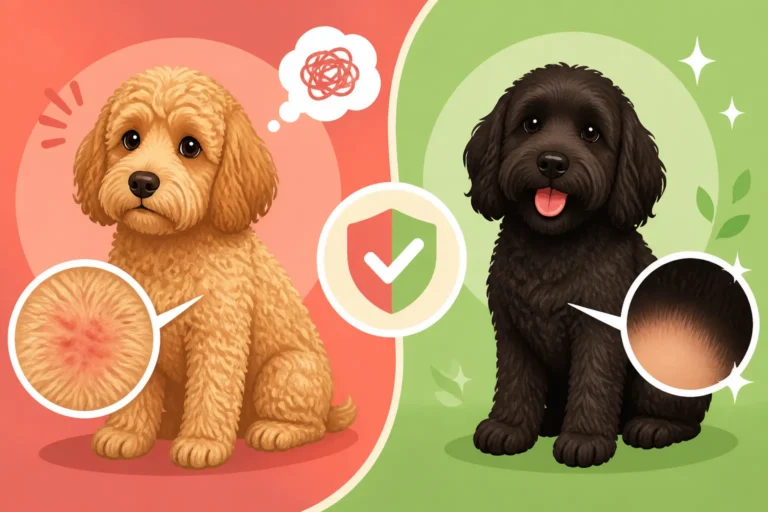
One of the biggest culprits in masking weight issues in Cockapoos is their magnificent, fluffy, curly, or wavy coat. It's beautiful, no doubt, but it can hide a multitude of sins – or, in this case, a few extra pounds! That luxurious fur can make a dog appear larger and more substantial than they actually are, making it difficult to judge their true body condition just by looking at them. You might think your Cockapoo looks perfectly proportioned, when underneath all that fluff, they could be carrying more weight than is healthy.
This is a common frustration for many Cockapoo owners. You're brushing them regularly, admiring their lovely coat, and it might not occur to you that you need to be physically feeling their ribs and spine to truly assess their weight. It's not like a sleek-coated breed where every curve and ripple of their body is easily visible. Because of this, it's essential to get hands-on and learn how to feel for your dog's underlying structure, rather than just relying on visual cues. The fluff is adorable, but it requires a bit more diligence on our part to ensure their health.
Identifying a Healthy Weight for Your Cockapoo
It’s easy to feel lost when trying to figure out if your Cockapoo is at a healthy weight. The scale gives you a number, but what does that number mean for your unique dog? Weight isn't just about the digits; it's about body condition, muscle tone, and overall health. Knowing how to properly assess your Cockapoo's physique is one of the most important tools you can have as an owner.
The Body Condition Score Beyond the Scale
The Body Condition Score (BCS) is a fantastic tool that vets use, and it's something you can learn to use at home too. It's a much more accurate indicator of your Cockapoo's health than just their weight in pounds. The BCS is usually a scale from 1 to 9, where 1 is emaciated, 5 is ideal, and 9 is morbidly obese. Think of it like this: if you can easily see your dog's ribs, spine, and hip bones from a distance, they're likely too thin. If you can't feel their ribs at all without really pressing, they're probably carrying too much weight.
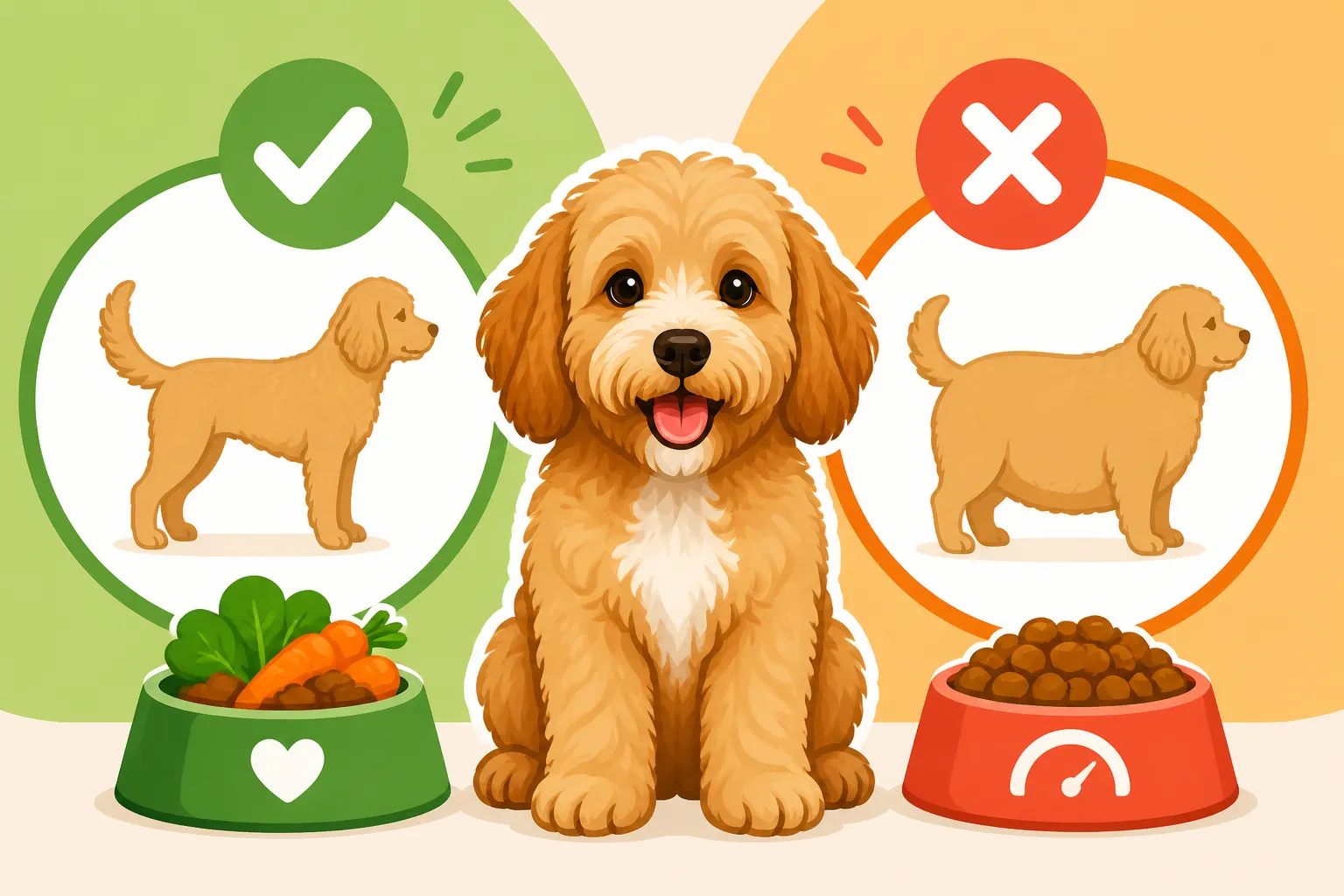
An ideal score, a 4 or 5, means you can easily feel their ribs when you run your hands along their sides with gentle pressure, but you shouldn't be able to see them. They should have a noticeable waist when viewed from above, like an hourglass shape, and their belly should tuck up slightly when viewed from the side. Even with a thick coat, you can do this by running your hands over their body. Don't be afraid to get tactile; your Cockapoo will probably enjoy the extra petting! This method helps you look past the fur and truly understand what's happening beneath.
Here's a simplified guide to understanding the Body Condition Score for your Cockapoo:
| Score | Description | What You Feel/See |
|---|---|---|
| 1-3 | Too Thin / Underweight | Ribs, spine, and hip bones easily visible or very prominent with no fat covering. No obvious waist, severe abdominal tuck. |
| 4-5 | Ideal Weight | Ribs easily felt but not seen. Noticeable waist from above, slight abdominal tuck from the side. Minimal fat covering. |
| 6-7 | Overweight | Ribs felt with difficulty, moderate fat covering. Waist less obvious or absent. Slight fat pads over hips/base of tail. |
| 8-9 | Obese / Severely Obese | Ribs difficult to feel under heavy fat cover. No waist, abdomen rounded or sagging. Obvious fat deposits everywhere. |
Visual and Hands-On Checks You Can Do
Beyond the BCS, there are specific visual and hands-on checks you can perform regularly to monitor your Cockapoo's weight. These are simple, quick, and can be incorporated into your daily cuddle sessions.
First, the rib check: With your Cockapoo standing, place both thumbs on their spine and spread your fingers across their rib cage. You should be able to feel each rib individually, much like feeling the knuckles on the back of your hand. If the ribs feel like the bones on the back of your fingers (too prominent), they might be too thin. If they feel like the palm of your hand (too much padding), they're likely overweight.
Next, the waistline check: Stand above your Cockapoo and look down. Do you see a distinct "waist" where their body narrows slightly behind the ribs before flaring out again at the hips? An hourglass figure is ideal. If they look more like a sausage or a straight line from chest to tail, they're probably overweight. Then, observe them from the side. Their abdomen should tuck up slightly, rather than hanging low or being parallel to the ground. A good tuck shows a healthy core and lack of excess fat.
Finally, the hip and tail base check: Run your hands over their hips. You should be able to feel the hip bones with gentle pressure, but they shouldn't protrude sharply. Similarly, feel the base of their tail; there should be a smooth transition, not a lumpy, fatty pad. Regular groomers are often excellent at spotting weight changes because they handle your dog so much. Don't hesitate to ask your groomer for their informal opinion – they see a lot of dogs and have a good eye (and hand) for what's normal. Consistent checks will help you catch any creeping weight gain or loss early.
The Risks of Being Over or Underweight
It’s not just about aesthetics; maintaining a healthy weight is absolutely crucial for your Cockapoo's long-term health and quality of life. Both being too heavy and being too thin come with their own set of serious health implications that no loving owner wants their dog to face.
Health Complications of Carrying Too Much Weight
An overweight Cockapoo faces a significantly higher risk of developing a whole host of health problems. It's truly heartbreaking to see a dog struggle because of preventable weight issues. Joint problems are at the top of the list. Extra weight puts immense strain on their joints, accelerating conditions like arthritis or exasperating issues like patellar luxation, which can be a concern for smaller Cockapoos. Imagine carrying a heavy backpack all day, every day – that's what being overweight feels like to their skeletal system. Slipping Kneecaps in a Toy Cockapoo is a real worry, and excess weight makes it far worse.
Beyond joints, cardiovascular health takes a hit. An overweight Cockapoo's heart has to work harder to pump blood through a larger body, increasing the risk of heart disease and high blood pressure. They might show signs of Heart Murmurs in an Aging Cockapoo more severely. Diabetes is another major concern; just like in humans, obesity is a significant risk factor for developing canine diabetes. Breathing can also become labored, especially in warmer weather, as the extra fat restricts lung capacity. Overweight dogs often struggle with heat intolerance and are more prone to skin issues because those extra rolls of fat create moist folds where bacteria can thrive. Even their lifespan can be shortened, denying you precious years with your furry companion. It's a stark reminder of why proactive weight management is so vital.
Dangers of Being Underweight
While less common for a breed generally eager to eat, being underweight also poses serious health risks for your Cockapoo. An underweight dog might not have enough stored energy to fight off illness, making them more susceptible to infections and slower to recover from any health challenges. Their immune system simply isn't as robust.
They can also lack vital nutrients, leading to a dull coat, brittle nails, and overall poor physical condition. Muscle wasting is a significant concern, as they might not have enough protein reserves, which weakens their body and can make them lethargic and less resilient to injury. If your Cockapoo is consistently underweight, it could also be a symptom of an underlying health issue that needs veterinary attention. Conditions like parasites, dental problems that make eating painful, or even metabolic disorders could be at play. If you notice your Cockapoo losing weight unexpectedly or having trouble gaining, it's crucial to consult your vet. Early diagnosis is key to addressing any potential Kidney Failure in an Old Cockapoo or other serious conditions that might manifest through weight loss.
Crafting a Balanced Diet Plan
Feeding your Cockapoo isn't just about putting food in a bowl; it's about providing the right fuel for their unique body and energy needs. With so many options out there, it can feel overwhelming, but a balanced approach focused on quality and portion control is always the best strategy.
Choosing the Right Food Type and Quality
The first step in crafting a balanced diet is selecting a high-quality food. Whether you opt for kibble, wet food, or a fresh food diet, the ingredients matter. Look for foods with a named meat source (like "chicken meal" or "deboned salmon") as the first ingredient, rather than generic "meat by-products." Avoid foods with excessive fillers, artificial colors, or vague ingredient lists. A good quality food provides essential nutrients, helps maintain a healthy coat, and supports overall well-being.
For those considering fresh food options, services like Ollie are gaining popularity, offering pre-portioned, human-grade meals tailored to your dog's specific needs. Many owners find these beneficial for weight management because the portions are calculated precisely. If you stick with kibble, which is a convenient and perfectly viable option, remember that not all kibbles are created equal. Some brands use higher quality ingredients and better nutrient profiles than others. Platforms like Chewy offer a vast selection, allowing you to compare ingredients and read reviews to find a suitable option. Always introduce new foods gradually over several days to avoid upsetting your Cockapoo's stomach.
Portion Control and Calorie Calculation
This is where many of us struggle! It’s easy to eyeball a scoop of food, but those little inaccuracies add up over time. Portion control is absolutely critical for weight management. Start by following the feeding guidelines on your chosen dog food package, but remember these are just starting points. Your Cockapoo's actual needs will depend on their age, activity level, metabolism, and individual size (Teacup, Toy, Miniature, or Maxi). Feeding a Teacup Cockapoo will be vastly different from Feeding a Maxi Cockapoo.
A good rule of thumb is to calculate your Cockapoo's daily caloric needs with the help of your veterinarian. They can provide a more accurate assessment based on your dog's specific factors. Once you know the total daily calories, divide that amount into two or three smaller meals throughout the day. Using a kitchen scale to measure food precisely, rather than a scoop, can make a huge difference. You can find reliable and affordable pet food scales on Amazon. Remember to factor in all treats when calculating daily calories. Those small bites during training, dental chews, or evening snacks count towards their total intake. A significant portion of weight gain often comes from uncounted treats.
Smart Snacking and Treats
Treats aren't off-limits, but they need to be chosen wisely and given sparingly, especially when managing weight. Opt for low-calorie, healthy treats. Small pieces of plain cooked chicken, carrots, green beans, or apple slices (without seeds) make excellent, nutritious snacks. Many commercial "training treats" are tiny and low in calories, perfect for positive reinforcement without overfeeding.
Avoid giving your Cockapoo table scraps. Not only are many human foods unhealthy for dogs (high in fat, sugar, or even toxic ingredients), but they also contribute to calorie creep without providing balanced nutrition. If you do share human food, ensure it's dog-safe and in very small, controlled portions. Think of treats as a bonus, not a staple. If you’re really trying to shed a few pounds, consider using a portion of their regular kibble as training rewards throughout the day. This way, they still get their daily food allowance, but it's distributed in a more engaging way, preventing extra calories from treats.
Exercise and Activity for Weight Management
A proper diet is half the battle, but exercise is the other equally crucial component in keeping your Cockapoo's weight in check. Cockapoos are generally energetic dogs, but their activity levels can vary, and tailoring their exercise routine to their individual needs is vital.
Tailoring Exercise to Your Cockapoo's Energy Levels and Size
Cockapoos are a lively bunch, often inheriting the playful energy of both parent breeds. However, a Teacup Cockapoo will have very different exercise requirements and capabilities than a Maxi Cockapoo. It’s important to match the intensity and duration of activity to your dog's specific size and energy level. A young, active Miniature Cockapoo might thrive on two longer walks and a vigorous play session daily, while an older, smaller Toy Cockapoo might be content with shorter, more frequent strolls and indoor games. The Miles a Cockapoo Wants Every Day can truly vary.
Observe your Cockapoo. Do they have boundless energy, constantly wanting to play, or are they more of a couch potato? Adjust their activity accordingly. Even if they're smaller, don't underestimate their need for mental stimulation, which can be just as tiring as physical exercise. Puzzle toys, training sessions, and scent work can engage their minds and burn energy effectively, complementing their physical activity. Remember, consistent exercise is more beneficial than sporadic bursts.
Making Exercise Fun and Engaging
Exercise shouldn't feel like a chore for either of you! Make it an enjoyable part of your daily routine. Cockapoos often love to retrieve, so games of fetch in a safe, fenced area can be a fantastic way to burn off energy. They also tend to be keen sniffers, so incorporating "sniffaris" into your walks – allowing them to explore scents at their own pace – can be mentally enriching and physically beneficial. This type of activity can prevent them from Whether a Cockapoo Runs Off at a Dog Park if they are constantly engaged with the world around them.
Agility, obedience classes, or even just teaching new tricks can provide both mental and physical challenges. Many Cockapoos excel in dog sports because of their intelligence and eagerness to please. Swimming, if your Cockapoo enjoys it, is also a low-impact, full-body workout that's great for joints. Just be sure to supervise them and rinse their coat thoroughly afterward. The goal is to find activities you both enjoy, turning exercise into quality bonding time rather than just a necessity. Consistency is key, so find what works for you and your furry friend and stick with it.
Monitoring and Adjusting Your Cockapoo's Weight Plan
Weight management isn't a one-and-done deal; it's an ongoing process that requires regular monitoring and willingness to adapt. Just like humans, a Cockapoo’s needs change over time, and their weight plan should evolve with them.
Regular Weigh-Ins and Body Condition Assessments
Consistent monitoring is crucial for successful weight management. Make it a habit to check your Cockapoo's weight and body condition regularly, perhaps once a month. You can do this at home with a pet scale or by simply stopping by your vet's office for a quick weigh-in – most clinics are happy to let you use their scale for free. Keep a little logbook or a note on your phone to track their weight over time. This helps you spot trends and catch any significant changes early.
More importantly than the number on the scale, continue to perform the hands-on body condition checks. Feel their ribs, check their waist, and assess their abdominal tuck. Remember, especially as they get older, their metabolism can slow down, and they might naturally gain a few pounds. This is when your regular checks become invaluable. If you notice a gradual increase in weight over several months, it's time to re-evaluate their food portions and activity levels before it becomes a major issue. Conversely, unexpected weight loss should always prompt a vet visit, as it can be an indicator of an underlying health problem.
The Role of Veterinary Check-Ups
Your veterinarian is your most valuable partner in your Cockapoo's weight management journey. Regular check-ups are essential, not just for vaccinations, but for a comprehensive health assessment, including their weight. Your vet can accurately assess their Body Condition Score, discuss their diet and exercise routine, and offer tailored advice. They can also rule out any medical conditions that might be contributing to weight gain or loss, such as thyroid issues or other metabolic imbalances. Hypothyroidism in a Middle Aged Cockapoo can certainly lead to weight gain.
Don't hesitate to openly discuss your Cockapoo's diet, including treats and any supplements you give, during these visits. If you're struggling to help your Cockapoo lose or gain weight, your vet can help create a personalized plan, recommend specific prescription diets, or even refer you to a veterinary nutritionist. They can also advise on appropriate exercise levels as your Cockapoo ages or if they develop Arthritis in a Cockapoo at Eleven. Early intervention and professional guidance are key to preventing minor weight issues from snowballing into significant health problems.
Adapting the Plan as Your Cockapoo Ages
Just like us, a Cockapoo's nutritional and exercise needs change as they move through different life stages. A lively puppy needs a different diet and exercise regimen than an adult, and an older, senior Cockapoo will have yet another set of requirements. What Changes in a Cockapoo After Ten highlights this perfectly.
Puppies are growing rapidly and generally require more calories per pound of body weight than adults, typically fed specific puppy formulas. As they transition into adulthood, usually around 12-18 months, their caloric needs often decrease, and it's time to switch to an adult formula. If you don't adjust their food intake at this point, weight gain can easily begin. For senior Cockapoos, usually starting around seven or eight years old, their metabolism slows even further, and their activity levels might naturally decrease due to age-related joint stiffness or general slowing down. At this stage, a senior-specific diet that is lower in calories but still nutrient-dense, coupled with gentle, consistent exercise, becomes vital. Your vet can guide you on when and how to make these dietary transitions and ensure your Cockapoo's diet supports them through The Fourteen to Eighteen Years a Cockapoo Lives as comfortably as possible. It's a journey, and staying flexible and informed is the best way to keep your beloved Cockapoo healthy and happy for many years to come.
Disclaimer
This article is for general informational purposes only and does not constitute professional advice. Laws, prices and regulations vary by location and change over time. Consult a qualified professional for guidance on your specific situation.