Kidney Failure in an Old Cockapoo
Kidney failure in senior Cockapoos causes toxin buildup and requires understanding subtle symptoms, genetic risks, and management strategies.
Know what to watch for.
Breed-specific conditions, screening and DNA tests, what surgery actually costs, and the daily habits that stretch a healthy lifespan.
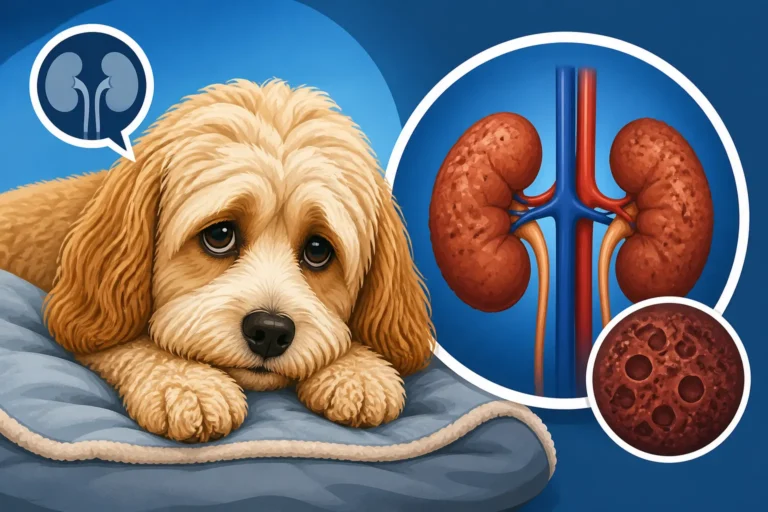
Kidney failure in senior Cockapoos causes toxin buildup and requires understanding subtle symptoms, genetic risks, and management strategies.

Lymphoma risks in Cockapoos, including common forms, symptoms by body location, and genetic predispositions from parent breeds.

Thick curly coats on Cockapoos hide lumps, making thorough checks and skin inspections necessary during grooming sessions.

A murmur signals turbulent blood flow through the heart rather than a disease itself, graded I to VI by loudness and classed by timing in the cardiac cycle.

Cockapoo heart disease risks, including Mitral Valve Disease and Dilated Cardiomyopathy inherited from Cocker Spaniels and Poodles.

Cockapoo scooting behavior usually signals blocked anal glands or allergies, requiring proper veterinary care to relieve discomfort.

Teacup Cockapoo dental cleanings and yearly veterinary care explain why crowded small mouths accumulate plaque and tartar.
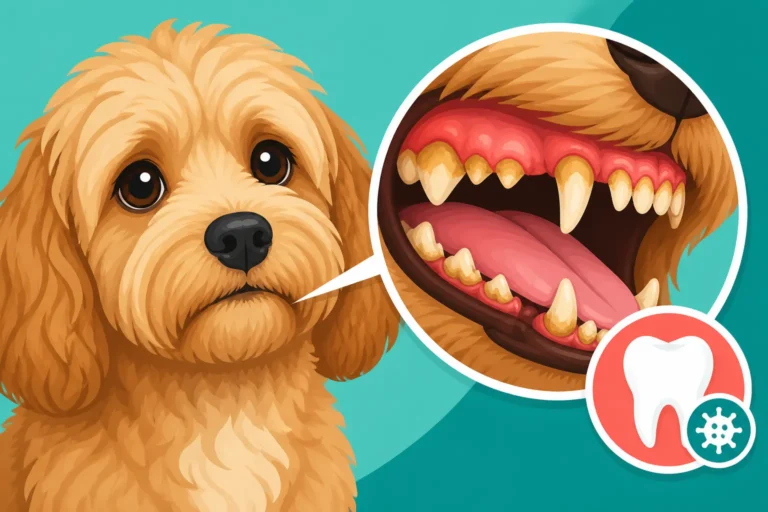
Dental disease in small Cockapoos stems from crowded mouths, Cocker Spaniel and Poodle genetics, and daily diet factors.
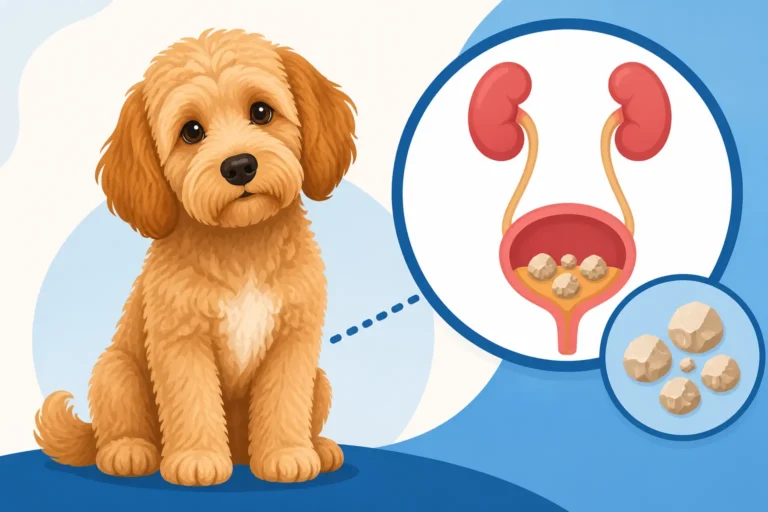
Cockapoo urinary stones, genetic risks from parent breeds, common stone types, symptoms, diagnosis, and prevention methods.
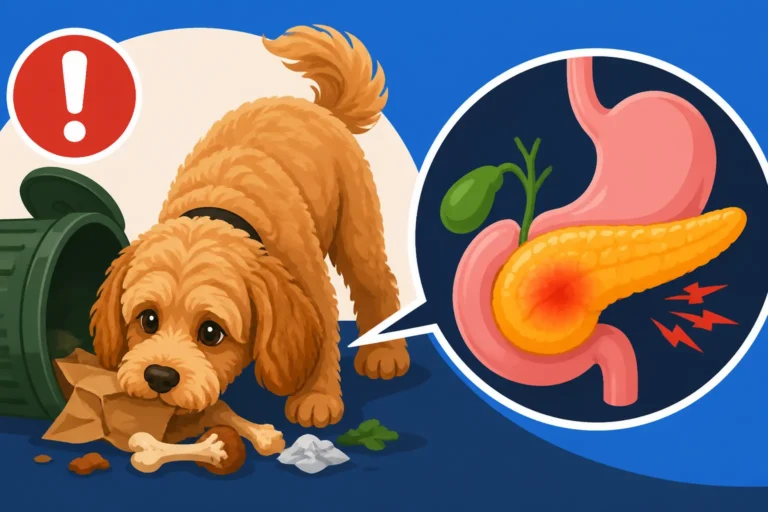
Cockapoo scavenging behavior and how eating fatty food scraps or trash items can trigger dangerous pancreatitis and blockages.