Whether Coat Type Changes a Cockapoo’s Grooming Bill
Cockapoo coat types directly influence professional grooming expenses and home maintenance needs for straight, wavy, and curly fur.
The price tag is the smallest number.
Purchase and adoption costs, insurance, routine vet care, food and grooming budgets, and the emergencies that change the total.
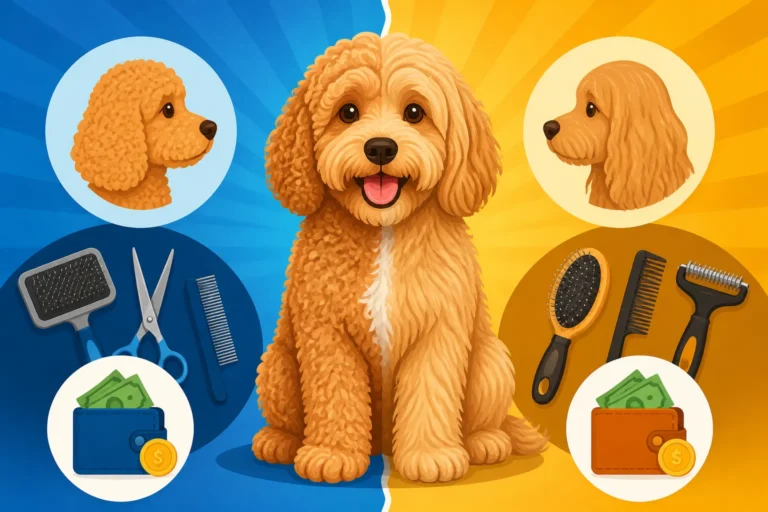
Cockapoo coat types directly influence professional grooming expenses and home maintenance needs for straight, wavy, and curly fur.
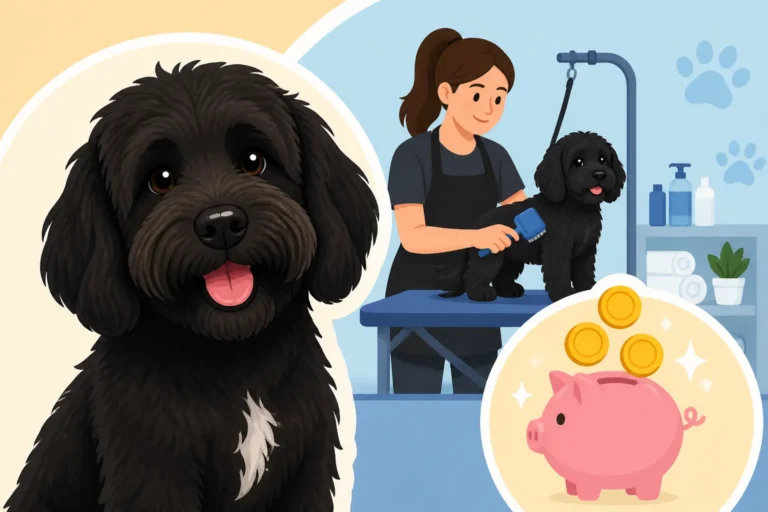
Professional grooming costs for flat coated Cockapoos involve bathing, brushing, and trimming that owners must realistically budget for.
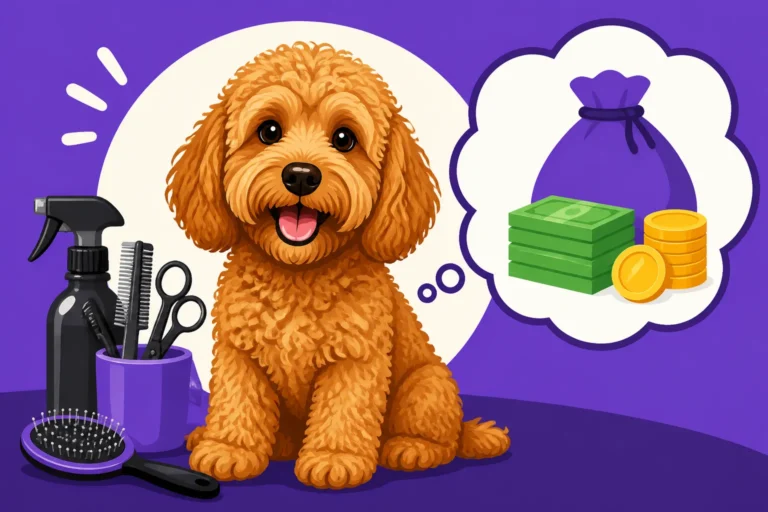
Curly-coated Cockapoo grooming costs depend on coat density, matting severity behind ears and armpits, and professional services required.
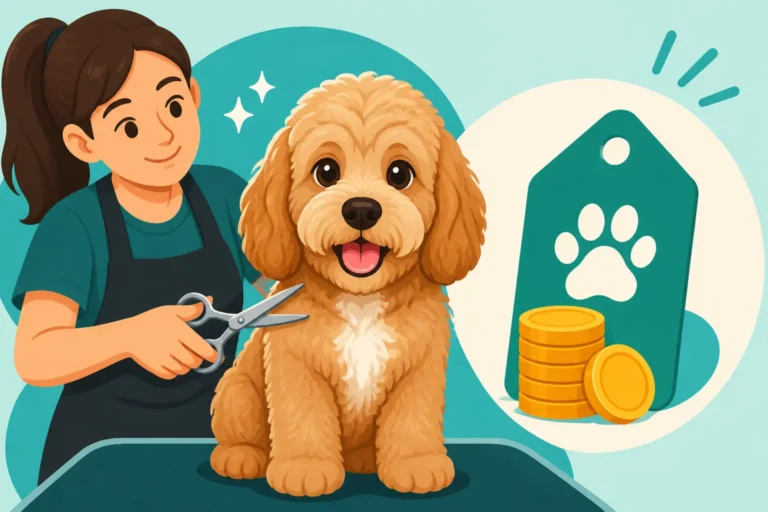
At sixteen weeks a first trim is usually a gentle puppy introduction with practical tidying, aiming for a calm start before the coat change around ten months.

Cockapoo coat types, RSPO2 and KRT71 genes, and improper coats explain how grooming needs indirectly influence overall health.
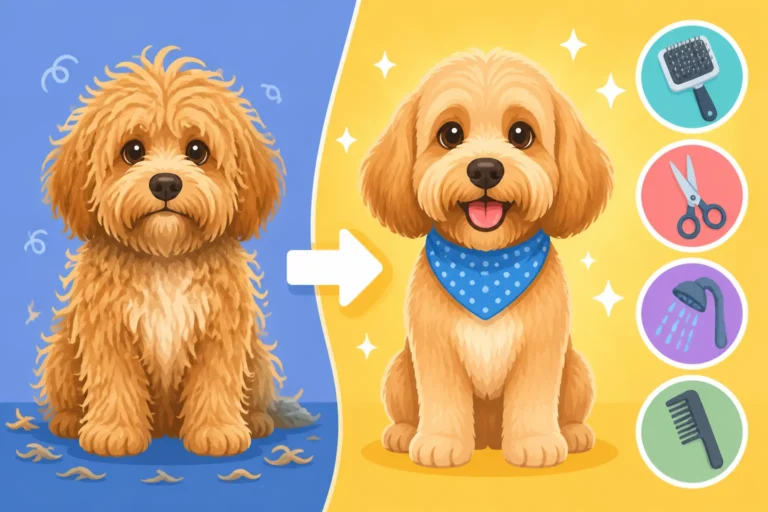
Professional grooming processes for Cockapoos explain the multi-step bath, drying, and styling work required during three hours at the salon.

Rescue organizations usually lack detailed background history and verifiable lineage for mixed breed dogs like Cockapoos.

An untested Cockapoo puppy brings unexpected financial burdens and veterinary bills in year two from hidden hereditary conditions.

Home-bred Cockapoo puppies carry safety risks depending on breeder practices, health testing, and early socialization environments.

Seeing the Cockapoo mother reveals puppy temperament and health, showing genetic risks like PRA, familial nephropathy, and hip dysplasia.