Whether a Cockapoo Should Be Off Leash in Woods
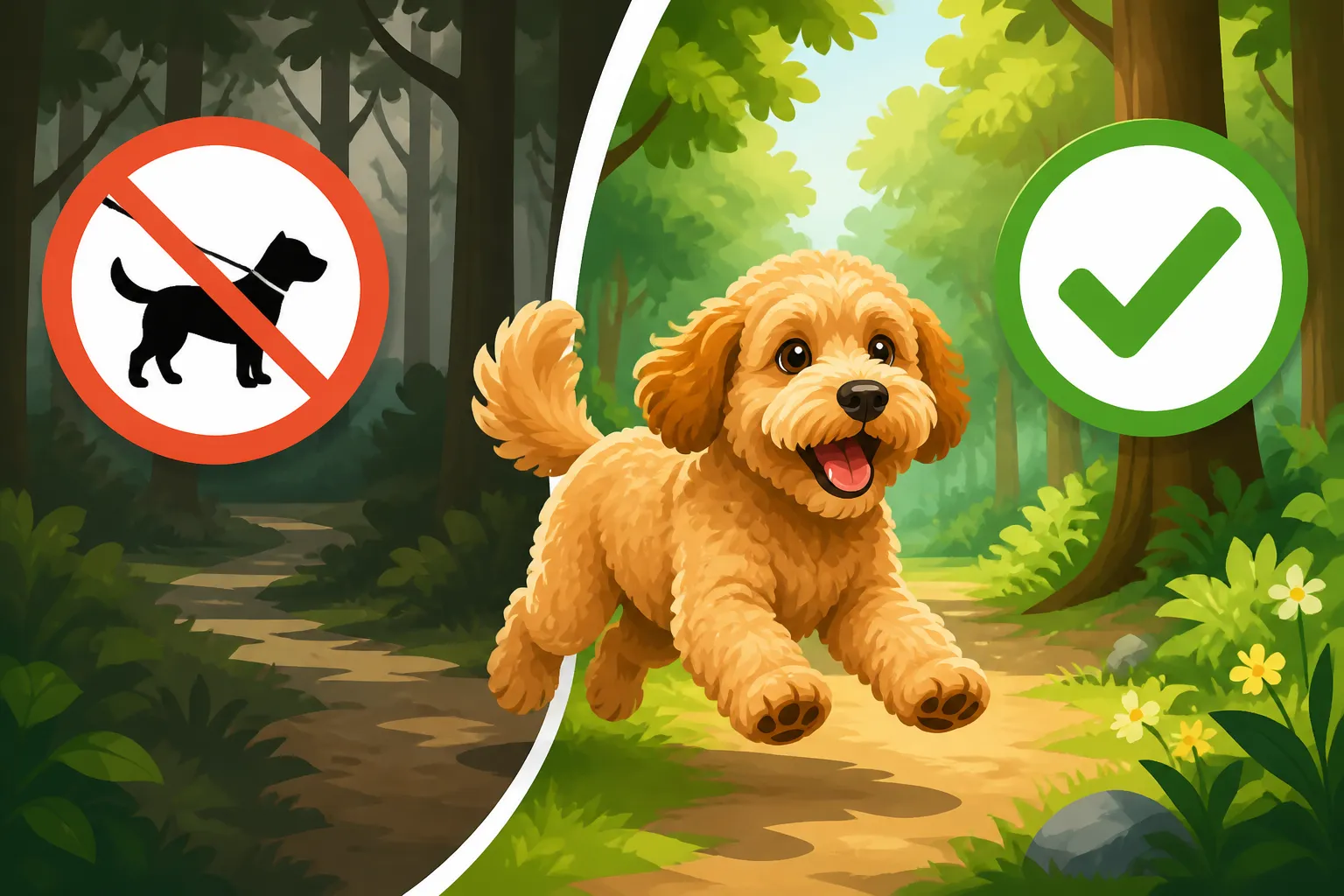
There's nothing quite like the dream of letting your Cockapoo run freely through a beautiful woodland, sniffing every intriguing scent and burning off energy. But that dream can quickly turn into a heart-stopping nightmare when your beloved companion vanishes, chasing a squirrel or an unfamiliar scent deep into the trees. This guide is all about navigating the joys and very real risks of off-leash adventures with your Cockapoo in the woods, and how to build the confidence you need for a truly safe and enjoyable experience.
Understanding the Cockapoo's Instincts in the Woods
To truly understand whether your Cockapoo should be off-leash in the woods, we first need to delve into the very core of what makes a Cockapoo tick. They aren't just fluffy bundles of joy; they are a blend of two highly intelligent and, crucially, historically active breeds: the Cocker Spaniel and the Poodle. Each parent breed contributes distinct instincts that come alive when they're faced with the rich sensory environment of a forest.
The Spaniel's Scenting and Flushing Drive
The Cocker Spaniel half of your Cockapoo brings a powerful, inherent drive to scent, find, and "flush" game. Picture a Cocker Spaniel working diligently through dense undergrowth, nose to the ground, bursting into action when it finds a bird or rabbit. This isn't just a quaint historical fact; it's a deep-seated behavioral pattern that often remains incredibly strong in Cockapoos. When your Cockapoo is off-leash in the woods, every rustle, every faint animal trail, every fresh patch of moss becomes an irresistible invitation to follow their nose.
This scenting drive means your Cockapoo might zig-zag on a walk, head down, completely absorbed in the olfactory world around them. They are naturally inclined to "quarter" – to systematically work an area back and forth in front of you – a trait inherited from their hunting ancestors. This intense focus on scent can make them effectively deaf to your calls once they've picked up a compelling trail. The thrill of the chase, even if it's just the scent of a phantom rabbit, can override all prior training, leading to your Cockapoo disappearing from sight in a heartbeat. For more on this, you might find The Flushing Drive Still Alive in a Cockapoo helpful.
The Poodle's Intelligence and Independent Streak
While the Cocker Spaniel contributes the hunting vigor, the Poodle side adds layers of intelligence and, sometimes, an independent streak. Poodles are renowned for their problem-solving abilities and their capacity to learn complex commands. However, this intelligence can also mean they're quick to assess a situation and decide if your command is truly more rewarding than the exciting squirrel they just spotted. They might understand "come," but if the forest adventure is more stimulating, their Poodle brain might weigh the options and choose the more exciting path.
Historically, Poodles were also retrieving dogs, often from water, which means they have an innate drive to explore and retrieve. This combination of intelligent curiosity and a desire to work independently can lead to a Cockapoo that feels confident venturing further away from you, especially if they believe they are "working" a scent or exploring an interesting new area. Their focus can be intense, and while they are highly trainable, their independence means that recall isn't always a guaranteed reflex, especially when pitted against the thrilling sensory overload of a forest. The trick is to make yourself the most exciting thing in the woods.
Assessing the Risks of Off-Leash Freedom in a Woodland Environment
While the idea of a happy, free-roaming Cockapoo in nature is appealing, the reality of woodland environments presents a unique set of hazards. It's crucial for any Cockapoo owner to realistically assess these risks before making the decision to unleash their dog. The serene beauty of the woods can hide dangers that a city park simply doesn't pose, and your Cockapoo, with all its inherent instincts, is particularly susceptible to them.
The Dangers of Wildlife and Other Dogs
One of the most immediate and significant risks in a natural woodland setting is encounters with wildlife. Your Cockapoo's powerful scenting and flushing instincts mean that deer, rabbits, squirrels, and even larger animals like foxes or coyotes become irresistible targets. A chase can lead your dog far from you, directly into dangerous situations. They could be injured by a fleeing animal, run onto a road, or become disoriented in unfamiliar territory. Even seemingly harmless wildlife encounters can result in your Cockapoo being bitten, scratched, or contracting diseases. To delve deeper into this, consider reading Whether a Cockapoo Comes Back From a Rabbit or Whether a Cockapoo Kills Small Animals.
Beyond wildlife, there's always the unpredictable factor of other dogs. Not all dogs you encounter off-leash will be friendly, well-socialized, or even under control. An off-leash Cockapoo can easily blunder into an aggressive dog, leading to a fight that could cause serious injury to either animal. Moreover, some owners of on-leash dogs might appreciate space, and an enthusiastic, off-leash Cockapoo bounding up to them can be a source of stress or even fear. It's a common scenario that can quickly turn a pleasant walk into a tense confrontation.
Getting Lost and Environmental Hazards
Woods are designed to be complex and disorienting, especially for a dog fixated on a scent trail. It's shockingly easy for a Cockapoo to get lost, even in areas you think you know well. A strong gust of wind carrying a new scent, a sudden flush of birds, or an exciting new discovery can send your dog scrambling away from you in an instant. Once out of sight and deeply engrossed in their pursuit, their sense of direction can become muddled, and they may struggle to find their way back to your calling voice, particularly if they've never been trained to check in with you regularly. Whether a Cockapoo Needs a GPS Collar highlights the utility of technology in these situations.
Beyond getting lost, the woodland environment itself harbors numerous physical dangers. Uneven terrain, sharp rocks, hidden roots, and slippery moss can cause cuts, sprains, or worse. Ponds, rivers, or streams might look inviting but can contain strong currents, submerged debris, or harmful bacteria. Poisonous plants, thorns, and burrs can cause irritation or injury. And let's not forget the smaller, but equally insidious, threats like ticks, fleas, and other parasites that thrive in natural settings. It's a good idea to consider these potential hazards before setting your Cockapoo free.
Legal and Ethical Considerations
Finally, we must consider the legal and ethical implications of off-leash adventuring. Many parks and nature preserves have strict leash laws, designed to protect both wildlife and other visitors. Ignoring these regulations can lead to fines, confrontations with park rangers or other dog owners, and potentially even being banned from certain areas. It’s not just about your dog; it's about respecting the rules put in place for everyone's safety and enjoyment.
Ethically, letting your Cockapoo roam freely can impact the delicate ecosystem of the woods. A chasing dog can stress or injure wildlife, disturb nesting birds, or even unintentionally destroy plant life. It's about being a responsible pet owner and a considerate member of the community that shares these natural spaces. Your Cockapoo's freedom should never come at the expense of others' peace or the well-being of the environment.
Building a Reliable Recall: The Cornerstone of Off-Leash Safety
The single most important skill your Cockapoo needs for safe off-leash adventures in the woods is a rock-solid recall. Without it, you're essentially gambling with their safety. A reliable recall means that no matter what exciting distraction crosses their path – a squirrel, a tantalizing scent, another dog – your Cockapoo will immediately turn and come racing back to you. This isn't just about obedience; it's about building a bond of trust and making yourself the most rewarding presence in their world, even when surrounded by irresistible woodland temptations.
Starting with the Basics
Building a reliable recall starts with the absolute fundamentals, long before you even think about stepping foot in a forest. Begin in a distraction-free environment, like your home or a fenced yard. Use a consistent recall cue (a word like "Come!" or "Here!") and pair it with incredibly high-value rewards – think tiny pieces of cooked chicken, cheese, or whatever your Cockapoo goes absolutely bonkers for. Practice frequently, but keep sessions short and fun, ensuring every single "come" results in a jackpot reward and praise. The goal is to build an overwhelmingly positive association with returning to you.
Once your Cockapoo is consistently coming when called in a quiet environment, gradually introduce minor distractions. This might mean practicing in a slightly busier part of your yard, or with a family member gently walking by. The key is to set your dog up for success, never calling them when you know they're too distracted to respond. If they hesitate, it means you've introduced too much distraction too soon. Slowly increase the challenge, always rewarding generously for a successful return. Remember, consistency and positive reinforcement are your best friends here.
Whistle Training and Long Lines
For woodland adventures, a whistle can be an invaluable tool for recall. A whistle offers a consistent sound that cuts through environmental noise better than your voice, and it lacks the emotional variability that can sometimes creep into our vocal commands. Introduce the whistle by blowing it (gently!) and immediately rewarding your Cockapoo with a treat. Repeat this many times over several days, so they associate the whistle with something wonderful. Then, integrate it into your recall practice: blow the whistle, say your verbal cue, and reward. Eventually, you can phase out the verbal cue, making the whistle your primary recall signal. Many trainers find Whether a Whistle Recall Beats a Voice on a Cockapoo to be a game-changer.
A long line is another non-negotiable piece of equipment for safely practicing recall in distracting environments like the woods. This is essentially a very long leash, anywhere from 15 to 50 feet, that allows your Cockapoo to explore while you maintain a safety connection. You can find excellent quality long lines on platforms like Amazon. With your Cockapoo on a long line, you can practice your recall in the woods, letting them wander, then blowing your whistle and reeling them in if they don't respond immediately. This allows you to enforce the command without allowing them to "fail" by ignoring you and running off. It's a crucial step in proofing their recall in real-world situations, building their understanding that "come" always means returning to you, even with compelling scents and sights around. You can learn more about appropriate lengths in How Long a Long Line a Cockapoo Needs.
Addressing Distractions
The biggest challenge for a Cockapoo's recall in the woods is the sheer volume of distractions, especially those irresistible scents. To address this, you need to build up their resilience gradually. Start by practicing in areas with mild distractions (like a quiet park), then move to slightly busier spots, and eventually to the edge of a wooded area. Always begin with your dog on a long line. When they get distracted by a scent, call them back. If they respond, jackpot! If they don't, gently guide them back with the long line and then reward. The key is to interrupt their focus on the distraction and redirect it back to you.
Consider enrolling in an online training program that specializes in reliable recall, such as those offered by BAXTER & Bella. These programs often provide structured lessons and support for tackling common distractions. They'll teach you techniques for engaging your Cockapoo even when their nose is glued to the ground, making yourself more interesting than the environment. This might involve playing short games, using sudden changes in direction, or having them check in with you frequently for high-value rewards. The goal is to make eye contact and engagement with you the most rewarding choice, even when a potent scent trail is screaming for their attention. Whether a Cockapoo Ignores You Once It Scents Something is a highly relevant read here.
Here's a quick comparison of factors influencing off-leash safety in the woods:
| Factor | Benefit (Off-Leash) | Risk (Off-Leash) | Mitigation Strategy |
|---|---|---|---|
| Exercise | Greater physical exertion, mental stimulation | Exhaustion, injury, getting lost | Short, controlled off-leash bursts; varied terrains |
| Mental Enrichment | Explore scents, natural behaviors | Chasing wildlife, encountering toxins | Strong recall, supervision, specific scent games |
| Bonding | Shared adventurous experiences | Stress of losing dog, conflict with others | Positive reinforcement, clear communication |
| Safety | Freedom to avoid hazards | Encounters with aggressive dogs, wildlife, cars | Reliable recall, long line, GPS tracker |
| Legal/Ethical | N/A | Fines, disturbing wildlife, other park users | Know local leash laws, respect others |
Strategies for Safe Woodland Adventures with Your Cockapoo
Even with a perfectly trained recall, taking your Cockapoo off-leash in the woods requires ongoing vigilance and a strategic approach. It's not a set-it-and-forget-it kind of freedom. Your Cockapoo's instincts are powerful, and the environment is constantly changing. To truly enjoy woodland adventures safely, you need to be prepared, proactive, and always mindful of your surroundings and your dog's behavior.
Controlled Exploration versus Free Roam
The decision to go off-leash shouldn't be an all-or-nothing proposition. There's a spectrum of freedom that can be adapted to the specific environment and your Cockapoo's current level of training and focus. Sometimes, a full free-roam might be appropriate in a familiar, securely fenced woodland trail, but in an unknown or particularly dense forest, a more controlled exploration is wise. This might mean using a long line for the entire walk, giving your Cockapoo the sensation of freedom to sniff and explore a wider radius, while you still have ultimate control. It allows them to indulge their scenting drive without the risk of them vanishing.
Alternatively, consider using a shorter, but still extended, lead for sections of the walk where you know distractions are high or visibility is low. You could also opt for designated "off-leash zones" within a larger walk, where you unleash your dog for short bursts in open, visible areas, and then clip them back on before entering denser parts of the woods. The key is to be flexible and constantly assess the situation, choosing the level of freedom that best matches the environment and your Cockapoo's ability to remain attentive to you. Don't be afraid to keep them on leash if the circumstances feel too risky.
Regular Check-ins and Situational Awareness
Successful off-leash woodland adventures rely heavily on your ability to be constantly aware – of your dog, of the environment, and of potential hazards. This means actively supervising your Cockapoo, not just letting them run wild while you stare at your phone. Practice frequent check-ins: call their name, reward them for looking at you, or ask for a quick "sit" or "touch" command. These small interactions reinforce your bond and keep your dog mentally engaged with you, preventing them from getting too engrossed in external distractions.
Situational awareness also means scanning the area ahead for other dogs, people, or wildlife before your Cockapoo spots them. If you see a potential distraction, proactively call your dog back and secure them before they have a chance to bolt. Learn to read your Cockapoo's body language – when their nose hits the ground and their tail starts to wag with intense focus, you know they've picked up a powerful scent. That's your cue to be extra vigilant and ready to intervene. The more you anticipate their instincts, the better you can manage their safety and prevent situations where recall might fail.
Gear for Safety
Finally, equip yourself and your Cockapoo with the right gear to maximize safety and peace of mind during woodland adventures. A GPS tracker, like those often found on Amazon, is an absolute lifesaver for dogs that love to explore. It allows you to track your dog's location in real-time, greatly increasing the chances of finding them if they do get lost, and can provide invaluable peace of mind. Combine this with a bright, reflective collar or vest that makes your Cockapoo highly visible, especially in dense undergrowth or low light conditions.
Always carry an emergency kit with you. This should include fresh water, a portable bowl, high-value treats (for those crucial recalls!), a basic first-aid kit for dogs (antiseptic wipes, bandages, tweezers for ticks), and a charged cell phone. If you're going deep into the woods, consider carrying a flashlight or headlamp, even during the day, in case your walk extends unexpectedly. Being prepared for common woodland challenges means you can handle minor mishaps and focus on enjoying the time with your adventurous Cockapoo.
Disclaimer
This article is for general informational purposes only and does not constitute professional advice. Laws, prices and regulations vary by location and change over time. Consult a qualified professional for guidance on your specific situation.