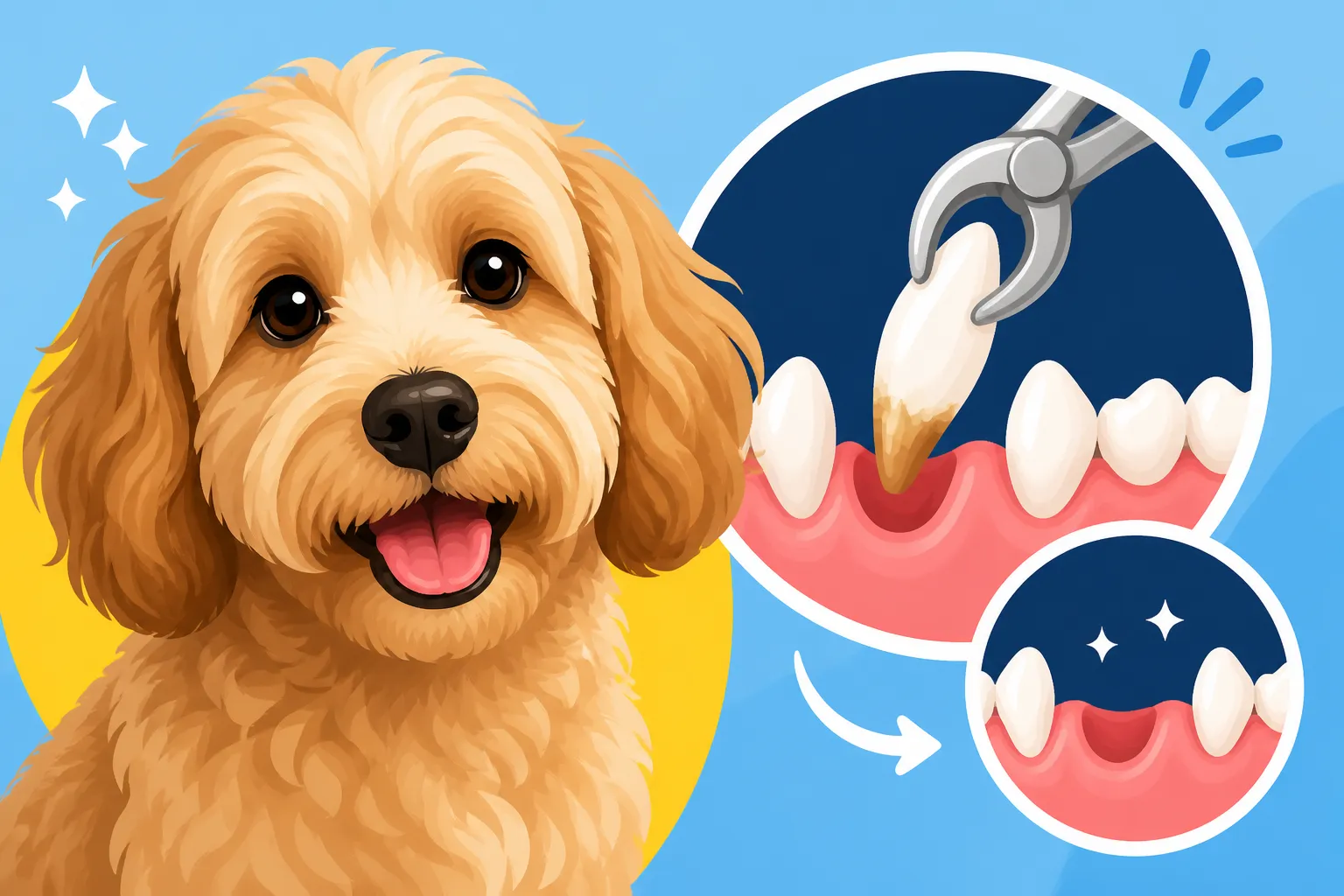
What Extractions Add to a Cockapoo Dental
It's never a fun moment when your beloved Cockapoo's annual vet visit turns into a discussion about potential dental extractions. You walk in expecting a routine cleaning estimate, and suddenly the conversation shifts to pulling teeth, and a feeling of dread about the potential costs starts to creep in. This guide is here to help you understand what exactly adds to the bill when your Cockapoo needs extractions during a dental procedure, empowering you to navigate these conversations with your vet with greater confidence.
Why Dental Extractions Become Necessary for Your Cockapoo
Dental disease in dogs, much like in humans, can range from mild plaque buildup to severe periodontal disease, causing significant pain and health issues. For our sweet Cockapoos, a blend of their Cocker Spaniel and Poodle heritage can sometimes predispose them to certain dental challenges. Cockers are known for having somewhat crowded mouths, which can lead to food and plaque accumulation, while Poodles, though generally having good teeth, can still develop significant issues without proper care. It's a double-edged sword: you get that adorable smile, but sometimes it comes with a predisposition to tooth troubles. Neglecting these issues can lead to much more than just bad breath; it can impact their overall health and happiness.
Common Dental Issues Leading to Extractions
When a vet recommends an extraction, it's usually not a decision taken lightly. The most common culprit is severe periodontal disease. This happens when plaque and tartar build up under the gum line, leading to infection, inflammation, and eventual destruction of the supporting bone and tissues around the tooth. Imagine trying to chew with loose, painful teeth – it’s a miserable experience. If left untreated, this can cause excruciating pain, difficulty eating, and even systemic infections as bacteria from the mouth enter the bloodstream, potentially affecting organs like the heart, kidneys, and liver. The Tumors a Cockapoo Develops or Heart Murmurs in an Aging Cockapoo might develop if oral bacteria are allowed to run rampant.
Beyond periodontal disease, other issues necessitate extractions. Fractured teeth, often from chewing on hard objects like antlers or bones, can expose the sensitive pulp, leading to infection and intense pain. Sometimes, a Cockapoo might have persistent deciduous (puppy) teeth that don't fall out, leading to crowding and malocclusion, which in turn traps food and promotes decay in the adult teeth trying to erupt beside them. We also see cases of root abscesses, where an infection forms at the root of a tooth, requiring removal to alleviate the deep-seated pain and prevent further spread.
Recognizing the Signs Your Cockapoo Needs Dental Attention
Our dogs are masters at hiding pain, so it’s crucial for us as owners to be vigilant. The earliest and most obvious sign is often bad breath. It's not just "dog breath"; a truly foul odor is a strong indicator of bacterial overgrowth in the mouth. You might also notice changes in their eating habits – perhaps they start dropping food, chew only on one side of their mouth, or suddenly become reluctant to eat hard kibble. Some dogs might even avoid toys they once loved, especially chew toys.
Other visible signs can include redness or bleeding along the gum line, visible tartar (a brownish-yellow crust) on the teeth, or even missing teeth. Swelling around the muzzle or under the eye can indicate a severe tooth root abscess that has broken through the bone. Your Cockapoo might also become more irritable, reluctant to be touched around the face, or show signs of lethargy due to chronic pain. If you notice any of these, it's really important to schedule a vet visit promptly. The sooner these issues are addressed, the less extensive and costly the treatment is likely to be. The Red Eye That Means a Cockapoo Needs a Vet Tonight or The First Signs of Kidney Failure in a Cockapoo could be linked to untreated dental disease.
The Cost Components of a Cockapoo's Dental Extraction
When you get that dental estimate, it can feel like a labyrinth of line items. Understanding what each part contributes to the overall cost, especially when extractions are involved, helps you mentally prepare and ask the right questions. It's rarely just the cost of pulling a tooth; it's a comprehensive procedure designed to ensure your dog's safety and comfort.
Pre-Operative Assessments and Anesthesia
Before any dental procedure, especially one involving extractions, pre-anesthetic bloodwork is almost always a necessity. This crucial step screens for underlying health issues, like kidney or liver disease, that might make anesthesia risky. It ensures your Cockapoo's body can safely metabolize the anesthetic drugs and recover effectively. The cost for this bloodwork is a separate charge but is absolutely non-negotiable for your dog's safety.
During the procedure, anesthesia itself involves several costs: the anesthetic drugs, the time spent under anesthesia, and the vital monitoring equipment and personnel. Your vet team will meticulously monitor your Cockapoo's heart rate, blood pressure, oxygen levels, and temperature throughout the procedure. This isn't just a luxury; it's essential to quickly identify and address any complications that might arise. A dedicated veterinary technician is often assigned to monitor your pet continuously, adding to the labor cost. The longer and more complex the procedure (e.g., more extractions, or difficult extractions), the longer your dog will be under anesthesia, which will directly impact this part of the bill.
Complexity of the Extraction Procedure
This is often where the real variation in cost comes into play. Not all extractions are created equal. A simple extraction might involve a loose tooth that can be removed with minimal effort. However, many extractions, especially those for fractured molars or teeth with severe bone loss, are considered surgical. Surgical extractions involve incising the gum, potentially drilling away some bone to expose the root, and then carefully suturing the gum back together. This takes more time, specialized tools, and greater skill from the veterinary team.
Each tooth extracted will add to the cost, as will the specific tooth itself. Removing a small incisor is generally less complicated than extracting a large, multi-rooted molar or canine tooth. Some clinics may charge a flat fee per tooth, while others might categorize by complexity (simple, moderate, surgical). The location of the tooth, the extent of its disease, and whether it's impacted or fractured below the gumline all contribute to its "difficulty rating" and, consequently, its cost.
Here's a simplified look at potential factors influencing extraction costs:
| Factor | Simple Extraction | Surgical Extraction |
|---|---|---|
| Type of Tooth | Small incisors, very loose teeth | Molars, canines, fractured teeth, retained roots |
| Gum Incision | Unlikely or minimal | Required |
| Bone Removal | Unlikely | Often required |
| Sutures | Rarely needed | Always needed |
| Time Under Anesthesia | Shorter | Longer |
| Tools Required | Standard dental instruments | Specialized surgical instruments, dental drill |
| Post-Op Care | Less intensive | More intensive |
| Pain Management Needs | Moderate | Higher |
Post-Operative Care and Medication
Once the extractions are complete, your Cockapoo will still need support to recover comfortably. This includes pain medication, often a combination of anti-inflammatories and stronger pain relief, especially for multiple or surgical extractions. Antibiotics might also be prescribed if there was a significant infection present. These medications are a separate cost but are vital for managing discomfort and preventing post-operative complications.
Some clinics might include a follow-up visit to check the extraction sites and ensure proper healing, which could be bundled into the initial estimate or charged separately. You'll also receive detailed instructions on home care, which may include dietary changes (soft food for a few days), activity restrictions, and how to monitor for any signs of trouble. It’s a lot to take in, but remember that your vet team is there to guide you through it all. Whether a Cockapoo's Eyes Run All Year or Whether a Cockapoo Scoots might seem unrelated, but often a holistic view of your dog's health points to underlying issues that need addressing.
Navigating the Financial Impact and Preparing for the Unexpected
The sticker shock of a comprehensive dental procedure with extractions can be real. However, there are proactive steps you can take to mitigate these costs and prepare for the financial realities of responsible Cockapoo ownership. After all, their health is an investment in their happiness and longevity.
The Role of Pet Insurance and Wellness Plans
This is where pet insurance can truly shine. A good pet insurance policy, like those offered by Healthy Paws, can significantly offset the cost of unexpected veterinary care, including extensive dental procedures. While routine cleanings might not always be covered, treatments for dental disease, including extractions, often are – as long as the condition wasn't "pre-existing" before you enrolled. It's so important to sign up for insurance when your Cockapoo is young and healthy, before any issues arise. You can choose from various providers, and it's always worth looking into their policies on dental care.
Some veterinary clinics also offer wellness plans that bundle routine care, including yearly dental cleanings, into monthly payments. While these might not cover extractions entirely, they make preventative care more affordable, which in turn can reduce the likelihood of needing expensive extractions down the line. It's about finding what works best for your budget and your Cockapoo's needs.
Proactive Dental Care to Mitigate Costs
The best defense against expensive extractions is a good offense! Establishing a consistent home dental care routine is paramount. Daily tooth brushing with a vet-approved enzymatic toothpaste is the gold standard. It might take some patience to get your Cockapoo used to it, but it truly makes a difference in preventing plaque and tartar buildup. You can find excellent dental care products, including toothbrushes, toothpaste, and dental chews, on sites like Chewy. These aren't just toys; many are specifically designed to help scrape away plaque or release enzymes that combat bacteria.
Beyond brushing, dental chews, water additives, and specialized dental diets can all play a supporting role. However, it's crucial to ensure any product you choose carries the Veterinary Oral Health Council (VOHC) seal of approval, which indicates it has met specific standards for plaque and/or tartar control. Regular professional dental cleanings under anesthesia, typically once a year, are also vital to remove hardened plaque and tartar below the gumline that brushing can't reach. It's an investment that can literally save teeth and prevent far more costly and painful problems in the future. Dental Crowding in a Small Cockapoo makes this even more important.
Budgeting for Your Cockapoo's Overall Dental Health
Thinking about dental costs might seem daunting, but it's part of being a responsible pet parent. Just like with human health, dental health is deeply connected to overall well-being. Consider setting aside a dedicated "pet emergency" fund or a specific savings account for vet bills. Even putting away a modest amount each month can build up over time to cover unexpected expenses.
When looking at pet food options, such as those from Ollie, it's worth discussing with your vet if certain diet components might impact dental health. While food itself isn't a replacement for brushing, some diets are formulated to help reduce plaque. The goal is always prevention. By being proactive with home care, scheduling regular vet check-ups, and having a financial plan in place, you can ensure your Cockapoo maintains a healthy, pain-free smile for years to come without feeling completely overwhelmed when an extraction becomes necessary. The Yearly Bloodwork Bill on an FN Cockapoo or What a Kidney Diet Costs a Cockapoo Owner are other costs to consider in your overall budget, and preventing dental issues can help keep other health complications at bay.
Disclaimer
This article is for general informational purposes only and does not constitute professional advice. Laws, prices and regulations vary by location and change over time. Consult a qualified professional for guidance on your specific situation.