Whether a Groomer Turns Away a Pelted Cockapoo
It’s a scenario no Cockapoo parent wants to face: you look at your beloved furry friend, and instead of a fluffy, wavy coat, you see dense, tight mats that have merged into what feels like a solid, painful shell. This is a pelted coat, and it can be incredibly distressing for both you and your dog. When your Cockapoo reaches this point, the question of whether a groomer will even take them for an appointment becomes a heavy burden. This guide will gently walk you through what it means to have a pelted Cockapoo, what groomers are trained to do in such situations, and most importantly, how to prevent it from ever happening again.
Understanding What "Pelted" Really Means for a Cockapoo
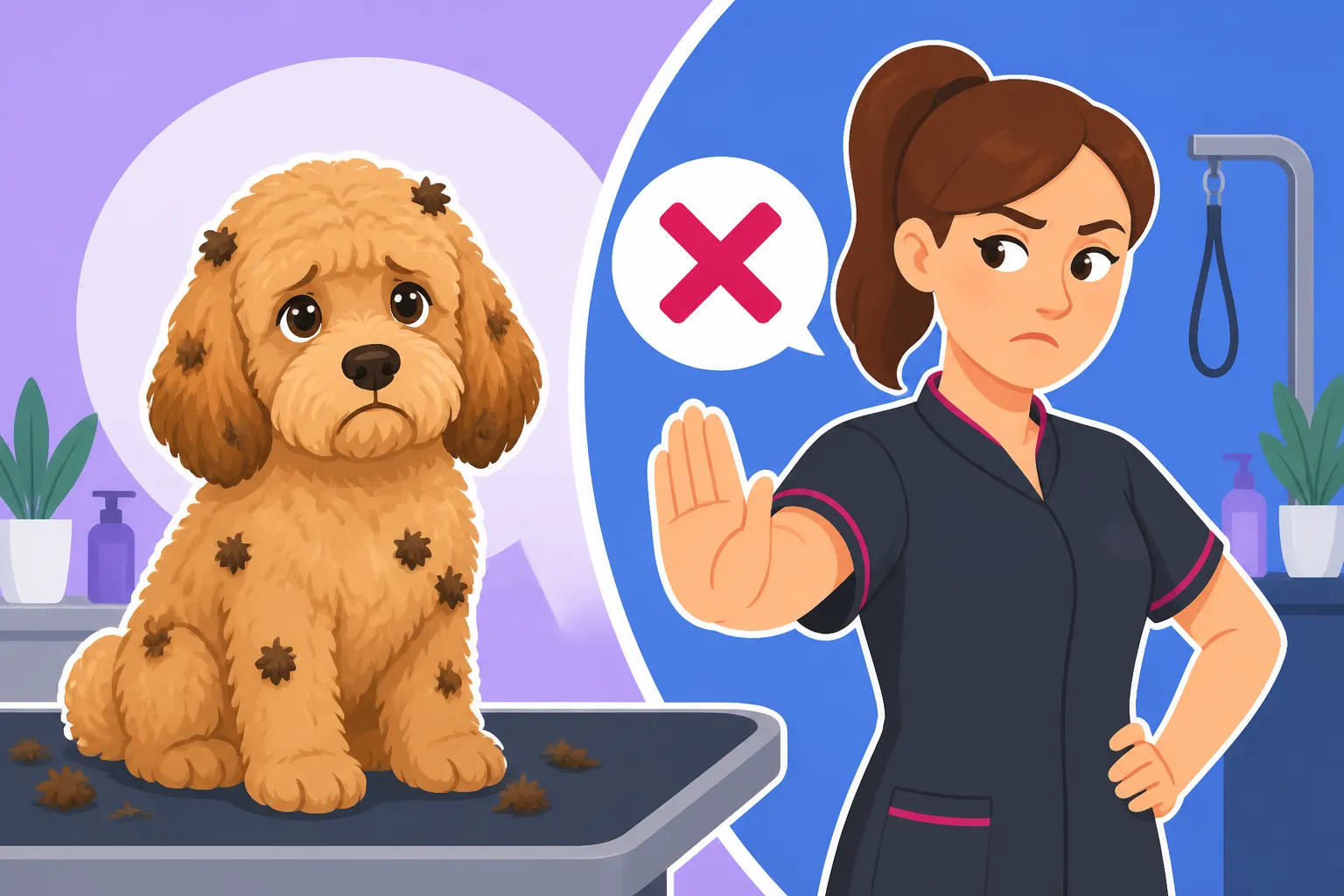
When we talk about a "pelted" coat, we're not just talking about a few tangles or even some stubborn mats. A pelt is an extreme condition where mats have become so extensive and tight that they form a thick, impenetrable layer against the skin, often covering large sections of the body. It’s a very serious issue that can cause significant pain and health problems for your Cockapoo.
The Anatomy of a Pelt: More Than Just a Mat
Imagine your Cockapoo's beautiful, soft coat. Now, imagine tiny individual hairs getting twisted and knotted together. That’s a mat. If these mats aren’t brushed out, they start to pull on the skin. As more hair gets caught, and as the dog moves, sits, and lays down, these mats become tighter and denser. Eventually, they compress, pulling the skin taut beneath them, and merge into one large, felt-like sheet – a pelt.
This isn't just cosmetic. A pelted coat restricts movement, like wearing a too-tight suit that never comes off. It can pull on the ears, eyes, and joints, making even simple actions like walking or shaking their head excruciating. The skin underneath can’t breathe, creating a warm, damp environment perfect for bacterial and fungal infections. You might find redness, sores, or even parasites hiding beneath the dense hair. It’s a literal cage of hair that traps dirt, debris, and moisture, leading to a host of health issues and chronic discomfort.
Why Cockapoos Are Prone to Pelting
Cockapoos, with their delightful mix of Cocker Spaniel and Poodle genetics, often inherit a challenging coat type that is particularly prone to matting and pelting if not meticulously maintained. This isn't a fault of the dog, but rather a characteristic of their mixed heritage.
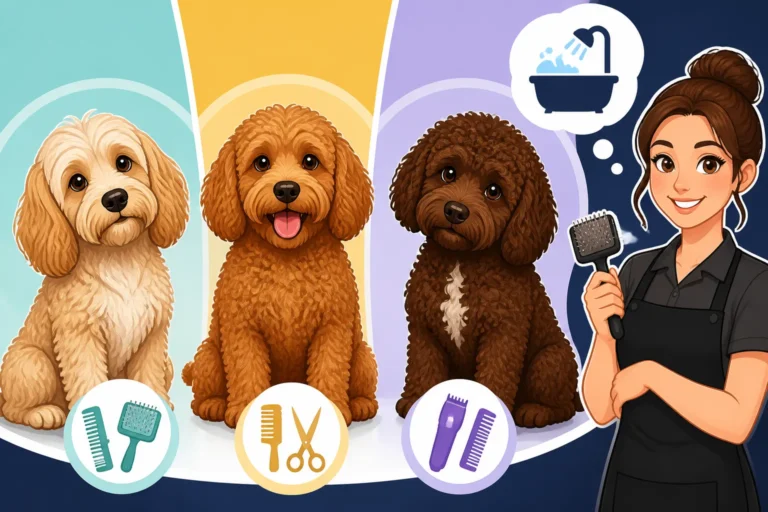
Their coats are typically either wavy or curly, often with a soft, dense undercoat combined with a more Poodle-like topcoat. This combination, known as "furnishings," gives them that adorable teddy bear look but also means their hair continuously grows and doesn't shed like a typical double-coated dog. Instead, shed hair gets trapped within the growing coat, leading to tangles and mats that quickly compound. You can learn more about The Furnishings Gene That Decides a Cockapoo's Face.
A critical period for Cockapoo owners is during their "coat change," which typically occurs between ten and eighteen months of age. During this time, the puppy coat transitions to an adult coat, and the texture can change dramatically, becoming even more prone to matting. Many owners are caught off guard by this, suddenly finding their once-manageable puppy coat is matting almost overnight. Understanding A Cockapoo's Coat Through the Ten Month Change is crucial for proactive care. Other factors include:
- Infrequent or improper brushing: Brushing only the top layer of the coat leaves the undercoat tangled and matting against the skin. Line brushing, which separates the coat and brushes from the skin outwards, is essential.
- Dampness: Allowing a Cockapoo to air dry after a bath, swim, or even a rainy walk without thorough drying and brushing can cause mats to tighten exponentially.
- Lack of professional grooming: Many owners underestimate the frequency and skill required for professional Cockapoo grooming.
- Skipped appointments: Life happens, but even missing one scheduled groom can turn manageable mats into irreversible pelts.
It's a common frustration, and many loving owners find themselves in this predicament, not out of malice, but often due to a lack of understanding about their Cockapoo's unique grooming needs.
A Groomer's Perspective on Pelted Dogs
When you bring a pelted Cockapoo to a professional groomer, they’re not looking to judge you; they’re assessing the situation with your dog’s safety and well-being as their top priority. Their approach is rooted in expertise and ethical considerations, and sometimes, that means making tough decisions.
The Safety First Approach
A professional groomer's absolute first rule of thumb is "do no harm." When confronted with a pelted coat, attempting to brush out dense mats is not only incredibly painful and terrifying for the dog but also extremely dangerous.
Imagine trying to pull apart a thick, matted sweater that is glued tightly to someone’s skin. That's essentially what detangling a pelt involves. The skin underneath a pelt is often pulled taut and thin, making it highly susceptible to tears, nicks, and lacerations from combs, brushes, or even gentle pulling. It can also hide existing sores, infections, or parasites, which could be severely aggravated during a forced dematting process.
Moreover, a dog in pain or extreme discomfort is more likely to react defensively, potentially biting or struggling, which puts both the dog and the groomer at risk of injury. Professional groomers are trained to prioritize a humane approach, which almost always means addressing severe matting with clippers, not brushes.
The "Shave Down" as the Humane Solution
For a pelted Cockapoo, the only humane and safe solution is almost always a full "shave down." This means using clippers to get underneath the matted hair, right against the skin, to remove the entire pelt in one go.
Here’s what that typically entails:
- Assessment: The groomer will carefully feel the coat to determine the extent of the pelting and any underlying skin issues. They’ll explain to you exactly what they see and why a shave down is necessary. This is where transparency and clear communication are key.
- Clipping: Using very short blades, the groomer will painstakingly work to slip the clippers under the mats, between the pelt and the skin. This is a delicate and slow process, as the skin is often stretched tight and thin by the mats, increasing the risk of nicks. A skilled groomer will take their time, using extreme caution.
- Potential for Nicks and Irritation: It’s important to understand that even the most experienced groomer cannot guarantee zero nicks when shaving a severely pelted dog. Because the skin is pulled up into the mat, it can be accidentally caught by the clipper blade. Groomers will do their utmost to prevent this, but it is a known risk. Furthermore, the skin underneath the pelt may be red, irritated, or bruised from the constant pulling and lack of air, even without any nicks.
- Appearance: Your Cockapoo will look dramatically different. They will be very, very short, often appearing "naked." Their coat will be gone, and their true body shape will be revealed. This can be a shock for owners, but it’s a temporary sacrifice for their comfort. The coat will grow back, though it might take time, and some owners wonder Whether a Cockapoo's Coat Grows Back the Same.
- Relief: Despite the drastic change in appearance, the immediate relief for the dog is palpable. They can move freely, their skin can breathe, and the constant pulling sensation is gone.
This process is more labor-intensive and time-consuming than a regular groom, which is why What a Groomer Charges by the Hour to Demat a Cockapoo will reflect the extra effort and specialized care required.
When a Groomer Might Refuse Service
While most groomers are prepared to perform a shave down for a pelted dog, there are specific circumstances where they might refuse service or insist on veterinary intervention first. This refusal is never personal; it is always rooted in ethical responsibility and a commitment to animal welfare.
- Extreme Skin Conditions: If the groomer finds severe skin infections, open sores, maggots, or other serious dermatological issues hidden beneath the pelt, they will likely refuse to proceed. Clipping over compromised skin can spread infection, cause further injury, and be incredibly painful. In these cases, they will strongly advise you to take your Cockapoo to a veterinarian before any grooming can be attempted. The vet can treat the underlying skin problems, prescribe antibiotics or antifungals, and sometimes sedate the dog if the pain is too severe for grooming.
- Aggression or High Stress: A pelted coat is inherently painful. For some dogs, the pain, combined with the fear and discomfort of being handled, can lead to extreme aggression. If a groomer feels they cannot safely complete the shave down without risking injury to themselves or the dog, they will refuse service. They might suggest you seek veterinary sedation for the groom, or recommend a vet clinic that offers grooming services under sedation.
- Lack of Owner Consent/Understanding: If an owner insists on trying to brush out a severe pelt despite the groomer explaining the risks and pain involved, an ethical groomer will refuse to perform that service. They will only proceed with methods that are humane and safe, which for pelts means shaving.
It's a tough conversation, but remember, the groomer is advocating for your dog's best interest. They are trained professionals who understand the intricate balance between aesthetics and animal welfare.
The Aftermath and Moving Forward
A shave down is a fresh start for your Cockapoo, but it's not the end of the journey. There are important considerations for immediate aftercare and, crucially, for preventing future pelts.
Post-Shave Care and Expectations
Once your Cockapoo has been shaved, they will undoubtedly look different. This can be jarring, but focus on the relief they are experiencing. Here’s what to expect and how to care for them:
- Appearance: Your Cockapoo will be very short-coated, perhaps even bald in some areas where the pelting was most severe. Their skin may look pale, pink, or even a bit bruised, especially if the mats were very tight and pulling. This is usually temporary.
- Skin Irritation: The skin, having been suffocated and pulled tight, might be sensitive, red, or itchy after the shave. Monitor for any excessive scratching, licking, or chewing, which could indicate irritation or the beginning of a hot spot. A groomer might recommend a soothing shampoo or a consultation with your vet if irritation persists.
- Temperature Sensitivity: With their insulating coat gone, your Cockapoo will be more sensitive to temperature extremes. In cold weather, they’ll need a sweater or coat for walks. In sunny weather, their bare skin can be prone to sunburn, so limit direct sun exposure during peak hours or consider dog-safe sunscreen.
- Behavioral Changes: Some dogs act a bit "odd" after a shave down, feeling vulnerable or exposed. They might be a little quiet or unsure. Give them extra comfort and reassurance. Others might be exuberant, reveling in their newfound freedom of movement.
- Underlying Issues: The shave down might reveal hidden skin issues you weren't aware of, like flea allergies, dry skin, or other dermatological problems. This is an opportunity to address these with your veterinarian. Maintaining overall health, including good nutrition, can contribute to healthier skin and coat. Products from companies like Chewy or Ollie often offer foods and supplements that support skin health.
Preventing Future Pelts: A Fresh Start
The good news is that a pelted coat is almost entirely preventable with consistent care. This is your chance for a fresh start with your Cockapoo’s grooming routine.
Here’s a practical guide to prevention:
- Daily Brushing (to the skin!): This is non-negotiable for a Cockapoo. You need to brush every day, making sure your brush reaches all the way to the skin. Simply skimming the top of the coat creates mats underneath. Use a slicker brush and a metal comb. The comb is your mat detector – if it can’t smoothly glide through the coat from root to tip, there’s a mat hiding. Tools like The Comb That Finds Mats a Slicker Misses are essential.
- Regular Professional Grooming: Schedule professional grooming appointments every 4-8 weeks, depending on your Cockapoo's coat type and how long you keep it. Your groomer can advise on the ideal frequency. Even if you want a longer coat, regular trims and thorough drying are crucial. You might be surprised at Whether Coat Type Changes the Groom Interval.
- Keep it Shorter (Initially): While the coat grows back, consider keeping it on the shorter side for a while. This makes daily maintenance much easier for you and less prone to matting. You can discuss with your groomer about a What a Teddy Bear Clip Looks Like on a Cockapoo or a What a Puppy Cut Looks Like on a Cockapoo that suits your lifestyle.
- Thorough Drying After Baths/Swims: Never let your Cockapoo air dry. Blow dry their coat completely while brushing to prevent mats from forming as the hair dries.
- Address Problem Areas: Pay special attention to areas prone to matting: behind the ears, armpits, inner thighs, tail, and where harnesses rub. These areas require extra daily attention.
- Open Communication with Your Groomer: Don't be afraid to ask your groomer for advice or demonstrations on how to brush effectively. They are your partners in keeping your Cockapoo comfortable and healthy. If you’re struggling, talk to them early before small mats become pelts.
Financial Considerations of Neglect vs. Prevention
It's easy to think that skipping grooming appointments saves money, but the reality is quite the opposite. Dealing with a pelted Cockapoo almost always incurs higher costs.
A shave down for a severely matted dog typically costs significantly more than a regular groom due to the extra time, specialized tools, and increased risk involved. Moreover, if skin infections or injuries occur beneath the pelt, you'll face veterinary bills for diagnosis and treatment. This could include medications, medicated shampoos, or even sedation for cleaning and examination. While pet insurance providers like Healthy Paws can help with unexpected vet bills, preventing these issues through consistent grooming is always the best and most cost-effective approach.
Here's a simplified look at the cost comparison, illustrating why prevention is truly priceless:
| Item | Regular Grooming (Preventative) | Pelted Emergency Grooming (Reactive) |
|---|---|---|
| Frequency | Every 4-8 weeks | One-time, after severe matting |
| Service Provided | Bath, brush, trim, nail clip, ear clean, anal gland expression | Full shave down, often with specialized handling and extra time |
| Time Investment | Predictable, standard appointment duration | Significantly longer, painstaking process |
| Dog's Comfort | Generally pleasant, low stress | Can be painful, stressful, and frightening |
| Potential Risks | Low (minor nicks, minor irritation) | Higher (skin nicks, cuts, severe irritation, infections) |
| Aesthetic Outcome | Maintains desired coat style | Drastic short shave, may look "naked" |
| Additional Costs | None, beyond regular grooming fee | Higher grooming fee, potential vet bills for skin issues/sedation |
Ultimately, investing in consistent, preventative grooming for your Cockapoo is an investment in their comfort, health, and your peace of mind.
Bringing a pelted Cockapoo to a groomer is a difficult experience, but it’s a necessary step towards alleviating your dog's pain and discomfort. While a groomer might initially refuse service if the situation demands immediate veterinary attention, their ultimate goal is always to provide humane care. By understanding why pelts form, what groomers must do to address them, and how to implement a consistent grooming routine, you can ensure your Cockapoo lives a happier, healthier life, free from the agony of matted fur. Embrace this fresh start, learn from the experience, and enjoy that wonderfully fluffy, well-cared-for Cockapoo coat once more.
Disclaimer
This article is for general informational purposes only and does not constitute professional advice. Laws, prices and regulations vary by location and change over time. Consult a qualified professional for guidance on your specific situation.