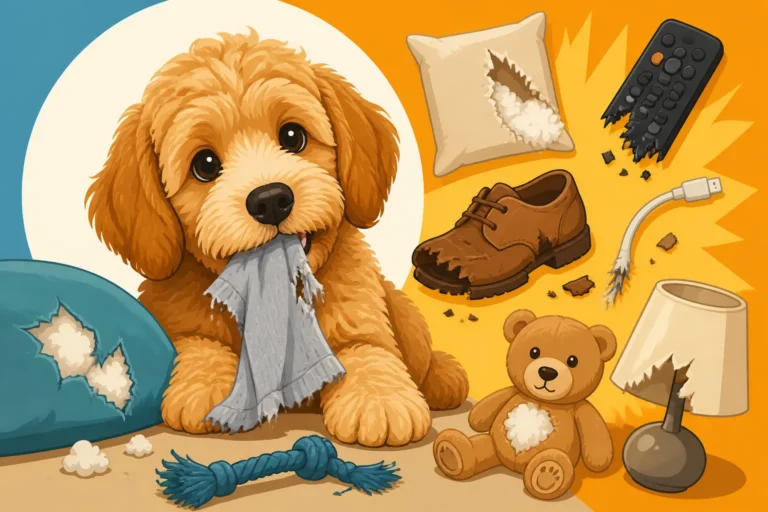
Why Cockapoos Fill Puppy Mills
It's incredibly disheartening to discover that so many Cockapoos, those adorable, fluffy bundles of joy, end up in dire conditions within puppy mills. Many hopeful families, eager for a new pet, inadvertently fuel this cruel industry, only to find themselves facing heartbreaking challenges with a sick or traumatized puppy. This comprehensive guide aims to unpack the complex reasons why Cockapoos are so frequently found in these mass-breeding operations and equip you with the knowledge to recognize, avoid, and ultimately help combat the proliferation of puppy mills.
The Irresistible Appeal: Why Cockapoos Are Puppy Mill Magnets
Cockapoos have exploded in popularity over the past few decades, becoming one of the most sought-after "designer" breeds. Their charming personalities, often described as playful, affectionate, and intelligent, combined with the perception of being "hypoallergenic" and low-shedding, make them seem like the perfect family pet. Unfortunately, this very popularity creates a fertile ground for unscrupulous breeders to exploit the demand, leading to a surge in puppy mill operations.
The "Designer Breed" Allure and Misconceptions
The term "designer breed" itself, while often implying careful selection and superior traits, has become a double-edged sword for Cockapoos. It often means a cross between a Cocker Spaniel and a Poodle, two wonderful breeds in their own right. The promise of a dog with the Poodle's intelligence and coat, and the Cocker's sweet nature, sounds ideal. However, in the hands of a puppy mill, this often means simply breeding two dogs together with little regard for health, temperament, or genetic screening. They capitalize on the public's desire for a specific look and perceived benefits, often without understanding the true genetics involved. People are drawn in by cute photos online, thinking they're getting a unique and superior dog, not realizing the chaos that can come from haphazard breeding.
Lack of Regulation and Breed Standards
Unlike established purebred dog breeds, Cockapoos, as a crossbreed, don't have a universally recognized breed standard from major kennel clubs like the AKC. While there are passionate Cockapoo clubs working towards formal recognition and ethical breeding guidelines, this lack of overarching regulation leaves a significant void. Puppy mills thrive in this unregulated space because there are no strict rules they must follow regarding breeding practices, housing conditions, or health testing. They can churn out litter after litter without fear of official repercussions from governing bodies focused on purebred dogs. This regulatory vacuum makes it incredibly easy for them to operate under the radar, cutting corners at every turn to maximize profit.
The High Demand for "Hypoallergenic" Dogs
The widespread belief that Cockapoos are inherently hypoallergenic is another major driver for their demand, and thus, their appeal to puppy mills. While many Cockapoos do have a low-shedding coat inherited from their Poodle parent, it's not a guarantee, and no dog is truly 100% hypoallergenic. However, for families with allergies, the prospect of owning a dog that won't trigger symptoms is incredibly enticing. Puppy mills market heavily on this promise, pushing out puppies regardless of whether their individual coat genetics truly lean towards low-shedding or not. The focus is purely on selling the dream, even if the reality falls short, often leaving families disappointed and the dog potentially needing rehoming if allergies prove too severe.
Spotting the Red Flags: How to Identify a Puppy Mill
Avoiding puppy mills starts with knowing what to look for and, more importantly, what to ask. These operations are masters of deception, often creating seemingly charming online presences or using brokers to distance themselves from their grim realities. But with a keen eye and a commitment to asking tough questions, you can protect yourself and future puppies.
Signs of a Questionable Breeding Operation
The hallmark of a puppy mill is profit over welfare. This manifests in many subtle, and not-so-subtle, ways. One of the biggest red flags is a breeder who has multiple breeds available at once, especially a rotating cast of "designer" mixes. Ethical breeders typically specialize in one or two breeds they are passionate about and deeply understand. Another warning sign is a breeder who is always advertising puppies, implying a constant stream of litters without adequate breaks for the mother dogs. They might seem overly eager to sell, pushing for a quick transaction, or refuse to let you see the puppies' living conditions or meet the parents. If they offer to meet you in a public place, like a park or highway rest stop, rather than at their facility, that's a huge alarm bell. You're buying a living creature, not a used car, and proper transparency is non-negotiable.
| Feature | Ethical Breeder | Puppy Mill / Broker |
|---|---|---|
| Transparency | Welcomes visits to their home/kennel, introduces parents | Meets in public, provides limited access to facility |
| Health Testing | Provides verifiable health certificates for parents | No health records, vague assurances, avoids topic |
| Parent Dogs | You can meet the mother (and sometimes father) | Parents not available, often hidden, or appear ill |
| Environment | Clean, spacious, stimulating; puppies well-socialized | Unclean, cramped, noisy; puppies often shy/fearful |
| Knowledge | Deep knowledge of breed, health, temperament | Limited knowledge, generic answers, focus on sale |
| Contract/Support | Detailed contract, lifetime support, take-back policy | Minimal contract, no support, disappears after sale |
| Puppy Availability | Plans litters, often has a waiting list | Always has puppies, multiple breeds/litters at once |
Red Flags in Online Listings and Pet Stores
The internet has become a significant conduit for puppy mill sales. Beware of online listings that feature generic photos, often stock images or pictures of puppies that look too young to be weaned. Listings that emphasize price over provenance, or those that promise immediate delivery without any vetting process for the buyer, are highly suspect. If the seller pressures you for a quick decision or demands full payment upfront without a clear contract, proceed with extreme caution. Pet stores are another common outlet for puppy mill puppies. Many stores source their animals from large commercial breeding facilities, which are essentially puppy mills. Even if they claim their puppies come from "USDA-licensed breeders," remember that USDA licensing only sets minimal standards for commercial operations and does not guarantee humane or ethical breeding practices. Whether a Pet Store Cockapoo Is Ever Tested is a critical question to ask, and often the answer is no, leaving you vulnerable to significant future costs and heartbreak.
Questions to Ask a Potential Breeder
When speaking with a breeder, don't be shy. Ask about their experience, how many litters they breed per year, and why they chose Cockapoos. Inquire about the health testing performed on both parents, not just a general statement that they are "healthy." Specific tests for Cockapoos might include screenings for conditions like Familial Nephropathy and the Kidneys a Cockapoo Can Inherit, Progressive Retinal Atrophy (PRA), hip and elbow dysplasia, and patellar luxation. Ask to see the actual certificates, not just take their word for it. A reputable breeder will be proud to share these results and explain what they mean. They should also ask you plenty of questions about your living situation and experience, as they want to ensure their puppies go to good, loving homes. If a breeder seems more interested in your payment than your ability to care for a puppy, that's a serious warning.
The Hidden Toll: The True Costs of a "Bargain" Cockapoo
That seemingly inexpensive Cockapoo from an unknown source often comes with a much higher price tag in the long run. Puppy mills prioritize quantity over quality, leading to a host of health and behavioral problems that can devastate families financially and emotionally.
Immediate and Long-Term Health Issues
Puppy mill puppies are often bred from parents who haven't had any genetic health screening. This means they are at a much higher risk for inheriting debilitating conditions. Imagine bringing home a puppy, only to find out a few months later that it's suffering from a painful joint condition like hip dysplasia, or a serious eye disease like Progressive Retinal Atrophy in a Cockapoo that will eventually lead to blindness. These conditions require extensive veterinary care, expensive medications, and potentially costly surgeries. The initial savings on the purchase price quickly disappear, replaced by vet bills that can run into thousands of dollars. Beyond inherited conditions, puppy mill puppies often come with parasites, infectious diseases like kennel cough or parvovirus due to unsanitary conditions, and chronic issues from poor nutrition. What a Mill Bred Cockapoo Costs You Later isn't just a figure; it's a profound emotional and financial burden.
Behavioral and Socialization Problems
The conditions in puppy mills are not conducive to proper puppy development. Pups are often kept in cramped, unsanitary cages, with minimal human interaction and little exposure to the sights, sounds, and experiences necessary for healthy socialization. This deprivation in their crucial early weeks and months can lead to lifelong behavioral problems. These might include extreme shyness, fear, aggression, separation anxiety, house-training difficulties, and compulsive behaviors. A Cockapoo with a strong The Flushing Drive Still Alive in a Cockapoo might become an uncontrollable chaser of anything that moves if not properly socialized and trained. Dealing with these issues requires immense patience, time, and often expensive professional training or behaviorist consultations. It's a heartbreaking reality for families who envisioned a happy, well-adjusted pet, only to face a dog struggling to cope with the world.
The Financial Strain on Owners
When you factor in the potential for extensive veterinary care for genetic and infectious diseases, plus the cost of professional behavior training, that "bargain" Cockapoo can quickly become one of the most expensive dogs you'll ever own. Many families find themselves in an impossible position, having fallen in love with a dog that is constantly ill or deeply troubled, facing immense bills they hadn't anticipated. Pet insurance providers like Healthy Paws can certainly help mitigate some of these unforeseen costs, but often genetic conditions or those diagnosed early in life might be subject to waiting periods or exclusions, especially if they are identified as pre-existing conditions. It highlights the importance of choosing a puppy from a breeder who has invested in the health of their lines. Without proper health records or transparency, Whether an Untested Cockapoo Litter Is a Gamble is a question with a very high-stakes answer for your wallet and your heart.
Beyond the Bargain: Supporting Ethical Breeding Practices
Choosing an ethical breeder isn't just about avoiding puppy mills; it's about actively supporting responsible practices that prioritize the health, temperament, and welfare of dogs. It’s an investment in a happy, healthy future for your Cockapoo.
Characteristics of a Responsible Breeder
A responsible breeder is passionate about their dogs, not just about making a quick sale. They will typically specialize in one or two breeds and have an in-depth understanding of their specific genetic health concerns, temperament traits, and grooming needs. They welcome potential buyers into their homes or clean kennel facilities, allowing them to meet the mother dog (and sometimes the father, if he's on-site) and observe the puppies in a stimulating, clean environment. They provide clear documentation of health clearances for both parent dogs, usually from certified veterinary specialists or genetic testing companies. Furthermore, they will have a comprehensive contract that outlines health guarantees, spay/neuter clauses, and often a "take-back" clause, meaning they will always take the dog back if you can no longer care for it. They're a resource for life, offering ongoing support and advice to their puppy owners.
The Importance of Health Testing and Pedigrees
Health testing is paramount. For Cockapoos, this includes screening for conditions common in both Cocker Spaniels and Poodles. This might involve DNA tests for issues like Progressive Retinal Atrophy (prcd-PRA) or Familial Nephropathy (FN), and physical examinations for conditions like hip and elbow dysplasia, patellar luxation, and eye certifications from a veterinary ophthalmologist. These tests significantly reduce the risk of puppies inheriting painful or life-limiting conditions. Reputable breeders will not only perform these tests but will be transparent with the results, offering certificates and explanations. While Cockapoos don't have traditional pedigrees like purebred dogs, an ethical breeder will still be able to provide information on the lineage of both parent dogs, showing their health history and temperament. This transparency allows you to see the effort and care that has gone into producing a healthy litter.
Understanding the True Price of a Well-Bred Cockapoo
The upfront cost of a well-bred Cockapoo puppy will naturally be higher than one from a puppy mill. This price reflects the significant investment the breeder has made in their dogs: purchasing quality breeding stock, regular veterinary care for the parents, extensive health testing, proper nutrition, early socialization for the puppies, and often, considerable time away from their own personal lives to raise and care for each litter. Think of it as paying for peace of mind and significantly reducing the likelihood of devastating veterinary bills and behavioral struggles down the line. While the sticker price might initially seem high, it's an investment that often saves money and heartache in the long run. Many families choose to budget for pet insurance from providers like Healthy Paws early on, which can be a lifeline for unexpected health issues, further securing that investment.
The Ripple Effect: How Buyer Choices Drive the Market
Every decision we make as potential pet owners has a profound impact on the dog breeding industry. Unwittingly, a choice driven by a desire for a lower price can sustain the very cruelty we wish to eradicate.
The Supply and Demand of "Designer Dogs"
The simple economic principle of supply and demand plays a huge role in the puppy mill problem. When the demand for a particular type of dog, like the Cockapoo, is high, and buyers are not discerning about the source, unethical breeders step in to fill that demand. They can produce puppies quickly and cheaply because they cut corners on everything – health, housing, nutrition, veterinary care, and genetic testing. Every time someone buys a puppy from a pet store, an anonymous online ad, or a seller who won't allow visits, they are directly, albeit often unintentionally, putting money into the pockets of puppy mill operators. This reinforces the business model, ensuring that more dogs will suffer in the future. Educated buyers, however, have the power to starve this cruel market.
Why Avoiding Pet Stores and Online Brokers Matters
Pet stores and online brokers often act as intermediaries for puppy mills. They create a façade of legitimacy, allowing the mills to remain hidden from public scrutiny. When you buy from a pet store, you rarely get to meet the puppy's parents or see the conditions in which they were bred. The same goes for brokers who ship puppies to you from unknown locations. These channels prioritize transaction volume over animal welfare. By consciously choosing to avoid these outlets, you cut off a significant revenue stream for puppy mills. Instead of making a quick, anonymous purchase, take the time to research, visit, and interact with a reputable breeder or rescue organization. This due diligence is your most powerful tool in the fight against puppy mills. You can often find trusted pet supplies, food, and toys from reputable online retailers like Chewy, ensuring your dog gets quality products without indirectly supporting unethical breeding.
Empowering Change Through Education and Advocacy
One of the most effective ways to combat puppy mills is through education. Sharing information about how to identify responsible breeders, the true cost of poorly bred puppies, and the realities of puppy mills can help others make informed decisions. Support legislation that aims to improve animal welfare standards and regulate breeding operations. Advocate for adoption from shelters and rescues, highlighting the many wonderful dogs, including Cockapoos, that are waiting for loving homes. By choosing wisely, speaking out, and supporting ethical practices, we can collectively create a world where puppy mills are no longer profitable and every dog has a chance at a healthy, happy life.
A Second Chance: Finding a Cockapoo Through Rescue
While the focus has been on avoiding puppy mills, it's also important to remember that many Cockapoos, through no fault of their own, end up in rescue. Choosing to adopt offers a wonderful alternative to buying and provides a deserving dog with a much-needed second chance.
Why So Many Cockapoos End Up in Rescue
It's a sad reality that Why So Many Cockapoos End Up in Rescue. Often, dogs from puppy mills are surrendered because their new owners simply cannot cope with the extensive health issues or severe behavioral problems that arise. The dream of a low-maintenance, "hypoallergenic" pet often collides with the reality of high vet bills, chronic illness, or anxiety-driven destructive behaviors. Other times, life circumstances change for owners, or they realize they weren't fully prepared for the commitment of a dog, especially one with the active nature and grooming needs of a Cockapoo. Regardless of the reason, rescue organizations are on the front lines, taking in these dogs and providing them with the care, rehabilitation, and love they desperately need before finding them forever homes.
The Benefits of Adopting a Rescue Cockapoo
Adopting a Cockapoo from a reputable rescue offers numerous benefits. Firstly, you are giving a deserving dog a second chance at a loving life, which is incredibly rewarding. Rescue organizations often have a thorough understanding of the dog's personality, medical history, and potential challenges. They spend time in foster homes, allowing them to assess the dog's temperament around children, other pets, and in various home environments. Many rescue Cockapoos come to their new homes already spayed or neutered, up-to-date on vaccinations, and microchipped, which saves you those initial vet costs. Furthermore, many rescues provide ongoing support and advice, becoming a valuable resource for adopters. The adoption fees, while varying, are typically much lower than buying from a breeder and cover the rescue's costs for vetting and caring for the dog. What a Cockapoo Rescue Charges in Adoption Fees will vary, but it's always an investment in saving a life.
The Adoption Process and What to Expect
The adoption process with a reputable rescue is thorough, and for good reason. They want to ensure a perfect match between dog and family, reducing the chances of another surrender. You'll typically fill out an application form, detailing your living situation, family members (including other pets), experience with dogs, and lifestyle. Expect a phone interview, and often a home visit, where a rescue volunteer will assess your home's suitability and answer any questions you might have. They'll be transparent about the dog's known history, any behavioral quirks, or medical needs. What a Rescue Wants to Know Before Placing a Cockapoo includes things like your daily routine, how much exercise you can provide, and your approach to training. This rigorous process might seem daunting, but it’s a sign of a responsible organization committed to the welfare of their animals. It ensures that when you bring your rescue Cockapoo home, you're prepared and confident, and the dog has the best possible chance at a happy, stable future. When preparing for a rescue dog, it's helpful to stock up on essentials from trusted pet retailers like Ollie, who offer fresh, healthy food options that can aid in a smooth transition for your new family member.
Disclaimer
This article is for general informational purposes only and does not constitute professional advice. Laws, prices and regulations vary by location and change over time. Consult a qualified professional for guidance on your specific situation.