Whether Ear Infections Mean a Cockapoo Has Allergies
It’s incredibly frustrating when your sweet Cockapoo is constantly shaking their head, scratching at their ears, or just generally looking uncomfortable. You clean their ears, you try drops, and yet the dreaded ear infection seems to return like clockwork. This persistent cycle isn't just a nuisance; it's often a clear signal that something deeper is at play. More often than not, those recurrent ear issues are directly tied to underlying allergies. This guide will help you understand why your Cockapoo's ears are so prone to trouble and how to finally tackle the allergic roots of their discomfort.
The Unique Design of a Cockapoo's Ears and Their Predisposition to Problems
Let's be honest, those adorable, floppy Cockapoo ears are a huge part of their charm. But what makes them so cute also makes them a prime target for recurrent infections. It’s a bit of a perfect storm brewed from the genetics of their parent breeds.
Inherited Characteristics from Cocker Spaniels and Poodles
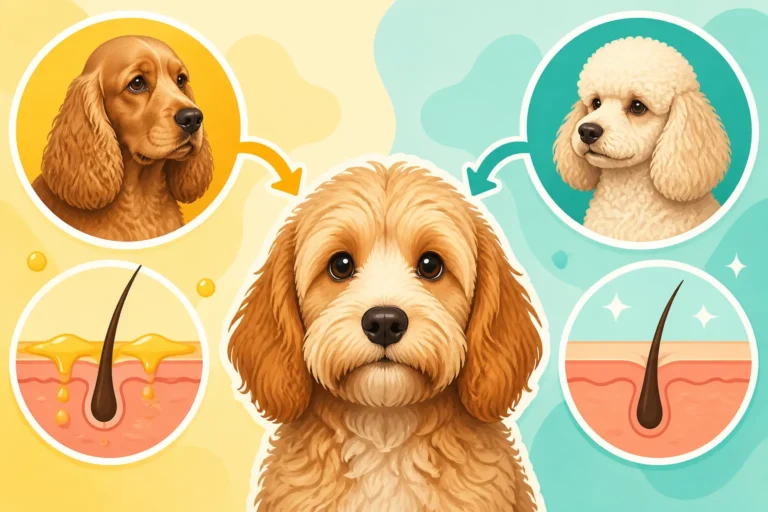
Your Cockapoo is a wonderful blend of a Cocker Spaniel and a Poodle, and their ears often inherit traits from both sides that, unfortunately, make them susceptible to problems. From the Cocker Spaniel, they often get those lovely, long, heavy ear flaps that hang down. While undeniably charming, these flaps act like natural air-tight covers, sealing off the ear canal from proper ventilation. Imagine walking around with earplugs in all day – that’s essentially what’s happening. This lack of airflow traps warmth and humidity inside the ear, creating a cozy, damp environment.
Then, from the Poodle side, many Cockapoos inherit a tendency for significant hair growth inside the ear canal itself. This isn't just a bit of fluff; it can be a dense mat of hair that further obstructs air circulation and traps ear wax, debris, and moisture like a sponge. When you combine these two traits – the floppy, sealed ear from the Cocker and the hairy, often obstructed canal from the Poodle – you end up with an ear that's designed to hold onto moisture and heat. It's truly a setup for trouble, and understanding this anatomy is the first step to proactive care. Keeping an eye on signs like head shaking or pawing at the ears is vital because a constricted ear canal can become a painful problem. If you're wondering, you might find more insights into how these inherited traits impact health by looking at topics like Whether a Cockapoo's Ear Canal Narrows With Age.
The Ideal Environment for Pathogens
So, what happens in this warm, moist, poorly ventilated environment? It becomes a thriving ecosystem for the usual suspects: bacteria and yeast. These microorganisms are naturally present in small amounts on your dog’s skin and ears, but when conditions are just right, they seize the opportunity to multiply rapidly, leading to an infection. The trapped moisture and heat allow yeast, particularly Malassezia pachydermatis, to flourish, causing that distinct, sometimes cheesy or sweet smell, along with redness and itchiness.
Bacteria, such as Staphylococcus or Pseudomonas, also love this kind of damp environment. They can cause more severe, pus-filled infections that are incredibly painful for your Cockapoo. Ear wax, while a natural protective agent, also serves as a food source for these pathogens. When it's trapped by thick hair and poor airflow, it just adds fuel to the fire. Any time your Cockapoo goes swimming, gets a bath, or even just plays outside on a humid day, water can easily get trapped in their ear canals, making the situation worse. Without proper drying, you’re practically inviting an infection. This constant battle against moisture is why addressing concerns about Whether a Cockapoo's Ear Feathering Traps Damp is so important for their comfort.
Unmasking the Allergy Connection: When Ear Infections Are More Than Just Infections
Many Cockapoo owners find themselves in a frustrating cycle of treating ear infections only for them to return. While topical treatments might clear up the immediate infection, they don't address the underlying cause. And often, that cause points directly to allergies.
Allergic Reactions as the Root Cause
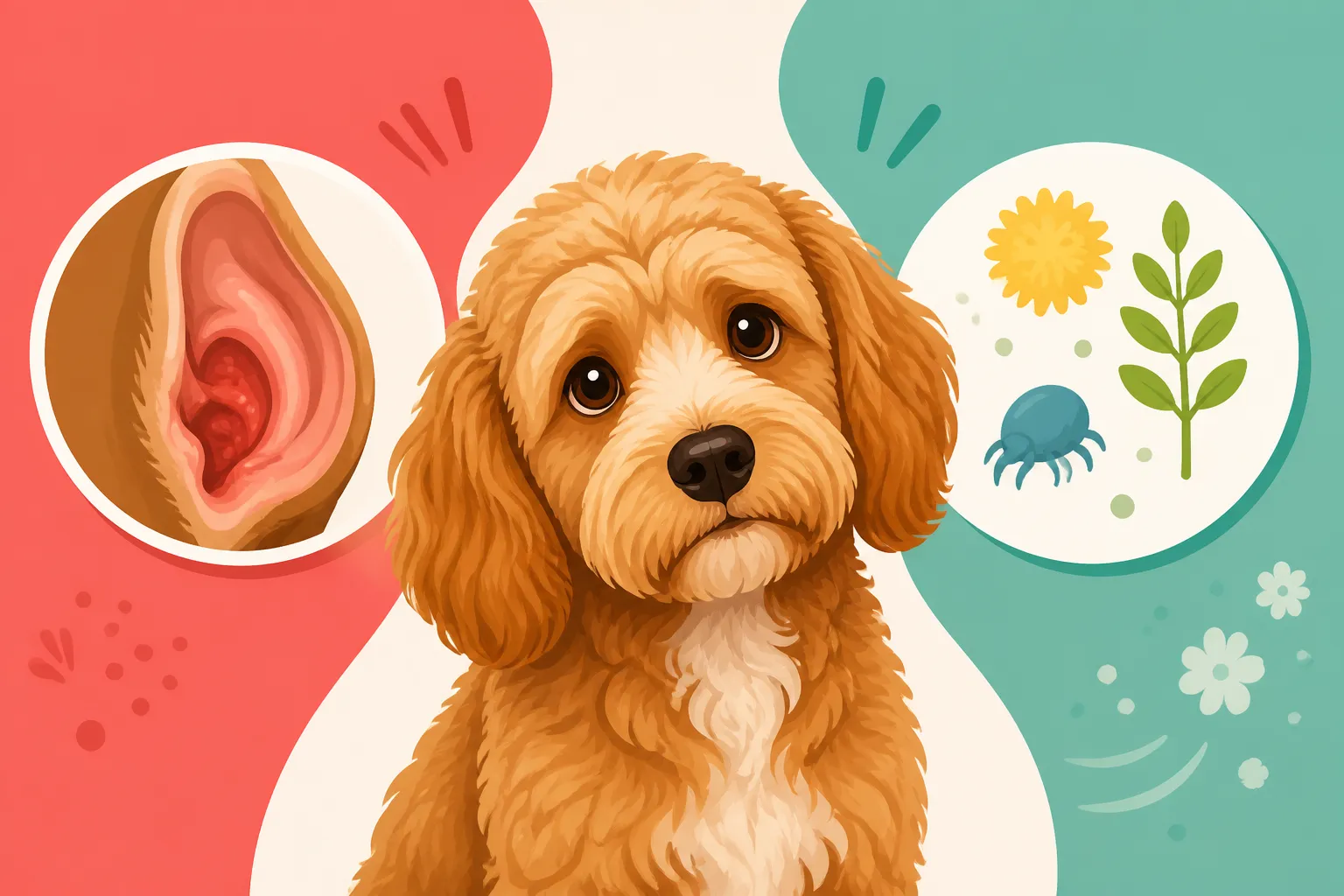
Here's the critical piece of the puzzle: allergies, whether environmental or food-related, trigger inflammation throughout your dog's body, and the ears are a common target. When your Cockapoo is exposed to an allergen, their immune system overreacts, releasing inflammatory mediators. This causes the skin lining the ear canal to become red, itchy, and swollen. The inflammation itself is problematic because it further narrows the ear canal, making that existing poor airflow even worse.
This creates a vicious cycle. The initial inflammation from allergies makes the ear canal itch intensely. Your Cockapoo then scratches, rubs, or shakes their head excessively, which can cause micro-abrasions or trauma to the delicate skin inside the ear. These tiny breaks in the skin act as open invitations for yeast and bacteria to move in and set up shop. The constant scratching also perpetuates the inflammation, making the ears even more uncomfortable and susceptible to secondary infections. It's a prime example of how one seemingly minor issue can quickly spiral into a painful, recurring problem if the root cause isn't identified and managed. Sometimes, the irritation isn't just in the ears; you might notice other signs, such as Whether a Cockapoo Itches From the Cocker Side.
Common Types of Allergies Affecting Cockapoos
Understanding the different types of allergies is key to pinpointing what might be bothering your Cockapoo. There are two main categories that frequently manifest with ear infections:
Environmental Allergies (Atopy)
These are by far the most common type of allergies in dogs. Just like people get hay fever, dogs can be allergic to things in their environment like pollen from trees, grasses, and weeds, dust mites, mold spores, and even dander from other animals. These allergens are inhaled, absorbed through the skin, or both, triggering an immune response. Environmental allergies can be seasonal, flaring up during specific times of the year (e.g., spring for tree pollen, late summer/fall for ragweed), or they can be year-round if the allergen is always present (like dust mites).
Beyond ear infections, you might notice other tell-tale signs of environmental allergies in your Cockapoo, such as intense itchiness on their paws (leading to licking and chewing), belly, armpits, and around their eyes. The skin can become red, inflamed, and sometimes develop secondary bacterial or yeast infections, not just in the ears but anywhere on the body. This is why addressing issues like Whether Atopy Explains a Cockapoo's Paw Licking is often connected to their overall allergic state.
Food Allergies
While less common than environmental allergies, food allergies can definitely be a culprit behind recurrent ear infections. It's important to understand that a food allergy is an immune reaction to a specific protein in the diet, not just a sensitivity or intolerance. The most common food allergens for dogs include proteins like chicken, beef, dairy, wheat, soy, and eggs. Unlike environmental allergies, food allergies tend to cause year-round symptoms that don't fluctuate with seasons.
Cockapoos with food allergies often present with both skin issues (including ear infections) and gastrointestinal signs like vomiting, diarrhea, or frequent bowel movements. Sometimes, the ear infections are the only outward sign, which can make diagnosis tricky. The key to identifying a food allergy is a strict elimination diet trial, which we'll discuss more later. This involves feeding a novel protein (one your dog has never eaten before) or a hydrolyzed protein diet for an extended period, typically 8-12 weeks, to see if symptoms resolve.
To help you distinguish between potential triggers, here's a quick comparison:
| Feature | Environmental Allergies (Atopy) | Food Allergies |
|---|---|---|
| Onset | Often seasonal, but can be year-round | Typically year-round, regardless of season |
| Primary Site | Paws, belly, armpits, ears, face | Ears, skin anywhere, often accompanied by GI upset |
| Common Triggers | Pollen, dust mites, mold spores, dander | Chicken, beef, dairy, wheat, soy, eggs |
| Response to Diet | Usually no change or minimal improvement | Significant improvement on a novel/hydrolyzed diet |
| Age of Onset | Typically 6 months to 6 years of age | Any age, but often younger than environmental |
| Other Symptoms | Licking paws, rubbing face, skin infections | Vomiting, diarrhea, flatulence, frequent defecation |
This table can be a helpful starting point, but remember, only a vet can truly diagnose the cause. Exploring Whether Allergy Testing a Cockapoo Is Worth It is a decision many owners face. When it comes to managing the long-term costs of such chronic conditions, having robust pet insurance like Healthy Paws can provide significant peace of mind, covering diagnostics and ongoing treatments that can really add up.
Diagnosing and Managing Allergy-Related Ear Infections
When you're dealing with persistent ear infections in your Cockapoo, it's easy to feel overwhelmed. But with a systematic approach, often guided by your vet, you can get to the bottom of it and bring your furry friend much-needed relief.
The Veterinary Diagnostic Journey
Your first step, every single time your Cockapoo has an ear infection, should be a trip to the veterinarian. They'll start with a thorough physical examination, paying close attention to the ears. This usually involves an otoscopic exam, where they use a special tool to look deep into the ear canal and check the eardrum for any damage or abnormalities. What's often even more crucial is an ear cytology. This simple test involves taking a swab from the ear canal, rolling it onto a slide, and examining it under a microscope. This allows your vet to identify whether yeast, bacteria, or ear mites are present, and in what quantities. This immediate identification helps them choose the correct medication for the current infection.
If your Cockapoo is experiencing recurrent ear infections – say, three or more within a year – or if they're particularly severe, your vet will likely want to delve deeper. They might suggest ruling out other potential causes, such as foreign bodies in the ear (like a grass awn), polyps, or tumors, which can sometimes mimic chronic infection. Once these have been excluded, the focus will shift to allergies. Your vet might recommend blood tests (serum IgE tests) to look for antibodies against common environmental allergens or discuss intradermal skin testing, performed by a veterinary dermatologist, which is often considered the gold standard for diagnosing environmental allergies. For suspected food allergies, a strict elimination diet trial is the go-to diagnostic tool. This isn't just switching kibble; it's a carefully controlled dietary change that requires your full commitment. These diagnostic steps can be costly, but knowing that a comprehensive pet insurance plan from providers like Healthy Paws could help mitigate these expenses might encourage you to pursue the full work-up. For a general health check and ruling out broader issues, sometimes vets also discuss tests like The Bloodwork That Catches a Cockapoo's Kidney Disease as part of a complete picture. Furthermore, if the infection is particularly stubborn, your vet may discuss Whether a Cockapoo Needs Its Ears Cultured to identify the specific bacterial strains and their antibiotic sensitivities.
Treatment Approaches for Allergic Otitis
Treating allergic ear infections is a two-pronged approach: clearing the current infection and then managing the underlying allergies to prevent recurrence.
Immediate Infection Treatment
The first priority is always to alleviate your Cockapoo's discomfort and clear up the existing infection. This typically involves:
- Ear Cleaning: Your vet will likely perform a thorough cleaning of the ear canal to remove debris, wax, and discharge. They'll also recommend a specific ear cleaner for you to use at home.
- Topical Medications: Most infections are treated with ear drops or ointments containing a combination of antifungals (for yeast), antibiotics (for bacteria), and corticosteroids (to reduce inflammation and itch).
- Oral Medications: For severe or deep-seated infections, or if there's significant pain and swelling, oral antibiotics or anti-inflammatory drugs might be prescribed.
- Pain Management: In some cases, pain relief medication might be necessary to keep your Cockapoo comfortable during the initial treatment phase.
Allergy Management
Once the immediate infection is under control, the long-term strategy focuses on managing the allergies. This is where you can truly break the cycle of recurrent ear infections.
- For Environmental Allergies (Atopy):
- Medications: Antihistamines (often ineffective on their own for significant allergies), corticosteroids (used cautiously for short-term relief due to side effects), cyclosporine (e.g., Atopica), oclacitinib (e.g., Apoquel), or lokivetmab (e.g., Cytopoint injections). These medications help control the allergic reaction and itch.
- Immunotherapy: This is often the best long-term solution. After identifying specific allergens through testing, a custom vaccine (allergy shots or oral drops) is formulated to desensitize your Cockapoo to those allergens over time. This aims to retrain their immune system.
- Environmental Control: While you can't eliminate all allergens, reducing exposure helps. Use HEPA filters, vacuum frequently, wash bedding regularly, and wipe down your Cockapoo's paws and coat with a damp cloth or pet wipes after outdoor adventures to remove pollen. Regular baths with a gentle, hypoallergenic shampoo can also wash away surface allergens; you can learn more about this by reading Whether Medicated Baths Help a Cockapoo.
- For Food Allergies:
- Elimination Diet Trial: This is paramount. For 8-12 weeks, your Cockapoo must eat only a prescription novel protein or hydrolyzed protein diet. No treats, no table scraps, no flavored medications – absolutely nothing else. If symptoms resolve, food challenges are then performed to identify the specific allergen. Once identified, that ingredient must be strictly avoided for life.
Managing allergies is often a lifelong commitment, but the reward is a happier, more comfortable Cockapoo with significantly fewer ear problems. The ongoing costs of allergy management, whether for specialized diets, medications, or immunotherapy, can be substantial. This is another area where having a good pet insurance plan, such as Healthy Paws, can make a real difference, helping to cover continuous care for chronic conditions like allergies.
Proactive Prevention and Long-Term Wellness for Your Cockapoo's Ears
Preventing ear infections and managing allergies in your Cockapoo is an ongoing commitment, but it’s one that significantly improves their quality of life. Being proactive rather than reactive is the key to keeping those cute, floppy ears healthy and free from discomfort.
Establishing a Consistent Ear Care Routine
Regular, gentle ear care is non-negotiable for a Cockapoo, especially if they are prone to infections. This isn't just about cleaning when there's a problem; it's about routine maintenance to prevent issues from flaring up in the first place.
- Weekly Ear Checks: Make it a habit to lift your Cockapoo's ear flaps and visually inspect their ear canals at least once a week. Look for redness, swelling, discharge (brown, black, yellow, or waxy), or any unusual odors. Early detection can prevent a minor irritation from escalating into a full-blown infection.
- Appropriate Cleaning: Your vet can recommend a suitable ear cleaning solution for your Cockapoo. These solutions are often designed to be pH-balanced and to help break down wax without causing irritation. Never use cotton swabs deep inside the ear canal, as this can push debris further in and potentially damage the eardrum. Instead, use cotton balls or gauze pads to gently wipe the visible parts of the ear and just inside the canal opening after applying the solution.
- Thorough Drying: This is perhaps the most critical step, especially if your Cockapoo loves water. After baths, swimming, or even walks in the rain, make sure to thoroughly dry their ears. You can use cotton balls or a soft cloth to gently absorb moisture from the outer and inner ear flaps. Some owners even use a low-setting hairdryer (held at a safe distance) or a dedicated pet dryer to ensure the canals are completely dry. Remember, a damp, warm environment is exactly what yeast and bacteria thrive on. For insights into how their parentage influences their ear health, considering a deeper dive into Whether the Poodle Ear Canal Helps a Cockapoo might provide useful context for your routine.
- Hair Trimming: If your Cockapoo has excessive hair growth inside their ear canals, discuss with your vet or groomer whether this hair should be plucked or trimmed. While plucking can sometimes cause irritation if not done correctly, reducing the hair can significantly improve airflow and reduce moisture trapping. A professional groomer usually knows the best approach for this.
Lifestyle Adjustments and Environmental Control
Beyond direct ear care, certain lifestyle adjustments and environmental controls can make a huge difference in managing allergy-related ear issues in your Cockapoo.
- Dietary Management: If a food allergy has been identified, strict adherence to the prescribed diet is paramount. Even small amounts of the offending allergen can trigger a reaction. Be vigilant about reading ingredient labels for treats and supplements, and educate family and friends about your Cockapoo's dietary restrictions.
- Reducing Environmental Allergens: For atopic Cockapoos, minimizing exposure to environmental triggers is key.
- Indoors: Use HEPA air filters in your home, especially in rooms where your dog spends a lot of time. Vacuum regularly with a HEPA-filter vacuum cleaner. Wash your Cockapoo’s bedding frequently in hot water to kill dust mites.
- Outdoors: After walks, especially during peak pollen seasons, wipe down your Cockapoo's paws, legs, and belly with a damp cloth or hypoallergenic pet wipes to remove pollen. Consider walking during times when pollen counts are lower (e.g., early morning or after rain).
- Bathing: Regular bathing with a vet-recommended shampoo (often medicated or hypoallergenic) can wash away allergens from your Cockapoo’s coat, providing relief from itching and reducing the overall allergen load on their skin.
- Regular Veterinary Check-ups: Even if your Cockapoo's ears seem fine, regular check-ups are important to monitor their overall health and address any emerging issues before they become severe. Your vet can provide ongoing guidance on allergy management and adjust treatment plans as needed. The cost of comprehensive care for a Cockapoo, especially with health challenges, can be considerable. Investing in pet insurance like Healthy Paws can provide critical financial support, covering a significant portion of vet bills for diagnostics, medications, and treatments, ensuring your Cockapoo gets the best possible care throughout their life. This peace of mind is invaluable, especially when considering What a Cockapoo Costs Before Its First Birthday or throughout their lifespan.
By understanding the unique vulnerabilities of your Cockapoo's ears, recognizing the signs of allergies, and implementing a consistent management plan with your veterinarian, you can help your beloved companion live a much more comfortable and itch-free life.
Disclaimer
The information provided in this article is for general informational purposes only and is not a substitute for professional veterinary advice. Always consult with a qualified veterinarian for any health concerns or before making any decisions related to your pet's health or treatment.