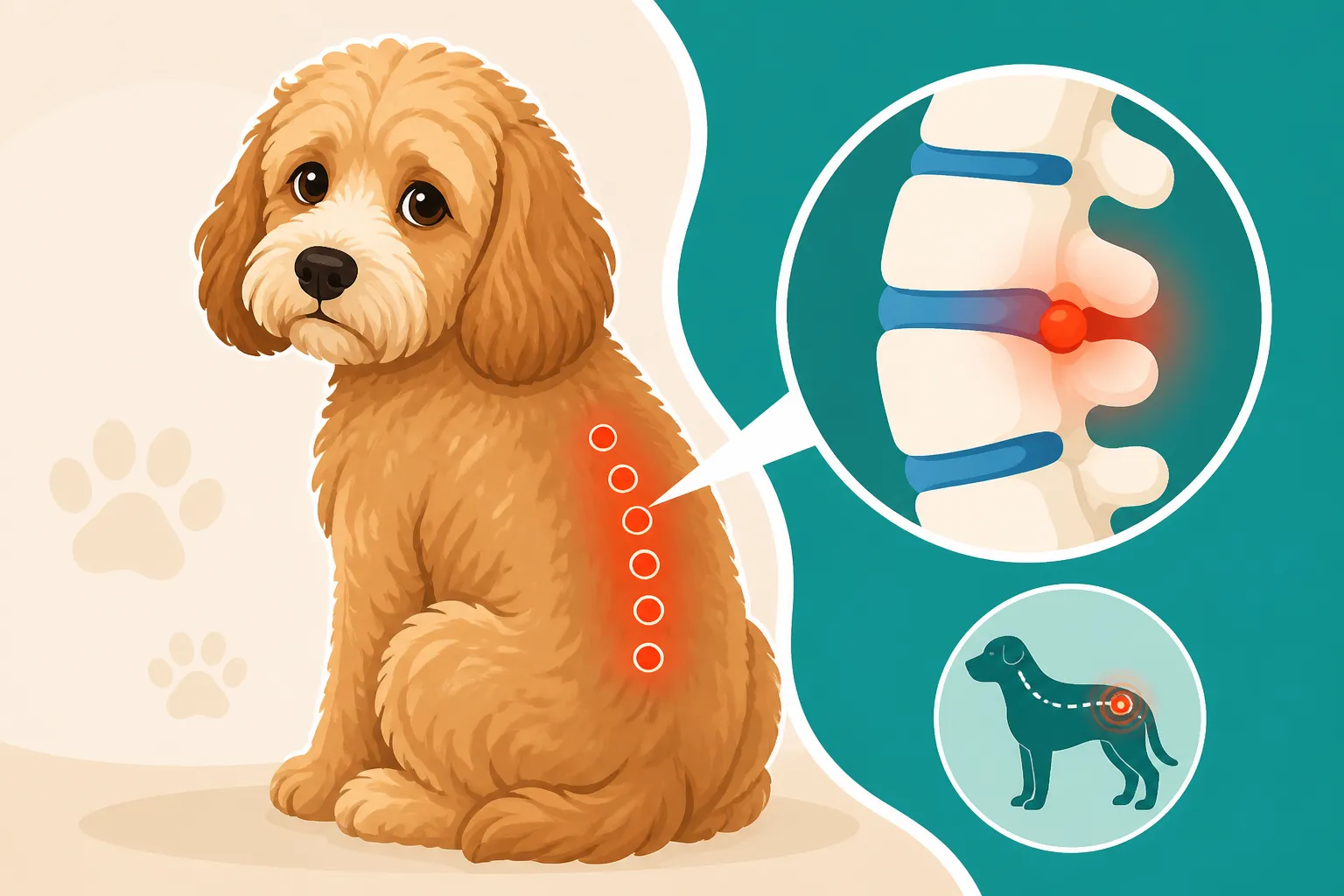
Whether Disc Disease Affects a Cockapoo’s Back
It's incredibly worrying when your beloved Cockapoo, usually so full of bounce and joy, starts showing signs of back pain or struggles with their movement. You might notice them yelping when picked up, dragging a paw, or suddenly becoming reluctant to jump onto the sofa for cuddles. These subtle (or sometimes not-so-subtle) changes can send any pet parent into a panic, and it’s natural to wonder if something serious is going on with their spine. This comprehensive guide will walk you through understanding intervertebral disc disease (IVDD) in Cockapoos, what to look for, and how best to support your furry friend if they are affected.
Understanding Intervertebral Disc Disease IVDD in Cockapoos
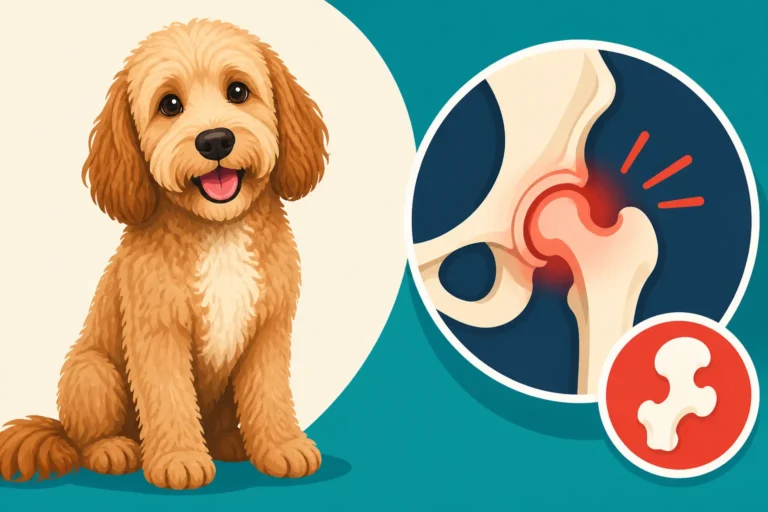
Intervertebral Disc Disease, or IVDD, is a condition that affects the spinal cord of dogs, often leading to pain, nerve damage, and in severe cases, paralysis. It’s essentially a "slipped disc" in human terms, but for dogs, it can be much more debilitating given their quadrupedal locomotion. The spine is made up of numerous vertebrae, and between these bones are soft, jelly-filled discs that act as shock absorbers. These discs allow for flexibility and protect the spine during movement. When one of these discs degenerates, it can either bulge or rupture, pressing on the spinal cord and causing a whole host of problems.
How IVDD Develops in Your Cockapoo
IVDD typically manifests in two main forms: Hansen Type I and Hansen Type II. Hansen Type I is common in chondrodystrophic breeds – those with abnormally short and curved limbs, like Dachshunds, Beagles, and French Bulldogs. In these breeds, the discs prematurely calcify and harden, making them brittle and prone to rupturing suddenly, often after a jump or awkward movement. While Cocker Spaniels, one of the parent breeds of the Cockapoo, aren't classic chondrodystrophic breeds, some lines can still have a genetic predisposition to disc issues. More importantly, the Poodle side, especially Miniature and Toy Poodles, is known to be susceptible to IVDD, which means Cockapoos inherit this potential vulnerability.
Hansen Type II IVDD is a slower, more gradual process where the disc protrudes rather than ruptures suddenly. This type is more often seen in larger breeds and older dogs, and its onset can be insidious, with symptoms worsening over time. For your Cockapoo, a mix of these two parent breeds, the risk of IVDD is a real consideration. It’s not a condition that discriminates based on the cuteness of a Cockapoo; their genetic makeup plays a significant role. Understanding this helps us, as responsible pet owners, be vigilant about signs that might otherwise be dismissed as simple stiffness or old age.
Why Cockapoos Can Be Susceptible to Back Issues
The Cockapoo’s genetic heritage is a fascinating blend, offering many wonderful traits, but also carrying predispositions to certain health conditions. When it comes to back issues, the Poodle influence is often the primary concern for IVDD. Miniature and Toy Poodles have a higher incidence of disc disease compared to many other breeds. This doesn't mean every Cockapoo will develop IVDD, but it does mean the potential is there, and it's something to be aware of. Just like some Cockapoos might inherit a predisposition for Progressive Retinal Atrophy in a Cockapoo, they can also inherit a genetic tendency for spinal issues.
Environmental factors also play a crucial role. Repeated high-impact activities like jumping on and off furniture, running up and down stairs frequently, or sudden twists and turns during play can all put undue stress on a susceptible spine. While it's wonderful to see your Cockapoo full of energy, we need to be mindful of how their daily activities might contribute to spinal wear and tear over time. It’s a delicate balance between encouraging an active lifestyle and protecting their vulnerable backs.
Recognizing the Signs and Severity of Disc Disease
Spotting disc disease early in your Cockapoo can make a huge difference in their prognosis and quality of life. Unfortunately, our furry friends can’t tell us exactly where it hurts, so it’s up to us to be observant and attuned to even subtle changes in their behavior or movement. Don't ever feel silly for noticing something "off" – your intuition as a pet parent is invaluable.
Subtle Early Warning Signs
Sometimes, the first signs of IVDD are so subtle you might second-guess yourself. Your Cockapoo might simply seem a little "off." They might be hesitant to perform actions they once loved, like jumping into the car or onto your bed. Perhaps they’re less enthusiastic about their morning walk, or they yelp unexpectedly when you try to pick them up, especially if you touch their back. A hunched posture, where their back looks slightly curved or stiff, can also be an early indicator. They might hold their head low or walk with a slightly altered gait, almost as if they're walking on eggshells. You might also notice a change in their personality, becoming withdrawn or irritable due to discomfort. These seemingly minor changes are your dog’s way of communicating pain, and they warrant a closer look. If you've been concerned about their overall health as they age, you might also be interested in what changes in a Cockapoo after ten.
Another common early sign is muscle spasms in the neck or back. If you gently touch your Cockapoo's spine and they flinch, or if their muscles feel unusually tight, that's a red flag. They might even shiver or tremble, not from cold, but from pain. Some dogs might excessively lick or chew at a specific area of their back, trying to relieve discomfort. Keep an eye out for any reluctance to turn their head or neck, or a stiff-legged walk, particularly in their hindquarters. These signs, especially if persistent, should always prompt a visit to your veterinarian, as early detection can prevent further damage and improve outcomes significantly.
Escalating Symptoms and Neurological Impact
As disc disease progresses, the symptoms become more obvious and concerning, often indicating more significant neurological compromise. You might observe a pronounced weakness in your Cockapoo's hind legs, causing them to stumble, drag their paws, or even cross their legs when walking, a condition often referred to as "knuckling." Their coordination might seem off, and they could have difficulty getting up from a lying position. In more severe cases, your Cockapoo might lose the ability to use their hind legs altogether, leading to partial or full paralysis. This is an absolute emergency and requires immediate veterinary attention.
Beyond mobility issues, advanced IVDD can also affect bladder and bowel control. If your Cockapoo suddenly starts having accidents in the house, despite being fully house-trained, or if you notice they are straining to defecate or urinate, this could be a sign that the spinal cord compression is affecting the nerves that control these functions. This is a critical symptom, as it indicates severe nerve damage that needs urgent medical intervention. The faster you seek help for these escalating signs, the better the chance of a positive outcome. Remember, conditions like The Gait That Gives Away a Cockapoo's Bad Hips can also manifest in hind leg weakness, making veterinary diagnosis crucial.
Here's a quick overview of IVDD symptom severity:
| Severity Grade | Clinical Signs | Immediate Action Needed |
|---|---|---|
| Grade 1 | Mild pain, stiffness, reluctance to jump/play. | Vet visit, conservative management likely. |
| Grade 2 | Moderate pain, obvious lameness, difficulty walking. | Vet visit, conservative or surgical eval. |
| Grade 3 | Severe pain, partial paralysis (paresis), knuckling. | Urgent Vet Visit, surgical eval likely. |
| Grade 4 | Full paralysis, no voluntary movement, deep pain present. | Emergency Vet Visit, immediate surgery. |
| Grade 5 | Full paralysis, no deep pain sensation, incontinence. | Emergency Vet Visit, immediate surgery. |
Diagnosing and Treating IVDD in Your Cockapoo
Getting an accurate diagnosis for disc disease is the first, most critical step. It requires a thorough examination by your veterinarian, who will likely perform a neurological assessment to pinpoint the affected area of the spine. From there, diagnostic imaging is key to understanding the extent and nature of the disc problem.
The Diagnostic Journey
Your vet will start with a comprehensive physical and neurological exam. This involves checking your Cockapoo's reflexes, pain response, and proprioception (their awareness of where their limbs are in space). They’ll feel along the spine for areas of tenderness or muscle spasms. Based on these findings, they might recommend imaging. Basic X-rays can show changes in the vertebrae or calcified discs, but they don't directly show the spinal cord or soft disc material pressing on it. For a definitive diagnosis, especially if surgery is being considered, advanced imaging like an MRI (Magnetic Resonance Imaging) or CT (Computed Tomography) scan is usually necessary. These specialized scans provide detailed cross-sectional images of the spinal cord and discs, clearly showing where the compression is occurring.
The cost of these diagnostic tests can be significant, and it’s a concern for many pet parents. This is where pet insurance, like a policy from Healthy Paws, can be incredibly helpful. Having a good insurance plan in place means you can focus on making the best medical decisions for your Cockapoo without the added stress of financial burden. It’s always a good idea to discuss the full scope of diagnostic options and their implications with your veterinarian to make an informed decision for your dog’s care.
Treatment Options: Conservative vs. Surgical
Once diagnosed, the treatment approach for IVDD depends heavily on the severity of your Cockapoo’s symptoms. For milder cases (Grade 1-2, sometimes Grade 3), conservative management is often the first line of defense. This typically involves strict crate rest for several weeks (yes, strict – no jumping, no running, just potty breaks on a leash!), anti-inflammatory medications to reduce swelling and pain, and sometimes muscle relaxants. Physical therapy, once the initial pain is controlled, can also play a vital role in recovery, helping to strengthen muscles and improve mobility. Many Cockapoos, particularly if the issue is caught early, can make a full recovery with conservative care. You might also want to look into whether a kidney diet helps an affected Cockapoo, as diet can play a role in overall health and recovery.
However, for more severe cases (Grade 3-5), or if conservative management fails, surgery becomes the best, and often only, option to decompress the spinal cord. A veterinary neurologist or surgeon will perform a procedure, such as a hemilaminectomy, to remove the offending disc material. This can be a life-saving procedure that restores mobility and relieves pain. Post-surgery, intensive rehabilitation and physical therapy are crucial for a successful recovery, which can be a long road but incredibly rewarding. The success rate for surgery is generally high, especially when performed quickly after the onset of severe symptoms. Be prepared for a significant financial commitment, as these procedures can be expensive. Knowing that you have comprehensive pet insurance, perhaps through a provider like Healthy Paws, can certainly alleviate some of that stress, allowing you to focus on your Cockapoo's recovery.
Preventative Measures and Living with a Cockapoo with IVDD
Even if your Cockapoo hasn't shown signs of disc disease, prevention and proactive care are always the best approach, especially given their genetic predisposition. And if they have been diagnosed, managing their environment and lifestyle becomes paramount to preventing recurrence and ensuring their comfort.
Protecting Your Cockapoo's Spine
One of the most effective preventative measures is weight management. Keeping your Cockapoo at a healthy weight reduces the overall stress on their joints and spine. Every extra pound adds pressure, making discs more vulnerable. Regular, moderate exercise is also beneficial for maintaining strong core muscles, which support the spine, but it’s important to avoid activities that involve excessive jumping, twisting, or high-impact landings. For example, discourage jumping off high furniture; instead, train them to use ramps or pet stairs. Similarly, carrying a heavy Cockapoo tears a knee ligament and can also stress the back, so always lift them correctly, supporting their hindquarters and chest.
Consider using a harness instead of a neck collar for walks, as collars can put undue strain on the neck and upper spine, especially if your Cockapoo pulls on the leash. For older Cockapoos, or those with known back issues, you might explore supplements like glucosamine and chondroitin, which can support joint health, but always consult your vet before introducing any supplements to your dog's diet. These small changes in daily routine can make a significant difference over The Fourteen to Eighteen Years a Cockapoo Lives.
Creating a Spine-Friendly Home Environment
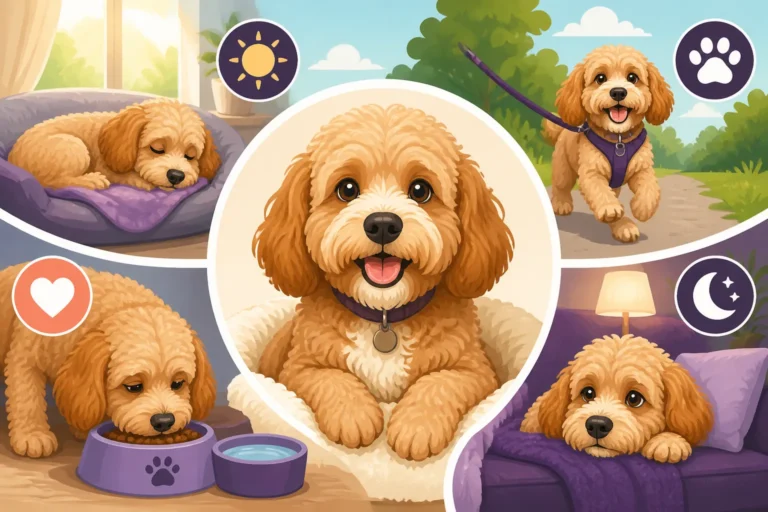
Making your home safe and comfortable for a Cockapoo with or at risk of IVDD involves some thoughtful adjustments. Ramps or pet stairs for beds and sofas are a must to prevent dangerous jumps. Placing non-slip rugs on slippery floors can help prevent falls and awkward movements that could exacerbate a spinal issue. If your Cockapoo spends time crated, ensure the crate is appropriately sized and comfortable, providing ample support.
For dogs recovering from IVDD, or those with chronic conditions, physical therapy and hydrotherapy can be incredibly beneficial. These therapies help strengthen muscles, improve flexibility, and reduce pain in a controlled, low-impact environment. Discuss these options with your vet, as they can recommend certified canine rehabilitation therapists in your area. Continuous monitoring and a strong partnership with your veterinary team are essential for managing IVDD long-term, and again, having a robust pet insurance plan like one from Healthy Paws can provide peace of mind for ongoing treatments, medications, and potential future interventions. Understanding Arthritis in a Cockapoo at Eleven might also give you insights into broader mobility challenges your aging Cockapoo could face.
Disclaimer
This article is for general informational purposes only and does not constitute professional advice. Laws, prices and regulations vary by location and change over time. Consult a qualified professional for guidance on your specific situation.