Whether a Cockapoo’s Eyelids Roll Inward
It’s incredibly unsettling to notice something amiss with your beloved Cockapoo’s eyes, especially when it involves something as delicate as their eyelids. You might catch your furry friend squinting, rubbing their face, or just looking uncomfortable, and a nagging worry sets in: could their eyelids actually be rolling inward, causing them constant irritation? This guide will dive deep into understanding entropion, a condition where the eyelid margins indeed roll inward, explaining what it means for your Cockapoo, how to spot it, and the best ways to tackle it.
What Exactly is Entropion and Why Does it Matter?
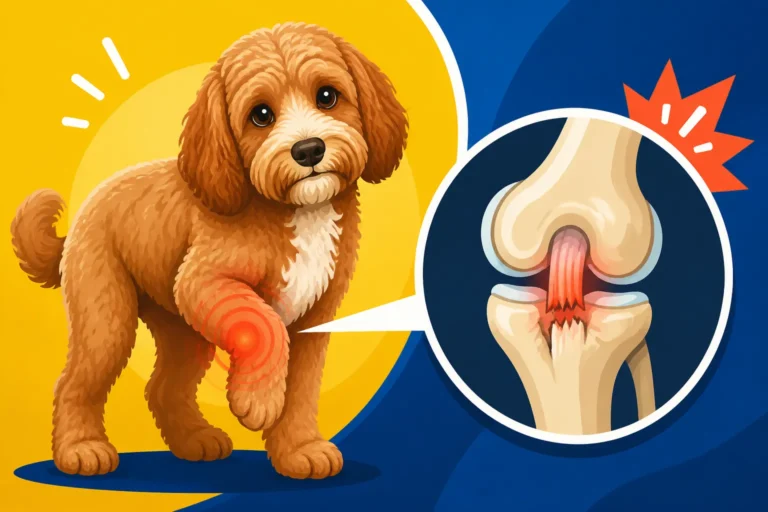
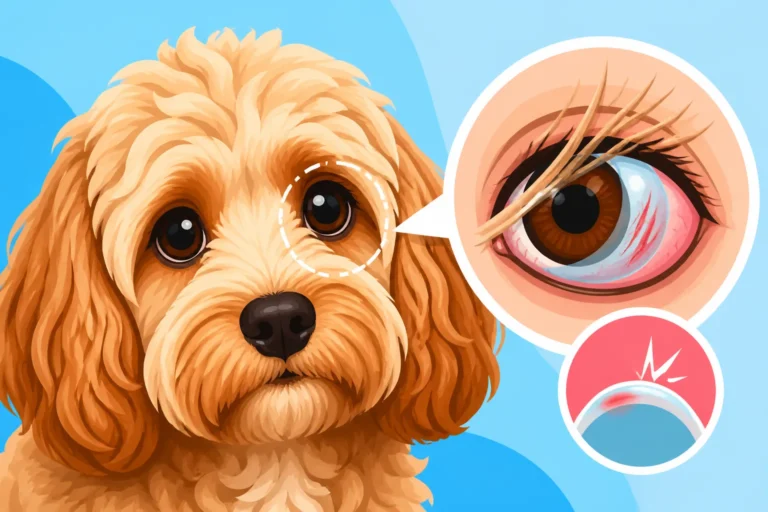
Entropion is a condition where a portion of the eyelid, usually the lower one, rolls inward towards the eye. Imagine having your eyelashes constantly scratching against your eyeball—that’s essentially what your poor pup experiences. This inward rolling causes the hair on the eyelid and the eyelashes to rub against the sensitive surface of the cornea (the clear outer layer of the eye) and the conjunctiva (the membrane lining the eyelids and covering the white part of the eye). It’s not just a minor irritation; it's genuinely painful and can lead to serious complications if left unaddressed.
The Constant Rubbing Causes Real Damage
The delicate cornea of your Cockapoo's eye is not designed to withstand constant friction from coarse hairs. Over time, this rubbing can lead to a host of problems. At first, it might just be mild irritation, causing excessive tearing and some redness. But if the problem persists, those hairs can cause corneal abrasions—essentially scratches on the surface of the eye. These abrasions are painful on their own, but they also open the door for secondary bacterial infections, which can quickly escalate into painful and vision-threatening corneal ulcers. An ulcer is a much deeper wound, and if it becomes severe, it can even lead to corneal rupture and permanent vision loss. That's why understanding entropion and addressing it promptly is so crucial for your Cockapoo's long-term comfort and eye health.
Why Cockapoos Are at a Higher Risk
While entropion can affect any dog, certain breeds are predisposed to it due to their facial structure and genetic lines. Both parent breeds of the Cockapoo—the Cocker Spaniel and the Poodle—can carry a genetic predisposition for entropion. Cocker Spaniels, especially American Cockers, are known for their looser skin and often more pronounced facial folds, which can contribute to the eyelid rolling inward. Poodles, too, can sometimes inherit structural eyelid issues. When you combine these genetic influences, it means a Cockapoo might inherit traits from either side that make them more susceptible. It's not a guarantee, but it certainly elevates the risk compared to some other breeds.
Recognizing the Signs: Is Your Cockapoo's Eye Really Bothering Them?
Spotting entropion early is key to preventing discomfort and more serious eye damage for your Cockapoo. Your dog can't tell you in words that their eye hurts, so it's up to us, their loving pet parents, to be vigilant observers. The signs can range from subtle to quite obvious, depending on the severity and duration of the condition.
The Obvious and Not-So-Obvious Symptoms
One of the first things you might notice is that your Cockapoo is squinting or holding one eye partially closed. This is a natural reaction to pain or irritation, much like we'd squint if something was in our eye. You might also see an increase in tear production; their eyes might seem constantly watery, leading to tear staining on the fur beneath their eyes. This excessive tearing is the eye's attempt to flush out the irritant.
Another tell-tale sign is redness, either in the conjunctiva (the pink lining of the eyelids) or even on the surface of the eye itself. You might notice a thick, yellowish or greenish discharge, which often indicates a secondary bacterial infection that has set in due to the constant irritation. Your Cockapoo might also rub at their face with their paws or against furniture, trying to relieve the discomfort. This rubbing, however, can exacerbate the problem, causing more trauma to the eye.
Furthermore, some dogs become sensitive to light, a condition called photophobia, and might prefer to stay in darker areas or squint more intensely in bright environments. If the entropion is severe, you might even be able to visibly see the eyelid margin folded inward, especially the lower lid. Regular close inspection of your Cockapoo’s eyes, particularly during grooming sessions, can help you catch these signs. Remember, if you see "The Red Eye That Means a Cockapoo Needs a Vet Tonight", don't hesitate – it could be an emergency.
Differentiating Entropion from Other Eye Issues
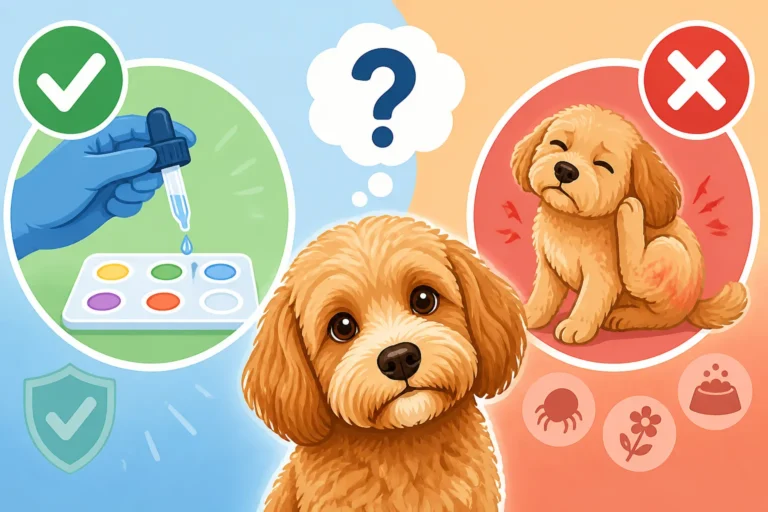
It's easy to jump to conclusions when your Cockapoo has eye irritation, but many conditions can present with similar symptoms. For instance, sometimes a Cockapoo’s eyes run all year due to allergies or simply because of excessive hair around their eyes. "Whether Hair in a Cockapoo's Eyes Scratches the Cornea" is a common concern that can mimic entropion symptoms. Eyelid tumors, foreign bodies (like a piece of grass or dirt), distichiasis (extra eyelashes growing from an abnormal spot), or even allergies can cause redness, discharge, and squinting.
Dry eye, or Keratoconjunctivitis Sicca (KCS), is another common canine eye condition, and you might wonder "Whether a Cockapoo Gets Dry Eye." It causes insufficient tear production, leading to dry, irritated eyes, often with thick mucus discharge. While symptoms can overlap, a key differentiator for entropion is the actual inward rolling of the eyelid. A thorough veterinary examination is the only way to get a definitive diagnosis and rule out other potential causes. It’s also wise to consider that "Whether Eye Disease Runs in Specific Cockapoo Lines" as a general rule, making careful breeder selection and regular check-ups paramount.
The Genetics Game: Where Does Entropion Come From in Cockapoos?
Understanding the root cause of entropion is really important, not just for treatment, but also for future prevention, especially if you're ever considering getting another Cockapoo. For most dogs, including our beloved Cockapoos, entropion is primarily a hereditary condition. It’s a structural flaw that's passed down through generations, making responsible breeding practices absolutely critical.
Inherited Predisposition from Parent Breeds
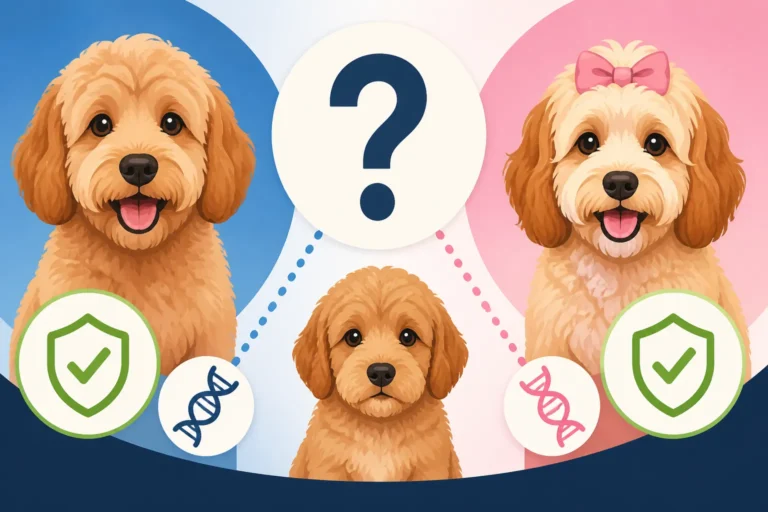
As we touched on, both the Cocker Spaniel and the Poodle, the foundation breeds for the Cockapoo, can carry genes for entropion. Cocker Spaniels, particularly the American variety, often have a more pronounced facial structure with loose skin and a tendency for their lower eyelids to sag or roll. Poodles can also inherit a predisposition, although it might be less common or present differently. When these two breeds are crossed, their offspring, the Cockapoo, can inherit these genetic tendencies. It’s not always a straightforward inheritance pattern, meaning it’s not as simple as a single gene, but rather a combination of factors that influence eyelid conformation.
This is why, when you’re looking for a puppy, "Asking for a Cockapoo's Eye Certificates" from the parents is so vital. Reputable breeders should have their breeding dogs screened for various genetic conditions, including eye issues, by a board-certified veterinary ophthalmologist. These screenings can help identify if a parent dog carries the trait, even if they don't visibly show severe symptoms themselves. For a comprehensive overview, knowing "The Five Certificates a Cockapoo Breeder Should Show" will empower you to make an informed decision.
Different Types and Contributing Factors
While inherited structural issues are the main culprit, entropion isn't a one-size-fits-all condition. There are actually a few different types:
- Developmental or Primary Entropion: This is the most common form in Cockapoos and other predisposed breeds. It's a structural defect present from birth, though it might not become obvious until the puppy is a few months old and starts growing rapidly. The way the eyelids and surrounding facial skin develop simply leads to the inward roll.
- Spastic Entropion: This type isn't primarily genetic. It occurs when a dog experiences significant pain or irritation in the eye from another cause (like a scratch, infection, or foreign body). The pain causes the muscles around the eye to spasm, pulling the eyelid inward and mimicking primary entropion. If the underlying cause of the pain is resolved, the spastic entropion often corrects itself. However, if left untreated, the constant spasticity can lead to permanent structural changes, making it a chronic issue.
- Acquired Entropion: This form can develop later in life due to scar tissue from an injury, previous surgery, or even severe chronic inflammation that causes the eyelid to contract and roll inward. In older dogs, extreme weight loss can sometimes lead to a loss of facial fat, causing the eyelids to appear sunken and roll inward.
Understanding these distinctions helps your vet determine the best course of action. For most Cockapoos, however, we're talking about that inherited developmental form, which highlights the importance of choosing a breeder who prioritizes genetic health testing.
Getting a Diagnosis: What Happens at the Vet's Office?
If you suspect your Cockapoo has entropion, the first and most important step is a visit to your veterinarian. Don't try to self-diagnose or treat it at home, as you could inadvertently cause more harm. A professional diagnosis is crucial for effective treatment and to rule out other serious eye conditions.
The Veterinary Examination Process
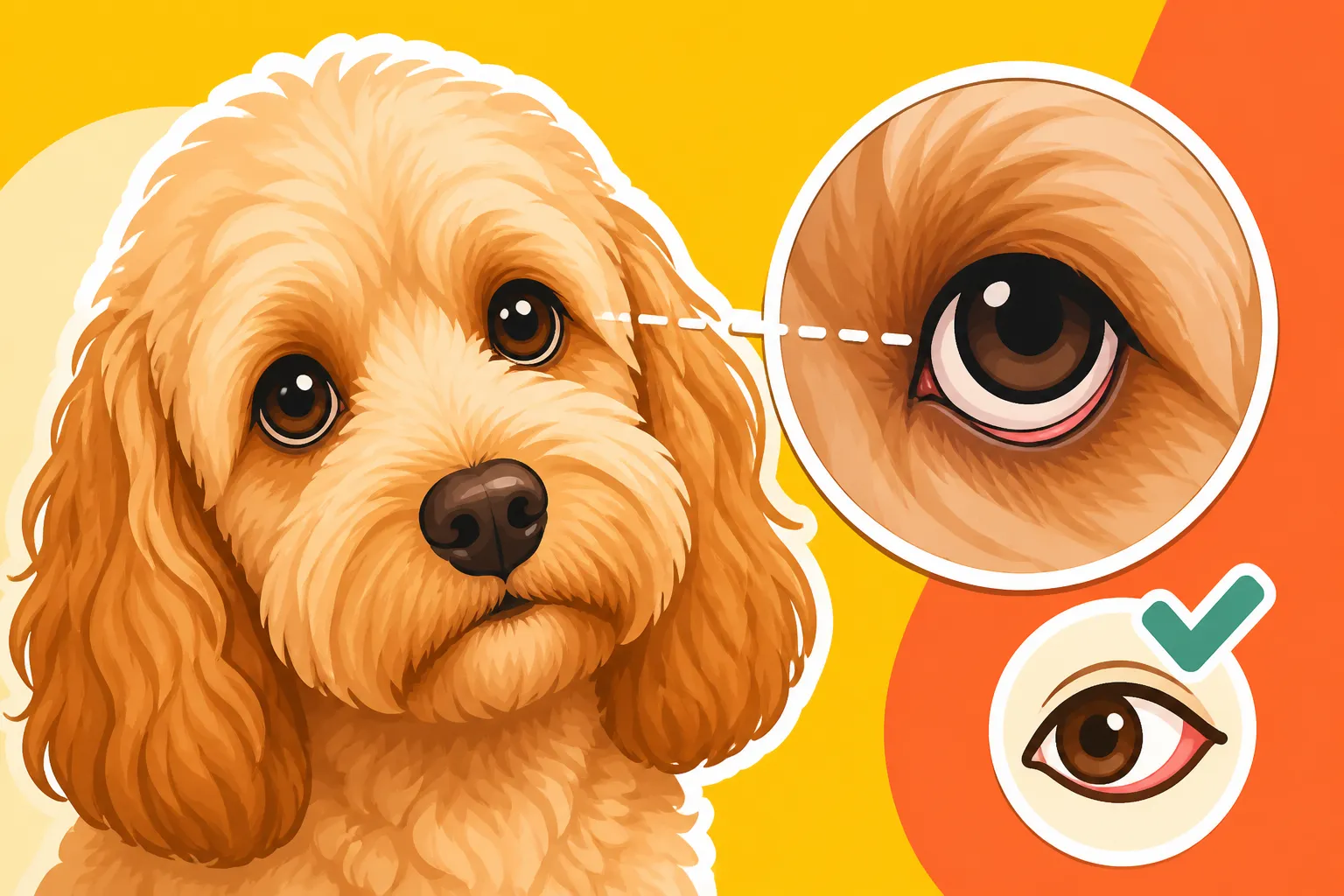
When you bring your Cockapoo in, your vet will perform a thorough ophthalmic examination. This usually starts with a general observation of your dog's face and eyes, noting any squinting, discharge, or redness. They'll gently examine the eyelids, looking for the characteristic inward roll. Sometimes, they might gently manipulate the eyelids to see if they can temporarily correct the inversion and observe how the eyelid sits naturally.
The vet may use a penlight or an ophthalmoscope to get a closer look at the cornea and conjunctiva. They'll be checking for any signs of irritation, scratches (abrasions), or ulcers caused by the rubbing hairs. A fluorescein stain test is often performed. This involves placing a harmless orange dye onto the surface of the eye. If there's any damage to the cornea, like an abrasion or ulcer, the dye will stick to the exposed corneal tissue and glow bright green under a special blue light, making the damage clearly visible. This simple test is incredibly effective for assessing the severity of corneal injury.
Depending on the findings, your vet might also measure tear production (Schirmer Tear Test) to rule out dry eye or check the intraocular pressure (tonometry) if glaucoma is suspected, especially since "Whether a Glaucomatous Cockapoo Loses the Eye" is a serious concern for many owners. These tests help build a complete picture of your Cockapoo’s eye health. It’s a good idea to ensure your Cockapoo gets "The Kidney and Eye Checks a Cockapoo Needs Yearly" as part of their routine health care.
The Importance of Early Diagnosis
Catching entropion early is paramount. The sooner it's diagnosed, the less damage the inward-rolling eyelids can do to the cornea. If detected in puppies, especially before the full development of their adult facial structure, temporary measures might be tried. For instance, in very young puppies, stitches (known as "tacking sutures") can be placed in the eyelids to temporarily evert them and allow the puppy to grow into its normal conformation. This can sometimes prevent the need for permanent surgery.
However, if entropion goes undiagnosed or untreated, the constant irritation can lead to chronic pain, persistent corneal ulcers, scarring, and eventually, impaired vision or even blindness. Early intervention means a better prognosis, less pain for your Cockapoo, and often a simpler, less invasive treatment course. It also means potentially lower vet bills in the long run, as addressing complications like severe ulcers can be quite costly. When considering "What a Cockapoo Costs Before Its First Birthday", remember to factor in potential health issues like this.
Treatment Options: Fixing Those Irritating Eyelids
Once your veterinarian has confirmed that entropion is the issue, it’s time to discuss treatment. The approach will depend on your Cockapoo's age, the severity of the condition, and whether any secondary complications, like corneal ulcers, have developed. For many Cockapoos, surgical correction is the most definitive and effective long-term solution.
Temporary Measures for Pain Relief and Infection Control
Before jumping to surgery, especially if there's significant inflammation or an ulcer, your vet might recommend some temporary treatments. These are aimed at providing immediate comfort and addressing any secondary issues:
- Lubricating Eye Drops or Ointments: These can help create a barrier between the irritating hairs and the cornea, reducing friction and soothing the eye. They don’t fix the entropion, but they can make your Cockapoo more comfortable in the short term.
- Topical Antibiotics: If a corneal abrasion has become infected, or if a corneal ulcer is present, antibiotic eye drops or ointments will be prescribed to clear up the infection. This is crucial to prevent the infection from worsening and causing more severe damage.
- Eyelid Tacking: As mentioned, for young puppies, a temporary procedure called "tacking" might be used. Fine sutures are placed in the eyelid to pull it outward, allowing the puppy's face to grow and hopefully correct the issue as they mature. These sutures are left in for a few weeks and then removed. This is often done if the puppy is too young for definitive surgery or if the vet believes the entropion might resolve with growth.
These temporary solutions are vital for managing symptoms and complications, but they don't usually resolve the underlying structural problem of persistent entropion.
Surgical Correction: The Definitive Solution
For most adult Cockapoos with persistent entropion, surgical correction is the gold standard. The most common surgical procedure is called the Hotz-Celsus technique. It sounds complex, but it’s a relatively common and effective surgery performed by veterinary general practitioners or, for more severe cases, by a board-certified veterinary ophthalmologist.
During the procedure, a small, crescent-shaped piece of skin and muscle is carefully removed from the affected eyelid, typically the lower one. Once this tissue is removed, the edges of the incision are sutured together. This effectively pulls the eyelid margin outward, allowing it to sit in its normal position and preventing the hairs from rubbing against the cornea. The goal is to evert the eyelid just enough to relieve the irritation without over-correcting, which could lead to ectropion (where the eyelid rolls outward).
Post-Operative Care and Prognosis
After surgery, your Cockapoo will need diligent post-operative care. This usually involves:
- E-collar (Elizabethan collar): This is absolutely essential to prevent your dog from rubbing or scratching at the surgical site, which could tear out stitches or introduce infection.
- Pain Medication: Your vet will prescribe pain relievers to keep your Cockapoo comfortable during the healing process.
- Antibiotic Eye Drops/Ointments: These are often continued for a period to prevent infection in the healing eye.
- Follow-up Appointments: Several follow-up visits will be scheduled to monitor healing and remove sutures, usually around 10-14 days after surgery.
The prognosis for Cockapoos undergoing entropion surgery is generally excellent. Most dogs experience significant relief from pain and discomfort, and the recurrence rate is low when performed correctly. In some cases, particularly severe ones, a second minor surgery might be needed if the initial correction isn't quite enough. However, the vast majority of Cockapoos go on to live a much more comfortable life free from chronic eye irritation. A good pet insurance policy, perhaps from a provider like Healthy Paws, can certainly help cushion the financial blow if your pup needs this kind of surgery. Healthy Paws is known for covering unforeseen accidents and illnesses, which would include a condition like entropion if it develops after your policy's waiting period and wasn't pre-existing.
Prevention and Responsible Breeding: A Step Towards Healthier Eyes
While it's impossible to completely guarantee that a Cockapoo will never develop entropion, especially given its genetic component, there are significant steps owners and breeders can take to reduce the risk. It all boils down to informed decisions and proactive care.
Choosing a Reputable Breeder Who Screens
This is, without a doubt, the most impactful step you can take. A responsible Cockapoo breeder will be transparent about the health of their breeding dogs and their lineage. They won't just tell you their dogs are healthy; they'll prove it with documented health screenings. For eye health, this means having both parent dogs examined by a board-certified veterinary ophthalmologist and receiving a Canine Eye Registry Foundation (CERF) or now, OFA Eye Certification (CAER) exam clearance. "Whether a Cockapoo Needs a Yearly CAER Exam" is something breeders should follow for their breeding dogs. These certificates confirm that the parents are free from hereditary eye diseases, including entropion, at the time of the exam.
Don't be shy about asking to see these certificates. A good breeder will be proud to share them and explain what they mean. If a breeder hedges, makes excuses, or claims their dogs don't need testing because "they're a mixed breed and healthier," that's a major red flag. Avoid breeders who sell puppies without health clearances, especially for conditions like entropion that can cause lifelong pain and expensive vet bills. It's a gamble that's often not worth the emotional and financial cost.
Grooming and Environmental Considerations
Even with a well-bred Cockapoo, some environmental factors or grooming practices can contribute to eye irritation that might exacerbate a mild, underlying tendency for entropion or even trigger spastic entropion.
- Proper Face Grooming: Cockapoos have lovely, luscious fur, but it can grow long around their eyes. If left untrimmed, these hairs can poke and irritate the eye, mimicking or worsening entropion symptoms. Regular grooming appointments, or learning to carefully trim the hair around your Cockapoo’s eyes yourself, is crucial. This is also important to prevent "Whether Hair in a Cockapoo's Eyes Scratches the Cornea."
- Avoiding Irritants: Dust, smoke, strong chemicals, or even certain shampoos can irritate your Cockapoo's eyes. Be mindful of where your dog plays and the products you use around them. For instance, if you're bathing your Cockapoo, use a gentle, tearless shampoo specifically formulated for dogs and be careful to prevent soap from getting into their eyes.
- Regular Vet Check-ups: Routine veterinary visits are not just for vaccinations; they're an opportunity for your vet to perform a comprehensive physical exam, which includes checking your Cockapoo’s eyes. Catching any issues early is always beneficial.
Managing Life with a Cockapoo Prone to Eye Issues
Even if your Cockapoo has had successful entropion surgery, or if they have a family history of eye problems, proactive management can significantly improve their quality of life. It’s about being mindful and consistent in their care.
Long-Term Monitoring and Awareness
If your Cockapoo has had entropion, or if you know their parent lines had a history of it, regular, close inspection of their eyes becomes a part of your routine. After successful surgery, recurrence is uncommon, but not impossible. Keep an eye out for any return of symptoms: squinting, redness, increased tearing, or pawing at the face. If you notice anything, contact your vet immediately.
Also, be aware of other potential eye issues that can affect Cockapoos. Beyond entropion, conditions like Progressive Retinal Atrophy (PRA), cataracts, or glaucoma can also be concerns. While entropion is a structural issue, monitoring general eye health is always a good idea. Consider if "Whether a Cockapoo's Cataracts Are Worth Operating On" might be a future consideration. Some pet insurance policies, such as those from Healthy Paws, can be incredibly beneficial for ongoing care or unexpected new conditions, as long as they weren't pre-existing before coverage began.
Grooming and Environmental Adjustments
Ongoing vigilant grooming is key. Even after surgery, the hair around your Cockapoo's eyes will continue to grow. Keeping it neatly trimmed will prevent accidental irritation from stray hairs. This also makes it easier for you to see the eyelids and eyeball clearly. If your Cockapoo frequently explores overgrown areas with lots of brush, consider a shorter "puppy cut" style to minimize debris getting caught in their fur and potentially irritating their eyes.
If your Cockapoo seems sensitive to very dusty environments, consider limiting their exposure. For instance, if you have a dog run that kicks up a lot of dust, ensure their eyes are rinsed with a sterile saline solution afterward, or perhaps consider alternative exercise areas. Simple adjustments to their environment and grooming routine can go a long way in ensuring your Cockapoo remains comfortable and their eyes stay healthy.
Entropion: Symptoms, Causes, and Treatment Overview
| Feature | Description |
|---|---|
| Symptoms | Squinting (blepharospasm), excessive tearing (epiphora), redness of eye/eyelid (conjunctivitis), thick eye discharge, pawing at the face, sensitivity to light (photophobia), visible inward roll of eyelid, corneal abrasions or ulcers. |
| Causes | Primary/Developmental: Inherited structural defect in facial conformation (common in Cockapoos due to Cocker Spaniel/Poodle lineage). Spastic: Secondary to ocular pain/irritation (e.g., foreign body, infection) causing eyelid muscle spasm. Acquired: Due to scar tissue from trauma or chronic inflammation, or significant weight loss in older dogs. |
| Diagnosis | Comprehensive ophthalmic exam by a veterinarian, direct observation of eyelid inversion, fluorescein stain test to detect corneal damage, potentially Schirmer Tear Test or tonometry to rule out other conditions. |
| Treatment | Temporary: Lubricating eye drops/ointments, topical antibiotics for secondary infections, temporary eyelid tacking (especially in puppies). Definitive: Surgical correction (Hotz-Celsus procedure) to remove a section of eyelid skin/muscle and evert the lid. |
| Prevention | Choose reputable breeders who perform genetic health screenings (OFA Eye Certification/CAER exams) on parent dogs. Regular grooming to keep hair away from eyes. Avoiding environmental irritants. Prompt veterinary care for any eye irritation or pain. |
Disclaimer
This article is intended for informational purposes only and does not constitute veterinary advice. Always consult with a qualified veterinarian for any health concerns or before making any decisions about your Cockapoo’s care.