Whether a Glaucomatous Cockapoo Loses the Eye
It's incredibly frightening to wake up and see your beloved Cockapoo's eye looking red, cloudy, or swollen, knowing that something is seriously wrong. The fear that they might be in terrible pain, or worse, could lose their sight or even the eye itself, is a nightmare no pet parent wants to face. This guide will walk you through what happens when a Cockapoo is diagnosed with glaucoma, explaining the progression of this serious condition, the treatment options available, and the difficult decisions that sometimes arise concerning the preservation of your dog's eye.
Understanding Glaucoma in Cockapoos
Glaucoma is not just a simple eye issue; it's a severe, painful condition caused by increased pressure within the eye. Imagine a constant, throbbing headache localized right behind your eye, only exponentially worse. That's a glimpse into what your Cockapoo might be experiencing. Understanding this disease is the first step toward effective management and, hopefully, preventing the worst outcomes.
What Glaucoma Means for Your Dog
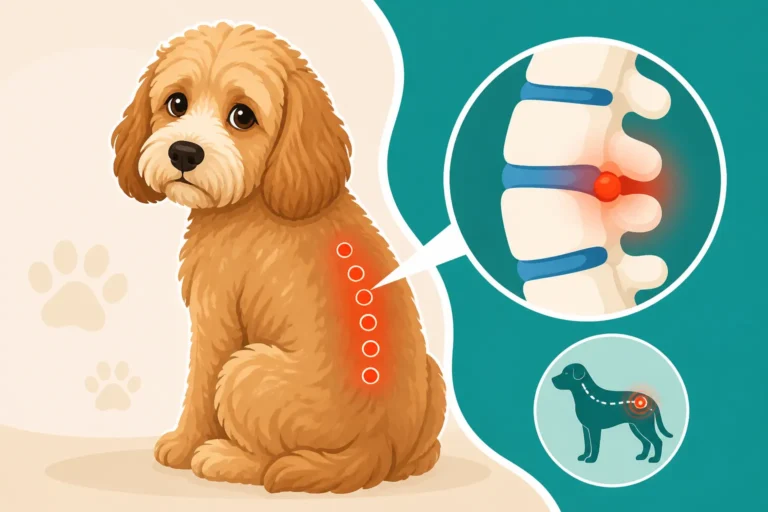
At its core, glaucoma is an ophthalmic emergency where the fluid inside the eye, called the aqueous humor, doesn't drain properly. This fluid is constantly produced, and if it can't exit the eye at the same rate, pressure builds up. This elevated intraocular pressure (IOP) then starts to damage the delicate optic nerve, which transmits visual information from the eye to the brain, and the retina. The longer the pressure remains high, the more damage occurs, leading to irreversible blindness and intense pain.
For a Cockapoo, the onset can be terrifyingly fast. One moment their eye might seem fine, and the next, it's red and they're squinting. This rapid progression is why immediate veterinary attention is paramount. It’s not just about saving vision, but about alleviating profound discomfort. Untreated, the constant high pressure stretches the globe, causing it to enlarge (buphthalmia), which is incredibly painful and visually disfiguring.
The Cocker Spaniel Connection
One of the tough realities of owning a Cockapoo is that they inherit traits, both good and bad, from both parent breeds. When it comes to glaucoma, the Cocker Spaniel side of their lineage is unfortunately a significant factor. American Cocker Spaniels, and to a lesser extent English Cocker Spaniels, are known to be predisposed to primary glaucoma, specifically primary angle-closure glaucoma. This means their eyes are genetically built in a way that makes proper fluid drainage difficult or impossible over time.
This inherited form, often termed primary glaucoma, typically affects one eye first, but without intervention, the other eye will almost inevitably follow, usually within months or a couple of years. It’s a ticking time bomb. Secondary glaucoma, on the other hand, is caused by another underlying eye condition, such as advanced cataracts, inflammation (uveitis), or trauma. While less common than the primary form in Cockapoos, it's still a possibility. This genetic predisposition means that The Glaucoma a Cockapoo Inherits From the Cocker is something all Cockapoo owners should be acutely aware of, making regular eye check-ups even more vital. Owners should also feel empowered to be Asking for a Cockapoo's Eye Certificates from any breeder they consider.
The Race Against Time: When Eye Loss Becomes a Risk
When glaucoma strikes, time truly is vision, and potentially, the eye itself. The window for effective intervention can be incredibly small, often just hours, before irreversible damage sets in. This makes early detection and emergency veterinary care non-negotiable.
How Quickly Vision Can Deteriorate
It's heartbreaking how fast glaucoma can steal vision. In acute cases, where the intraocular pressure spikes dramatically, a Cockapoo can lose their sight in the affected eye within 24 to 48 hours. This isn't a gradual fading; it's often a sudden and profound change. The delicate cells of the retina and the fibers of the optic nerve are highly sensitive to pressure. When they are starved of blood flow and compressed, they die quickly. Once these cells are gone, they cannot regenerate, meaning any vision lost is typically gone forever.
Even if initial treatment successfully lowers the pressure, the damage might already be too extensive to restore vision. The goal then shifts from saving sight to saving the eye itself from chronic pain and discomfort, or even considering more drastic measures if pain cannot be managed. This urgency highlights why The Red Eye That Means a Cockapoo Needs a Vet Tonight is not an exaggeration – it's a critical directive for any pet parent observing symptoms.
Signs Your Cockapoo's Eye Might Be in Danger
Recognizing the subtle, and not-so-subtle, signs of glaucoma is absolutely crucial. As pet parents, we're our dog's first line of defense. Any changes in their eyes or behavior warrant immediate attention. The most common signs include:
- Redness of the whites of the eye (sclera) and surrounding tissues: This is often one of the first and most obvious indicators.
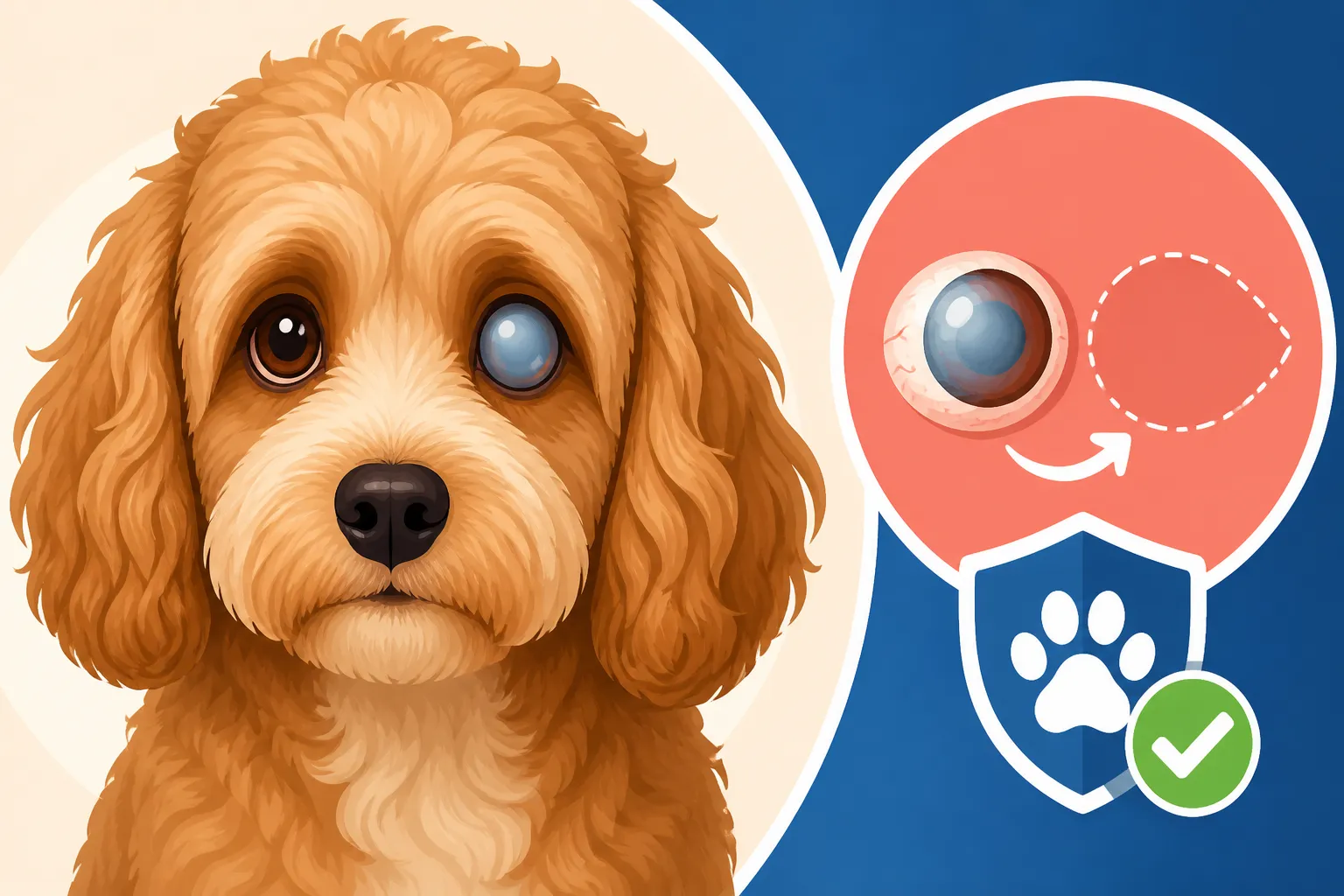
- Cloudy or bluish appearance of the cornea: This can look like a hazy film over the colored part of the eye, similar to steam on a mirror.
- Dilated pupil that doesn't react to light: The black center of the eye might look larger than normal and stay wide open even in bright light.
- Pain indicators: Your Cockapoo might squint, rub their eye, be withdrawn, show sensitivity to light, or simply act "off." They might hesitate to be touched around their head.
- Swelling or enlargement of the eyeball: In chronic cases, the eye might visibly bulge.
- Vision loss: They might bump into furniture on one side, be hesitant to jump, or seem disoriented, especially in unfamiliar surroundings.
If you observe any of these symptoms, especially a combination, it's an emergency. Don't wait for your regular vet appointment. Call an emergency veterinary clinic immediately. Prompt action can make all the difference in whether your Cockapoo keeps their vision, or even their eye.
Treatment Options and the Goal of Preservation
When a Cockapoo is diagnosed with glaucoma, the veterinary team works swiftly to try and reduce the intraocular pressure. The primary aim is always to save the eye and, if possible, preserve vision. However, the path to achieving this can be complex and challenging.
Medical Management to Reduce Pressure
Initial treatment for glaucoma is almost always medical, focusing on rapidly reducing the dangerous eye pressure. This typically involves a combination of eye drops and sometimes oral medications. Common types of eye drops include prostaglandin analogs (like latanoprost) that increase fluid outflow, carbonic anhydrase inhibitors (like dorzolamide) that decrease fluid production, and beta-blockers (like timolol) which also reduce fluid production.
These medications need to be administered frequently, sometimes every few hours, especially in acute phases. It’s a demanding regimen for both the dog and the owner. While effective in the short term for many dogs, medical management often becomes less effective over time as the disease progresses, particularly with primary glaucoma. Regular monitoring of eye pressure is essential to assess the efficacy of the drops. Owners often find themselves at the vet's office for repeated pressure checks, adding to the emotional and financial strain. Having pet insurance from a reliable provider like Healthy Paws can certainly help manage these recurring costs, making it easier to pursue all necessary treatments.
Surgical Interventions to Save the Eye
If medical therapy isn't enough, or if the pressure quickly returns to dangerous levels, surgical options may be explored to try and preserve the eye and alleviate pain. These procedures aim to either improve fluid drainage or reduce fluid production within the eye.
One common surgical approach is gonioimplantation, which involves implanting a tiny shunt into the eye to create an alternative drainage pathway for the aqueous humor. Another option is cyclophotocoagulation, which uses a laser to destroy part of the ciliary body, the tissue responsible for producing the aqueous humor, thereby reducing fluid production. These surgeries can offer temporary relief and, in some cases, extend the life of the eye, but they don't always guarantee long-term success or vision preservation. The disease can still progress, requiring further intervention. The success rate can vary widely depending on the type and severity of glaucoma, and the expertise of the veterinary ophthalmologist.
When Enucleation Becomes the Kindest Choice
This is the hardest conversation any pet owner facing glaucoma hears: the recommendation for enucleation, which is the surgical removal of the eye. It's a devastating prospect, but it's a decision always made with your Cockapoo's comfort and quality of life as the absolute priority. If the eye is blind, chronically painful, or if the pressure cannot be controlled by medical or other surgical means, the humane choice is often to remove the eye. Leaving a painful, blind eye in place subjects your dog to unnecessary suffering.
While the idea of your dog losing an eye is incredibly distressing, most dogs adapt remarkably well to living with one eye or even no eyes. The relief from chronic pain is immediate and profound, transforming their demeanor and allowing them to enjoy life again. They rely on their other senses, like hearing and smell, to navigate. In some cases, a prosthetic eye can be placed within the socket for cosmetic reasons, but this is less common and usually not done if the underlying issue causes inflammation. Ultimately, ensuring your Cockapoo is pain-free and happy is paramount, and sometimes, that means making the brave decision for enucleation. Many owners worry about Whether a Blind Cockapoo Manages at Home, but with a loving and consistent environment, they truly can thrive.
Life After Glaucoma: Adapting and Thriving
A glaucoma diagnosis, whether resulting in partial vision loss, complete blindness, or enucleation, significantly changes life for a Cockapoo and their family. The journey doesn't end with treatment; it evolves into a new normal focused on adaptation and ensuring a high quality of life.
Helping Your Cockapoo Adjust to Vision Loss
Dogs are incredibly resilient and adapt to vision loss far better than humans often imagine. If your Cockapoo has lost vision in one or both eyes, establishing a predictable environment is key. Keep furniture in the same places, use consistent verbal cues for navigation (e.g., "step up," "watch out," "stop"), and block off dangerous areas like stairs or pools until they've mastered their new navigation skills. Scent work games can become a wonderful way to engage their strongest sense and boost their confidence, replacing some of the mental stimulation they once got from sight.
Consistency in routine, familiar scents, and a confident owner will help your dog feel secure. When outside, always keep them on a leash in unfenced areas. A harness can offer better control and comfort. Remember, your calm demeanor will reassure your dog more than anything. They pick up on our emotions, so staying positive and patient is crucial for their adjustment. Investing in tools like a halo vest can also prevent bumps and bruises as they learn to navigate their surroundings.
The Emotional Toll on Owners and How to Cope
Let's be real, seeing your dog suffer and having to make difficult medical decisions takes a massive emotional toll. There's the initial shock, the fear, the guilt (did I miss something?), and the deep sadness that comes with watching your beloved companion go through pain or lose a sense. It's okay to grieve. This is a significant change, and your feelings are valid. Don't hesitate to reach out to support groups for pet owners facing similar challenges, or even talk to a therapist. Your veterinary team, particularly the ophthalmologist, understands these emotions and can offer guidance and reassurance.
Financially, glaucoma can be a heavy burden. The cost of emergency visits, medications, specialist consultations, and potential surgeries can quickly add up. Planning for such possibilities, perhaps with a robust pet insurance policy from a company like Healthy Paws, is always a wise step for Cockapoo owners. This financial preparedness can at least alleviate some of the stress when these difficult situations arise. Remember that focusing on the future and celebrating every small victory in their adaptation journey will help both you and your Cockapoo move forward. After all, your Cockapoo still has The Fourteen to Eighteen Years a Cockapoo Lives ahead of them, and your love and care make all the difference.
Glaucoma Progression and Prognosis Summary
Here's a quick overview of how glaucoma often progresses and what owners can generally expect, though every case is unique:
| Stage of Glaucoma | Typical Signs & Symptoms | Treatment Goals | Prognosis for Eye & Vision |
|---|---|---|---|
| Acute Glaucoma | Sudden onset: Red eye, pain (squinting), cloudy cornea, dilated pupil, sudden vision loss. | Rapid reduction of IOP (eye drops, oral meds), pain management. | Vision salvage possible if treated within 24-48 hours. Eye usually saved. |
| Chronic Glaucoma | Gradual vision loss, persistent low-grade pain, eye enlargement (buphthalmia), deep corneal haze. | Long-term IOP control (meds, possibly surgery), pain management. | Vision often lost. Eye may or may not be saved long-term, painful if not controlled. |
| End-Stage Glaucoma | Blindness, severe chronic pain, significantly enlarged or damaged eye, sometimes secondary issues. | Pain control (often enucleation), improving quality of life. | Vision irrevocably lost. Eye removal (enucleation) is often necessary for comfort. |
Disclaimer
This article is intended for informational purposes only and does not constitute veterinary advice. Always consult with a qualified veterinary professional for any health concerns or before making any decisions about your Cockapoo's care.