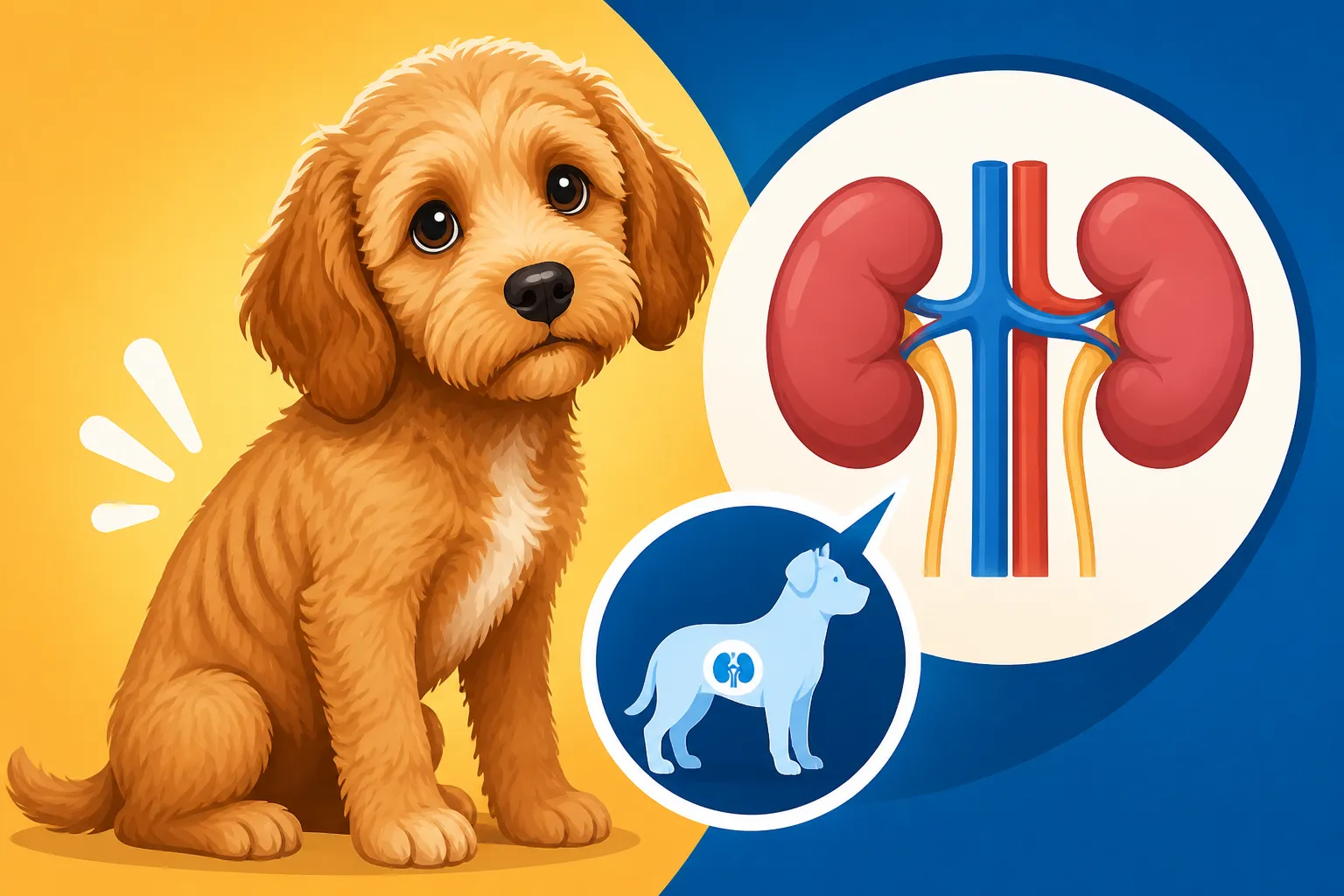
Whether Weight Loss in a Young Cockapoo Means Kidneys
It's incredibly distressing to watch your young Cockapoo lose weight without a clear reason, especially when they seem otherwise healthy one day and then start looking a bit gaunt the next. This unexpected change can fill any pet parent with anxiety, immediately sending minds racing to the worst-case scenarios. This guide aims to shed light on various causes of weight loss in young Cockapoos, with a particular focus on whether it might point to kidney issues like Familial Nephropathy.
Understanding Weight Loss in Young Cockapoos
When your bouncy, usually food-motivated Cockapoo starts dropping pounds, it’s natural to feel a pang of worry. Young dogs, especially those still growing, should generally be gaining weight or maintaining a healthy, lean physique. A noticeable decrease in weight can be a red flag, but it doesn't always point to something dire right away. However, it's crucial to understand the potential culprits so you can take appropriate action.
Common Reasons for Unexplained Weight Loss in Puppies and Juveniles
Not every instance of weight loss in a young Cockapoo screams "kidney disease." There are many more common, and often less severe, reasons a growing pup might start to thin out.
First up, parasites are incredibly prevalent in puppies and young dogs. Intestinal worms like roundworms, hookworms, whipworms, and tapeworms can silently steal nutrients from your Cockapoo, leading to weight loss despite a good appetite. They might not show many other symptoms, or you might notice a dull coat, a pot-bellied appearance, or occasional diarrhea. Even if your puppy was dewormed by the breeder, they can pick up new parasites from the environment. Regular fecal exams and appropriate deworming protocols are essential.
Then there's diet. It sounds simple, but sometimes a young Cockapoo isn't getting enough calories or the right balance of nutrients for their activity level and growth stage. Are they on a high-quality puppy food specifically formulated for their size? Are they eating enough meals throughout the day? A sudden switch in food or a poor-quality diet could also lead to digestive upset and poor nutrient absorption, resulting in weight loss. Stress can also play a role; a Cockapoo adjusting to a new home or dealing with separation anxiety might eat less or burn more calories due to nervous energy.
Beyond diet and parasites, other underlying health issues can manifest as weight loss. Dental problems, though less common in very young puppies, can make eating painful. Pancreatitis, inflammatory bowel disease, or exocrine pancreatic insufficiency (EPI) can all affect digestion and nutrient absorption. Even certain viral or bacterial infections can cause a temporary loss of appetite and subsequent weight loss. It's a broad spectrum, which is why ruling out the common things first is often part of a vet's process.
When to Be Concerned About Weight Loss
While some minor fluctuations in a growing Cockapoo's weight might not be an immediate emergency, there are definitely signs that warrant immediate veterinary attention. Don't brush off significant or rapid weight loss, especially if it's accompanied by other symptoms.
One major red flag is a persistent decline in weight, even if your Cockapoo seems to be eating normally. If you can clearly see their ribs, hip bones, or spine becoming more prominent, or if their pants and collar are suddenly too loose, it's time to act. Don't wait to see if it improves; puppies have less reserve than adult dogs, and rapid weight loss can quickly become serious.
Other symptoms that, when paired with weight loss, should escalate your concern include changes in thirst and urination. If your young Cockapoo is drinking constantly and seems to be urinating more frequently or having accidents indoors, that's a significant warning sign. You might also notice a decrease in energy levels, increased lethargy, or a general "unwell" appearance. Vomiting, diarrhea, a dull coat, or changes in behavior like increased irritability or disinterest in play are all indicators that something deeper might be going on. If you're observing any of these, it's not a "wait and see" situation – a vet visit is paramount. Early detection, especially for more serious conditions, can make a world of difference in your Cockapoo's prognosis.
Familial Nephropathy and Its Impact on Young Cockapoos
Now, let's talk about a specific concern for Cockapoo owners: Familial Nephropathy (FN). While it's certainly not the only reason for weight loss, it's a serious hereditary condition that can affect young Cockapoos, and it's vital to be aware of it. The thought of a young, otherwise vibrant dog facing a serious illness like kidney disease is heartbreaking, but understanding the signs can empower you to seek help promptly.
What is Familial Nephropathy FN in Cockapoos
Familial Nephropathy (FN) is a severe, inherited kidney disease that primarily affects English Cocker Spaniels and, by extension, Cockapoos, which are a cross between Cocker Spaniels and Poodles. It's a genetic disorder where the kidneys, specifically the tiny filtering units called glomeruli, fail to develop or function correctly. This leads to a progressive and irreversible loss of kidney function. You see, the kidneys are incredibly important organs; they filter waste products from the blood, regulate blood pressure, produce hormones, and maintain fluid and electrolyte balance. When they start to fail, the entire body suffers.
The cruel part about FN is that it often affects young dogs, typically presenting with symptoms between 6 months and 2 years of age, though sometimes it can manifest a little later. This makes it particularly devastating because these are supposed to be the prime, playful years of a dog's life. The disease is caused by a genetic mutation, meaning a Cockapoo inherits it from its parents. Unfortunately, carriers of the gene may show no symptoms themselves, making careful genetic testing of breeding dogs absolutely critical. Understanding Familial Nephropathy and the Kidneys a Cockapoo Can Inherit is crucial for any potential or current Cockapoo owner. This inherited weakness in their system means that early vigilance is key.
Recognising the Early Signs of Kidney Issues
While weight loss can be a symptom, it's usually not the first or only sign of Familial Nephropathy in a young Cockapoo. Kidney disease, especially in its early stages, can be incredibly subtle, which makes it so insidious. Owners often dismiss early indicators as minor ailments or behavioral quirks, delaying a diagnosis until the disease has progressed significantly.
One of the earliest and most consistent signs of kidney trouble is an increase in thirst (polydipsia) and urination (polyuria). Your Cockapoo might suddenly be emptying their water bowl much faster than usual, or you might find yourself needing to let them out to potty more frequently, sometimes even discovering accidents inside the house. This happens because the damaged kidneys can no longer efficiently concentrate urine, so the dog has to drink more to flush out waste, leading to more frequent urination. If you find yourself asking, "Whether a Cockapoo Drinking Constantly Should Be Tested?", the answer is a resounding yes.
Alongside these changes, you might also notice a decreased appetite or pickiness at meal times. Your Cockapoo, who usually inhers their food, might start turning their nose up at meals, or only picking at them. This can quickly lead to the weight loss that initially caught your attention. Other early, non-specific signs can include lethargy, a general lack of energy, or just not being as enthusiastic about playtime as they once were. As the disease progresses, you might see signs like vomiting, diarrhea, a dull coat, mouth ulcers (due to uremic toxins), and sometimes even bad breath. Recognising The First Signs of Kidney Failure in a Cockapoo can genuinely save valuable time in seeking treatment.
Why Weight Loss is a Symptom of Kidney Disease
The connection between kidney disease and weight loss is unfortunately very direct and multi-faceted. When a young Cockapoo's kidneys are failing due to something like Familial Nephropathy, their body simply can't function optimally, and this manifests in several ways that lead to a decline in body condition.
Firstly, a primary function of the kidneys is to filter waste products, specifically nitrogenous wastes like urea and creatinine, from the blood. When the kidneys are damaged, these uremic toxins build up in the bloodstream. This accumulation of toxins makes dogs feel extremely unwell. Imagine having a constant, low-grade flu; you wouldn't feel like eating much either, right? These toxins can cause nausea, vomiting, and a general malaise, leading to a significant decrease in appetite. Even if your Cockapoo initially tries to eat, they might quickly feel sick and turn away. Over time, consistent reduced food intake inevitably leads to weight loss.
Secondly, chronic kidney disease can lead to metabolic disturbances. The kidneys play a role in regulating various hormones and metabolic processes. When they fail, it can throw the body's entire system out of whack. This includes issues with protein metabolism. Dogs with kidney disease can start to lose muscle mass, a condition known as muscle wasting or cachexia, even if their fat reserves are still present. This muscle loss contributes significantly to the overall weight decline you observe. The body is essentially breaking down its own tissues for energy because it's not getting enough nutrients or processing them properly, or simply because the chronic illness itself leads to a catabolic state.
Finally, the chronic inflammation and dehydration often associated with kidney disease can also play a role. A dog that is constantly feeling nauseous, possibly vomiting, and struggling to maintain proper hydration will naturally lose weight. It's a vicious cycle where failing kidneys lead to toxins, which suppress appetite, cause vomiting, and disrupt metabolism, all contributing to that alarming weight loss in your young Cockapoo.
Diagnosing Kidney Disease in a Young Cockapoo
If you suspect kidney issues based on your Cockapoo's weight loss and other symptoms, the next crucial step is getting a definitive diagnosis from your veterinarian. It’s a process that requires a thorough approach, moving from initial observations to specific laboratory tests, and sometimes beyond. Don't be afraid to voice all your concerns and observations to your vet; you know your dog best.
Initial Veterinary Consultation and Physical Exam
Your journey to a diagnosis will always start at the vet's office. When you bring in your young Cockapoo, your veterinarian will first conduct a comprehensive physical examination. They’ll check your dog’s overall body condition, noting any prominent ribs, hips, or spine that indicate weight loss. They'll also assess hydration by checking skin turgor and gum moisture, listen to their heart and lungs, and palpate their abdomen to check for any abnormalities in the kidneys or other organs.
Beyond the physical, your vet will ask you a lot of questions about your Cockapoo's history. This is where your detailed observations become invaluable. Be prepared to discuss:
- When did the weight loss start? Was it sudden or gradual?
- What other symptoms have you noticed? (e.g., changes in appetite, thirst, urination, energy levels, vomiting, diarrhea, mouth sores).
- What is their current diet? Any recent changes in food?
- Have they been exposed to anything unusual? (e.g., toxins, new environments).
- Are they up to date on deworming and vaccinations?
- What is their typical activity level?
- Do you have any health certificates or genetic testing results from the breeder? This is particularly important for breeds prone to inherited conditions like FN.
This initial consultation helps the vet narrow down the possibilities and decide which diagnostic tests will be most informative.
Essential Diagnostic Tests
Once the physical exam and history are complete, your vet will likely recommend a battery of tests to get a clearer picture of what's happening internally. These usually start with bloodwork and a urinalysis.
Bloodwork is foundational. Key indicators for kidney function include:
- Blood Urea Nitrogen (BUN): This measures urea, a waste product of protein metabolism, which the kidneys normally excrete. Elevated BUN can indicate kidney dysfunction.
- Creatinine: A waste product from muscle metabolism, creatinine levels also rise when kidney function is impaired.
- Symmetric Dimethylarginine (SDMA): This is a newer, more sensitive biomarker that can detect kidney disease much earlier than BUN and creatinine, sometimes when only 25% of kidney function has been lost (compared to 75% for BUN/creatinine). It's a fantastic tool for catching early disease.
- Phosphorus: Elevated phosphorus levels are common in kidney disease, as the kidneys struggle to excrete it.
Simultaneously, a urinalysis is critical. The quality of your Cockapoo's urine provides immense insight into kidney function. Key aspects include:
- Urine Specific Gravity (USG): This measures the urine's concentration. Healthy kidneys produce concentrated urine. If your Cockapoo is drinking a lot and producing dilute urine (low USG), it strongly suggests kidney issues because the kidneys aren't able to conserve water properly.
- Protein in Urine: While some protein can be normal, excessive protein, especially with a high protein-to-creatinine ratio, can indicate damage to the kidney's filtering units.
Combining these results helps your vet confirm if kidney disease is present and gives an idea of its severity. The Bloodwork That Catches a Cockapoo's Kidney Disease can often tell a significant part of the story.
Further Investigations
Sometimes, bloodwork and urinalysis aren't enough to get the full picture, or the results point towards a need for more in-depth investigation.
Imaging studies are often the next step.
- Abdominal Ultrasound: This non-invasive imaging technique allows the vet to visualize the kidneys, assess their size, shape, and internal structure. With Familial Nephropathy, the kidneys might appear smaller than normal or have an irregular texture. The ultrasound can also rule out other abdominal issues that might be contributing to weight loss.
- X-rays: While less detailed for soft tissue than ultrasound, X-rays can help assess kidney size and shape, and rule out other problems like bladder stones or tumors.
In some cases, especially if a definitive diagnosis of FN is needed or if other conditions need to be ruled out, your vet might discuss a kidney biopsy. This involves taking a small tissue sample from the kidney for microscopic examination. This is an invasive procedure requiring anesthesia, so it's usually reserved for specific situations where the results will significantly impact the treatment plan. Genetic testing, if not already done by the breeder, can also confirm the specific mutation responsible for FN. Remember, these investigations are all about gathering as much information as possible to give your young Cockapoo the best chance at a tailored treatment plan.
Management and Prognosis for Young Cockapoos with Kidney Disease
Receiving a diagnosis of kidney disease, especially an inherited one like Familial Nephropathy, for your young Cockapoo can be devastating. It's a lot to process. However, understanding the available management strategies and what the long-term outlook might be can help you make informed decisions and provide the best possible care for your furry friend.
Treatment Approaches for Early-Stage Kidney Disease
While Familial Nephropathy is ultimately progressive, early and aggressive management can often slow its progression and improve your Cockapoo's quality of life for a significant period. The cornerstone of treatment often involves a combination of dietary changes, fluid therapy, and medication.
Dietary management is paramount. Your vet will likely recommend a prescription kidney diet. These diets are specifically formulated to:
- Reduce protein: While not eliminating it entirely, the protein in kidney diets is typically high-quality and reduced in quantity to minimize the workload on the kidneys and decrease the production of nitrogenous waste products like BUN.
- Control phosphorus: Lower phosphorus levels are critical, as diseased kidneys struggle to excrete it, and high phosphorus can worsen kidney damage.
- Supplement Omega-3 fatty acids: These can help reduce inflammation in the kidneys.
- Increase B vitamins: Water-soluble B vitamins are often lost in the urine of dogs with kidney disease, so supplementation is common.
Transitioning to a new food can be tricky, especially if your Cockapoo's appetite is already affected, but Whether a Kidney Diet Helps an Affected Cockapoo is not really a question; it's a vital part of their care. Some dogs might need appetite stimulants or anti-nausea medications to encourage them to eat. Brands like Hill's Prescription Diet k/d or Royal Canin Renal are widely used and often recommended by vets.
Fluid therapy is another critical component. Many dogs with kidney disease become dehydrated because their kidneys can't conserve water effectively. Subcutaneous (under the skin) fluids can be administered at home by owners, after proper training by the vet, to maintain hydration, flush toxins, and support kidney function. This can make a huge difference in how your Cockapoo feels day-to-day.
Medications may also be prescribed. These can include:
- Phosphorus binders: If dietary control isn't enough, these medications bind to phosphorus in the gut, preventing its absorption.
- Antihypertensives: Medications like ACE inhibitors (e.g., benazepril, enalapril) or angiotensin receptor blockers (e.g., telmisartan) can help manage high blood pressure, a common complication of kidney disease, which can further damage the kidneys.
- Anti-nausea medications: To help stimulate appetite and reduce vomiting.
- Potassium supplements: If potassium levels drop too low.
Regular monitoring with blood and urine tests will be necessary to adjust these treatments as your Cockapoo's condition changes. This kind of ongoing care can become quite costly, and having pet insurance like Healthy Paws can certainly help manage those unexpected vet bills.
Understanding the Long-term Outlook
The long-term outlook for a young Cockapoo diagnosed with Familial Nephropathy is challenging because it is a progressive and ultimately fatal disease. Unlike some other forms of kidney disease, FN typically has a poorer prognosis due to its early onset and aggressive nature. However, "poor prognosis" doesn't mean immediate despair. With dedicated care, many affected dogs can still enjoy months, and sometimes even a few years, of good quality life.
The progression of FN varies from dog to dog. Some Cockapoos might decline rapidly, while others may stabilize for a period with appropriate management. The goal of treatment is to slow the disease's advancement, minimize symptoms, and maintain the best possible quality of life. This means regular vet visits, consistent medication administration, and strict adherence to the special diet.
It's a difficult reality that Familial Nephropathy significantly impacts how long an FN Affected Cockapoo Lives. While a Cockapoo, in general, has a potential lifespan of The Fourteen to Eighteen Years a Cockapoo Lives, a young dog with FN will likely have a considerably shortened life. This makes every day precious. Owners often grapple with the emotional toll, knowing that despite their best efforts, the disease is relentless.
Monitoring your Cockapoo's well-being, appetite, and energy levels will become part of your daily routine. Regular bloodwork, specifically focusing on kidney parameters like BUN, creatinine, and SDMA, will guide your vet in adjusting medications and fluid therapy. The relationship with your veterinary team becomes incredibly important, as they will help you navigate the stages of the disease and make difficult decisions about quality of life when the time comes. While the journey is tough, the love and care you provide can make a profound difference in your Cockapoo's comfort and happiness throughout their time with you.
Proactive Steps for Cockapoo Owners
Understanding the risks associated with weight loss and kidney disease, especially in young Cockapoos, can feel overwhelming. However, there are very tangible, proactive steps you can take, both before bringing a puppy home and throughout their life, to mitigate risks and ensure their best possible health. Being a responsible pet parent means being informed and prepared.
The Importance of Responsible Breeding and Genetic Testing
This cannot be stressed enough: choosing a responsible breeder is your absolute first line of defense against inherited diseases like Familial Nephropathy. An ethical breeder will prioritize the health of their puppies above all else. They understand the genetic predispositions of their parent breeds – the Cocker Spaniel and the Poodle – and actively work to prevent passing on known conditions.
When you're looking for a Cockapoo puppy, don't be shy about asking direct questions about health testing. A reputable breeder will be transparent and proud to show you proof of health clearances for both parent dogs. Specifically for kidney disease, they should be able to provide results for the FN DNA test. This test identifies whether a dog is clear, a carrier, or affected by the genetic mutation for Familial Nephropathy. A responsible breeder will never breed two carriers together, as this carries a high risk of producing affected puppies. They should only breed clear-to-clear or clear-to-carrier, ensuring no affected puppies are produced. Asking a Cockapoo Breeder for the FN Certificate is not just reasonable; it's essential.
Beyond FN, breeders should also test for other common conditions in Cockapoos, such as Progressive Retinal Atrophy (PRA), hip and elbow dysplasia, and patellar luxation. Knowing The Five Certificates a Cockapoo Breeder Should Show for both parents gives you immense peace of mind. If a breeder is vague, says testing isn't necessary for Cockapoos because they're a "hybrid," or refuses to show you documentation, that's a massive red flag, and it's best to walk away, no matter how cute the puppies are. Investing in a puppy from health-tested parents is an investment in your future Cockapoo's health and your own peace of mind.
Regular Veterinary Check-ups
Even if you've done everything right and brought home a seemingly healthy, well-bred Cockapoo, regular veterinary check-ups remain critically important throughout their life, especially during their younger, formative years. Puppies need a series of visits for vaccinations and deworming, but don't stop there.
Once your Cockapoo has completed their puppy shots, yearly wellness exams become your best friend in catching potential issues early. During these visits, your vet will perform a thorough physical examination, discuss any changes you've noticed, and often recommend routine bloodwork and urinalysis, even if your dog seems perfectly healthy. This routine screening can establish a baseline for your Cockapoo's health and help detect subtle changes that might indicate the very early stages of a problem before overt symptoms appear. The Kidney and Eye Checks a Cockapoo Needs Yearly are particularly important for monitoring organ health and catching issues like Familial Nephropathy or certain eye conditions early on.
For young Cockapoos, it's particularly important for the vet to monitor growth and development. They'll track your dog's weight, ensuring they're on a healthy trajectory and not experiencing any unexplained losses or gains. Early detection of any anomaly, whether it's a slight increase in thirst, a subtle change in urine concentration, or a minor dip in weight that might not seem significant to you, can allow for prompt intervention. This proactive approach can make a monumental difference in managing conditions like kidney disease, potentially extending the quality and length of your beloved Cockapoo's life. Don't skip these vital appointments; they are key to lifelong health.
Weight Loss vs. Kidney Disease Symptoms in Young Cockapoos
Here's a quick comparison of general weight loss symptoms versus those that might more specifically point to kidney issues. Always remember that only a veterinarian can provide an accurate diagnosis.
| Symptom | General Weight Loss (Various Causes) | Potential Kidney Disease (e.g., Familial Nephropathy) |
|---|---|---|
| Appetite | Can be reduced, normal, or even increased (e.g., parasites) | Often decreased, picky, or loss of interest in food |
| Thirst & Urination | Usually normal | Significantly increased thirst and urination (polydipsia/polyuria) |
| Energy Level | Can be reduced or normal | Often lethargic, weak, less active |
| Body Condition | Ribs, spine, hips more prominent | Ribs, spine, hips more prominent, muscle wasting |
| Vomiting/Diarrhea | May or may not be present, depending on cause | Can be present, often chronic or intermittent vomiting |
| Mouth/Breath | Usually normal | Uremic breath (ammonia-like), mouth ulcers |
| Coat Condition | May be dull if nutrition is poor | Often dull, dry, poor quality |
| Onset | Can be sudden or gradual | Often gradual onset, can be subtle until advanced |
Disclaimer
This article is for general informational purposes only and does not constitute professional advice. Laws, prices and regulations vary by location and change over time. Consult a qualified professional for guidance on your specific situation.