The Tumors a Cockapoo Develops
It’s a moment no dog owner ever wants: you’re petting your sweet Cockapoo, running your hands through their beautiful coat, and then suddenly, you feel it – a lump. That sudden jolt of fear, the immediate worry about what it could be, is a completely natural reaction. This guide is here to walk you through the various types of tumors Cockapoos can develop, what to watch for, and how to navigate this challenging aspect of their health.
Understanding Tumors in Cockapoos
Finding a lump on your dog can be incredibly unsettling. For Cockapoo owners, understanding the nuances of these growths is crucial, as their mixed heritage brings a unique set of predispositions. Not every lump spells disaster, but knowing the difference can help you react appropriately.
What Exactly is a Tumor?
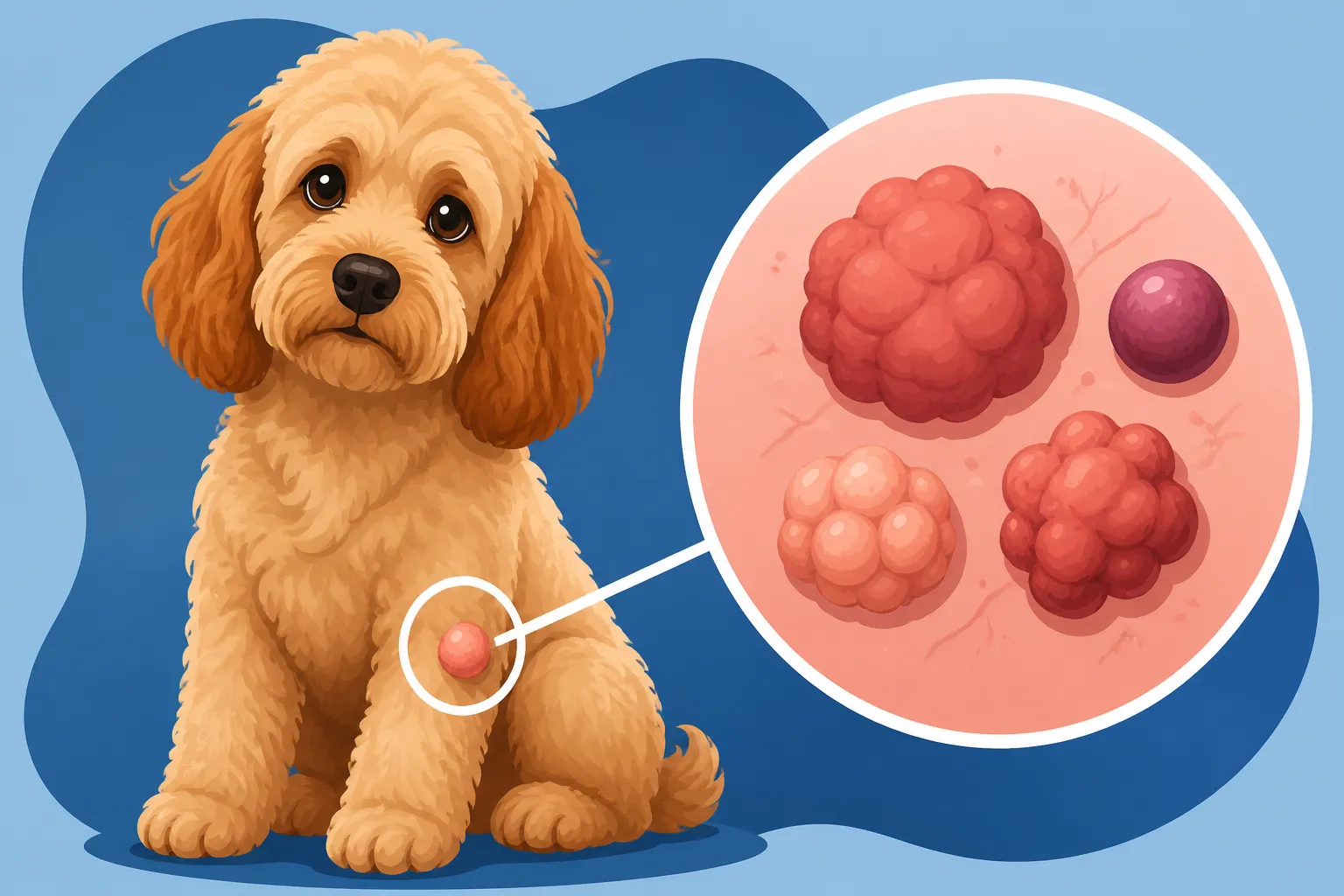
At its simplest, a tumor is an abnormal mass of tissue that forms when cells grow and divide excessively, instead of dying off as they should. Think of it like a faulty construction project where too many bricks are being laid in one spot, creating a bulge. These growths can appear anywhere on or inside your Cockapoo's body – under the skin, in organs, or even on bones. The term "tumor" is broad and doesn't immediately tell us if it's harmless or dangerous, which is why further investigation is always necessary.
Sometimes, these masses are quite obvious, easy to feel, or even visible through their lovely curly or wavy coat. Other times, they might be hidden deep within the body, only becoming apparent through changes in your dog's behavior or a routine veterinary examination. The sheer variety can be overwhelming, but knowing that a tumor is just a general term for an abnormal growth is the first step in demystifying the process.
Why Cockapoos are Susceptible
Like all mixed breeds, Cockapoos inherit genetic traits from both parent lines: the Cocker Spaniel and the Poodle. This blend can sometimes mean they are predisposed to certain health conditions that affect either of their parent breeds. In the case of tumors, both Cocker Spaniels and Poodles have their own tendencies. Cocker Spaniels, for example, are known for certain skin issues and some types of cancer, while Poodles also have documented predispositions to various forms of cancer.
This means a Cockapoo can potentially inherit a wider range of genetic factors that influence tumor development. It's not a guarantee they will get tumors, but it does mean owners should be vigilant and proactive about their dog's health screenings. Factors like age, environmental exposure, and even diet can also play a significant role in susceptibility. As your Cockapoo ages, for example, the risk of developing various lumps and bumps, both benign and malignant, tends to increase. This is just a natural part of What Changes in a Cockapoo After Ten and something to be aware of.
The Difference Between Benign and Malignant
This is the big question every owner has when a lump is found: is it benign or malignant? The distinction is critical because it dictates the urgency and type of treatment required.
- Benign Tumors: These growths are generally non-cancerous. They tend to grow slowly, don't spread to other parts of the body (they are non-metastatic), and usually remain localized. While they can sometimes cause problems if they grow too large and interfere with organ function or movement, they are not typically life-threatening. Common examples in Cockapoos include lipomas (fatty tumors), sebaceous cysts, and skin tags. Often, benign tumors can be monitored, and only removed if they are causing discomfort or are in an awkward location.
- Malignant Tumors: These are cancerous. They can grow rapidly, invade surrounding tissues, and have the potential to spread to distant parts of the body (metastasize) through the bloodstream or lymphatic system. Malignant tumors require prompt diagnosis and aggressive treatment, as they can be life-threatening if left untreated. Types like mast cell tumors, lymphomas, and certain carcinomas fall into this category. The journey with a malignant tumor can be emotionally and financially challenging, making comprehensive pet insurance like that offered by Healthy Paws a wise consideration from early on.
It’s impossible to tell definitively whether a lump is benign or malignant just by feeling it. That's why veterinary examination and diagnostic testing are always the next crucial steps.
Common Benign Tumors in Cockapoos
While the word "tumor" often conjures images of serious illness, many lumps found on dogs, including Cockapoos, are entirely benign. These non-cancerous growths are common, particularly as dogs get older, and usually pose little threat to their overall health. However, it's vital not to assume any lump is harmless without veterinary confirmation.
Lipomas: The Harmless Fatty Lumps
Lipomas are one of the most frequently encountered benign tumors in dogs, and Cockapoos are certainly no exception. These are soft, movable, fatty masses that typically grow just under the skin. They can feel a bit squishy, like a small beanbag, and can range in size from tiny pea-sized bumps to larger growths several inches across. You'll often find them on the trunk, chest, or legs.
The good news is that lipomas are generally not painful and don't spread. They’re essentially just pockets of fat cells that have decided to congregate in one spot. Many vets will simply monitor lipomas, especially if they are small and not bothering your dog. However, if a lipoma grows very large, starts to impede movement, or appears in an awkward location, like an armpit or groin, your vet might recommend surgical removal. This is usually a straightforward procedure. Even though they are benign, any new lump should be checked by a vet to ensure it is indeed a lipoma and not something more concerning.
Sebaceous Cysts and Skin Tags
Our Cockapoos have beautiful, often thick, coats, but beneath that fluff, their skin can develop various minor issues. Sebaceous cysts and skin tags are two such common benign skin growths.
- Sebaceous Cysts: These occur when a sebaceous gland (which produces the skin's natural oils) becomes blocked, leading to a build-up of sebum, dead skin cells, and other debris. They often look like small, round bumps that can sometimes rupture, oozing a cheesy, pasty substance. While not cancerous, they can become inflamed, infected, or irritated if constantly scratched or rubbed. If a cyst ruptures, it's important to keep the area clean and have your vet examine it, as it might need antibiotics or drainage. Sometimes, they can look like a raised spot that you might mistake for something more serious, similar to concerns owners have about Whether a Lump Under a Cockapoo's Curl Gets Missed.
- Skin Tags: Just like in humans, skin tags are small, harmless growths that protrude from the skin. They're typically soft, fleshy, and can vary in size and shape. You might find them in areas where skin rubs together, or just randomly across the body. They don't usually cause any problems unless they get snagged or irritated. If they become an issue, your vet can easily remove them. Neither sebaceous cysts nor skin tags are a cause for major alarm, but they should still be noted during your regular "bump checks."
Histiocytomas in Young Pups
This type of benign tumor is particularly interesting because it primarily affects younger dogs and often disappears on its own. A histiocytoma is a small, button-like, hairless growth that usually appears suddenly on the skin, most commonly on the head, ears, or limbs of dogs under two years old. They are composed of specialized immune cells called histiocytes.
Owners often get quite worried when they find one, especially on a playful puppy. However, in most cases, these "button tumors" regress spontaneously within a few months without any treatment. Your vet might recommend a fine needle aspirate (FNA) to confirm the diagnosis, ruling out anything more serious. Monitoring the growth is usually sufficient. Only if it grows very large, becomes ulcerated and infected, or doesn't resolve within a reasonable timeframe, might surgical removal be considered. It's a prime example of how not all alarming-looking lumps are necessarily dangerous.
Concerning Malignant Tumors to Watch For
While many lumps are benign, it's crucial for Cockapoo owners to be aware of the more serious, malignant types of tumors that can affect their beloved companions. Early detection is paramount when it comes to cancer, often making a significant difference in treatment outcomes and prognosis.
Mast Cell Tumors: The Great Mimicker
Mast cell tumors (MCTs) are one of the most common skin cancers in dogs, and breeds like Cocker Spaniels have a documented predisposition, which means Cockapoos can also be at risk. What makes MCTs particularly tricky is their appearance: they are often called "the great mimickers" because they can look like almost anything. They might feel like a benign fatty lump, a small wart, or even just a skin irritation. They can be firm or soft, raised or flat, and some can even change in size, appearing to swell and then shrink.
MCTs can occur anywhere on the body, internally or externally. When found on the skin, they can range from low-grade (less aggressive) to high-grade (very aggressive). Internal MCTs, found in organs like the spleen, liver, or lymph nodes, are generally more serious. Due to their unpredictable nature and potential for rapid spread, any suspicious lump on your Cockapoo should be promptly evaluated by a vet. A fine needle aspirate is usually the first diagnostic step, followed by a biopsy if cancer cells are detected. Treatment often involves surgical removal with wide margins, and sometimes chemotherapy or radiation, depending on the tumor's grade and location. Protecting your Cockapoo's health, particularly against unexpected serious illnesses, is where an investment in pet insurance through providers like Healthy Paws can truly alleviate financial stress.
Lymphoma: A Systemic Threat
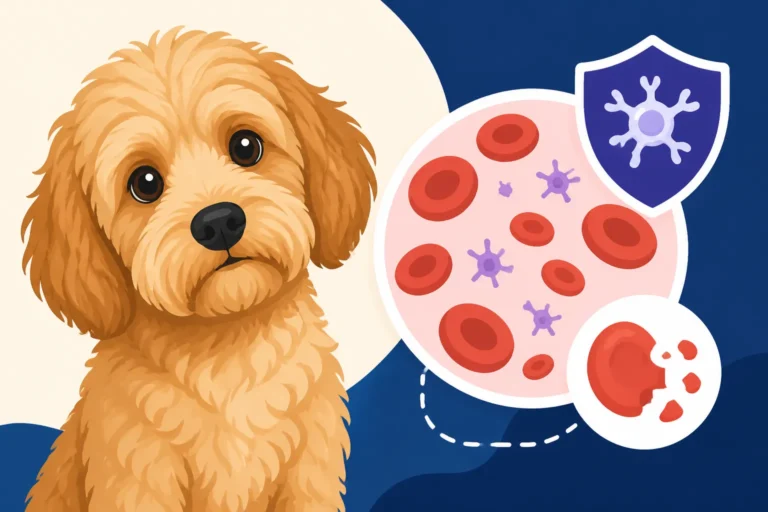
Lymphoma is a cancer of the lymphocytes, a type of white blood cell that plays a crucial role in the immune system. This means lymphoma is a systemic disease, capable of affecting various organs throughout the body, including lymph nodes, spleen, liver, bone marrow, and gastrointestinal tract. Poodles, being one of the parent breeds, have a higher incidence of lymphoma, making it a concern for Cockapoos.
The most common presentation of lymphoma is multicentric, where the lymph nodes become visibly enlarged, particularly those in the neck (mandibular), armpits (axillary), groin (inguinal), and behind the knees (popliteal). You might notice your Cockapoo having swollen glands, lethargy, loss of appetite, or unexplained weight loss. Less common forms include alimentary (gastrointestinal), mediastinal (chest cavity), and extranodal (affecting specific organs like the skin or eyes). If your vet suspects lymphoma, they will typically perform a fine needle aspirate of enlarged lymph nodes, followed by a biopsy for definitive diagnosis and staging. While it's a serious diagnosis, many forms of lymphoma respond well to chemotherapy, often leading to periods of remission and a good quality of life. This aligns with the broader concerns about Whether a Cockapoo Gets Lymphoma.
Melanomas and Squamous Cell Carcinomas
These are two other types of malignant tumors that can be found in Cockapoos, particularly affecting the skin and mouth.
- Melanomas: These tumors arise from pigment-producing cells called melanocytes. While some melanomas are benign (melanocytomas), others are highly aggressive and can spread quickly (malignant melanomas). In dogs, malignant melanomas are most commonly found in the mouth (oral cavity), on the digits (toes), or around the nail beds. Less frequently, they can appear on haired skin, where they tend to be more benign. Oral and digital melanomas are particularly concerning due to their high metastatic potential. They often appear as dark-pigmented masses, but some can be non-pigmented (amelanotic), making them harder to identify. Prompt diagnosis via biopsy and aggressive surgical removal, often combined with radiation or chemotherapy, is crucial for improving outcomes.
- Squamous Cell Carcinomas (SCCs): These are common skin cancers that can be locally invasive and have a moderate potential to metastasize, especially if found in the mouth or on the digits. SCCs are often associated with sun exposure in light-colored, thin-haired dogs, though they can occur anywhere. In Cockapoos, they might appear as raised, firm, often ulcerated, and irregular lesions. You might notice them on the nose, eyelids, ears, or digits. Oral SCCs are particularly aggressive. Diagnosis typically involves a biopsy. Treatment usually involves surgical removal, and sometimes radiation therapy, depending on the tumor's location and extent. Recognizing subtle changes in your dog’s skin and fur during grooming, which can sometimes reveal underlying Skin and Coat Disease in a Cockapoo, is incredibly important for early detection of these types of cancers.
Recognizing the Early Signs of Tumors
As a Cockapoo owner, you are your dog's first line of defense against illness. Being observant and familiar with your dog's normal body can help you spot potential problems, including tumors, much earlier. Don't underestimate the power of your intuition – if something feels "off," it's worth investigating.
The "Bump Check" Routine
One of the most effective ways to catch skin and subcutaneous (under the skin) tumors early is to establish a regular "bump check" routine. This involves thoroughly feeling your Cockapoo's entire body, from nose to tail, once a week or at least every few weeks.
Here’s how to do it:
- Start with their head: Gently feel around their muzzle, under their chin, along their jawline, and around their ears. Check the inside and outside of their ear flaps and the opening of their ear canal.
- Move to their neck and chest: Feel down their neck, paying attention to lymph nodes. Continue over their shoulders and chest, feeling for any lumps. Don't forget their armpits!
- Cover their back and sides: Systematically run your hands over their back, sides, and belly. Use the pads of your fingers to gently but firmly press and feel beneath the coat.
- Check their legs and paws: Feel down each leg, checking the joints and muscles. Inspect their paws, including between the toes and around the nail beds, where melanomas can hide.
- Finish with their tail and hindquarters: Don't forget the base of the tail and around the anal area.
When you perform these checks, pay attention to anything new, anything that has changed in size or texture, or anything that feels different from the surrounding tissue. Some lumps are deep and hard to feel, especially on a fluffy Cockapoo. If you do find something new, note its size, location, and texture, and whether it’s fixed or movable.
Changes in Behavior and Appetite
Sometimes, tumors, especially internal ones, won't be visible or palpable externally. Instead, they might manifest through subtle or overt changes in your Cockapoo's behavior, energy levels, or eating habits. These changes can be vague and easily dismissed as "just getting older" or a temporary off day, but persistently altered behavior warrants a veterinary check-up.
Keep an eye out for any of these signs:
- Lethargy or decreased energy: Is your normally playful Cockapoo suddenly less enthusiastic about walks or games? Are they sleeping more than usual?
- Loss of appetite or difficulty eating: Are they turning their nose up at their favorite food? Are they eating less? Are they having trouble chewing or swallowing?
- Unexplained weight loss: Even if they're eating normally, are they losing weight without any change in diet or exercise? This can be a red flag for many underlying health issues, including cancer.
- Vomiting or diarrhea: Persistent gastrointestinal upset, especially if accompanied by other symptoms, can indicate an internal tumor.
- Changes in urination or defecation: Straining, increased frequency, or blood in urine/stool are concerning.
- Reluctance to move or lameness: A tumor affecting bones or joints can cause pain and difficulty moving. Arthritis in a Cockapoo at Eleven might explain some stiffness, but new or sudden lameness needs investigation.
- Difficulty breathing or coughing: Tumors in the lungs or chest can lead to respiratory problems.
- Swelling in specific areas: Beyond external lumps, internal tumors can cause swelling in the abdomen or limbs.
Any persistent change that doesn't resolve itself within a day or two should prompt a call to your veterinarian. It’s always better to be overly cautious than to delay a potentially life-saving diagnosis.
Unexplained Lumps and Bumps
Beyond the routine bump check, there are times you might stumble upon a lump during a normal cuddle session or while grooming. The key here is not to panic, but to act. Not every bump is a tumor, and not every tumor is malignant. But every unexplained lump or bump deserves professional attention.
- Don't try to diagnose it yourself: Resist the urge to Google extensively and self-diagnose. Internet searches can often lead to unnecessary anxiety.
- Schedule a vet appointment: As soon as you discover a new lump, make an appointment with your veterinarian. Even if you suspect it's just a harmless fatty lump, a professional opinion is essential.
- Provide details: When you speak to your vet, be ready to describe:
- When you first noticed it.
- How quickly it seems to be growing.
- Its size and shape.
- Its texture (soft, firm, hard).
- If it's movable under the skin or fixed.
- If your dog seems bothered by it (licking, scratching, pain).
Your vet will likely start with a physical examination and may recommend a fine needle aspirate (FNA). This is a quick and relatively non-invasive procedure where a small needle is used to collect cells from the lump. The cells are then examined under a microscope. This can often differentiate between a benign lipoma, a cyst, or potentially cancerous cells like those of a mast cell tumor. Even if the FNA isn't definitive, it provides valuable information for the next steps. Being proactive about these mysterious growths is one of the most loving things you can do for your Cockapoo.
Diagnosis and Treatment Options
Once you've found a suspicious lump or noticed concerning symptoms in your Cockapoo, the next phase involves professional diagnosis and, if needed, a tailored treatment plan. This can feel like a daunting journey, but modern veterinary medicine offers many avenues for hope and effective management.
The Vet Visit and Initial Assessment
When you bring your Cockapoo to the vet for a suspected tumor, your veterinarian will begin with a thorough physical examination. They’ll carefully feel the lump, assessing its size, shape, consistency, and whether it’s attached to underlying tissues or freely movable. They’ll also check your dog’s overall health, including vital signs and the lymph nodes, which can be indicators of systemic disease.
During this visit, your vet will ask you a series of questions: When did you first notice the lump? Has it changed in size or appearance? Does it bother your dog? Have you observed any other changes in appetite, energy, or behavior? The more information you can provide, the better. Often, the next step for a palpable lump is a fine needle aspirate (FNA). This involves using a small needle to collect a sample of cells from the mass. The collected cells are then smeared onto a slide and examined under a microscope by a veterinarian or a veterinary pathologist. An FNA is a minimally invasive procedure that can often differentiate between inflammatory cells, benign fatty cells, or various types of cancer cells, giving your vet a clearer picture of what they’re dealing with. It's often the first, most crucial step in diagnosis.
Biopsy and Staging: Getting a Clear Picture
If the FNA is inconclusive or suggests a malignant process, the next step is typically a biopsy. A biopsy involves surgically removing a small piece or the entire lump for histopathological examination. This tissue sample is sent to a specialized laboratory where a veterinary pathologist will examine it in detail, providing a definitive diagnosis of the tumor type, its grade (how aggressive it is), and whether it has clear margins (if it was fully removed). A biopsy provides the most accurate information regarding the tumor’s nature.
For malignant tumors, staging is critical. Staging determines how far the cancer has spread within the body. This might involve additional diagnostics such as:
- Bloodwork and Urinalysis: To assess overall organ function and look for systemic signs of disease. For instance, regular The Yearly Bloodwork Bill on an FN Cockapoo can help track general health.
- X-rays: Especially of the chest, to check for spread to the lungs.
- Ultrasound: Of the abdomen, to check for involvement of internal organs like the liver, spleen, or abdominal lymph nodes.
- CT scans or MRIs: These advanced imaging techniques provide detailed cross-sectional images, particularly useful for planning surgery or radiation therapy, or assessing difficult-to-reach tumors.
Staging helps your veterinary team understand the prognosis and formulate the most effective treatment plan. It can be a lengthy process, but it’s essential for making informed decisions about your Cockapoo's care.
Treatment Approaches: Surgery, Chemo, Radiation
The treatment plan for a tumor in your Cockapoo will depend entirely on its type, location, size, grade, and whether it has spread. Your vet, possibly in consultation with a veterinary oncologist, will discuss the best options for your specific situation.
- Surgery: This is often the primary treatment for many types of tumors, especially solid masses. The goal is to completely remove the tumor along with a margin of healthy tissue to ensure all cancerous cells are gone. For benign tumors, surgery may be curative. For malignant tumors, successful surgical removal can significantly improve prognosis. For some difficult locations, specialized surgical techniques might be needed.
- Chemotherapy: This involves the use of anti-cancer drugs to kill or slow the growth of cancer cells. Chemotherapy can be used as a standalone treatment for systemic cancers like lymphoma, or in combination with surgery or radiation to target any remaining cancer cells or to prevent metastasis. Unlike human chemotherapy, dog chemotherapy is generally well-tolerated, with fewer severe side effects. The protocols are often designed to maintain a good quality of life.
- Radiation Therapy: This treatment uses high-energy radiation to damage and destroy cancer cells. It's often used for tumors that are difficult to remove surgically or for those where surgery alone isn't sufficient. Radiation can be highly effective in controlling local tumor growth. It requires several treatment sessions, usually under anesthesia, and is typically performed at specialized veterinary oncology centers.
- Other Therapies: Depending on the cancer type, other treatments might include targeted therapies (drugs that target specific pathways involved in cancer growth), immunotherapy (boosting the body's immune response against cancer), or palliative care (focused on pain management and improving quality of life if a cure isn't possible).
Choosing a treatment path for your Cockapoo can be emotionally challenging, but remember that your veterinary team is there to guide you through every step. They will help you understand the pros, cons, and potential outcomes of each option, always prioritizing your dog's comfort and well-being. This is where having pet insurance, such as a policy from Healthy Paws, can be incredibly beneficial, helping to cover the often-significant costs associated with cancer treatments.
Preventative Measures and Management
While we can't completely prevent all tumors, there's a lot we can do as Cockapoo owners to minimize risks, promote overall health, and manage any conditions that arise. It’s about being proactive and establishing healthy habits for life.
Regular Veterinary Check-ups
One of the most powerful tools in early tumor detection and overall health management is regular veterinary check-ups. For adult Cockapoos, an annual visit is usually sufficient, but for seniors (typically starting around age 7-8), twice-yearly check-ups are highly recommended. During these visits, your vet performs a thorough physical exam, feeling for any new lumps or changes.
These appointments are also an opportunity for your vet to recommend age-appropriate screenings. This might include routine bloodwork to check organ function, urinalysis, and sometimes even baseline X-rays or ultrasounds. These diagnostic tests can sometimes catch internal issues before they manifest as outward symptoms. For example, some blood tests can reveal changes that might hint at internal issues, just as The Bloodwork That Catches a Cockapoo's Kidney Disease can detect kidney problems early. Don't skip these vital appointments – they are a cornerstone of preventative care and are crucial for extending The Fourteen to Eighteen Years a Cockapoo Lives with good health.
Diet, Exercise, and Environmental Factors
A healthy lifestyle plays a significant role in supporting your Cockapoo’s immune system and potentially reducing cancer risk. Just like in humans, diet and exercise are fundamental.
- Nutrition: Feed your Cockapoo a high-quality, balanced diet appropriate for their age, size, and activity level. Look for reputable brands that prioritize whole ingredients and avoid excessive fillers or artificial additives. Some research suggests that diets rich in antioxidants and omega-3 fatty acids may have protective benefits. Maintaining an ideal weight is also crucial, as obesity can contribute to inflammation and increase the risk of various health issues, including some cancers. Discuss your Cockapoo’s diet with your vet to ensure it meets all their nutritional needs.
- Exercise: Regular, moderate exercise helps maintain a healthy weight, strengthens the immune system, and promotes overall well-being. Cockapoos are active dogs and thrive on daily walks, playtime, and mental stimulation. Ensure they get enough physical activity tailored to their individual needs and abilities.
- Environmental Factors: Be mindful of your Cockapoo's exposure to potential carcinogens. This includes avoiding cigarette smoke, certain lawn chemicals, and excessive sun exposure, especially for dogs with thin or light-colored coats. When using pest control products, choose pet-safe options. Providing a clean and safe home environment contributes significantly to their long-term health.
The Role of Genetic Testing
While genetic testing specifically for tumor predisposition in Cockapoos is still an evolving field, understanding the health screening recommendations for their parent breeds—Cocker Spaniels and Poodles—can be helpful. Reputable breeders will perform genetic testing on their breeding stock for known inheritable diseases. For example, Poodles can be susceptible to certain cancers, and knowing a dog's lineage can sometimes provide insights.
While you might not be able to genetically test for every potential tumor, choosing a puppy from health-tested parents reduces the risk of inheriting certain conditions that might weaken their overall health. If you are considering adding a Cockapoo to your family, always ask the breeder for proof of health screenings for both parent dogs. This due diligence ensures you're getting a puppy from a responsible background. Even with the best breeding practices, tumors can still occur, highlighting the importance of regular health monitoring throughout your Cockapoo's life.
Navigating the Tumors Your Cockapoo May Develop
The journey of dog ownership is filled with immense joy, but also moments of concern, and finding a tumor on your Cockapoo can certainly be one of them. Remember, knowledge is power. By understanding the types of tumors, both benign and malignant, that your Cockapoo might develop, you're better equipped to act quickly and effectively.
Routine "bump checks" and observing any changes in behavior are your everyday superpowers as a pet parent. Coupled with regular veterinary check-ups, early detection dramatically improves outcomes, especially for more serious conditions. From simple fatty lumps to more complex cancers like mast cell tumors or lymphoma, a thorough diagnostic process, often starting with a fine needle aspirate and potentially escalating to biopsy and advanced imaging, will provide the clearest path forward.
Treatment options are diverse and ever-evolving, offering hope and extending quality of life for many dogs. Whether it's surgery, chemotherapy, radiation, or a combination of therapies, your veterinary team will tailor a plan specific to your Cockapoo's needs. Don't forget that pet insurance, such as a robust plan from Healthy Paws, can be an invaluable resource, providing financial peace of mind during potentially expensive treatments.
Ultimately, by being vigilant, proactive, and working closely with your veterinarian, you can provide your beloved Cockapoo with the best possible chance at a long, healthy, and happy life, no matter what lumps and bumps may come their way.
| Tumor Type | Common Appearance | Location (Common) | Benign/Malignant | Key Action |
|---|---|---|---|---|
| Lipoma | Soft, movable, often "squishy" fatty mass | Trunk, chest, armpits, legs | Benign | Monitor; may remove if large/interfering. |
| Sebaceous Cyst | Small, round bump, sometimes ruptures with cheesy discharge | Anywhere on skin | Benign | Monitor; treat rupture/infection; may remove. |
| Skin Tag | Small, fleshy protrusion from the skin | Anywhere on skin | Benign | Monitor; remove if irritated or caught. |
| Histiocytoma | Small, button-like, hairless, often red | Head, ears, limbs | Benign | Monitor (often resolves spontaneously in young dogs); may biopsy. |
| Mast Cell Tumor | Highly variable: can be firm, soft, raised, flat, ulcerated | Anywhere on skin/internal organs | Malignant | Immediate vet visit, FNA, biopsy, surgery, possibly chemo/radiation. |
| Lymphoma (nodes) | Enlarged, firm, non-painful lymph nodes | Neck, armpits, groin, behind knees | Malignant | Vet visit, FNA, biopsy, staging, chemotherapy. |
| Malignant Melanoma | Often dark-pigmented, firm mass; can be non-pigmented | Mouth, digits, nail beds | Malignant | Immediate vet visit, biopsy, aggressive surgery, possibly radiation/chemo. |
| Squamous Cell Carcinoma | Raised, firm, often ulcerated, irregular lesions | Nose, eyelids, ears, digits, mouth | Malignant | Vet visit, biopsy, surgery, possibly radiation. |
Disclaimer
This guide provides general information about tumors in Cockapoos and should not be considered a substitute for professional veterinary advice. Always consult with a qualified veterinarian for any health concerns or before making any decisions regarding your dog's medical care.