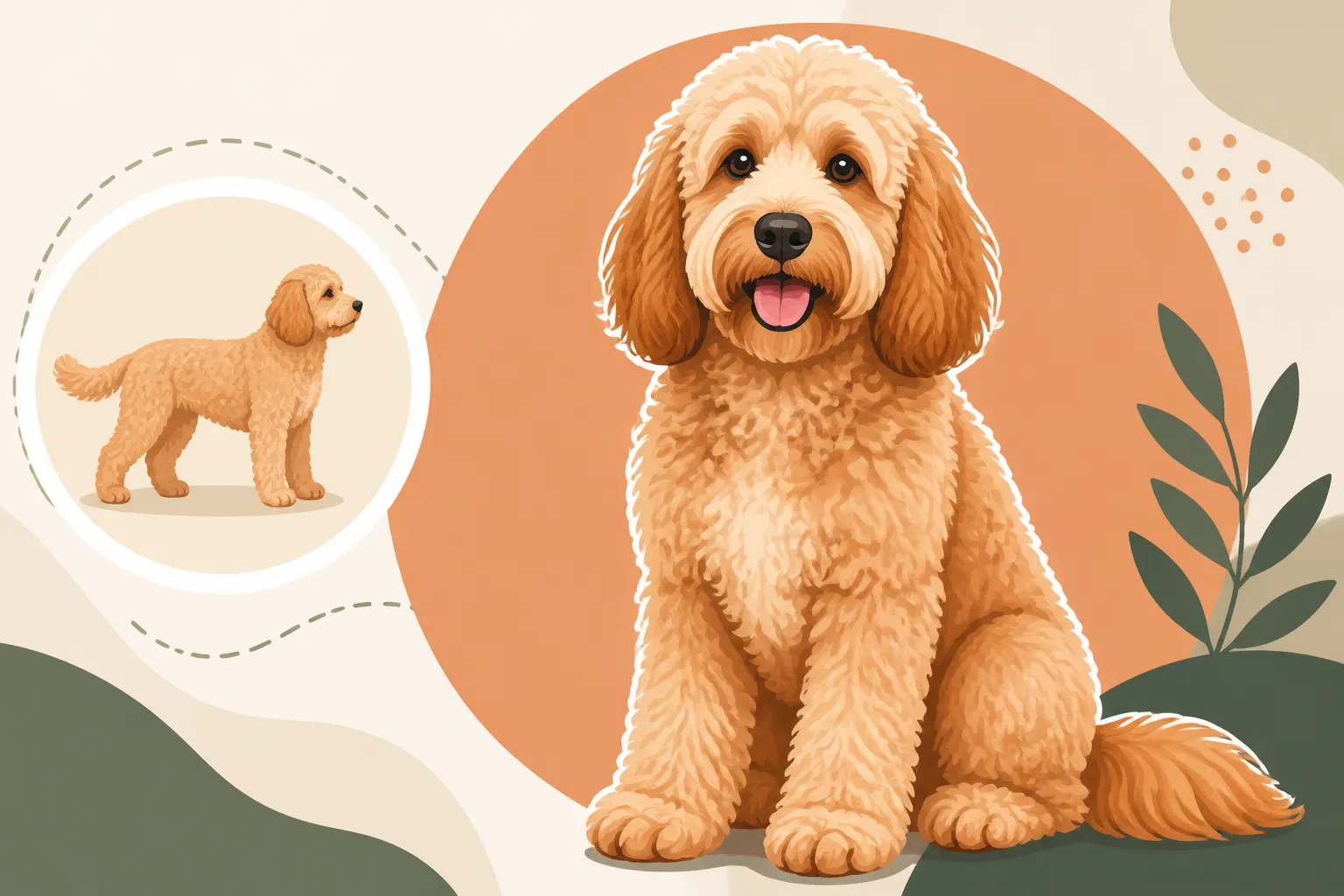
The Maxi Cockapoo
It can be incredibly confusing when you're trying to picture what a Cockapoo puppy will look like as an adult, especially with all the different "sizes" floating around. You hear about Teacups, Toys, and Miniatures, but then there's the "Maxi" Cockapoo, which can feel a bit nebulous and often leaves prospective owners wondering if they're signing up for a small dog or something much larger. This guide aims to clear up that confusion, diving deep into what defines a Maxi Cockapoo, what to expect in terms of their physical characteristics, temperament, health, and what living with one truly entails.
What Exactly is a Maxi Cockapoo?
When we talk about a Maxi Cockapoo, it's easy to conjure up images of a giant dog, but in reality, it's more about being at the larger end of the typical Cockapoo spectrum. Unlike some purebred dogs with rigid size standards, the Cockapoo is a hybrid, and its size classifications are more generally accepted terms than strict, officially recognized categories. Understanding this distinction is key to setting realistic expectations for your future furry family member.
Defining the Maxi Size Range
The term "Maxi Cockapoo" generally refers to a Cockapoo that will grow to be around 20 pounds or more, sometimes reaching up to 30 pounds, and standing over 15 inches tall at the shoulder. This isn't a hard and fast rule, but rather a guideline used by breeders and owners to differentiate them from their smaller counterparts like the Toy or Teacup Cockapoo. It’s important to remember that these are hybrid dogs, and predicting exact adult size can sometimes be a bit of a guessing game, even with the best intentions. A puppy from a litter might surprise you by ending up slightly larger or smaller than anticipated, simply due to the genetic lottery. Many times, prospective owners are caught off guard when their "miniature" turns out to be a Maxi!
How the Parent Breeds Influence Size
A Cockapoo is a cross between a Cocker Spaniel and a Poodle. The size of the Poodle parent is usually the biggest determinant of a Cockapoo's eventual size. While American Cocker Spaniels and English Cocker Spaniels typically fall within a similar medium-sized range, the Poodle parent can vary significantly. For a Maxi Cockapoo, breeders almost always use a Miniature Poodle or, less commonly, a small Standard Poodle. If a Toy Poodle were used, the resulting puppies would be much smaller, falling into the Toy or Teacup categories.
It’s a balancing act for breeders. They're trying to combine the Poodle's intelligence and low-shedding coat with the Cocker's affectionate nature and merry disposition. When selecting parents for a Maxi Cockapoo litter, a breeder carefully considers the size and lineage of both the Cocker Spaniel and the Poodle to aim for that larger size range. However, genetics are complex, and even within the same litter, you can see a range of sizes, some puppies leaning more towards the larger Poodle genetics, and others more towards the smaller Cocker side. This is why asking about the specific parent breeds and their sizes is so crucial when choosing a puppy. You might want to read more about The Four Cockapoo Sizes to get a clearer picture of the different categories.
The 'Maxi' Misconception
The word "Maxi" itself can be a bit misleading, making people think of dogs the size of a Golden Retriever. In reality, a Maxi Cockapoo is still a very manageable, medium-sized dog. They aren't going to be towering over you or taking up an entire sofa by themselves. The "Maxi" designation simply means they're not a lapdog; they're substantial enough to feel like a proper canine companion without being overwhelmingly large.
Many owners who originally sought a smaller dog find themselves pleasantly surprised by the robustness and energy of a Maxi Cockapoo. They have enough size to keep up on longer walks or hikes, yet they're still compact enough to curl up at your feet without needing excessive space. It’s a good middle ground for many families who want a dog that can participate in outdoor activities but also enjoys quiet time indoors.
Understanding the Maxi Cockapoo's Physical Traits
Beyond just their general size category, Maxi Cockapoos have a range of physical characteristics that make them unique. From their weight and height to their diverse coats and overall build, there's a lovely variety to appreciate, all while maintaining that characteristic Cockapoo charm.
Expected Weight and Height
As mentioned, a Maxi Cockapoo typically weighs between 20 to 30 pounds and stands over 15 inches at the shoulder. Of course, individual dogs can fall slightly outside these ranges. A male might lean towards the heavier end, while a female could be a few pounds lighter. Their final size will largely depend on the specific genetics passed down from their Poodle and Cocker Spaniel parents. For instance, if the Poodle parent was on the larger side of the Miniature Poodle spectrum, or perhaps even a smaller Standard Poodle, you're more likely to see a Maxi Cockapoo closer to the 30-pound mark.
It’s worth noting that puppies from the same litter can have different growth rates and final sizes. Observing the parents and asking the breeder about their historical litter sizes can give you a better idea. Don't be shy about asking to see the pedigree, if available, and certainly ask to meet the parents. This gives you a visual reference point for what your puppy might mature into. You'll want to ensure you're feeding them appropriately for their size and growth stage, which can vary. For example, Chewy offers a wide selection of dog foods tailored to different sizes and life stages.
Variations in Coat Type and Color
One of the most appealing aspects of Cockapoos, regardless of size, is their diverse coat. Maxi Cockapoos can exhibit any of The Three Cockapoo Coat Types and Their Upkeep: straight, wavy, or curly. The straight coat is the least common and most prone to shedding, taking more after the Cocker Spaniel. Wavy coats are often referred to as "fleece" coats, a beautiful soft texture that tends to be low-shedding. The curly coat is very Poodle-like, highly hypoallergenic, and typically non-shedding, but also the most demanding in terms of grooming.
In terms of color, Maxi Cockapoos can come in an astonishing array of shades and patterns. You can find solid colors like black, red, apricot, chocolate, and cream, or multi-colored patterns such as parti (patches of color on white), phantom (like a Doberman's markings), or even merle. These colors are inherited from both parent breeds and contribute to the unique charm of each individual dog. Understanding the genetic possibilities of What a Cockapoo Inherits From Each Parent can help you appreciate this diversity.
Body Proportions and Build
Maxi Cockapoos typically have a sturdy, well-proportioned build that reflects their medium size. They usually possess a balanced appearance, not too leggy like some Poodles, nor as long-backed as some Cocker Spaniels. Their frame supports their weight well, giving them an athletic yet compact look. They have expressive eyes, often framed by soft furnishings (the longer hair on their face) if they inherit that gene, and those adorable floppy ears characteristic of both parent breeds.
Their body shape makes them quite agile and capable of participating in various activities without being prone to the joint issues sometimes seen in much larger or extremely long-backed breeds. They tend to have strong legs and a good amount of muscle, ready for adventures. This balanced build means they are generally quite robust, a significant advantage for a dog that loves to play and explore.
Temperament and Personality of a Larger Cockapoo
A dog's size can sometimes influence our perception of its personality, but with Maxi Cockapoos, their delightful temperament shines through, often combining the best traits of both their parent breeds. They are known for being affectionate, intelligent, and generally eager to please, making them wonderful companions.
Energy Levels and Exercise Needs
While Cockapoos are generally energetic, a Maxi Cockapoo's larger size often means they have a bit more stamina and a greater need for regular exercise than their smaller counterparts. They thrive on activity and mental stimulation. Expect to dedicate at least 60-90 minutes of active exercise daily, ideally broken into a couple of sessions. This could include brisk walks, enthusiastic games of fetch in the yard, trips to the dog park, or even jogging with you. They often have a good "off switch" indoors, happily curling up for a nap after a good play session, but they definitely need that physical outlet to prevent boredom and destructive behaviors.
Ignoring their need for activity can lead to a restless dog, prone to chewing furniture or excessive barking. Think of it this way: a Maxi Cockapoo has more muscle and a larger frame to put to good use. They enjoy engaging with their environment and exploring new scents, thanks to their Cocker Spaniel heritage. The Miles a Cockapoo Wants Every Day can give you more insight into their activity requirements. Providing a variety of toys, including interactive ones found on sites like Chewy, can also help keep their minds engaged.
Socialization and Training Considerations
Maxi Cockapoos are intelligent and generally highly trainable, inheriting the Poodle's smarts and the Cocker's willingness to please. Early and consistent socialization is crucial for any puppy, and it's no different for a Maxi. Exposing them to a wide range of sights, sounds, people, and other friendly dogs from a young age helps them grow into well-adjusted, confident adults. Puppy classes are an excellent way to achieve this and build a strong foundation for good manners.
Because they are a bit larger, their jumping and pulling on the leash can be more impactful than a tiny Toy Cockapoo. Therefore, consistent leash training and teaching polite greetings from puppyhood are especially important. They respond very well to positive reinforcement methods – lots of praise, treats, and fun! They thrive on human connection and want to be involved in family activities. Their intelligence means they pick up commands quickly, but also that they can get bored with repetitive drills, so keep training sessions fun and varied.
Suitability for Different Lifestyles
A Maxi Cockapoo can fit into a variety of lifestyles, making them incredibly versatile. They are often excellent family dogs, loving and patient with children (with proper supervision and teaching children how to interact respectfully with dogs). Their robust size means they aren't as fragile as a Teacup, which can be a relief for families with energetic kids. They also tend to get along well with other pets, especially if introduced thoughtfully.
They do best in homes where they receive plenty of attention and mental stimulation. While they can adapt to apartment living if their exercise needs are consistently met, a home with a fenced yard is often ideal for them to burn off steam safely. Active individuals or families who enjoy outdoor adventures like hiking or long walks will find a Maxi Cockapoo an enthusiastic companion. They are truly people-pleasers and want to be wherever their humans are, often following you from room to room.
Health Considerations for Maxi Cockapoos
Like all breeds, or in this case, a hybrid of two breeds, Maxi Cockapoos can be predisposed to certain health conditions that are common in their parent lines. Being informed and choosing a responsible breeder are the best ways to ensure you bring home a healthy puppy and can care for them throughout their life.
Common Health Concerns Related to Size
While generally healthy dogs, Maxi Cockapoos can inherit some conditions from their Cocker Spaniel and Poodle lineage. For larger dogs, orthopedic issues are sometimes a concern, though Cockapoos are less prone than many giant breeds. Conditions like hip dysplasia or elbow dysplasia, which can affect larger Poodles or Cocker Spaniels, are possibilities. It's crucial for breeders to screen their parent dogs for these conditions. Whether a Maxi Cockapoo Grows Into Bad Hips is a valid question to explore and something good breeders will address with health testing.
Other potential concerns include patellar luxation (slipping kneecaps), common in smaller breeds but still a possibility, and eye conditions like Progressive Retinal Atrophy (PRA) or glaucoma. Ear infections can also be common due to their floppy ears, which can trap moisture and debris. Regular cleaning and checking are essential.
Importance of Responsible Breeding and Health Testing
This cannot be stressed enough: choosing a responsible breeder is paramount to getting a healthy Maxi Cockapoo. A reputable breeder will perform extensive health testing on their parent dogs for conditions prevalent in Cocker Spaniels and Poodles. This includes genetic tests for PRA, von Willebrand's Disease (a bleeding disorder), and often hip and elbow evaluations, as well as patella exams.
A transparent breeder will be happy to share these health certificates and explain their breeding philosophy. They should also be invested in the health of their puppies for life and be available to answer any questions you have. Asking a Cockapoo breeder for these certificates is not just recommended, it's essential. This proactive approach helps reduce the likelihood of passing on hereditary diseases to the puppies, giving your Maxi Cockapoo the best possible start in life.
Long-term Care and Preventative Measures
Once you bring your Maxi Cockapoo home, long-term preventative care becomes your responsibility. Regular veterinary check-ups, including What a Cockapoo's Yearly Shots and Exam Cost, are vital for early detection and prevention of health issues. Maintaining a healthy weight through proper diet and exercise is crucial, especially for preventing joint strain as they age. High-quality dog food, like many options available on Chewy, is a cornerstone of good health.
Dental hygiene is another important aspect, as small to medium-sized dogs can be prone to dental disease. Regular brushing, dental chews, and professional cleanings as recommended by your vet will keep their teeth healthy. Keeping up with flea, tick, and heartworm prevention is also non-negotiable. Being proactive in their care will contribute significantly to your Maxi Cockapoo living a long, happy, and healthy life.
Living with a Maxi Cockapoo: Practicalities
Bringing a Maxi Cockapoo into your home is a joy, but it also comes with practical considerations unique to their size and coat type. Understanding these aspects before your puppy arrives will help you prepare and ensure a smooth transition for everyone.
Grooming Needs for a Larger Coat
The grooming needs of a Maxi Cockapoo will largely depend on their coat type (straight, wavy, or curly), but regardless, regular grooming is essential. Their larger size means there's simply more coat to manage. Curly or wavy coats, while often low-shedding, are prone to matting and require daily or every-other-day brushing to prevent tangles from becoming painful mats. A good slicker brush and a metal comb are your best friends here.
Professional grooming every 6-8 weeks is highly recommended to keep their coat in top condition and prevent it from becoming unmanageable. If left untended, the coat can quickly become pelted, necessitating a full shave-down, which no one wants. Even straight-coated Maxi Cockapoos benefit from regular brushing to remove loose hair and keep their skin healthy. Don't forget nail trims and ear cleaning, as their floppy ears can be prone to infections. Investing in good grooming tools from places like Chewy will make at-home maintenance much easier.
Feeding a Maxi Cockapoo
A Maxi Cockapoo, being a larger dog, will naturally require more food than a Teacup or Toy Cockapoo. Feeding a Maxi Cockapoo by Weight is the best approach, but always follow the guidelines provided by your veterinarian and the food manufacturer. Look for high-quality dog food formulated for medium-sized breeds, appropriate for their age (puppy, adult, or senior). Portion control is important to prevent obesity, which can put undue stress on their joints.
Consider dividing their daily food intake into two meals to help with digestion and prevent them from eating too quickly. If they are particularly energetic, they might need a bit more, or if they are more laid-back, a little less. Monitoring their weight and body condition is key. You should be able to feel their ribs easily without seeing them protruding. Fresh water should always be available, especially after exercise.
| Cockapoo Size | Approximate Adult Weight | Approximate Adult Height | Exercise Needs | Grooming Needs |
|---|---|---|---|---|
| Teacup | Under 6 lbs | Under 10 inches | Low to Moderate | Moderate |
| Toy | 6 – 12 lbs | 10 – 12 inches | Moderate | Moderate to High |
| Miniature | 13 – 18 lbs | 12 – 14 inches | Moderate to High | High |
| Maxi | 19 – 30 lbs | Over 15 inches | High | High |
Space Requirements and Home Environment
While a Maxi Cockapoo isn't a giant dog, they do appreciate having a bit more space than a tiny breed. A home with a fenced yard is a huge bonus, allowing them a safe place to run and play. However, they can absolutely thrive in an apartment or smaller home as long as their daily exercise needs are consistently met with walks, runs, or trips to a dog park. The key is their human companionship and activity, not necessarily square footage.
They are adaptable and generally happy to be wherever their family is. Providing a comfortable bed, a quiet space for downtime, and plenty of stimulating toys will contribute to their well-being in any living situation. Remember, a Maxi Cockapoo is still a companion dog at heart and will prefer to be an active part of the family, not just relegated to the backyard. Ensure your home is safe and 'puppy-proofed,' especially if you're bringing home a young Maxi Cockapoo.
Disclaimer
This article is for general informational purposes only and does not constitute professional advice. Laws, prices and regulations vary by location and change over time. Consult a qualified professional for guidance on your specific situation.